The SHOAL is the global ecosystem of partners and collaborators who work together to safeguard the health of Earth's freshwater habitats and conserve the most threatened freshwater species. As with a shoal of fish, the strength of the SHOAL lies with the number of partners all working together.
Blueprint for Conservation Action for 1,000 Freshwater Fishes
SHOAL's flagship initiative sets out a plan for how significant collaborative conservation effort can lift freshwater fishes and potentially thousands of other neglected freshwater species to a new elevated platform of conservation attention and greatly enhance freshwater conservation efforts globally.
Joint Statement on Managing Invasive Alien Species in Freshwater Ecosystems
Joint Statement on Managing Invasive Alien Species in Freshwaters (Issued by Freshwater Life, International Rivers, the IUCN Species Survival Commission Invasive Species Specialist Group, the Office Français de la Biodiversité, SHOAL, and TARSIUS).
Abu Dhabi, October 2025
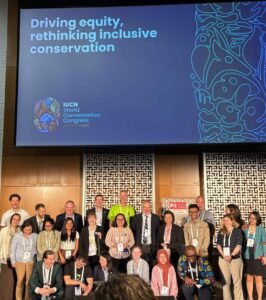
At the 2025 IUCN World Conservation Congress in Abu Dhabi, representatives from six leading organisations – Freshwater Life, International Rivers, the IUCN Species Survival Commission Invasive Species Specialist Group (ISSG), the Office Français de la Biodiversité (OFB), SHOAL, and TARSIUS – convened for a session titled “Achieving conservation and socio-economic benefits from managing Invasive Alien Species (IAS) in freshwater ecosystems.”
The session brought together experts and practitioners from around the world to share their experiences addressing one of the fastest-growing threats to freshwater biodiversity. Speakers Muhammad Iqram (TARSIUS), Gregg Howald (Freshwater Life), Victoria Lichtschein (IUCN Argentine Committee), Joshua Klemm (International Rivers), and Guillaume Gigot (OFB), with an introduction from Piero Genovesi (ISSG and ISPRA) and moderation by Kevin Smith and Ana Nunes from the IUCN Secretariat, presented case studies and lessons learned from Invasive Alien Species (IAS) prevention and management efforts.
In light of these challenges, our organisations commit to strengthening cooperation and applying science-based, locally-grounded solutions that protect and restore freshwater ecosystems impacted by IAS, and the communities that care for and depend on them. We recognise that effective responses require integrated management, long-term monitoring, and active participation of the communities who depend on these waters for their livelihoods and cultural identity. Through our individual and collective efforts, we aim to directly support the implementation of Target 6on IAS of the Global Biodiversity Framework, and contribute to achieving the ambitions of the global Freshwater Challenge, restoring 300,000 km of degraded rivers and 350 million hectares of wetlands by 2030.
Our Joint Commitments
Prevention First: Preventing the introduction of IAS is the most effective and cost-efficient form of management. We commit to advocating for stronger biosecurity measures, risk assessments, and public awareness initiatives to stop IAS before they enter freshwater systems.
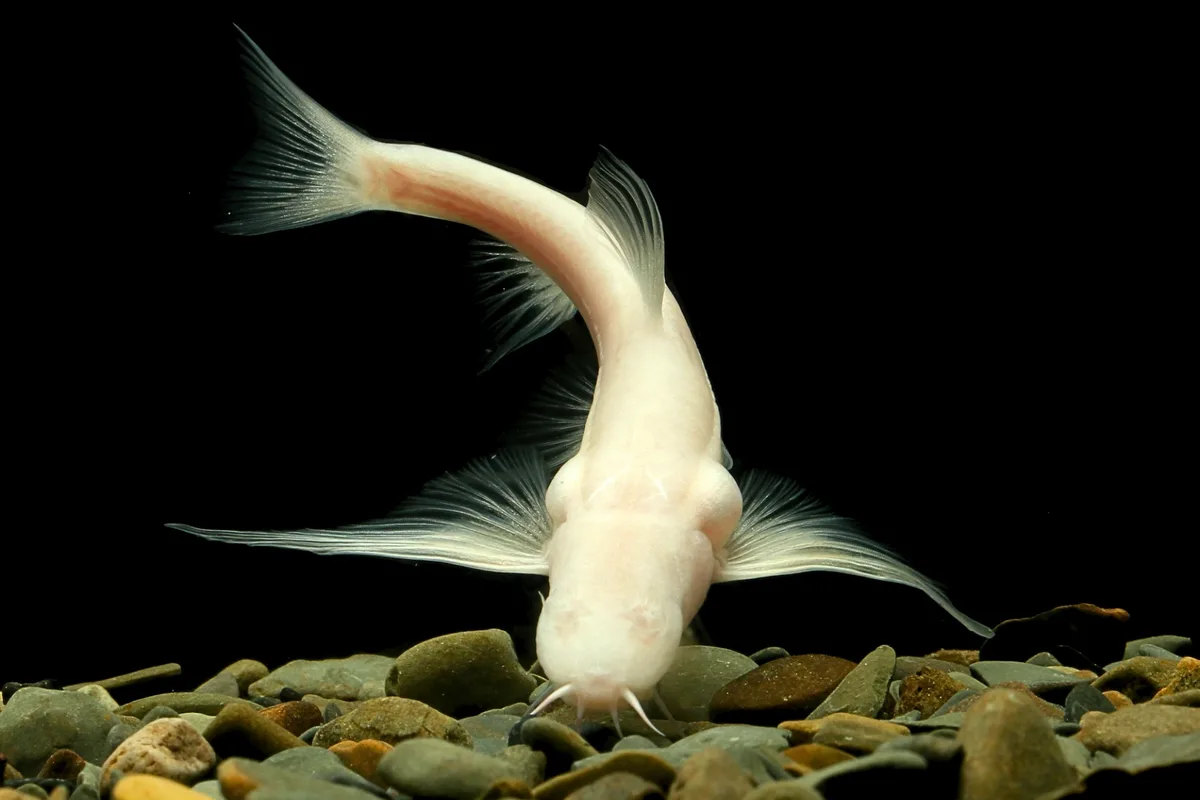
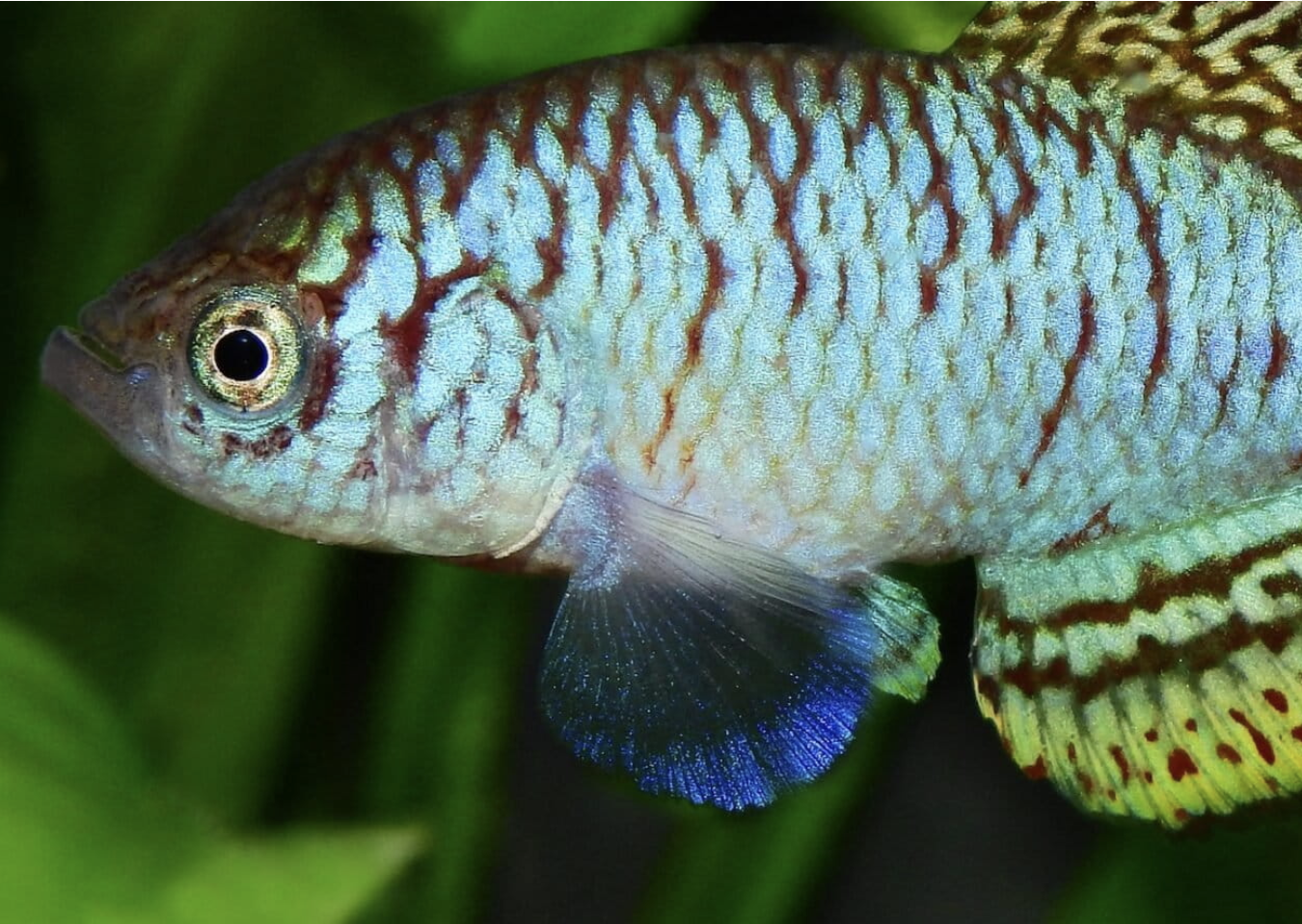
Restoration Where Possible: In systems already affected by IAS, effective and science-based management can yield major social-ecological benefits. This was shown at the IUCN Congress event by evidence from two Whitley Award winning successful interventions. In Argentina, the Fundación Somuncura and Freshwater Life completely removed invasive fish from a section of the Valcheta Stream, increasing the populations of the Critically Endangered Naked Characin, El Rincon Stream Frog, and two species of snail by 15% and growing. This demonstrates that targeted removal and ecosystem restoration are achievable in freshwater systems when carefully designed and supported. In Cameroon, the African Marine Conservation organisation (AMCO) has restored lake Ossa from the invasive Salvinia molesta using biological control by a natural predator, the Salvinia Weevil that feeds specifically on the salvinia plant.The drastic reduction of salvinia in the lake led to the restoration of the fishing activities and the return of the manatee population.
Community-Led Action: Sustainable impact depends on local leadership. Our organisations jointly commit to ensuring Indigenous Peoples and Local Communities are at the forefront of IAS prevention, management, and restoration projects, from design to delivery, ensuring that conservation success aligns with community wellbeing, traditional knowledge, and long-term stewardship.
Quotes from Participants
Piero Genovesi, IUCN SSC Invasive Species Specialist Group: “The new IUCN programme commits IUCN as a Union to scale up its work on Invasive Alien Species, and the Invasive Species Specialist Group that I chair is ready to provide scientific support for this aim. The presentations and discussions held at the IUCN Congress demonstrate how action in freshwater systems is essential but also feasible.”
Graden Froese, Freshwater Life: “Too often, freshwater invasive species can feel like an overwhelming problem. But invasive species can be dealt with, and even permanently removed, from many rivers and lakes. The results, for people and nature, are spectacular. This gathering, the first of its kind at the IUCN’s World Conservation Congress, reminded and energised us around the importance of action.”
Victoria Lichtschein, IUCN Argentine Committee: “For me the session at the World Conservation Congress was very significant and provided hope that the problem can be dealt with successfully.”
Guillaume Gigot, OFB: “This session was an excellent demonstration of a collective and reasoned approach, where everyone is heard and each situation is considered carefully. This is typical of IUCN’s expertise, which is essential for addressing the challenges of IAS in freshwater environments: consolidating networks and building shared strategies to influence public policy.”
Michael Edmondstone, SHOAL: “Invasive Alien Species are accelerating the decline of already vulnerable freshwater species and ecosystems, yet this session showed that when local leadership and global expertise come together, real recovery is possible. At SHOAL, we’re committed to working alongside our partners to scale the prevention and restoration efforts needed to protect rivers and wetlands, and the communities that depend on them.”
Arely Ramírez García, Universidad Michoacana de San Nicolás de Hidalgo, México: “The reintroduction of fish species once lost from the wild, such as Zoogoneticus tequila and Skiffia francesae, demonstrates that ecological restoration is achievable when scientific resolve, community engagement, and collective action come together.”
Tania Romero Bautista, Florida International University (FIU), Tropical Rivers Lab: “I was delighted to participate in this session at IUCN and to learn about community-led projects on how freshwater ecosystems and different species can be sustained through citizen science as well as integrative conservation and policy mechanisms in local and within transboundary areas. As I reflect on my work in freshwater ecosystems in the Peruvian Amazon, this was an opportunity to reimagine new possibilities for such efforts in the Amazon basin.”
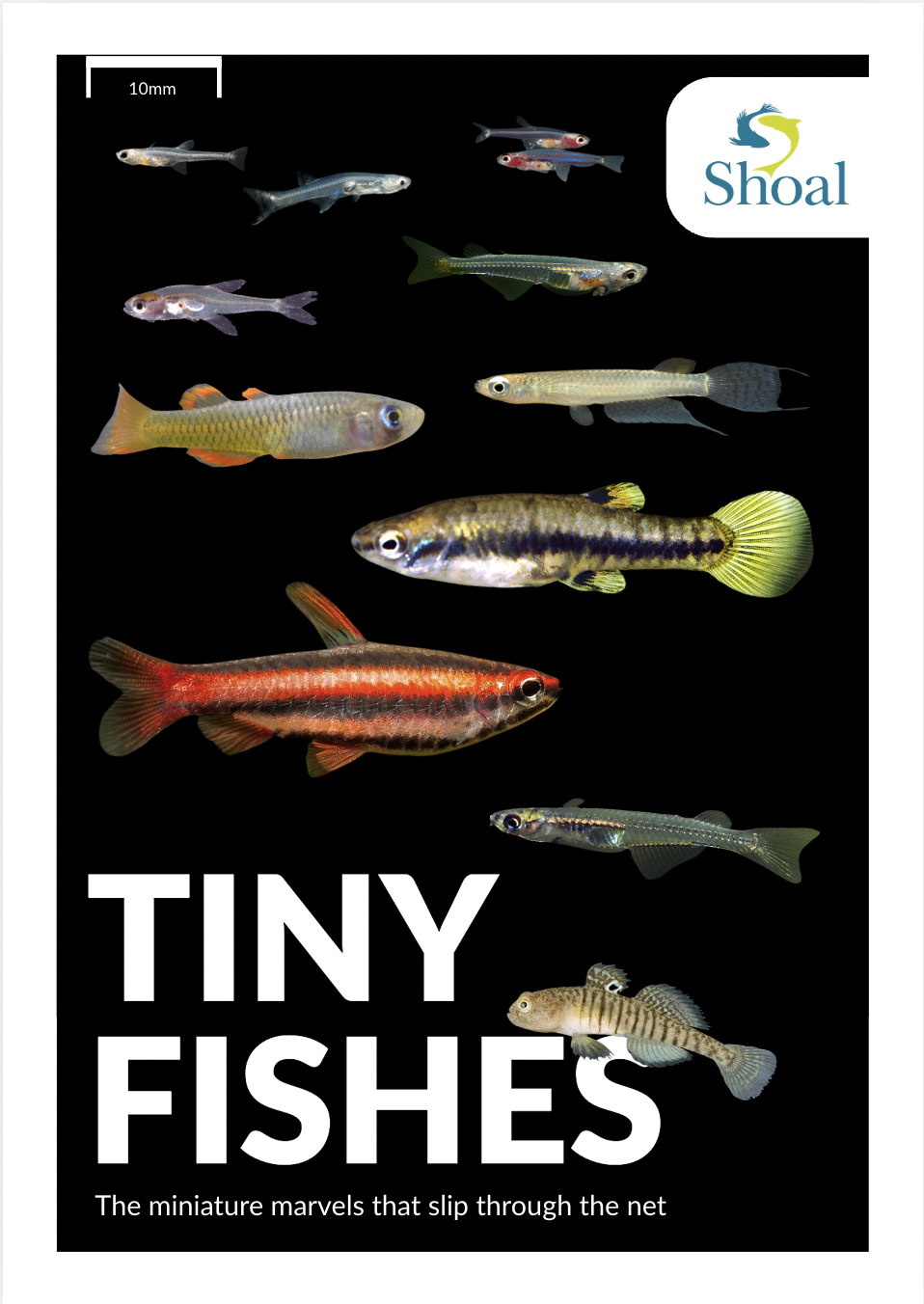
Tiny Fishes: the miniature marvels that slip through the net
They’re so small, they’d fit on your fingertip.
And yet tiny fishes are big players in ensuring freshwater ecosystems are healthy: they recycle nutrients and act as essential bioindicators.
They are incredibly diverse, frequently restricted to ranges that match their tiny size, and often sit right at the heart of the ecosystems they inhabit. What makes them so essential is their place in the food web. Small fishes convert algae, plankton, detritus and small invertebrates into energy that supports everything above them. Take them away and you remove the foundation that larger fishes, birds, reptiles, amphibians and mammals rely on.
Yet they are doubly neglected; firstly, by being in a species group that has historically received very little attention, and secondly by being often overlooked even within that overlooked and underfunded group.
SHOAL’s new report Tiny Fishes: the miniature marvels that slip through the net celebrates these fintastic little fishes. It shines a light on species that have been sidelined, even within a conservation sector already fighting for attention, and celebrates them in their small, surprisingly complex glory. It’s about showing their conservation is desperately needed. And that conservation action would be highly effective if it received the resources it needs. As well as a celebration, Tiny Fishes is a plea for targeted conservation action for some of the world’s most threatened species, that also happen to be among the most cost effective to save.
This report will place tiny fishes firmly in the conservation conversation. By documenting their ecological roles, threats, adaptations and cultural connections, it aims to ensure these species are not lost simply because they are small. Tiny fishes aren’t likely to dominate the headlines. But they matter. Paying attention to them isn’t a niche concern: it’s essential if we’re serious about reversing the decline of freshwater biodiversity.
Tiny fishes have swam under the radar, and not just because they compete for attention with larger, more familiar or more charismatic species. A two-centimetre fish can quite literally slip through the net, and as such, our conservation attention.
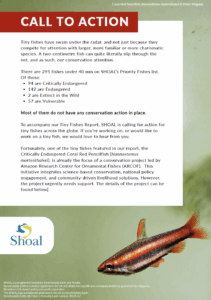
There are 295 fishes under 40 mm on SHOAL’s Priority Fishes list. Of those:
94 are Critically Endangered
142 are Endangered
2 are Extinct in the Wild
57 are Vulnerable
Most of them do not have any conservation action in place.
To accompany our Tiny Fishes Report, SHOAL is calling for action for tiny fishes across the globe. If you’re working on, or would like to work on a tiny fish, we would love to hear from you.
Fortunately, one of the tiny fishes featured in our report, the Critically Endangered Coral Red Pencilfish (Nannostomus mortenthaleri), is already the focus of a conservation project led by Amazon Research Center for Ornamental Fishes (ARCOF). This initiative integrates science-based conservation, national policy engagement, and community-driven livelihood solutions. However, the project urgently needs support. The details of the project can be found here.
The 2025 IUCN World Conservation Congress in Abu Dhabi, 9-15 October, brought together thousands of people working to protect the planet’s biodiversity. For SHOAL, the Congress was an opportunity not only to reconnect with partners and friends from across the world and help shape global conservation policy, but also to gather fresh support for how the 1000 Fishes initiative can help turn back the clock on freshwater extinctions.
This year, SHOAL took part in six sessions across the Congress programme, each addressing critical gaps in freshwater conservation. Three were Forum sessions, which featured in depth discussions, and three were Exhibition sessions, where SHOAL and partners discussed their projects and programmes in various pavilions in the Exhibition Hall.
Achieving Conservation and Socio-economic Benefits from Managing Invasive Alien Species (IAS) in Freshwater Ecosystems
Global Mechanisms for the Conservation of Overlooked Species
Overlooked Yet Essential: Advancing the Recognition and Conservation of Springs for Biodiversity and Society
Exhibition sessions:
Innovative Actions for Effective and Resilient Freshwater Connectivity and Conservation
Saving ASAP Fishes: A Radically Collaborative Approach
Transforming Biodiversity Conservation Beyond Protected Areas – OECMs in Asia to Advance KM-GBF Target 3
While each session offered valuable insights, the Forum sessions presented the best opportunity for audience collaboration and rich level of detail. Each of the three provided valuable insights for freshwater biodiversity conservation, and highlighted the growing partnerships and momentum behind SHOAL’s 1000 Fishes initiative.
Achieving Conservation and Socio-economic Benefits from Managing Invasive Alien Species (IAS) in Freshwater Ecosystems
In collaboration with Freshwater Life, International Rivers, the IUCN Species Survival Commission, Office Français de la Biodiversité (OFB), and TARSIUS, SHOAL co-hosted this session, which culminated in a joint statement committing all six organisations to stronger cooperation on invasive species management.
The speakers, including Muhammad Iqram (TARSIUS), Gregg Howald (Freshwater Life), Victoria Lichtshein (IUCN SSC), Joshua Klemm (International Rivers), and Guillaume Gigot (OFB), presented evidence that prevention is the most effective and cost-efficient approach. But they also shared success stories showing that, where invasives have already taken hold, targeted, science-based management can bring ecosystems back to life.
Fundación Somuncura and Freshwater Life’s restoration in Patagonia, which completely removed invasive fish from a section of the Valcheta Stream, causing the dramatic recovery of the Naked Characin (Gymnocharacinus bergii) and Valcheta Stream Frog (Atelognathus rivularis), was highlighted as a leading example.
Graden Froese, CEO of Freshwater Life, said, “Too often, freshwater invasive species can feel like an overwhelming problem. But invasive species can be dealt with, and even permanently removed, from many rivers and lakes. The results, for people and nature, are spectacular. This gathering, the first of its kind at the IUCN’s world conservation congress, reminded and energized us around the importance of action.”
Dileri Berdeja, conservation consultant from Berde Environmental Consulting, who was instrumental in pulling this session together, said, “This session went beyond ecological concerns, emphasising how invasive species intersect with the socio-cultural and economic dimensions of local communities. Managing these species is essential not only for protecting biodiversity but also for safeguarding the livelihoods that depend on healthy freshwater systems. Witnessing collaboration among leading organisations and experts was both inspiring and a much-needed step toward stronger, coordinated global action.”
Global Mechanisms for the Conservation of Overlooked Species
Hosted by Synchronicity Earth and partners including Amphibian Survival Alliance, IUCN Asian Species Action Partnership (ASAP), Mandai Nature, and SHOAL, this session explored how new global frameworks can raise the profile of species often left behind by mainstream conservation, from freshwater fishes to invertebrates and plants. It set the tone for a broader movement recognising that small, data-deficient, and non-charismatic species are every bit as vital to ecosystems as their larger counterparts.
SHOAL highlighted how the 1,000 Fishes Blueprint and its network of Priority Fishes already provide a practical model for identifying and investing in overlooked freshwater species. Participants agreed that better funding mechanisms, stronger coordination, and policy recognition are essential to scaling up this work.
Mike Baltzer, Executive Director of SHOAL, said, “This session fizzed with energy and actionable discussion for how we can together make a huge difference to overlooked freshwater biodiversity. We heard about many new mechanisms and solutions underpinned by a determination for change. This included many visionary funders and host organisations happy to take on the challenge to mobilise action to save these neglected species. Next step is to engage more funders and organisations”.
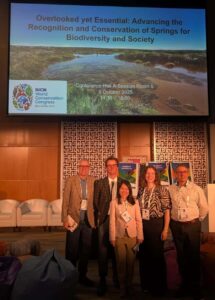
Overlooked Yet Essential: Advancing the Recognition and Conservation of Springs for Biodiversity and Society
Left to right: Topiltzin Contreras-Macbeath, Joseph Holway, Chouly Ou, Catherine Sayer, john Simaika
Springs, the literal sources of many rivers, received rare attention in this session, which SHOAL co-organised with Re:wild, the International Water Management Institute, the Springs Stewardship Institute, Saint Louis Zoo, and the IUCN Species Survival Commission. It called for global recognition of springs as unique freshwater ecosystems, vital both to biodiversity and to the human communities that depend on them.
The discussion built momentum behind Motion 016 Springs under threat: Mobilising urgent action for neglected freshwater ecosystems, one of two SHOAL-proposed motions at the Congress, both of which were approved and elevated to IUCN Resolutions.
Joseph Holway, Assistant Director at the Springs Stewardship Institute (SSI), said, “At SSI, we have been actively studying and protecting springs for the past four decades, yet their significance has too often fallen on deaf ears. That is why it fills me with hope to see a room full of scientists and conservationists dedicating their time and energy to these systems, these tiny focal points in the landscape that collectively weave together the fabric of biodiversity itself. Without springs, we would have only a fraction of the perennial rivers, wetlands, and ecosystems that sustain life across the planet. It is time that springs receive the attention they deserve as the lifeblood upon which both freshwater and terrestrial biodiversity depend.”
Chouly Ou, Freshwater Fish Conservation Coordinator of SHOAL/Re:wild, addded, “This session provided a much-needed platform for spring experts to meet in person, exchange knowledge, and identify concrete steps to move from motion to action. We discussed the roadmap for protecting springs, the establishment of the IUCN Springs Task Force, and the creation of a Global Springs Alliance. These are essential steps following the adoption of the motion as an official IUCN resolution, and this session marked an important milestone in turning the resolution into coordinated global action”.
Exhibition sessions
Throughout the Exibition sessions, SHOAL and partners highlighted many of the challenges and successes they have been involved in through their work to protect freshwater biodiversity, such as the efficacy of using Other Effective Conservation Measures (OECMS) to solve many freshwater conservation needs, and case studies highlighting how being innovative can help safeguard river connectivity and protect habitats that are highly important for local communities.
Jessica Judith Grefa Huatatoca, a biologist and Indigenous Kichwa woman from Santa Clara, Ecuador, who works with Piatua Resiste to protect the Piatua River and the cultural heritage of the Kichwa people, and who was a panellist in the Innovative Actions for Effective and Resilient Freshwater Connectivity and Conservation session offered some profound words about connectivity: “In the Kichwa tradition, humans are aquatic beings; we don’t say we learn to walk, but that we learn to swim. We are one interconnected, flowing system”.
SHOAL closely followed 15 motions relevant to freshwater conservation. Each was approved, meaning these issues now become formal IUCN policy. Three were debated and adopted in the Members’ Assembly:
Motion 067:Living in harmony with rivers through the rights of nature and ecocentric law
Motion 094:Recognising the importance of Indigenous languages, knowledge and cultural heritage in biodiversity conservation
Motion 108:Development of IUCN guidelines to effectively control the commercial pet trade in terrestrial wildlife
Each adopted Resolution, guides IUCN’s future actions and influences global policy, funding, and awareness.
Growing the SHOAL
Beyond the sessions, SHOAL’s exhibition booth drew crowds with an interactive fishing game, where visitors could win Priority Fishes posters and learn about the species and people behind them. It proved a fantastic way to spark conversations about freshwater life and the global network working to protect it.
The Congress also marked the first time the entire six-member SHOAL team gathered in person. For a team that works across continents, this made the week especially memorable.
In Abu Dhabi, freshwater voices were loud, united, and full of momentum, showing how much hunger and ambition there is among the wider SHOAL partnership to ensure the 1000 Fishes initiative will succeed. SHOAL leaves the Congress energised and inspired to build on the productive conversations that were had and connections that were made.
This month Dominic Whitmee celebrated his retirement from the Ornamental Aquatic Trade Association (OATA). While it is sad news for us at SHOAL that we will not be working with Dominic further in his role of the Chief Executive of OATA, we wish him all the best for next adventures and hope that he will continue to be a friend to SHOAL.
Many knew him through his role as the CITES representative from the UK government’s Department for Environment Food and Rural Affairs (DEFRA), and respected his extensive knowledge and experience in that role. It was therefore no surprise that he was very successful at OATA and was welcomed and lauded by all its members.
Dominic was one of the very first people to participate in the initial steps of SHOAL’s development. His advice, based on a rich knowledge of conservation and the home aquaria hobby, was invaluable to the fledgling initiative. Since our launch in 2019, Dominic has been central to SHOAL’s work of engaging hobbyists and the ecosystem of businesses that support the hobby. We could not have achieved what we have without his generous and enthusiastic support.
We hope to continue to stay connected with Dominic in the future.
We send our congratulations to Dr Matthew Bond who steps into Dominic’s shoes as Chief Executive. We wish him every success and look forward to continuing the excellent partnership between SHOAL and OATA.
Post Overview
Michael Edmondstone
October 21st 2025
Stories, Story
Share this post:
Recent News
From Motion to Momentum: Advancing Springs Conservation
Lake Ontario Shoreline, taken in Jack Darling Park, Mississauga, Ontario via Creative Commons
The 27 August marks the inaugural UN World Lake Day
World Lake Day
by Catherine Sayer, Eresha Fernando, Karen Murchie & Michael Edmondstone
‘Lakes’, in the words of the United Nations, ‘are one of the most vital natural resources on our planet. They serve as a crucial source of fresh water, supporting drinking water supplies, agriculture, and industry. [They] play a key role in maintaining biodiversity, offering a habitat for countless species of fish, plants, and wildlife, and contribute to climate regulation by keeping the planet cool, absorbing the floodwater and storing carbon1.
But, like other freshwater systems around the world, lakes are affected – sometimes dramatically – by overuse, pollution, abstraction, invasive species, and climate change. Around half (48%) of extinct freshwater animals are lake-dwelling species, which is significant given that less than one fifth (18%) of threatened freshwater animals live in lakes2; in other words, a disproportionate amount of these species go extinct.
Lakes are already facing serious decline. Inland wetland loss in terms of area lost since 1970 is greatest for lakes, according to the 2025 Global Wetland Outlook, at 31%. In comparison, inland marshes and swamps account for 27%, peatlands 13%, and rivers and streams 6%3. If current trends continue, by 2050, pollution will more than double, methane emissions will surge, species will be lost, and we will witness even greater catastrophic environmental damage and economic loss.
To help raise awareness, celebrate, and encourage action to preserve, conserve, restore, and sustainably manage these intricate ecosystems, the United Nations established the first World Lake Day on 27 August this year, serving as a rallying cry to governments, NGOs, researchers, educators, and local communities to come together through education, restoration efforts, cleanup campaigns, policy advocacy, and community-led conservation actions to ensure lakes around the world are given the best possible chances of thriving long into the future.
In this joint authorship piece, written by Eresha Fernando, IUCN Programme Officer for Freshwater, Catherine Sayer, Freshwater Biodiversity Lead at IUCN, Karen Murchie, Director of Freshwater Research at Chicago’s Shedd Aquarium, and Michael Edmondstone, Communications and Engagement Lead at SHOAL, we discuss conservation actions currently taking place in some of the world’s major lakes.
—
Michael Edmondstone, SHOAL:
Protecting Endemic Fishes in Sulawesi’s Ancient Lakes: Lake Poso and Lake Lontoa
The Poso and Malili lake systems of Sulawesi are global centres of freshwater endemism, yet many of their species remain poorly known and increasingly threatened. Two recent projects supported by SHOAL partners – Progres in Lake Poso and Hasanuddin University in Lake Lontoa – illustrate both the urgency and the scientific dedication required to conserve these unique faunas.
Endemic ricefishes of Lake Poso
Lake Poso is home to six endemic ricefishes, including the Critically Endangered Adrianichthys kruytiand A. roseni, both of which have not been observed alive for decades. Progres has been leading efforts to verify their continued existence and strengthen local stewardship of the lake’s biodiversity. Over the course of 2024, Progres teams conducted regular monitoring surveys, typically twice a month at dawn and dusk, in collaboration with local ‘Rono’ fishers whose traditional ecological knowledge is crucial for guiding searches.
Although these rare Adrianichthys species remain elusive, surveys have documented other endemic ricefishes such as Oryzias nigrimas, O. nebulosus, O. orthognathus, and O. soerotoi. The findings underscore both the persistence of Poso’s endemic fauna and the gaps in knowledge about species once thought to be abundant. Progres has also invested heavily in community engagement, running education programmes with schools, training young people in survey techniques, and building conservation awareness among local fishing groups. These actions aim to ensure that any rediscovery of lost species is paired with long-term protection of their habitats.
The search for Paratherina labiosa in Lake Lontoa.
Lake Lontoa, part of the Malili Lakes system, is the only known habitat of Paratherina labiosa, a sailfin silverside considered Critically Endangered. Recent surveys by Hasanuddin University, in collaboration with local partners, sought to confirm its presence. Two intensive expeditions in July and October 2024 used gillnetting, baited traps, snorkeling, and even underwater drones, but failed to locate the species. While Oryzias marmoratus, several Telmatherina, and endemic gobies were observed, P. labiosa remained undetected.
The surveys also documented alarming environmental pressures. Deforestation around the lake, often for pepper plantations, has led to high sedimentation and nutrient runoff, with ammonia levels recorded up to 0.43 mg/L and iron concentrations above 1.0 mg/L, well beyond safe thresholds for aquatic biota. Algal blooms and reduced water clarity were noted, alongside invasive species such as Tilapia (Oreochromis mossambicus), Snakehead (Channa striata), and Climbing Perch (Anabas testudineus), all of which pose risks to native fish through predation or competition.
Despite the absence of P. labiosa records, the project has strengthened the baseline understanding of Lake Lontoa’s fauna and threats. Plans for further surveys – including environmental DNA analysis – offer hope of clarifying whether this enigmatic fish still survives.
Together, these initiatives in Lake Poso and Lake Lontoa highlight the dedication of local researchers and communities to safeguarding Sulawesi’s irreplaceable freshwater heritage.
–
Karen Murchie, Shedd Aquarium
Love for the Laurentian Great Lakes
The catchy acronym for the Laurentian Great Lakes (LGLs) in North America is “HOMES” (representing Lakes Huron, Ontario, Michigan, Erie and Superior) that make up this incredible freshwater system holding 21% of the world’s surface freshwater. While it is a fitting way to remember the lake names, it is also a beautiful way to remember that these lakes are habitat for amazing aquatic species as well as the people choosing to live along their shorelines. From 139 native fish species, 47 native freshwater mussel species and even wild rice (manoomin), to the over 38 million residents within the watershed, there are many reasons to highlight the LGLs on the first World Lake Day.
Beyond the threats identified earlier in this blog, urbanisation and a lack of connectedness to nature can exacerbate the threats to our lakes. As such, public aquariums play an outsized role in showcasing lakes by providing opportunities for guests to look freshwater species in the eye with engaging exhibits and interpretive graphics. Shedd Aquarium, in Chicago, is located on the south shore of Lake Michigan in the United States and believes sparking curiosity, compassion and conservation for the LGLs is a priority. Connections formed at Shedd are important because turbid, cold water often limits interactions among people, the lakes, and animals that call them home. However, at Shedd, guests can reach down and touch a massive Lake Sturgeon, count the stripes on a Yellow Perch, and learn how white suckers feed and migrate up dozens of Great Lakes tributaries, and act on behalf of the LGLs.
Beyond education, aquarium team members take people, some of whom have never seen Lake Michigan, to walk along its edge and remove plastic and other debris before it enters the water where it can break down and harm wildlife. Last year, we removed over 6000 lbs (>2700 kg) of trash from Chicago area sites! Action Days activities lead to advocacy, where those who see plastic pollution as harmful to the environment can look for opportunities to enact meaningful legislation, such as limiting single use plastics.
Knowing how dire freshwater biodiversity loss is across the globe requires an increase in champions for healthy freshwater ecosystems. This has prompted ocean advocates including Dr. Sylvia Earle and her organisation, Mission Blue, to recognise the LGLs as the first-ever freshwater “Hope Spot” in 2023. This much needed recognition we hope will continue as the UN recognises World Lake Day each year and the invaluable ecosystem services these wonders provide. Greater appreciation and protections are exactly what our lakes around the world need to help restore habitats, reverse climate change and keep our freshwater biodiversity and our communities healthy and safe.
–
Eresha Fernando, IUCN
Incorporating Indigenous and Local Knowledge into IUCN Red List assessments of Lake Tanganyika freshwater fishes
The IUCN Red List of Threatened SpeciesTM4 is the world’s most comprehensive information source on the extinction risk of species. Typically, the Red List is based on scientific information, but there is now increasing awareness of the need to include knowledge from Indigenous People and Local Communities, with the aim of strengthening the overall evidence base used in IUCN Red List assessments.
Drawing on recent reports on the application of Indigenous and Local Knowledge (ILK) in IUCN Red List assessments5, and IUCN Guidelines for gathering of fishers’ knowledge for policy development and applied use6, IUCN recently applied this guidance into assessment work of freshwater fishes native to Lake Tanganyika. Lake Tanganyika, one of Africa’s Great Lakes, is a global hotspot for aquatic biodiversity, representing the largest freshwater reservoir in Africa supporting over 12 million inhabitants from the surrounding four riparian countries: Burundi, Democratic Republic of Congo, Tanzania, and Zambia)7.
Through the integration of ILK holders, including fishing community representatives, with intentional inclusion of women and young people to ensure diverse perspectives, IUCN were able to develop a dialogue between fishers and the local community, local authorities, and scientists. This dialogue has subsequently enabled ILK to be successfully incorporated into multiple IUCN Red List assessments of Lake Tanganyika freshwater fishes, and in some cases has led to the recognition of a higher extinction risk of certain species.
This process has therefore not only proved the strengths of using both traditional and scientific knowledge systems, but has led to more comprehensive extinction risk evaluations of Lake Tanganyika freshwater fishes, and will ultimately support inclusive and locally-grounded conservation in lake systems.
–
Native species aquaculture for conservation, economic growth and human nutrition in Lake Victoria
Lake Victoria, shared by Kenya, Uganda and Tanzania, is one of the sources of the famed Nile River. It is the world’s second largest lake by surface area (Lake Superior on the USA/Canada border is first) and the largest tropical lake.
Historically, Lake Victoria was one of the world’s most biodiverse freshwater ecosystems, with the diversity anchored by its community of more than 500 endemic cichlid species that evolved there. These Lake Victoria cichlids – Haplochromides – come in an incredible assortment of sizes, display extensive differences in their diets and behaviours, and tend to be dazzlingly coloured, making them darlings of aquarists. Sadly, due to the combined forces of the all-too-common factors of habitat loss, over-fishing, pollution, and the deleterious impacts of exotic species (particularly the intentional introduction of the predatory Nile Perch in the 1950s; Lates niloticus), haplochromide populations throughout the lake are greatly reduced.
Lake Victoria via Creative Commons
An additional threat to the native fishes of Lake Victoria, as is also happening in many other tropical lakes, is the recent and rapid expansion of cage-based aquaculture. In cage culture, “fingerlings”, (i.e. juveniles a few weeks old) produced in a hatchery are placed into floating nets, fed a commercially purchased fish food, and allowed to grow to marketable size and then harvested. Cage culture almost exclusively uses the non-native Nile Tilapia, a highly domesticated genetic hybrid developed for fast growth. While cage culture has been successful at producing a reliable and healthy human food supply and has provided new economic opportunity to a historically under-developed human community, it has also brought notable challenges. Unfortunately, in many instances, aquaculture cages are often located in the heart of the best habitat for the native fishes for the obvious reason that these locations have the best water quality for fish growth. For the native fishes, escape of the domestic Nile Tilapia leads to the native fishes being out-competed for food and displaced from their habitats by the more aggressive and faster growing exotics. Further, due to the high density of fish in the aquaculture cages, there can be extensive water quality degradation in proximity of the cages stemming from an over-abundance of nutrients from decomposition of undigested fish food and fish metabolic waste.
Against this backdrop of general threat is the plight of two of the native haplochromide species, the Singida Tilapia (aka ‘ngege’; Oreochromis esculentus) and the Victoria Tilapia (‘Mbiru’; O. variabilis). Historically, these two species were dominant parts of the fish harvest from the lake and common parts of human diets. Due to the above noted factors, these fish are now Critically Endangered.
Working in partnership with relevant government agencies and multiple private sector concerns, ranging from commercial scale aquaculture enterprises to start-up women’s collective cage culture organisations and regional farmers working to formulate locally produced fish feeds, our research group is trying to turn cage-culture into a potent tool for native species recovery. Our approach involves collecting specimens of these two species from the few remaining healthy populations found in the small satellite lakes near Lake Victoria and establishing a captive breeding programme. Twin goals of the breeding programme are i) to protect the genetic integrity of the different lineages and release progeny back to the wild once the limiting factors that caused the local extirpations have been rectified, and ii) use selective breeding techniques to produce strains of these two species suitable for cage-culture grow-out operations and thereby replace the non-native Nile Tilapia with these native species. Our research shows a few additional benefits. Firstly, in market evaluation, based on factors like cultural awareness and taste, we have found a strong human preference for the native fish over the exotic Tilapia. Hence, the potential exists to establish a ‘premium’ product that might yield higher profit margins, particularly from regional export markets that send fishes to the larger cities of the region. Secondly, the native fish appear to offer a distinctly different fatty-acid profile than the non-natives. These fatty-acids are essential parts of a healthy human diet, so it appears that moving the marketplace towards the native fishes may well yield human health benefits to complement the biodiversity conservation benefits.
–
Together, these efforts showcase the power of combining scientific assessment, policy designation, community capacity building, Indigenous and Local Knowledge, invasive species management, and long-term planning to ensure our world’s lakes thrive in the future.
As we observe the inaugural UN World Lakes Day, these examples from lakes Poso, Lontoa, Tanganyika, Victoria, and the Laurentian Great Lakes, stand as powerful emblems of both the fragility of freshwater ecosystems and humanity’s capacity to act. The dramatic changes to the balance of the lakes over the past few decades remind us why freshwater conservation must be urgent, local, collaborative – and full of hope.
IUCN. 2025. The IUCN Red List of Threatened Species. Version 2025-1. https://www.iucnredlist.org. Accessed July 2025.
IUCN. 2022. Application of Indigenous & Local Knowledge (ILK) in IUCN Red List assessments: White paper. Version 1. Adopted by the IUCN SSC Red List Committee and IUCN CEESP-SSC Sustainable Use & Livelihoods Specialist Group Steering Committee. https://www.iucnredlist.org/resources/ilk.
Cowie, W., Al Dhaheri, S., Al Hashmi, A., Solis–Rivera, V., Baigun, C., Chang, K., Cooney, R., Kamaka‘ala, S., Lindeman, K., Louwa, C., Roe, D., Walker–Painemilla, K., Al Baharna, R., Al Ameri, M., Al Hameli, S., Al Jaberi, K., Alzahlawi, N, Binkulaib, R., Al Kharusi, Y. 2020. IUCN Guidelines for gathering of fishers’ knowledge for policy development and applied use. IUCN, Gland, Switzerland; and Environment Agency – Abu Dhabi, United Arab Emirates. https://iucn.org/resources/publication/iucn-guidelines-gathering-fishers-knowledge-policy-development-and-applied.
Phiri, H., Mushagalusa, D., Katongo, C., Sibomana, C., Ajode, M. Z., Muderhwa, N., Smith, S., Ntakimazi, G., De Keyzer, E. L. R., Nahimana, D., Mulungula, P. M., Haambiya, L. H., Isumbisho, P. M., Limbu, P., Kimirei, I. A., Marwa, N. B., Mlingi, R. J., and Mangaza, A. M. 2023. Lake Tanganyika: Status, challenges, and opportunities for research collaborations. Journal of Great Lakes Research. 49 (6); 1-13.
Post Overview
Michael Edmondstone
Catherine Sayer
Eresha Fernando
Karen Murchie
August 27th 2025
Deep Dives, Feature, Lakes
Share this post:
Recent News
From Motion to Momentum: Advancing Springs Conservation
Africa's Forgotten Fishes and the emergency recovery plan to save them
Africa’s Forgotten Fishes, a major new report, is released today. Led by WWF and supported by SHOAL and 16 other leading conservation organisations, this landmark publication puts the spotlight on the astonishing diversity of Africa’s freshwater fishes, the mounting threats they face, and the urgent action needed to save them.
Africa is home to at least 3,281 species of freshwater fish, from electric elephantfishes to ancient lungfishes and the spectacular cichlids of the Great Lakes. These species underpin entire ecosystems and support the daily lives of millions of people. In fact, Africa produces nearly 30% of the world’s wild freshwater fish catch – the highest per capita consumption of any continent – and employs more than 3 million people through inland fisheries.
But these vital species are vanishing fast.
Freshwater fish populations are plummeting across the continent due to habitat loss, pollution, invasive species, over-abstraction, damming, unsustainable fishing and climate change. Already, at least 26% of Africa’s freshwater fishes are threatened with extinction – and that’s likely a significant underestimate.
Too often, freshwater fishes have been left out of the conservation conversation. They remain invisible to many decision-makers, overlooked when it comes to infrastructure, land use and water policy, despite the enormous benefits they provide to food security, livelihoods and ecosystem health.
But there’s a path forward. Africa’s Forgotten Fishes outlines a science-backed Emergency Recovery Plan, adapted to African contexts, that includes six proven pillars: let rivers flow more naturally, improve water quality, protect and restore habitats, end unsustainable resource use, control invasive species, and safeguard remaining free-flowing rivers.
The report arrives at a moment of real opportunity. Twenty African countries have already signed onto the Freshwater Challenge – the largest global freshwater restoration initiative in history. And with the Kunming-Montreal Global Biodiversity Framework now in play, countries have committed to protecting and restoring at least 30% of inland waters.
At SHOAL, we are proud to stand behind this report and its call for urgent, coordinated action. Africa’s freshwater fishes are not just biodiversity: they are life, culture, resilience and hope. We must act now, before more species slip away unnoticed.
“If I ask you where to find a fish, what would you say?” So starts starts Dr. Josie South, lecturer and researcher at the University of Leeds. “In the sea, rivers, lakes or streams? What if I told you there are fish in the forest, beneath the leaves? Beneath what you think is solid ground is a teeming world of life. These peat swamps of Bangka Island, Indonesia are the only home of the bubble-nest building Betta burdigala. This is a unique habitat that is unfortunately being rapidly destroyed.”
South has been working with Dr. Veryl Hasan, researcher of aquatic biodiversity at Airlangga University, Indonesia, and stars in a beautiful new film –Sanctuary – about the IUCN SSC Asian Species Action Partnership, Mandai Nature and SHOAL-funded project to conserve the Critically Endangered species.
Beneath the leaf litter of Bangka Island’s dwindling peat swamp forests, the crimson Betta burdigala survives in acidic, oxygen-poor waters by breathing air through a specialised labyrinth organ. Its only known habitat, a small strip of peat swamp forest, is being cleared for palm oil plantations, and with the loss of the forest comes a loss of hope for the wild population.
SHOAL are working closely with South and Hasan, along with their teams and Universitas Bangka-Belitung and National University of Singapore to protect these special fish and their habitat through captive breeding and identification of possible sanctuary sites.
As South says, “Our captive-breeding and reintroduction programme is nothing without a dedicated protected area which can buffer the fragile population from any threats.”
Sanctuary is an urgent call to action to protect the remaining Betta burdigala habitat before it is lost forever. To learn more about this urgent project, check out our project page.
A GoFundMe page is currently live, raising vital funds to purchase the land rights to some of the remaining Betta burdigala peat swamp habitat, preventing the land from being sold for palm oil plantation. Contribute here.
Watch the film:
Post Overview
Michael Edmondstone
May 27th 2025
1000 Fishes, ASAP Fishes
Share this post:
Recent News
From Motion to Momentum: Advancing Springs Conservation


)
)
)


)