We can bring the Denison’s barb back from the brink (film)

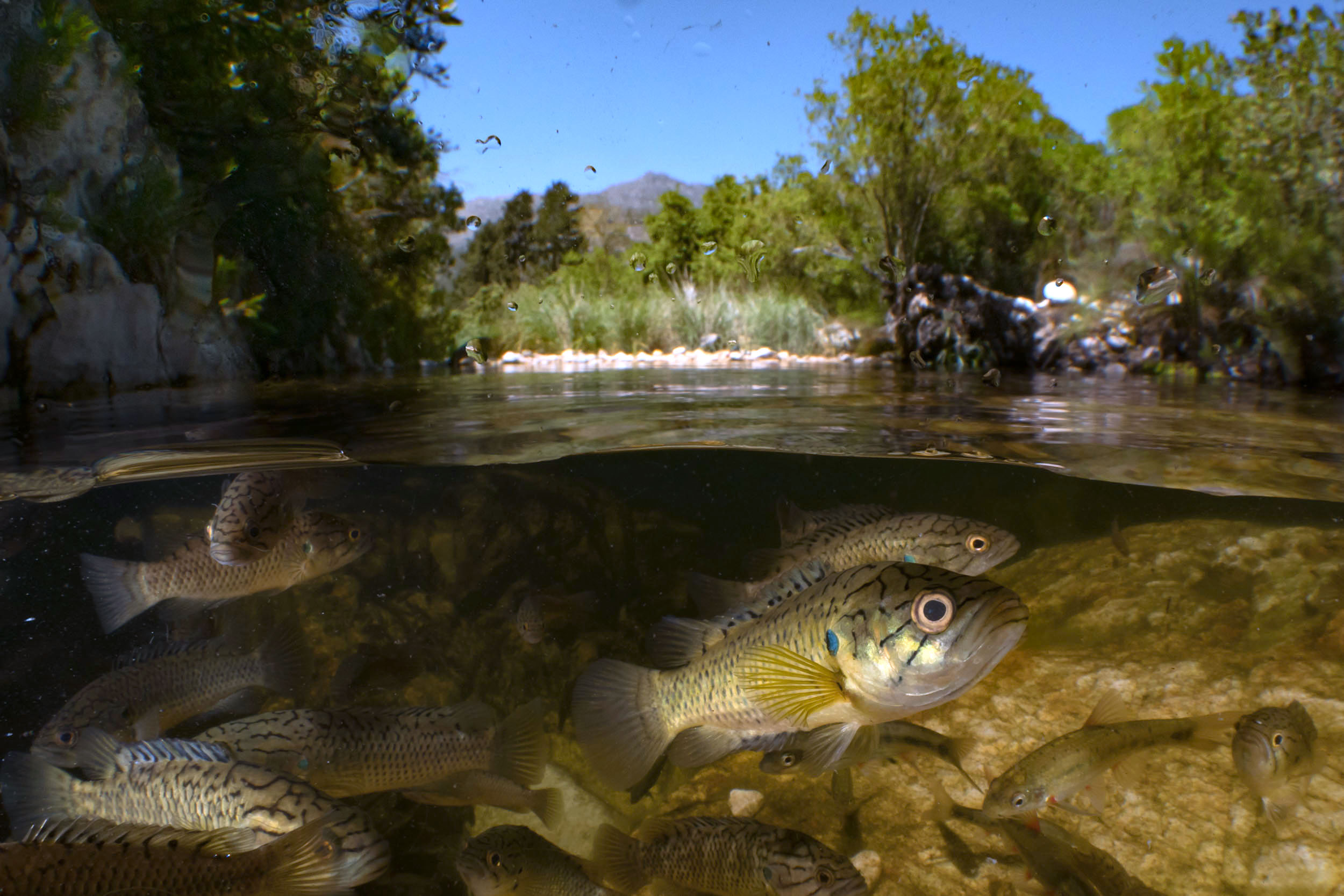
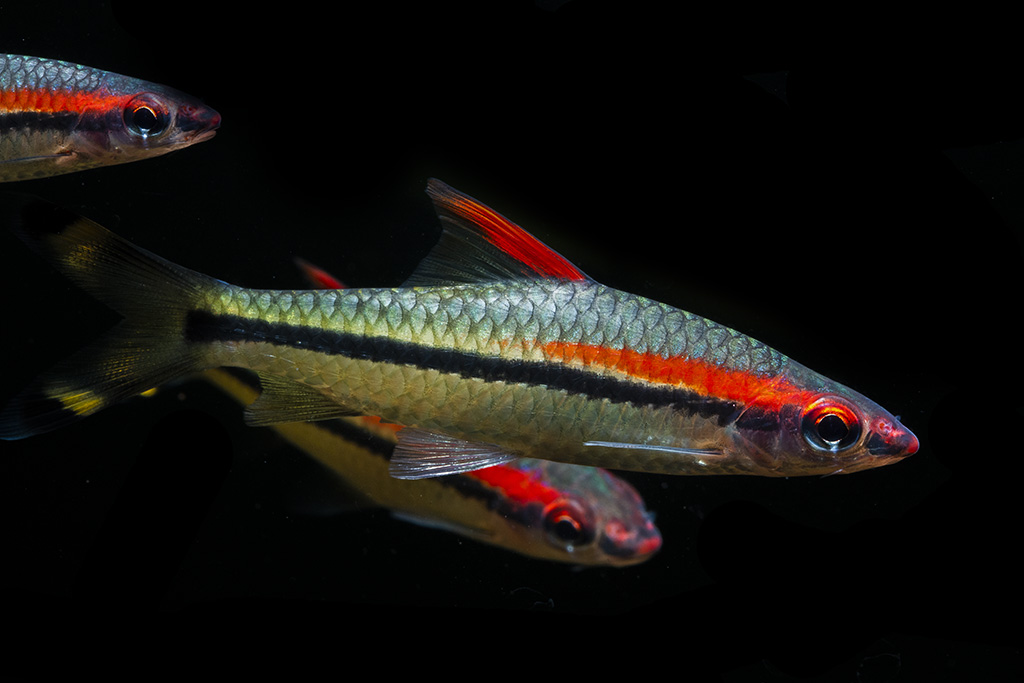
Photograph of a shoal of Denison’s barb fish in freshwater.

Credit: Beta M

Watch our film to see how together we can stop the Denison's barb from going extinct in the wild.

Meet the Denison’s barb

The Denison’s barb is one of the world’s most popular home aquarium fish, and can be found in living rooms from California to Kolkata.

Their striking colours and peaceful nature have put them in high demand for both beginners and expert fishkeepers. But it’s not their popularity that has led to wild populations becoming endangered.

What threats are they facing?

Sand-mining and pollution are causing damage to the fish’s habitat in India’s Western Ghats. The species’ home is under threat.

If we don’t take urgent action to protect and restore the damaged areas, this striking fish could go extinct in the wild in just a few years.

We need your help.
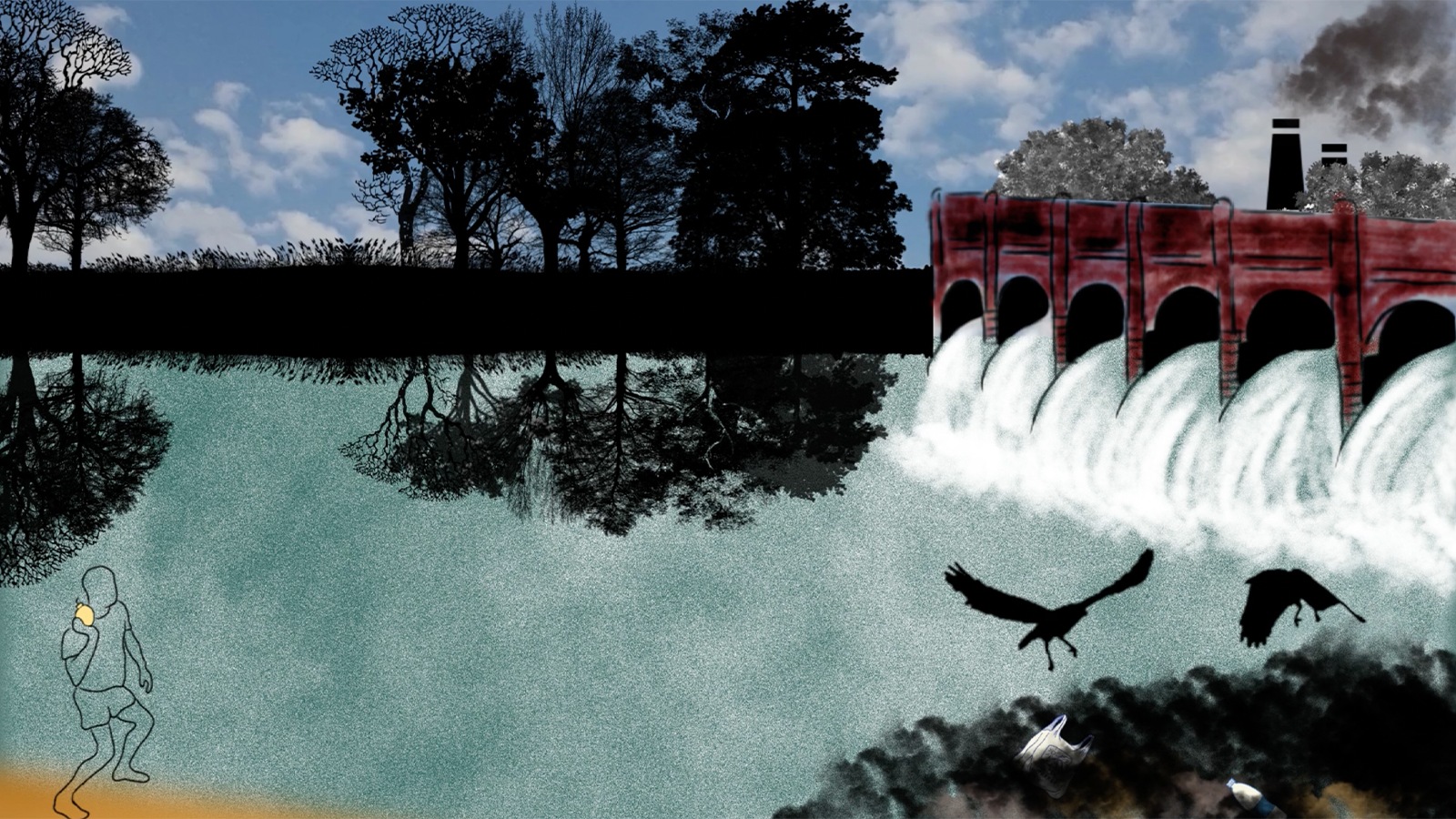
Illustration of damage to the Denison’s barb’s freshwater habitat in the Western Ghats, India.
Credit: Usha Ravindra

What can we do to help?

With your support, SHOAL and our partners Zoo Outreach, can help bring the Denison’s barb back from the brink.

We can raise awareness with the public and government officials in India
We can train staff in five airports to recognise the species and monitor the number of fishes leaving for export
We can protect the most crucial habitats, providing security, not just for the barb, but for the many other rare and threatened fishes that live in the area

Together we can make a difference.

Every single donation will help give the species a better shot at survival. Donate today at shoal.org.

This film has been created for our Save Denise’s Friends campaign, in support of the Denison’s barb. The campaign is part of SOS: Support Our SHOAL, an innovative approach to freshwater conservation led in partnership with the aquarium hobby and guidance from OATA and Practical Fishkeeping.

SOS: Support our SHOAL empowers individuals and businesses from the aquarist community who want to know how they can help ensure the futures of the species they love. We have loads of resources on our website for everyone from aquarium shops to hobbyists.

Let’s talk about the Table Mountain ghost frog (Critically Endangered)

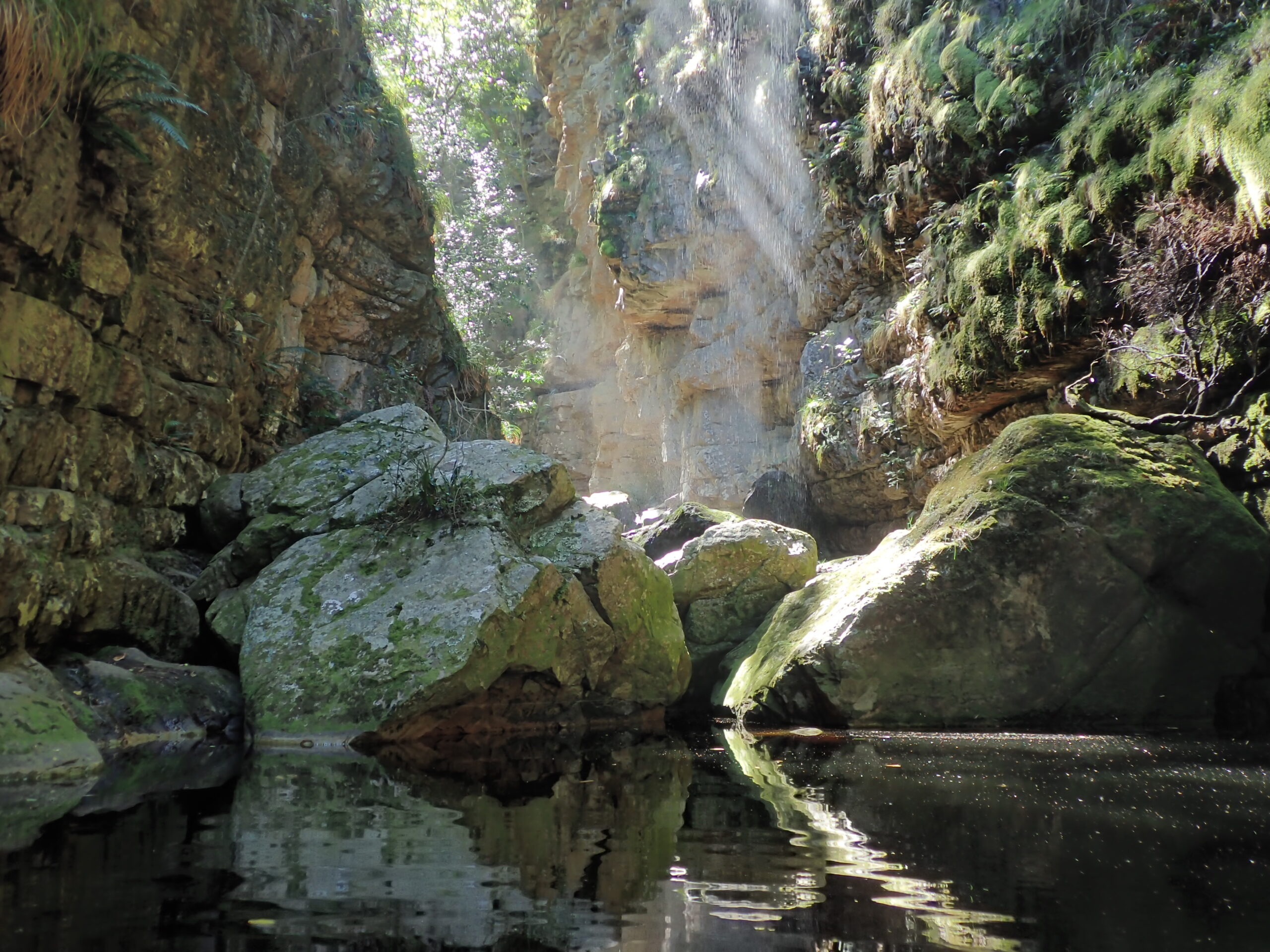
Photograph of the freshwater habitat of the adult Table Mountain ghost frog.
They may sound supernatural, but the ghost frog and the threats they face are very real.

Happy Halloween, let’s talk about the Table Mountain ghost frog

Ghosts in Skeleton Gorge? Sounds like the makings of a spine-chilling Halloween horror! But these ghosts aren’t see-through. They don’t float or say “boo!”. They don’t have unfinished business and they certainly don’t need busting. These are ghost frogs!

Photograph of the freshwater habitat of the adult Table Mountain ghost frog.
© Joshua Weeber

Meet the Table Mountain ghost frog

There are a few theories on how the Table Mountain ghost frog, also known as Rose’s ghost frog, got its name. Some attribute it to the equally spooky-sounding Skeleton Gorge, a steep and treacherous Table Mountain ravine where the species was first found. Others say it refers to the fact that the frog is so rare that the chances of spotting one are tiny.

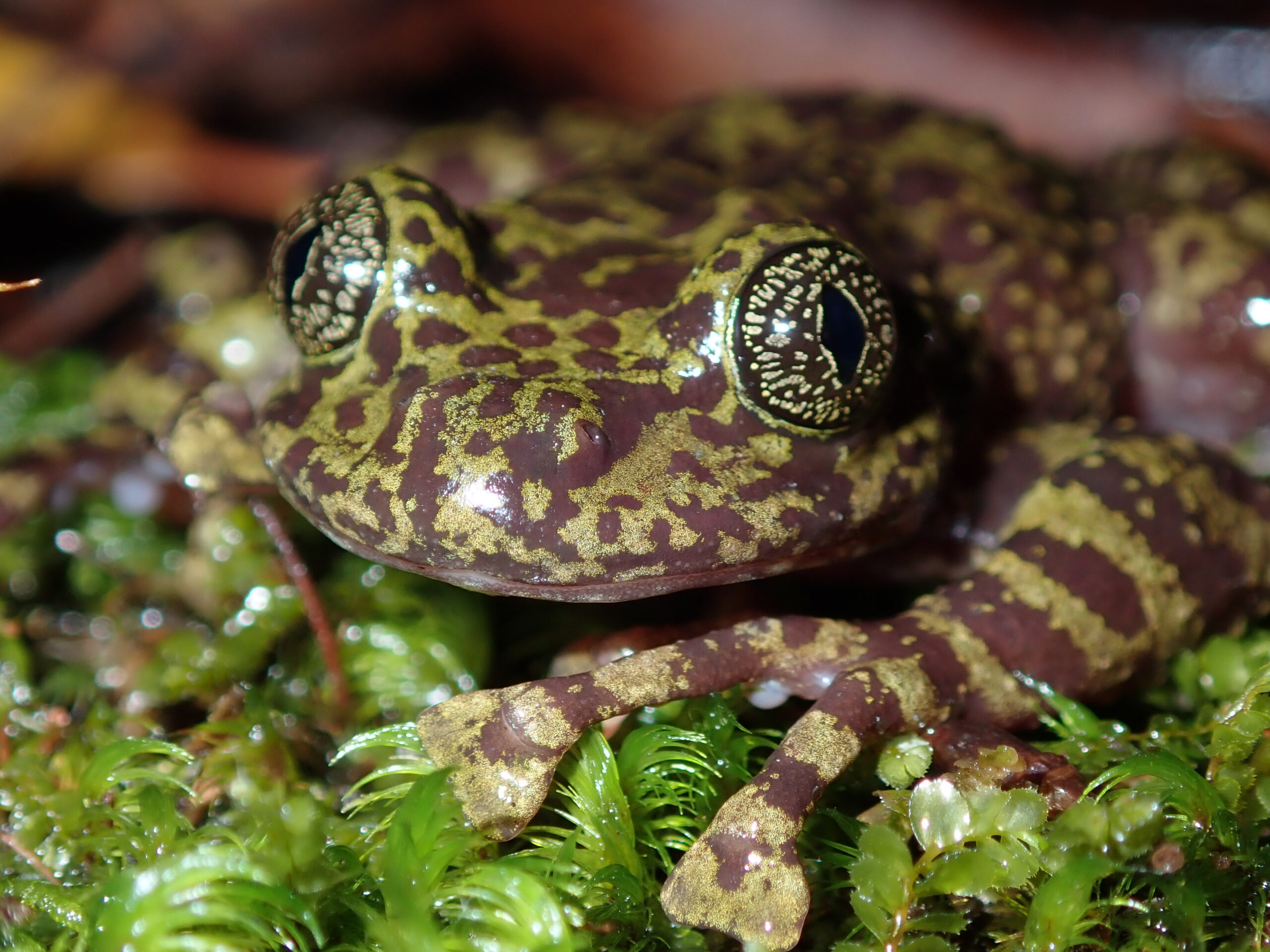
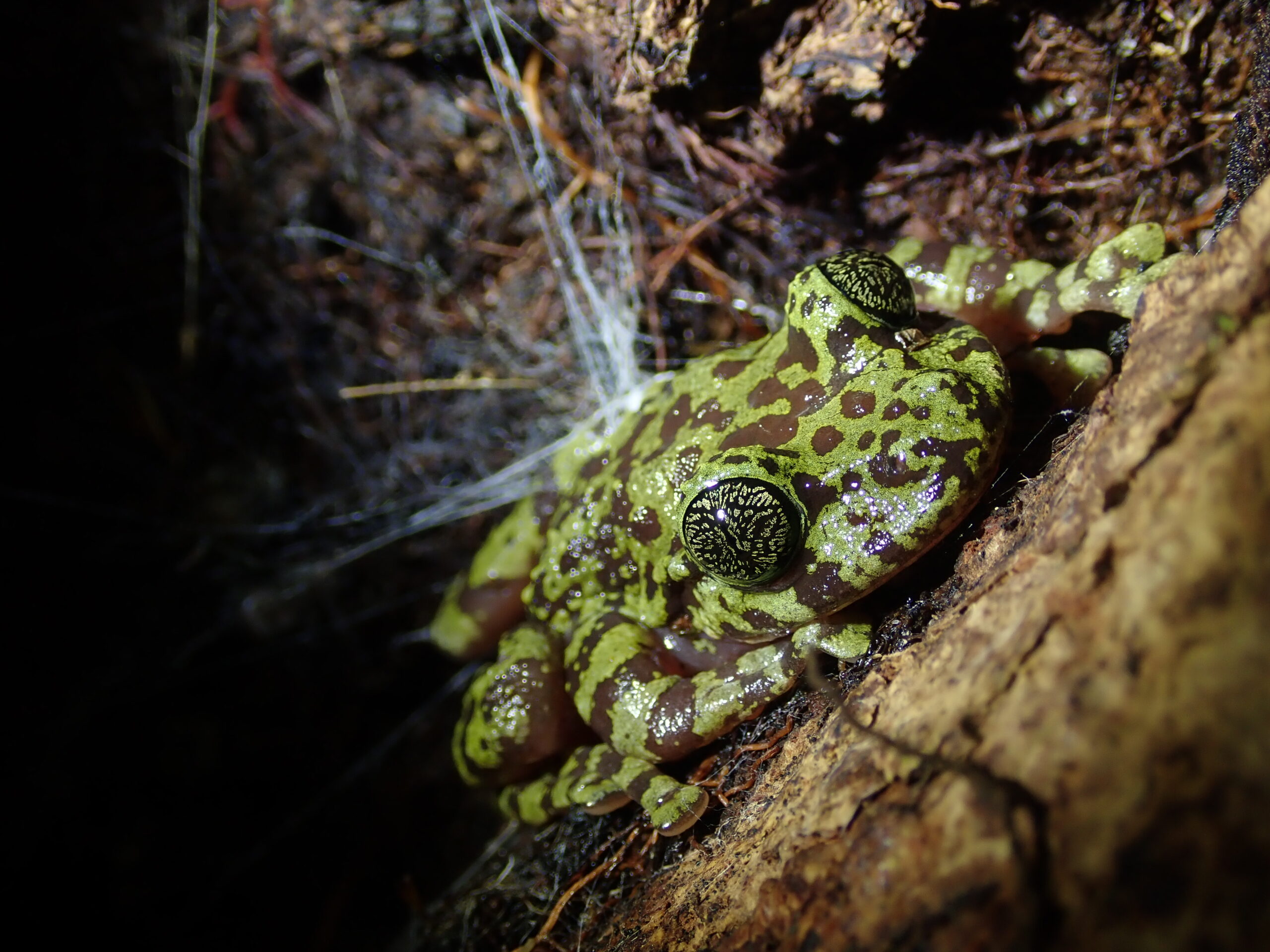
You can recognise the species by the striking purple and red blotches on their pale green skin. However their flat, compressible body means they can hide in the narrowest rock crevices.

Their range, or haunt 👻 if you will, is very small at just 16m2 on the southern and eastern slopes of Table Mountain in Cape Town. They have highly webbed feet with sucker-like disc pads on the toes. This makes them incredibly strong swimmers able to cling onto the most slippery surfaces, perfectly adapted to life in these mountain streams.

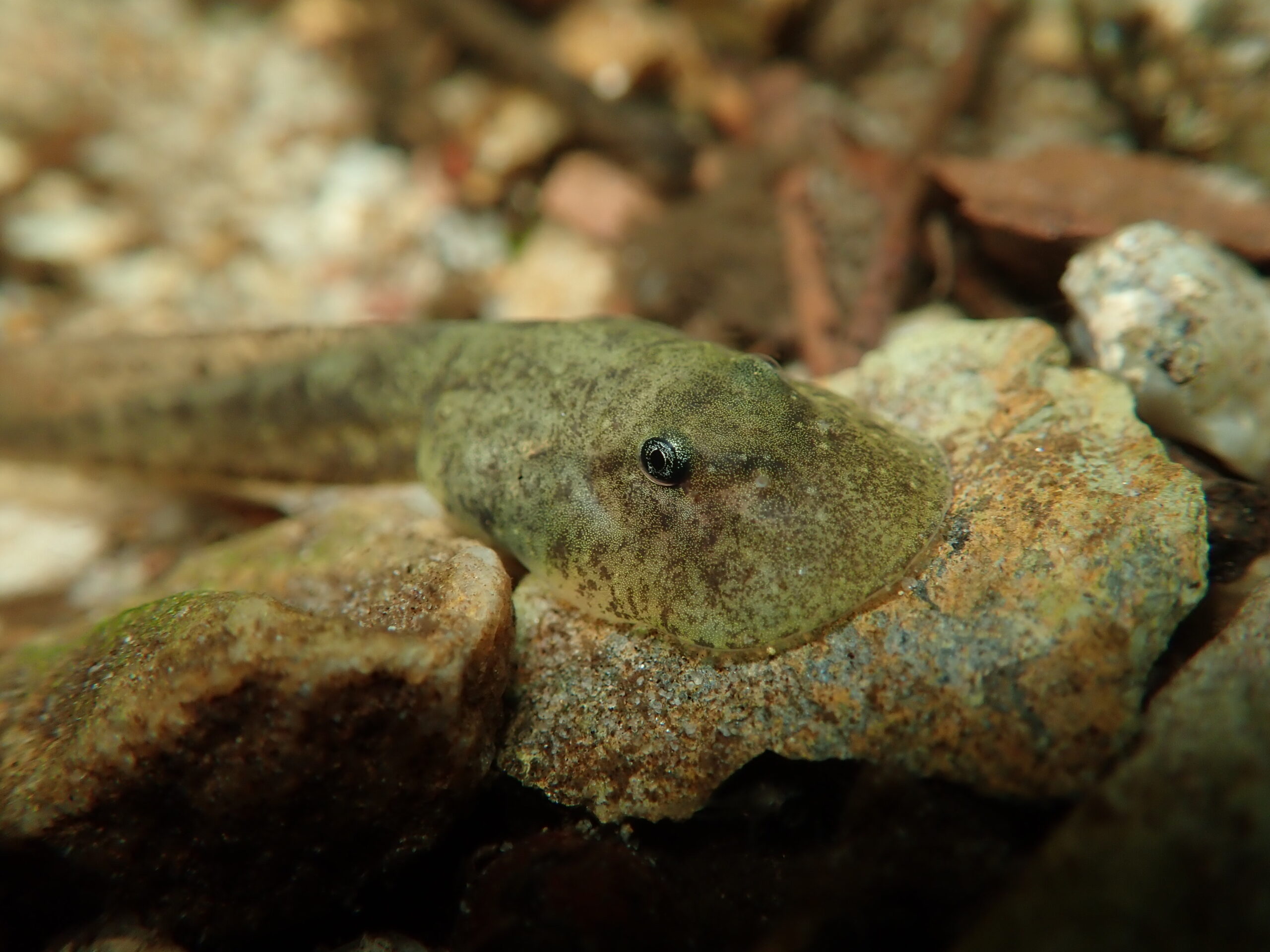
Even their tadpoles have unique sucker-like mouthparts, used to grip and climb wet rocks, as well as feed on delicious algae.

Photograph of juvenile Table Mountain ghost frog tadpole in its freshwater habitat.
© Joshua Weeber

A scary situation

The Table Mountain ghost frog is one of the 50 landmark species at high risk of extinction identified in SHOAL’s Fantastic Freshwater* report. The report published on 19th May 2022 (International Day for Biodiversity). Fantastic Freshwater highlights the diversity and beauty of freshwater species and the immense threats they face to their survival.

The small range of the Table Mountain ghost frog means it is especially vulnerable to disease and invasive species. As well as this, it’s completely dependent on the rocky streams of Table Mountain for survival. Reports suggest approximately 20% of the habitat has been lost over the past 30 years.

The species habitat is threatened by:

  • The presence of dams and water storage reservoirs: The Table Mountain ghost frog is an example of a species trying to survive close to a very large city, with the demands the human population places on the freshwater resource.
  • High volume of visitors: Table Mountain is a popular escape from the bustling metropolis of Cape Town, with human activity a significant cause of soil erosion in the habitat. Boardwalk construction would reduce bank erosion.
  • Alien vegetation: conservation action must include removing alien invasive plant species

The Table Mountain Ghost Frog Action Group formed to investigate the health of the habitat, review threats and establish a plan for conservation, with special emphasis on the Critically Endangered species which relies on the environment for survival.

Photograph of adult Table Mountain ghost frog in its freshwater habitat.
© Joshua Weeber

The scary reality is that without action, the Table Mountain ghost frog is at high risk of extinction.

If you want to support the work SHOAL are doing to conserve freshwater species through action-driven conservation donate here. Don’t forget to subscribe to our newsletter The Stream to get all the latest freshwater news straight to your inbox

*The Fantastic Freshwater: 50 landmark species for conservation report is led by SHOAL, the IUCN Species Survival Commission (SSC), the IUCN SSC Freshwater Conservation Committee, and the Global Center for Species Survival at the Indianapolis Zoo.