Aquarists and Conservation

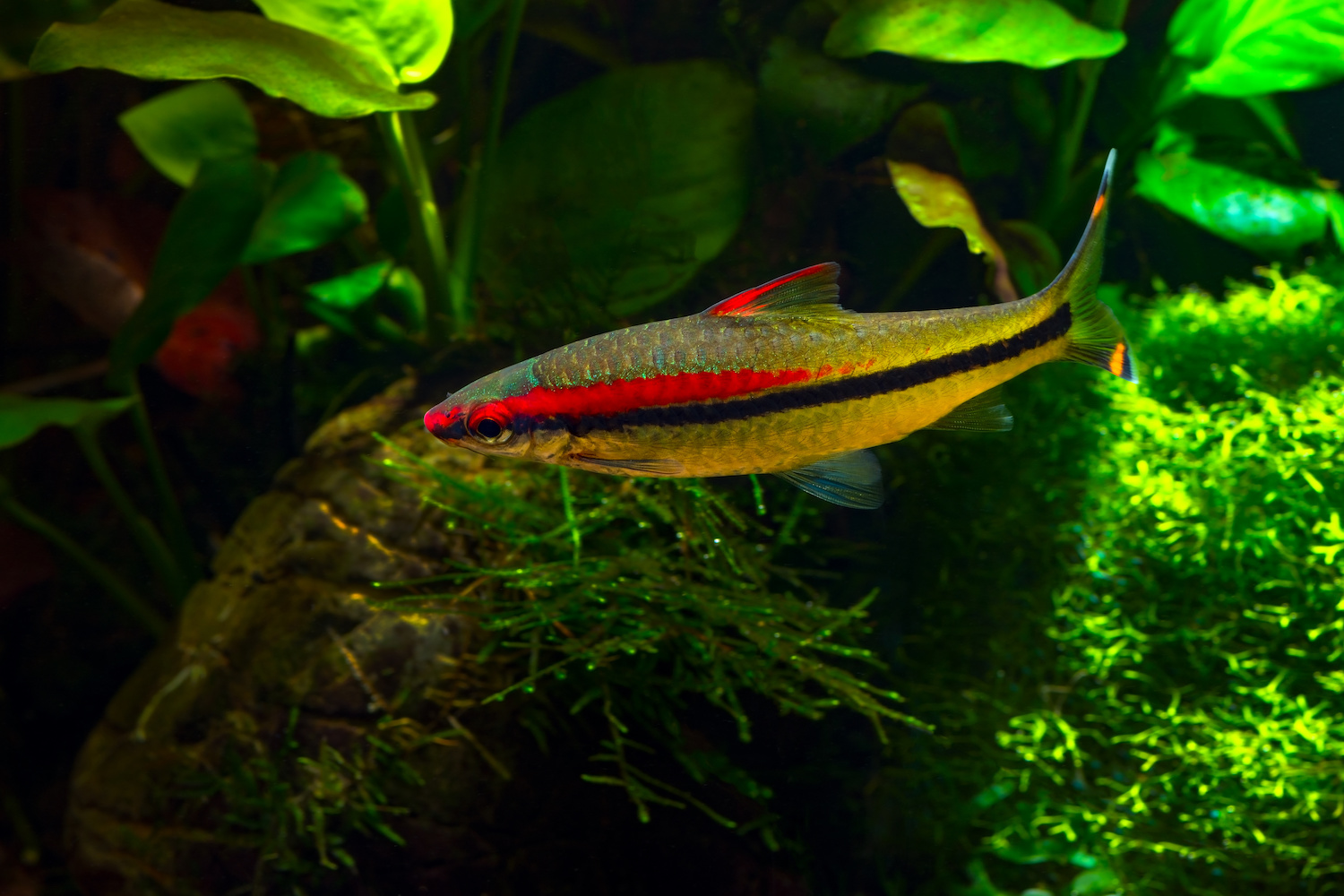
Tropical freshwater fish Denison’s Barbs (Puntius denisonii) in planted tropical aquarium

by Andy Patel

As hobbyists it can be hard to see what we can do to help freshwater fish conservation. A number of Associations and Societies already do help to fund Conservation Projects, undertake work with Public Aquaria and even participate in actual Field Projects. But how effective are these efforts and can we improve things? Shoal aims to help us do just that.

Why conserve freshwater fish species?

We rely on the availability of freshwater fish species to maintain and develop our interest in our aquariums. Many of us seek out new and interesting species so that we can take on a new challenge, further our knowledge and gain a better understanding about a particular type or group of fish. But even those of us who are happy to just keep the readily available farmed species need to support conservation of wild stocks. Captive-bred fish can and do steadily decline in vigour through inbreeding, poor culturing practices and the inevitable changes in behaviour due to limited environmental enrichment. Without rejuvenating breeding stock and maintaining genetic diversity captive bred fish become more susceptible to disease and parasites. Farmers know the benefits of maintaining rare breeds and seed banks so that the ability to adapt to changing environmental conditions is not lost. Wild fish are our equivalent and making sure that as many species are conserved as practicable is in our own long-term interest

What are threats to freshwater fish?

There are a number of issues that can affect the survival of fish species. Habitat destruction/disruption can remove vital areas such as spawning grounds, migratory routes and feeding areas. Projects that seek to minimise disruption such as building refuge areas, fishways, even temporary relocation or captive maintenance can help. Pollution from agricultural runoff, untreated waste water and dumping can release toxins that kill species directly, or indirectly. Campaigns to persuade governments to regulate human activities and raise awareness amongst local people can help sustainability both of freshwater habitats and the fi sh that rely on them. Climate change can be of particular significance to fish with restricted habitats, often small species that hobbyists value. Killifish and Anabantoids are just two of many such groups. Lack of knowledge is also a threat. How do we conserve species if we do not know they exist? Hundreds of species are still being discovered, many by hobbyists and the trade that supplies us. Often, they are undescribed by science for a considerable period of time. Invasive species deliberately introduced or escaping from captive environments can outcompete native species. Non-native cichlids and livebearers can be found in almost all tropical and sub-tropical countries. Their reproductive rate often puts them at a competitive advantage over other species. It can seem that the task of conserving fish is too challenging and acting in isolation it possibly is.

How can Shoal help us?

Shoal is bringing together a large number of interested parties to form a partnership, a coalition of all those who are interested in conserving fish. As hobbyists we can work in co-operation with scientists, conservation groups, trade bodies, public aquaria, anglers, non-governmental organisations, local people and more. Together we can achieve more by targeting the projects with the most beneficial outcomes. Small projects and large all have a place, but co-ordination is vital if we are to be effective. By drawing on all sectors to work in partnership Shoal will have the knowledge, understanding and expertise to raise awareness of the serious plight of many freshwater species. Furthermore, it can campaign, raise funds and directly support projects that include the interests of hobbyists.

How can we help Shoal?

Quite simple really, start thinking about freshwater fish conservation in all its forms. Where do my fish come from? Are they ethically and sustainably sourced and do I contribute to better conservation of freshwater fish? Do I think about the local fish populations near my home and how they are affected? Could I do more and how? That is where Shoal can help. As an umbrella organisation it can channel individual concerns and contributions to where they can help most. Freshwater fish share the same bodies of water that humans rely on for irrigation, food source, transportation, leisure and drinking. It makes sense that by contributing to freshwater fish conservation we help not only the fish we love but ourselves as well.

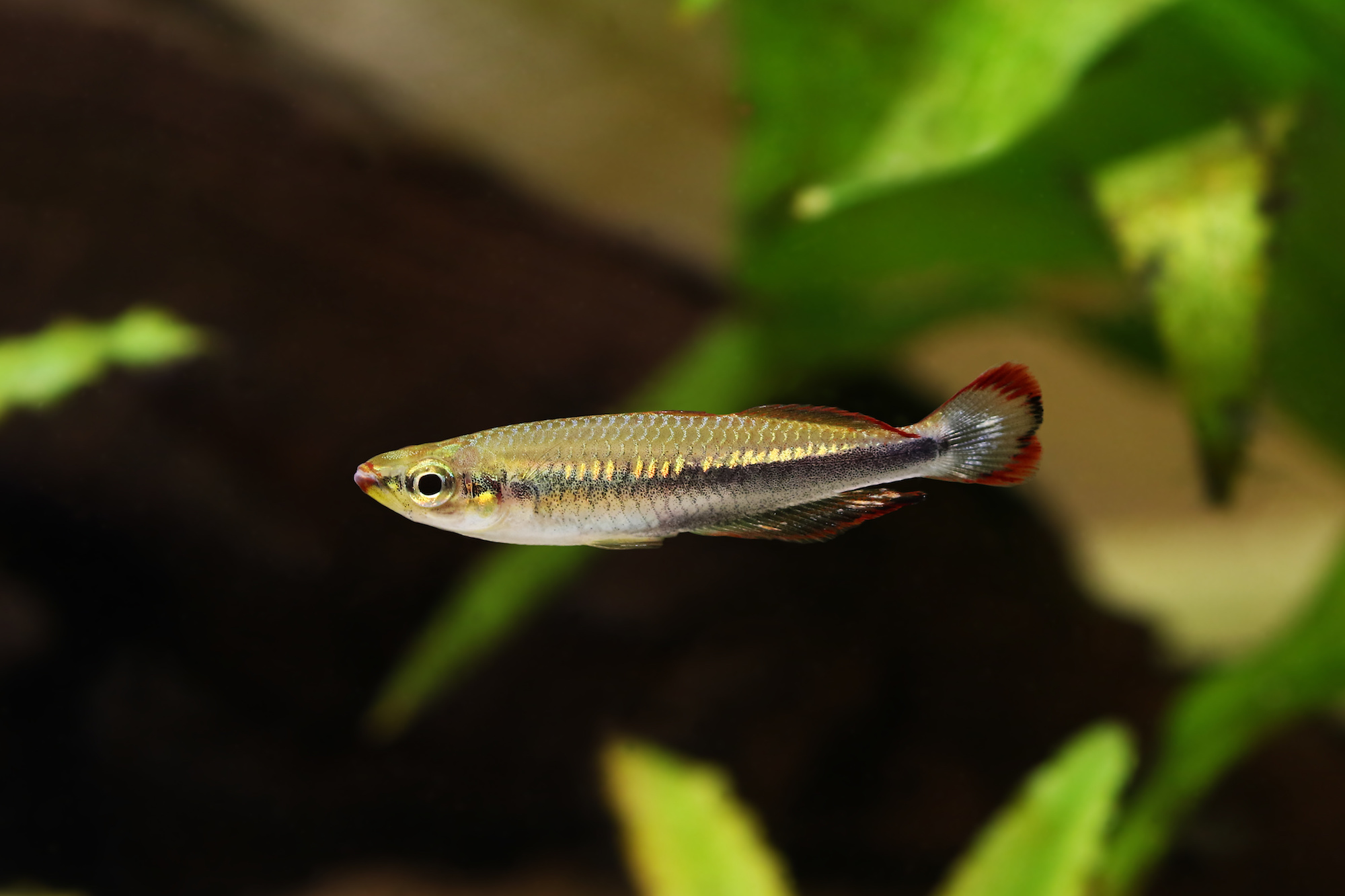
Madagascar rainbowfish Bedotia madagascariensis Madagascan Aquarium Fish

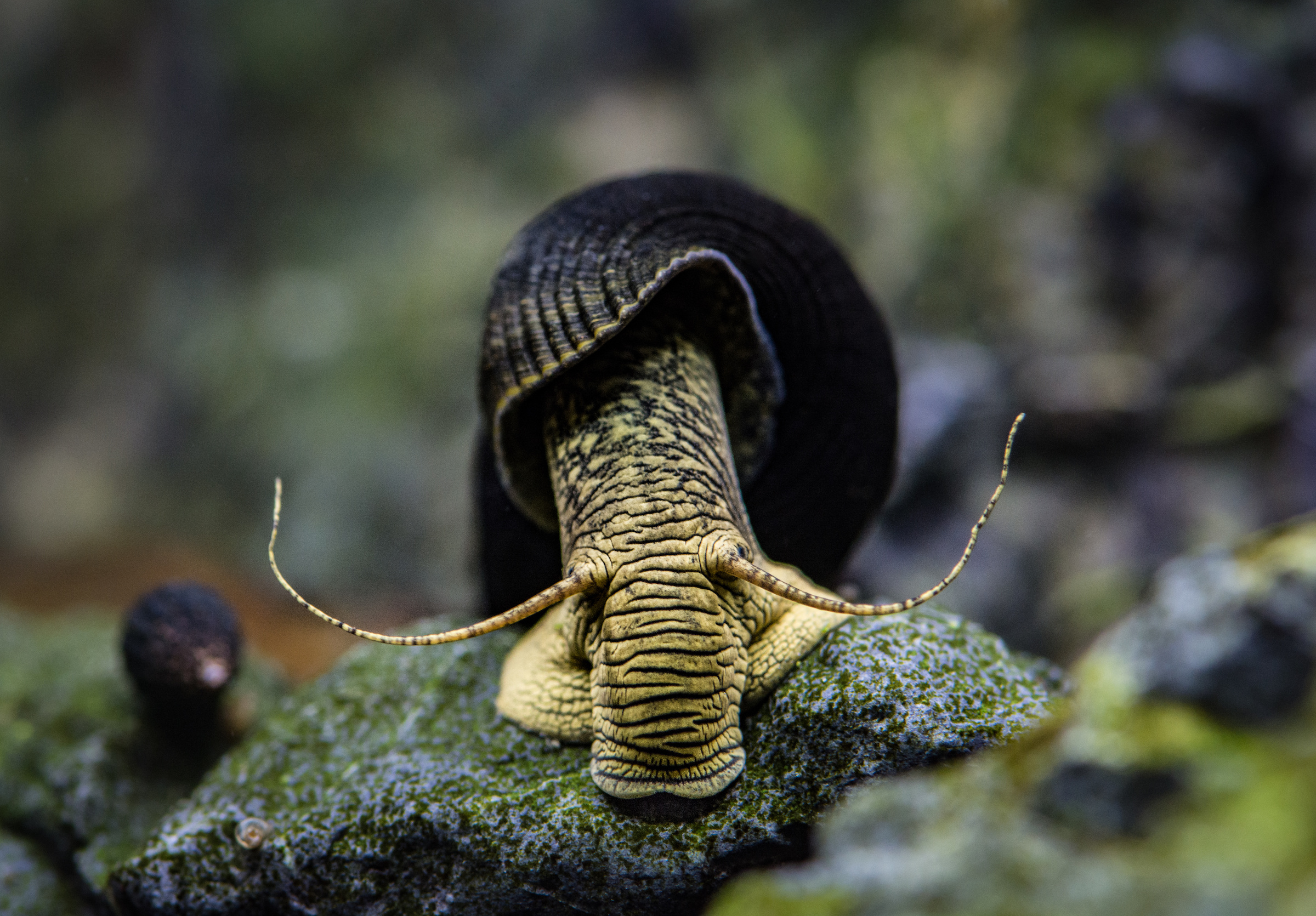
Tylomelania sp yellow, sulawesi snail

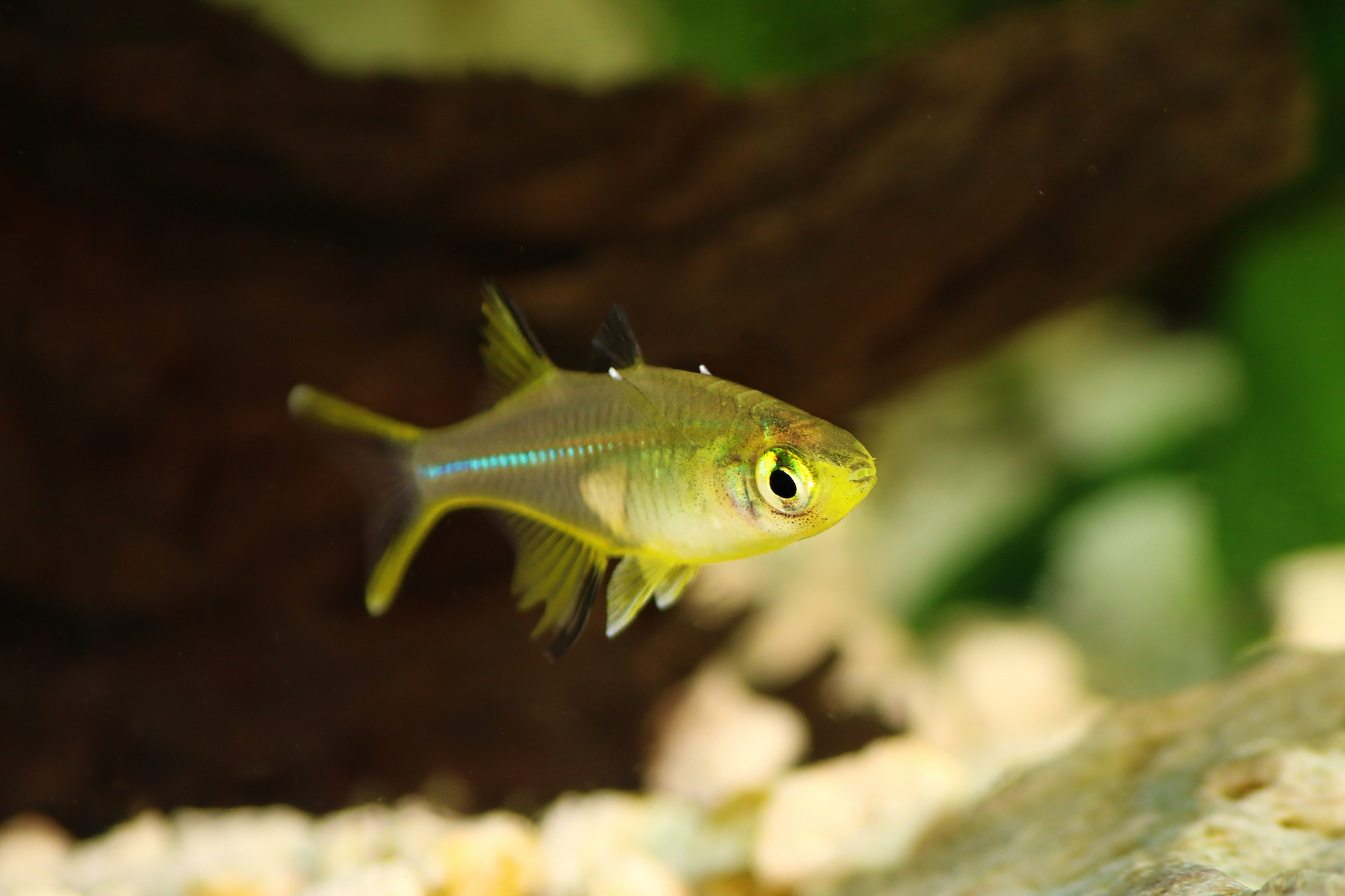
Celebes Rainbow Fish Marosatherina ladigesi rainbowfish


An interview with Mike Baltzer, Director of Shoal

Celebes Rainbow Fish Marosatherina ladigesi rainbowfish

So Mike, in a nutshell, what is Shoal?

MB: Shoal has been created as an initiative to save the world’s most threatened freshwater biodiversity. There is a crisis underway for the world’s wetlands that has been ongoing for many years, but largely unrecognised by the wider public. Since 1970, according to the WWF Living Planet Report, there has been an 84% decline in wetland biodiversity and one in three freshwater species are under threat of extinction. We need to respond to this crisis and through Shoal we plan to engage as many people as possible in this effort.

On a personal level, why focus on freshwater fish after working for so long on tiger conservation?

MB: I became aware of the crisis for freshwater fishes many years ago when we were prioritising conservation efforts in the Mekong region and later when I worked on the Danube. It was while I was working on tigers that I had the idea that we might be able to tackle the crisis for fish by engaging precisely those people who already have a strong interest in fish and wetland biodiversity. It seemed to me that while there was lack of funding and a huge gap in conservation effort for fish, there was a very large community already hugely passionate about fish such as aquarium hobbyists, anglers, public aquaria and zoos, inland fisheries and all the businesses associated with these activities. Yet there seemed to be little concerted effort to harness this passion to conserve freshwater species and diversity.

Tigers are incredible animals and they face severe challenges. However, their charisma and iconic status garners them a great deal of attention and effort. I really wanted to use my experience to focus on a fundamental challenge for biodiversity conservation,  those neglected freshwater ecosystems, full of incredibly beautiful, fascinating and diverse species that so desperately need our help. Every day, it is a true to delight to discover more and more about the wonders of freshwater species.

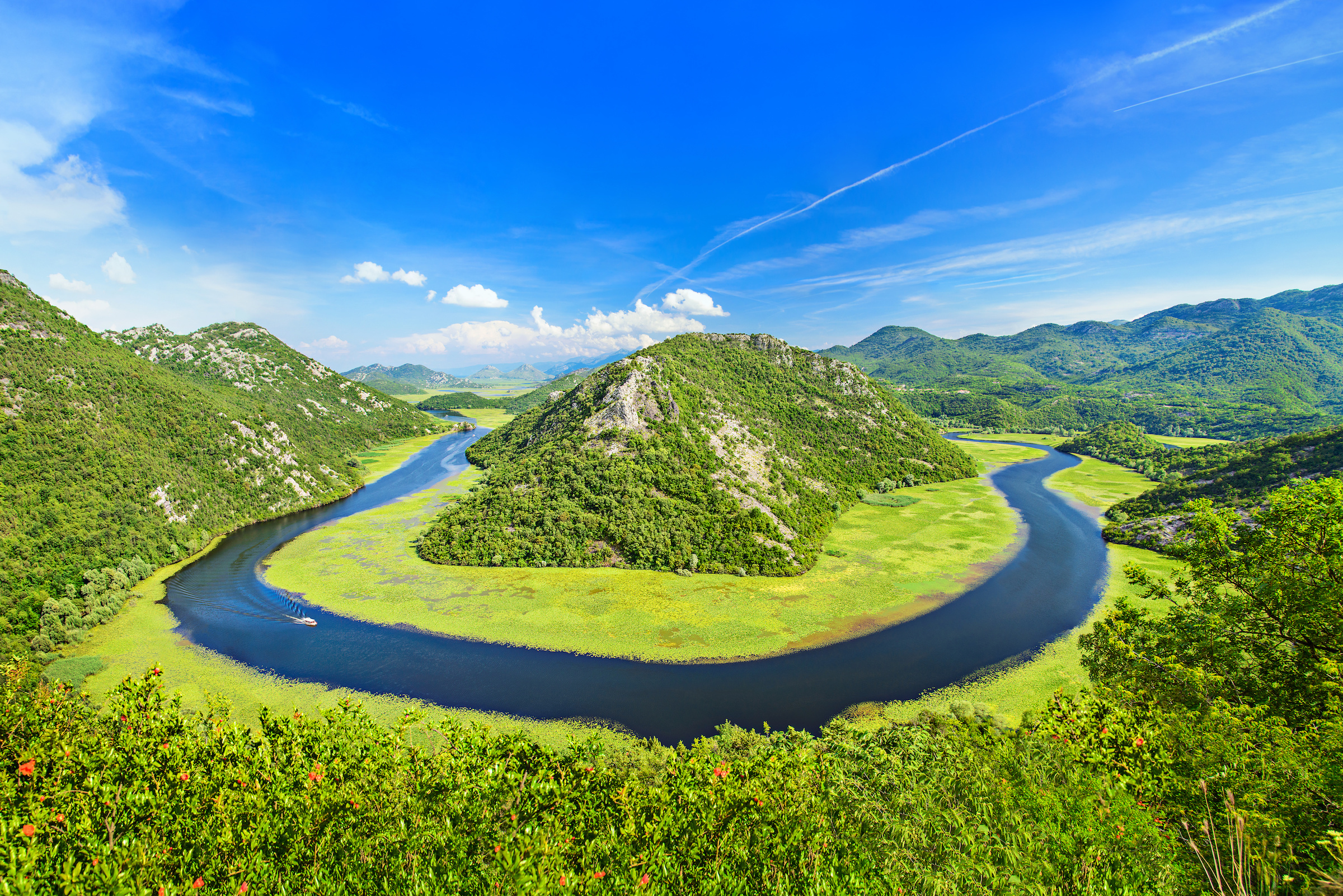
Canyon of Rijeka Crnojevica river in Skadar Lake National Park. One of the most famous views of Montenegro. The Green Pyramid and the bend of the river between mountains.

You say that Shoal focuses on freshwater biodiversity but mainly talk about fish? Which is it?

MB: Shoal was set up to tackle the freshwater species crisis. However, the entry point for most people and businesses are fish. So, while we wouldn’t normally consider most fish as flagship species, for many they certainly are. Also people like Jeremy Wade, who has kindly offered to speak at our launch on March 1, have done a great deal to popularise fish to a very wide audience. Furthermore, often where there are threatened species of fish, there are other threatened species. When you protect and restore the fish habitat, you are providing the conditions for survival for many other species. However, as Shoal develops, we will certainly have a specific focus on many species other than fish. For example, we already have one project concept to look at the conservation status of a group of plants called cryptocorynes: these are popular aquarium plants, but they may be going extinct due to over collection and habitat destruction.

Can you describe the relationship between Shoal and Synchronicity Earth?

MB: When we first began conceptualising Shoal, a number of the experts recommended that we contact the freshwater team at Synchronicity Earth (SE) as they were aware that their focus was on helping neglected and overlooked species. In preliminary meetings with scoping partners, we decided that to set Shoal off we would need a home in an existing organisation, and we were pleased that SE agreed to make it one of their programmes and to host the initiative and partnership. SE is committed to supporting initiatives that leverage a greater impact for threatened species such as amphibians and now they are doing that for other freshwater species via Shoal. The team at SE is an invaluable platform from which to develop Shoal.

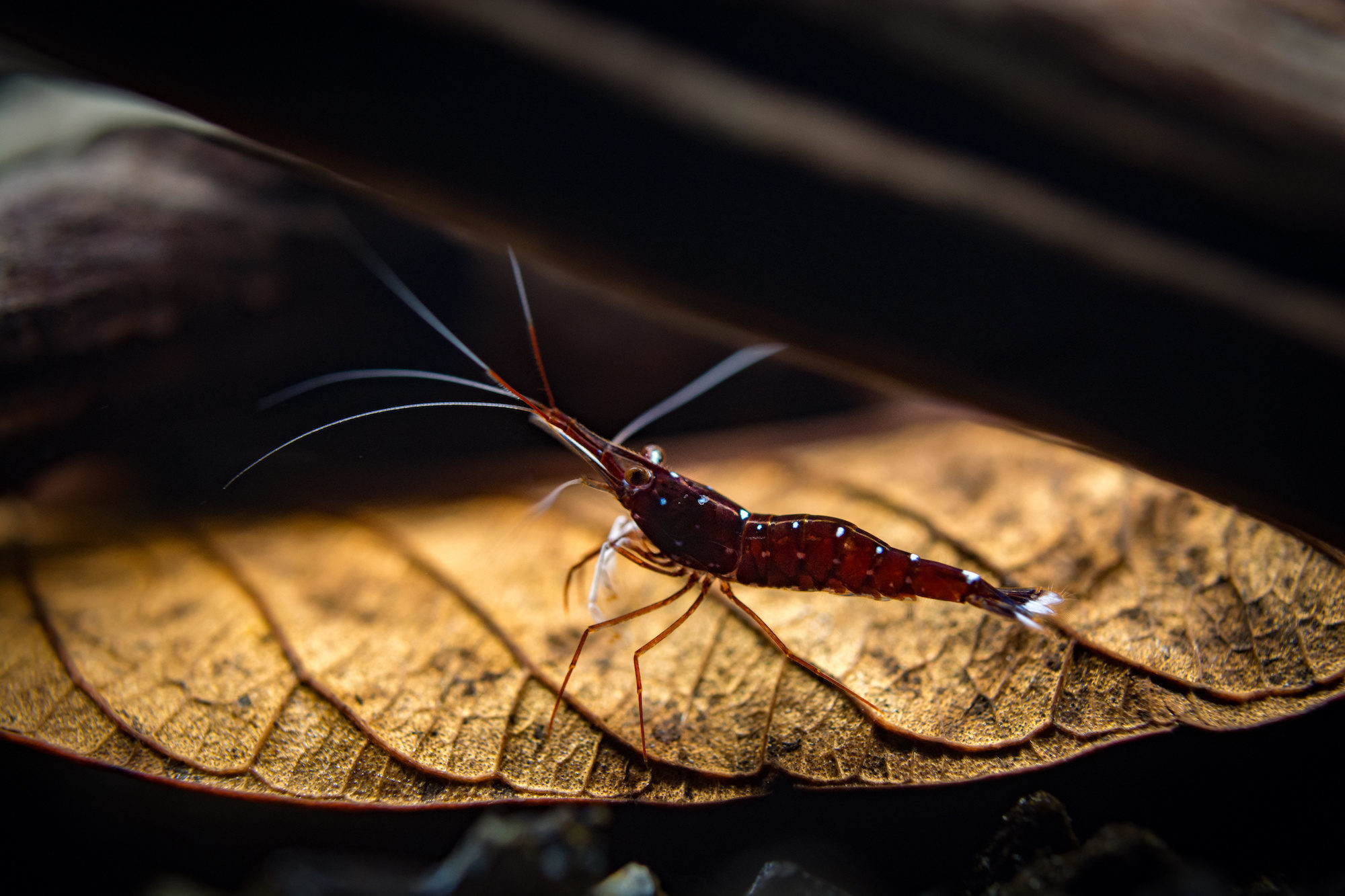
Sulawesi shrimp
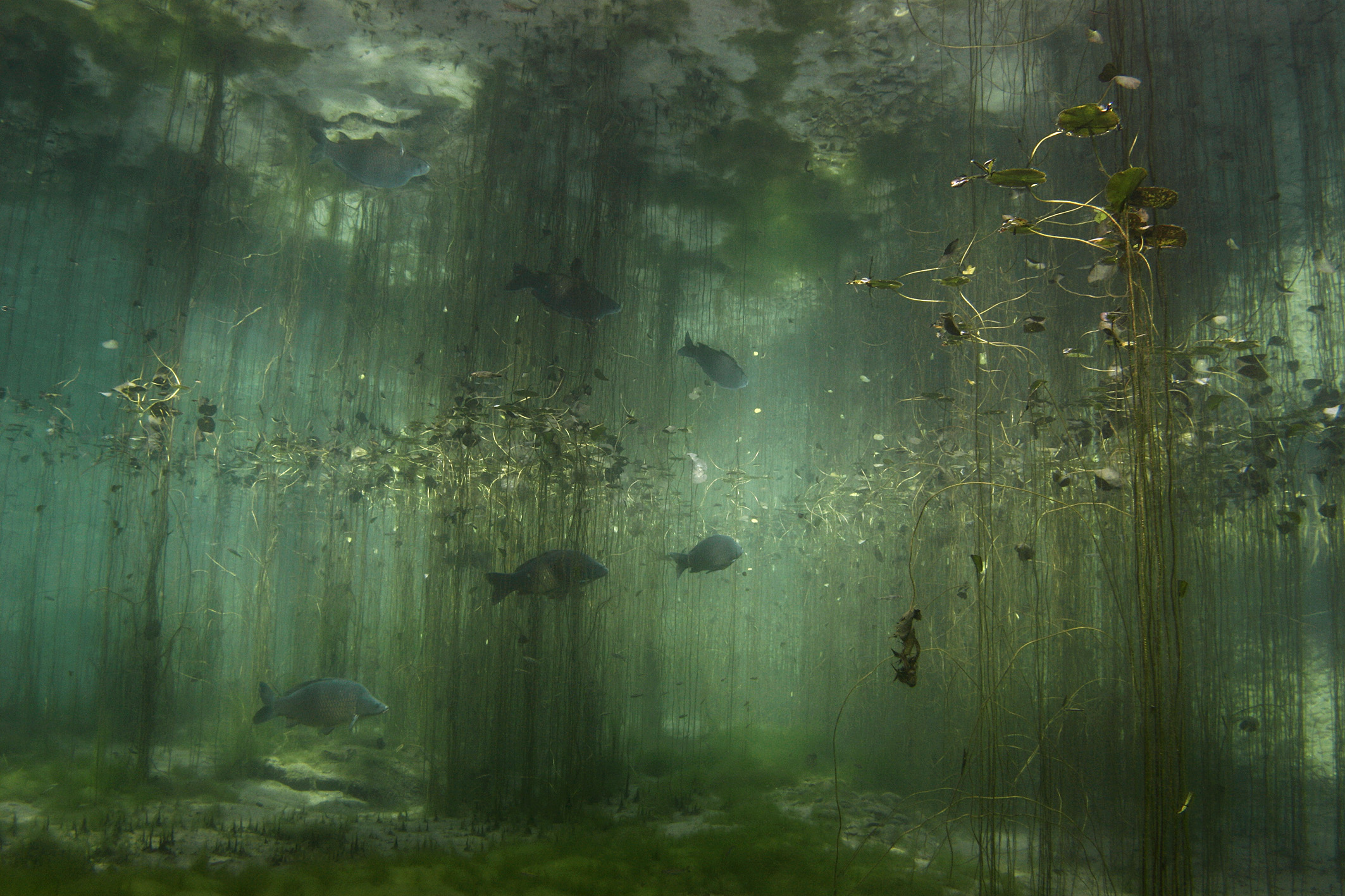
Carp, Oxbow of the Aare River, Switzerland (c) Michel Roggo

It is refreshing to hear about a partnership approach. Who are the partners?

MB: The partnership is the essence of Shoal – in fact, it is the Shoal! While we start with the usual conservation partners such as IUCN and WWF, and know that their participation and support is vital, the partners that will really make a difference, particularly in the long run, are those that are already invested in fish. These are the anglers, aquaria and fishing hobbies and businesses. The conservation world and the hobbyist world have largely been separated, sometimes in conflict. Shoal aims to provide a platform for these two to work together. There are already a few examples of this happening, but to make a difference we need to broaden and deepen these partnerships.

One set of important partners are our local partners, who undertake the direct conservation work. These are very often small, community-led organisations that volunteer their time to saving these species but have very limited resources to be effective and to sustain their activities. Our job at Shoal is to help them find the funding and support their training where necessary.

It is great to hear that Shoal is providing a platform for anglers and aquarists to engage. In practical terms, what can they do to help?

MB: First and foremost, we all need to learn more about the issues. Anglers and aquarists already know a great deal about the status of the species that they are interested in and often about the habitat in the wild where these species survive. But we need to share that information more widely. Secondly, it is important to learn about the best way to fish and source the fish for their aquaria. There is plenty of guidance already on this available and we have some pointers to this on our website. Thirdly, they can get engaged in conservation activities either through their local associations or through existing conservation schemes. There are plenty out there. Finally, while conservation starts in the back garden, most of the highest priorities for conservation, and those which receive the least support, are found outside Europe and North America. To help these species, they can donate to the projects that we are raising funds for on the other side of the world. Anglers and aquarists can learn about these projects and support our partners to make the difference. We are also looking at improving ways that anglers and aquarists can actively participate in species recovery projects, for example, by helping zoos to breed populations of rare species.

What will Shoal do?

MB: Well, we are just getting started. It will take some time for us to build up the partners and relationships with supporters before we can really make the impact we desire and which is so urgently needed. The sooner we can fast-track it the better, but we will need some patience. Shoal’s principal objective is to catalyse action on the ground for the most threatened species. This requires funding and a much higher level of capacity to implement. We believe that the secret lies in strong, local organisations whether it is communities or local government or organisations set up for nature conservation. We do have some projects that we are now scoping and people can learn about and directly support those. You can find these on our website.

And where do you see Shoal, say in 5-10 years?

MB: We plan to have a global network of supporters that can be active in freshwater species conservation and one by one we can begin to ensure that each threatened fish species is the focus of conservation action.

Do you have one last message?

MB: My main message is, if you are interested in and care about freshwater habitats and all the amazing species they are home to, please help us to spread the word and please get in touch. Shoal is a partnership where the stronger we swim together the better we can help fish and other freshwater species.

Sinking sharks and freshwater pandas

U19-530 (K07)

Cristall clear strem with Yacare caiman (Caiman yacare), Pantanal, Brazil Klarwasserfluss mit Brillenkaiman (Caiman yacare), Pantanal, Brasilien Ricire ˆ lÕeau claire avec Caiman jacarŽ (Caiman yacare), Pantanal, BrŽsil November 2012 Photographed for The Freshwater Project

Freshwater megafauna: flagships for freshwater conservation?

by Merlin Veron, Conservation Research Analyst at Synchronicity Earth

Megafauna, sharks, and freshwater may not be three words which many would immediately associate with one another. Sharks belong in the Ocean (right?), and when people think about Earth’s larger animals they usually think of the tiger burning bright in Asia’s forests, or of great herds of wildebeest sweeping across the African savannah rather than rivers or lakes. But freshwater environments also hold an astounding array of large vertebrate species, 207 in total, including 5 shark species which have, quite remarkably, adapted to survive in freshwater habitats.

In a new paper published in Biodiversity Research, He et al., research the status of large freshwater species and uncover that this under-researched group are at a disproportionately high risk of extinction. This charismatic group, which also includes species such as the Amazonian Manatee, the Irrawaddy River Dolphin, and the Beluga (European Sturgeon) are flagships whose effective conservation could help to conserve thousands of other freshwater species, but their plight is indicative of the challenges facing the world’s freshwater ecosystems. Where sufficient data is available, He et al., find that 71% of large freshwater species are in decline. They also show that the threats to freshwater species are increasing: since the early 1990s human pressure has increased throughout 63% of the global ranges of freshwater megafauna.

Within this category of ‘freshwater megafauna’, one group epitomises the challenges faced by freshwater species; river sharks. Of the more than 400 known species of shark, almost all of them reside near permanently in salt water, with the Bull Shark (Carcharhinus leucas) most famed for its forays into estuaries and up rivers. However, whilst the Bull Shark has evolved to restrict the removal of salt from its bloodstream to allow it to traverse inland for significant periods of time, it is not a ‘true’ freshwater shark. Instead that title belongs to five species of the Glyphis genus, an unknown, endangered and enigmatic group which encapsulate the mystery and intrigue which makes the natural world so fascinating.

‘True’ freshwater sharks all belong to one genus or group (Glyphis) of 5 known species which have adapted to inhabit river systems. River sharks are evolutionarily distinct from their ocean dwelling cousins, showcasing a number of key adaptations which allow them to respire, navigate and hunt in the desalinated and murky waters they call home. Most shark’s species adapted to saline environments would overhydrate in freshwater, with water flowing into their cells through osmosis causing intoxication as key electrolytes are flushed out of their bodies. We don’t actually know the exact mechanism through which Glyphis sharks are able to do adapt to freshwater environments, whether like freshwater rays they have smaller rectal glands for secreting salt, or whether they have an altogether different adaptation which allows them to tolerate freshwater and, as recent research suggests, potentially also salt-water conditions.

Given the low visibility associated with freshwater ecosystems, for most Glyphis species the primary sense relied upon to catch prey is not sight, and as such they have also evolved to have small eyes. Instead they have a particularly large concentration of special organs called ampullae of Lorenzini on their wide snouts which allow them to sense the location of their prey using electro-magnetic fields (Swancer 2014). These species are also equipped with small, spear-shaped teeth on the lower jaw which differ from those of salt water species, suggesting that Glyphis sharks rely exclusively on a fish-based diet. However, the extent to which I can actually write about the adaptations of river sharks and their environment here is really constrained by the fact that quite simply so little is known about them, about their taxonomy, their ecology, their diet – they remain, even for experts, an elusive enigma.

The five described species of freshwater shark all inhabit rivers in South and Southeast Asia and Oceania. The two best studied species are the Northern River Shark (Glyphis garricki) and the Speartooth Shark (Glyphis glyphis), both of which are known to occur in Northern Australia and Papua New Guinea. If you watch the show ‘River Monsters’, you might have some familiarity with the Northern River Shark, which caused amazement amongst the team when Jeremy Wade foul-hooked one on the Fitzroy river, Australia. Their surprise spoke volumes about the plight of the Glyphis genus, in fact, there isn’t a single river shark species which can be described as anything other than endangered or critically endangered, and in some cases having enough data to even make an assessment is problematic (this is generally a bad sign!). Glyphis garricki and Glyphis glyphis are both thought to be amphidromous, meaning that they can inhabit both fresh and salt water. For example, the speartooth shark has been recorded in salinities ranging from 0.8 to 28ppm (0 pure freshwater, 35 full strength sea water) (Commonwealth of Australia 2015), and this fits the theory of Li et al., (2015) that these sharks are euryhaline; i.e. they can adapt to survive in a wide range of salinities.

However, a third member of the Glyphis genus, the Ganges River Shark (Glyphis gangenticus) has not yet been recorded in saline waters, and observations at least suggest it remains in freshwater during various life stages. In fact, the latest record of this species in 2001 was from a specimen 84km upstream on the Hooghly River, India. Whilst there is some speculation about movement of this species between populations in the Ganges, Hooghly and Indus rivers, the honest answer is we just don’t know whether this species leaves the rivers where it has, to date, been so sparsely recorded. In fact, from 1867 to 1996 the Ganges River Shark went unrecorded before its miraculous reappearance (Compagnno 2007). For this reason, there is still hope that a fourth suggested species, the Irrawaddy River Shark (Glyphis siamensis) may still be rediscovered. This species is known from only one specimen discovered in 1896 in the Irrawaddy River near Yangon in Myanmar, and whilst in recent years a number of researchers have set off to rediscover this species, inebriated with a sense of exploration increasingly rare on this planet, none have yet been successful.

The final described species Glyphis fowlerae, is one which has however been recently discovered/confirmed (see Compagno et al., 2010). The Bornean River Shark is the smallest of the described species, measuring just 78cm and specimens have been collected from the Kinabatangan, Mukah and Sampit rivers. Li et al., (2015) suggest that these records across Malaysia and Indonesia could in fact be from different species, however once again the data simply isn’t there to confirm or deny such a hypothesis. Indeed, we’ll likely only learn more about these species if we can successfully conserve them, and allow recovery of their populations, but this means that the first steps towards these species’ proper conservation must be a bit tentative. However, in reality the main threats to these species are likely to coincide with those which have driven an 81% decline in freshwater biodiversity since 1970 (Living Planet Index 2016). In particular, threats to the five species across their range include changes to river regimes from dams and barrages (see Compagno 1997), unregulated fishing of these species whether caught intentionally or unintentionally in gillnets, demand for fins and shark jaws in domestic and international markets, habitat degradation from pollution, changes to watershed management (IUCN Red List 2017), and finally opportunistic killings perhaps motivated by the fear instilled by the famous pointed fin as it breaks the water’s surface.

In fact given their long gestation periods, delayed maturity, slow growth, and status as an apex predator ranging over large areas, freshwater sharks are actually probably some of the most sensitive species to human pressures, acting as sentinels warning us of the damages associated with the changes the world’s river systems are currently experiencing. He et al., show the plight of freshwater species, it is a clarion call for us to do more to protect our rivers and the remarkable array of species, big and small, which call them home. The message is clear: water is life, but rivers are dying.

References:

Commonwealth of Australia, 2015, Sawfish and River Sharks, Multi-species Issues Papers, Accessed 05.04.17, https://www.environment.gov.au/system/files/resources/062794ac-ef99-4fc8-8c18-6c3cd5f6fca2/files/sawfish-river-sharks-multispecies-issues-paper.pdf

Compagno L.J.V, 1997, Review of the Biodiveristy of Sharks and Chimaeras in the South China Sea and Adjacent Areas, in, eds; Fowler S.L, Reed T.M, Dipper F.A, Elasmobranch Biodiversity, Conservation and Management, Proceedings of the International Seminar and Workshop, Sabah, Malaysia, July 1997, Occasional Paper of the IUCN Species Survival Commission No.25
Compagno L.J.V, 2007, Glyphis Gangenticus, The IUCN Red List of Species, Accessed 06.04.17, https://www.iucnredlist.org/details/9281/0

Compagno L.J.V, White W.T, Cavanagh R.D, Glyphis fowlerae sp. nov., a new species of river shark archarhinigormes; Carcharhinidae from Northerneastern Borneo, Accessed 06.04.17
Li C, Corrigan S, Yang L, Straube N, Harris M, Hofreiter M, White W.T, Naylor G.J.P, 2015, DNA capture reveals transoceanic flow in endangered river sharks, Proceedings of the National Academy of Sciences of the United States of America, Vol.112, No.43, pp.13302-13307

Living Planet Index, 2016, Living Planet Report 2016, Accessed 06.04.18 https://www.wwf.org.uk/sites/default/files/2016-10/LPR_2016_summary_spread%20low%20res.pdf?_ga=1.79716119.1499935510.1483524022
Swancer B, 2014, The Mysterious River Sharks of the World, Mysterious Universe, Accessed 21.08.14, https://mysteriousuniverse.org/2014/08/the-mysterious-river-sharks-of-the-world/