The SHOAL is the global ecosystem of partners and collaborators who work together to safeguard the health of Earth's freshwater habitats and conserve the most threatened freshwater species. As with a shoal of fish, the strength of the SHOAL lies with the number of partners all working together.
Blueprint for Conservation Action for 1,000 Freshwater Fishes
SHOAL's flagship initiative sets out a plan for how significant collaborative conservation effort can lift freshwater fishes and potentially thousands of other neglected freshwater species to a new elevated platform of conservation attention and greatly enhance freshwater conservation efforts globally.
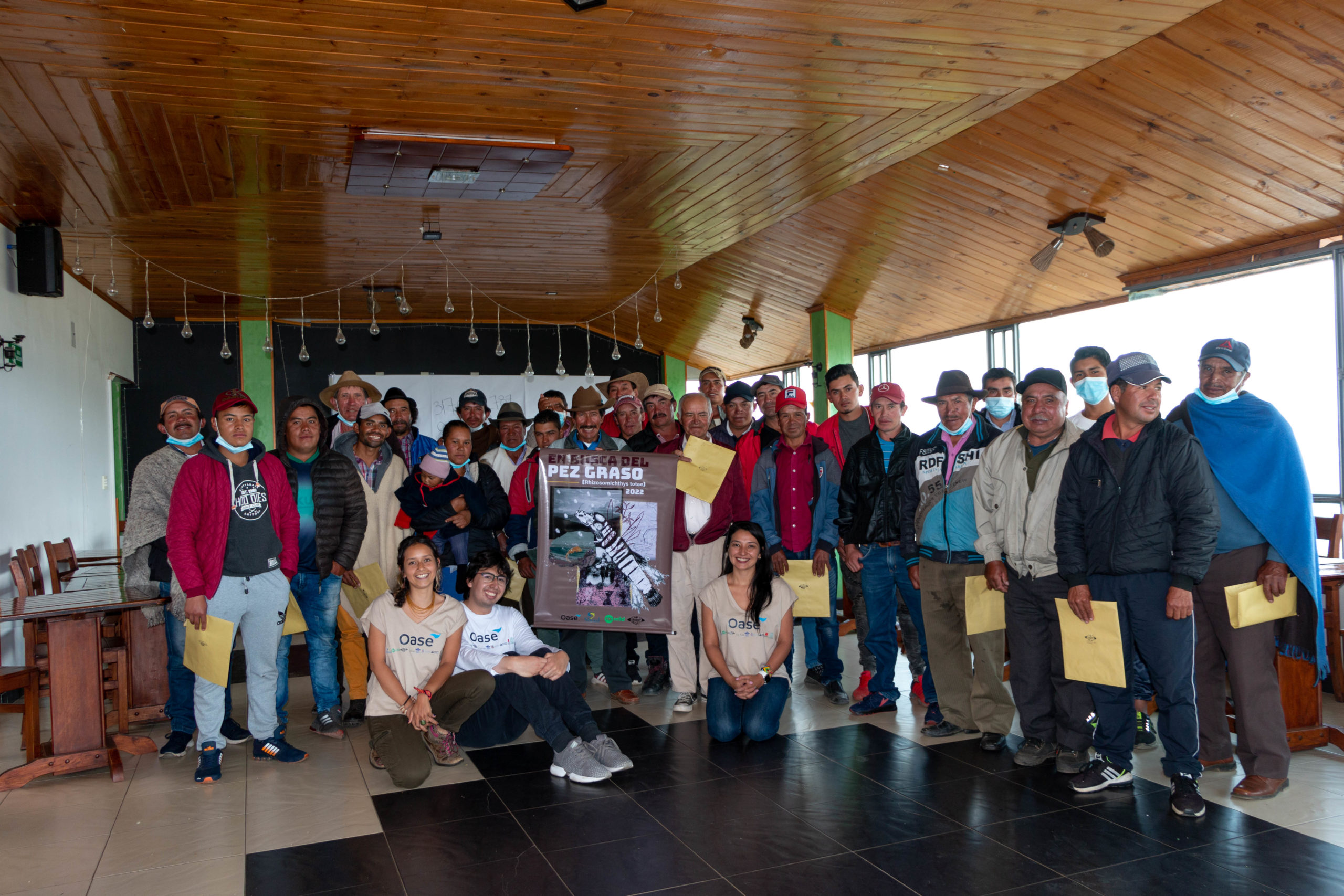
First stage of socio-historical team’s Lake Tota expedition
Lake Tota Fishermen's Association
First stage of the socio-historical team’s Search for the Fat Catfish expedition to Colombia’s Lake Tota
We’re thrilled to announce the first stage of the OASE sponsored Search for Colombia’s Fat catfish is underway!
Yesterday, the socio-historical team met with the Lake Tota Fishermen’s Association to outline their plans for the coming week. The team will be in the field everyday until April 10th, conducting social surveys, speaking with locals, aiming to uncover stories and memories about the mysterious fish.
Stay tuned throughout the week to hear more!
Post Overview
Michael Edmondstone
April 4th 2022
Stories
Share this post:
Recent News
One of the World’s ‘Most Wanted’ Lost Fish Is Rediscovered
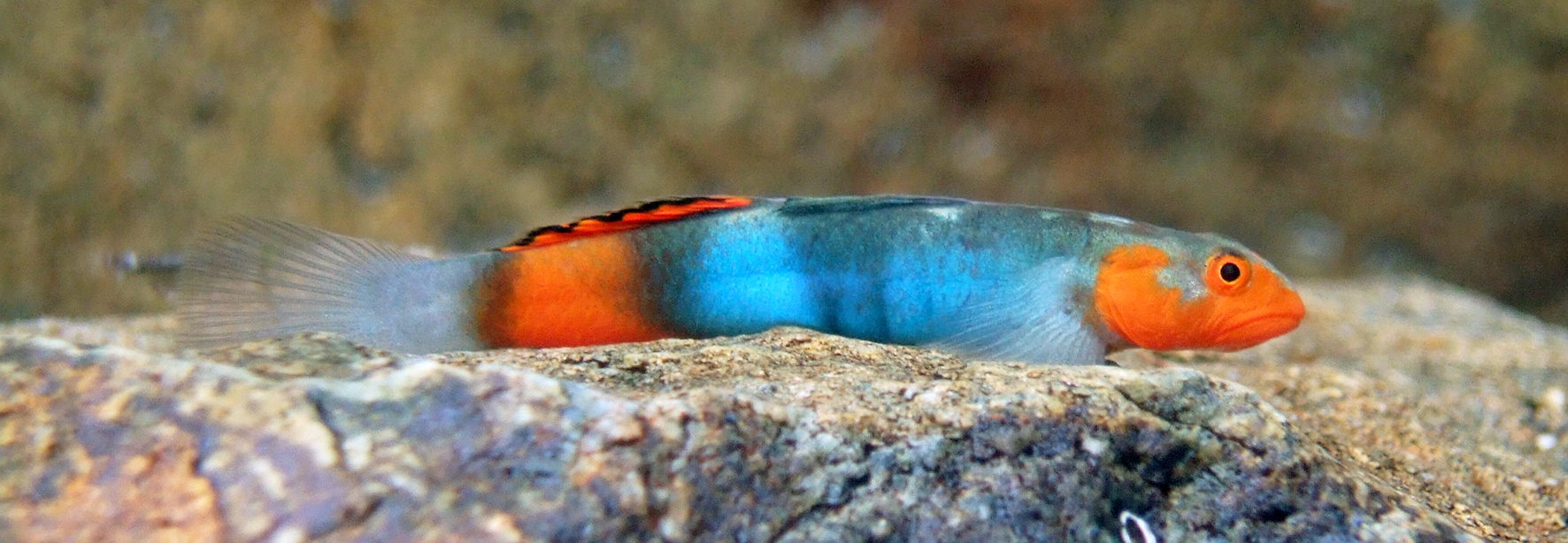
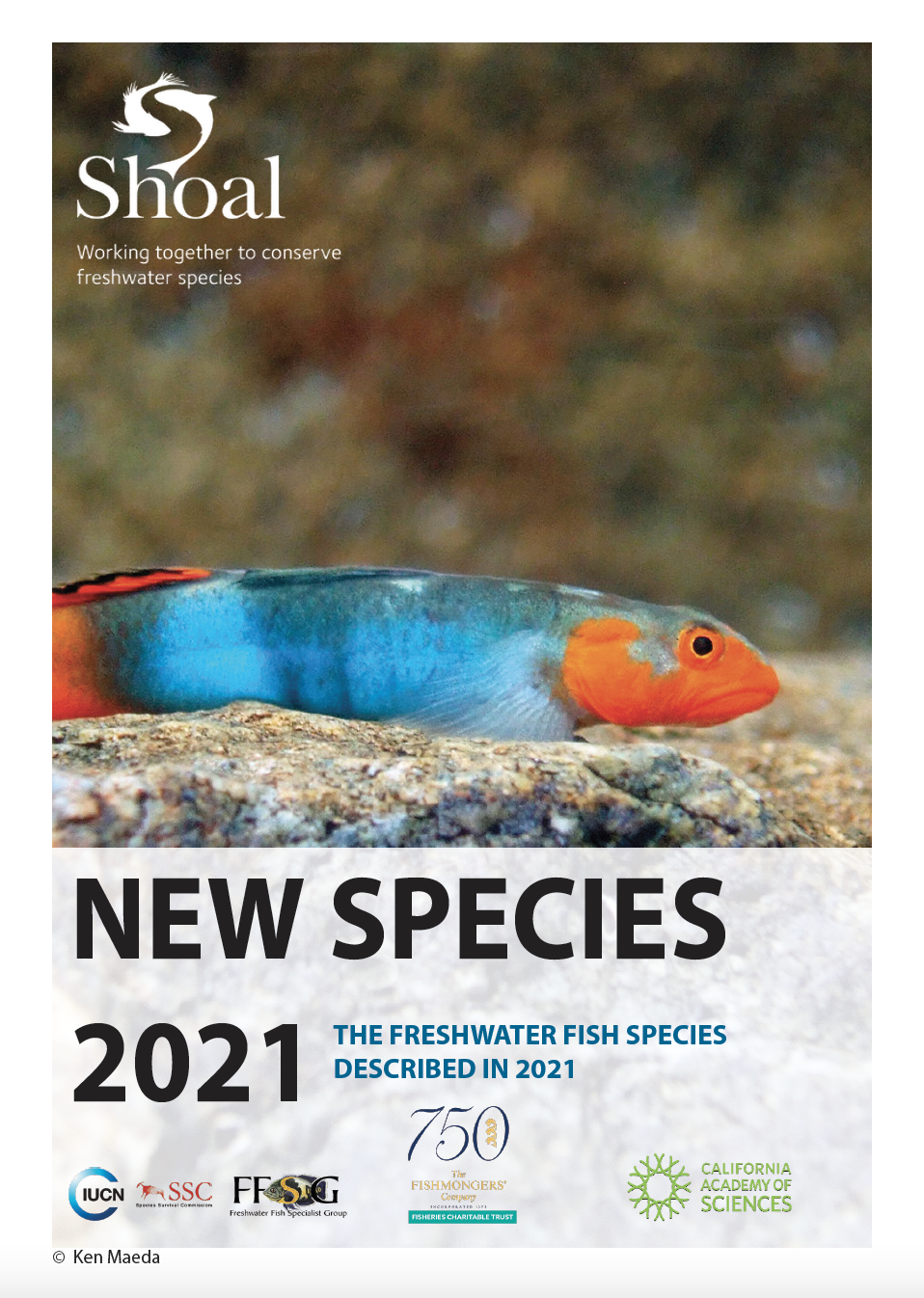
Shoal have today published a landmark new report that outlines the 212 freshwater fish species described in 2021. The ‘New Species 2021’ report dives into detail on a selection of the species – striped and spotted, soft and spiky, bold and timid – in all their magnificent diversity.
An average of four freshwater fish species were described each week last year, proving there is still much for us to learn about what lies under the surface of the planet’s rivers, lakes and wetlands. With around one third of freshwater fish threatened with extinction, it’s a race to discover and describe these species to give them the best possible chance of survival.
New Species 2021 is the first of what will be an annual release of New Species reports, designed not only to highlight the wonderful wildlife, but to celebrate the researchers and taxonomists who work tirelessly to discover and describe species.
New Species 2021
Post Overview
Michael Edmondstone
March 23rd 2022
New Species, Stories
Share this post:
Recent News
One of the World’s ‘Most Wanted’ Lost Fish Is Rediscovered
Why freshwater fish need as much – or more – attention than rhinos
Shoal executive director Mike Baltzer, conservation biologist and leader of the IUCN SSC Asian Species Action Partnership Nerissa Chao, and fish conservation expert Nathaniel Ng Shengrong appeared on Veronika Perkova’s Nature Solutionaries podcast to discuss fish conservation, and:
Why freshwater fish are important for the ecosystem
What happens when fish go extinct
Why fish are neglected and overlooked
How the ASAP Action Plan will help protect fish in Southeast Asia
How local communities, hobbyists and governments can help
Successful fish conservation initiatives
Head over to Veronika’s website here to listen to the podcast and check out some of Veronika’s fantastic wildlife art, or click the link below 👇
Post Overview
Michael Edmondstone
March 22nd 2022
Stories
Share this post:
Recent News
One of the World’s ‘Most Wanted’ Lost Fish Is Rediscovered
Announcing Shoal’s first corporate partnership: OASE lead the way
Shoal is excited to announce OASE as our first significant corporate partner. OASE – one of the world’s premier indoor aquatics suppliers – have shown leadership and a real commitment to freshwater species conservation through partnering with us, and have established a precedent for how corporations can help stem the tide of freshwater extinctions.
Over the coming months, OASE’s support will broadly target Shoal’s work across five continents and in 15 countries. More specifically, it will contribute to the search for Colombia’s fat catfish, one of the Top 10 Most Wanted species in our Search for the Lost Fishes programme. An expedition team will head out to Lake Tota, northeast of Bogota, in December to start the search.
Mike Baltzer, Shoal’s executive director, said: “This is an exciting, watershed moment for freshwater species conservation. OASE is a leader and innovator in the aquarium hobby, and by partnering with Shoal, they have shown their commitment to face the challenge with us to finally tackle the freshwater species crisis so neglected and overlooked until now. We hope they will be first of many and will help create a tsunami of global support across the hobby”.
We caught up with their OASE’s CEO, Thorsten Muck, to learn more about what this partnership means to them.
Why do you see Shoal as a natural fit for a partnership with OASE?
At OASE in everything we do, we make maximum environmental responsibility and sustainability a priority.
Our products are adapted perfectly to the biology of the water, run especially energy efficiently and are manufactured in the most environmentally friendly way possible.
For example, our aquariums can be individually adapted to the natural habitats of their residents.
That’s why we’re pleased to now be an official partner of Shoal.
We believe in the importance of accelerating and intensifying action to save the most threatened fish and other freshwater species.
What do you hope OASE and SHOAL will achieve together?
Every fish species that doesn’t go extinct and every species rediscovered is a win.
We hope to assist Shoal in the best way possible with species conservation. Not only financially, but especially by drawing attention to this important mission.
OASE is sponsoring Shoal’s first Search for the Lost Fishes expedition, to search for the mysterious fat catfish in Colombia’s Lake Tota. Can you say a little about your hopes for this expedition?
Of course, we hope that the expedition will be successful and that the mysterious catfish will be found.
OASE is very proud to be able to help this exciting work to look for a remarkable fish that hasn’t been seen since the 50’s.
We hope it’s found so that the populations can be boosted and the species can be given a second chance at survival.
But above all, we hope that the expedition and the accompanying communication will bring more attention to species conservation.
OASE are a market leader in indoor aquatics, and, by partnering with SHOAL, have become a pioneer in corporate conservation of the most threatened freshwater species. As the biodiversity crisis becomes more acute globally, how do you picture corporations rising to the challenge of helping with the solutions?
As one of the world’s most successful suppliers in indoor aquatics, we feel it is OASE’s duty to support organisations like Shoal.
Shoal unites many strategic partners who fight together for the protection of species.
We believe that this kind of cooperation has a great chance of success in species conservation and therefore find Shoal particularly worthy of support.
What message do you have to other corporations thinking of getting involved in conservation?
Do it! As a company, we have a duty to make a social and ecological commitment.
Of course, we should be careful not to engage in greenwashing. Sustainability and species protection is too important not to take it seriously.
We would like to take this opportunity to thank OASE for their support, and to commend them in showing conservation leadership across the aquarium hobby sector. We are looking forward to achieving great things together for the future of the planet’s freshwater species.
Post Overview
Michael Edmondstone
November 15th 2021
Stories
Share this post:
Recent News
One of the World’s ‘Most Wanted’ Lost Fish Is Rediscovered
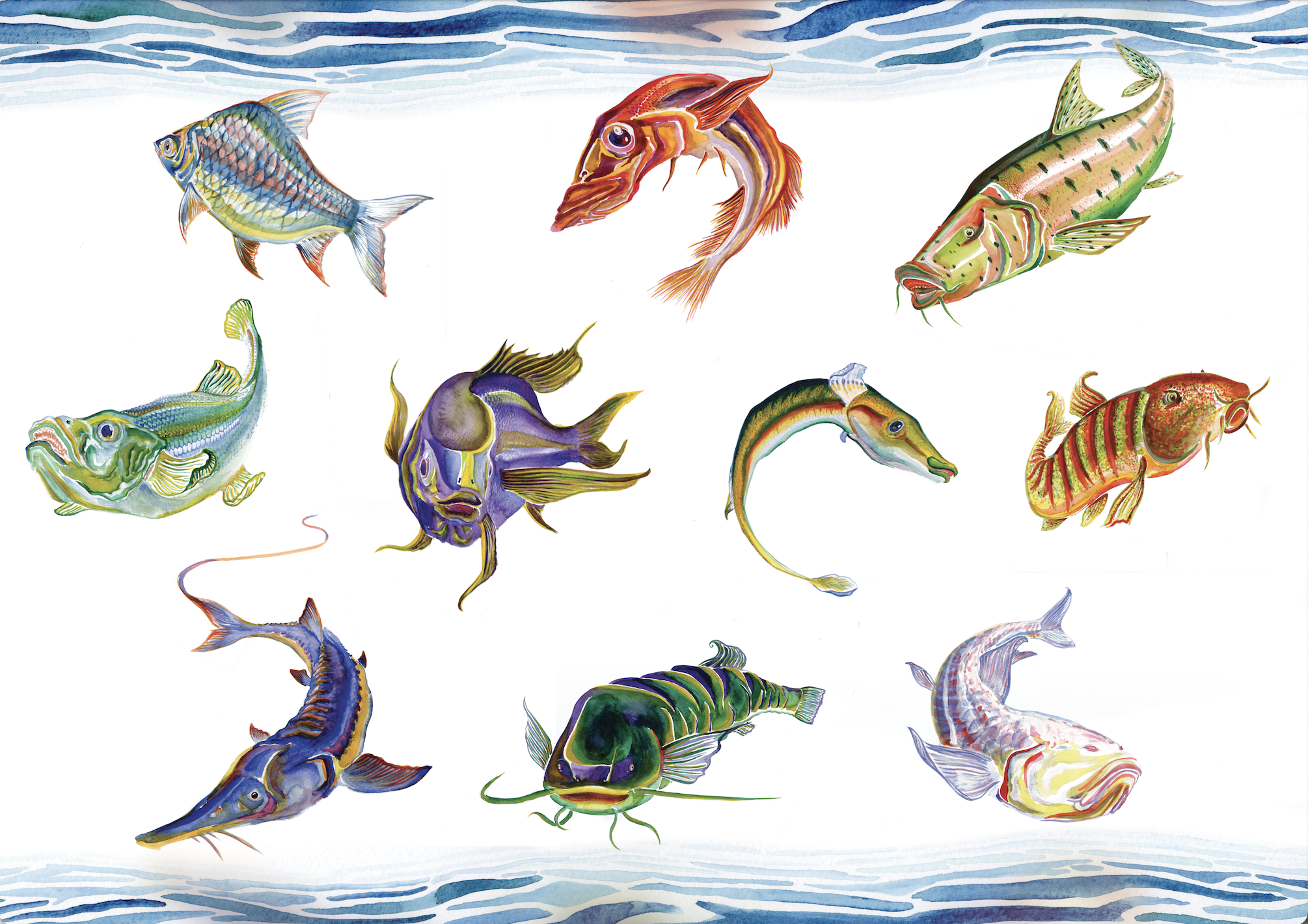
We are excited to say that our judges Jeremy Wade, Dr Eleanor Adamson, and Ivan Mikolji have announced the winners of the inaugural Lost Fishes Art Challenge.
Judging was incredibly difficult. Not only were the entries such a high standard, the judging criteria was intentionally kept broad, meaning decisions ultimately came down to personal preference. This can be reflected by the fact that there were wildly different rankings between the judges for many of the species.
Each of the following entries were ranked highest overall from the judges’ combined scores, from shortlists of between 10 – 14 for each category.
Below the gallery, take a look at the video of the live panel discussion, where Jeremy, Eleanor and Ivan announced each of the winners, and discussed some of the other entries that caught their attention.
Annamite barb – Chrysteena Garcia
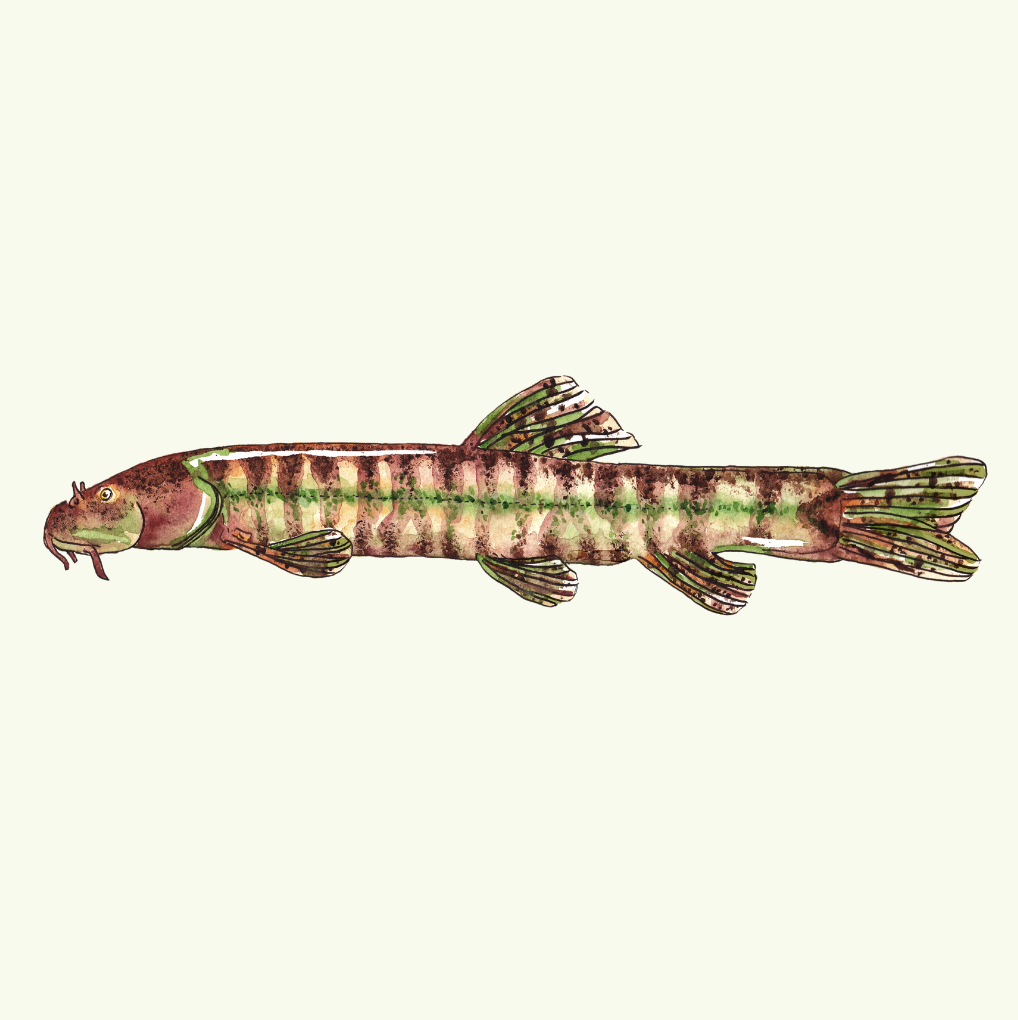
Diyarbakir (Batman River) loach – Aby Helme
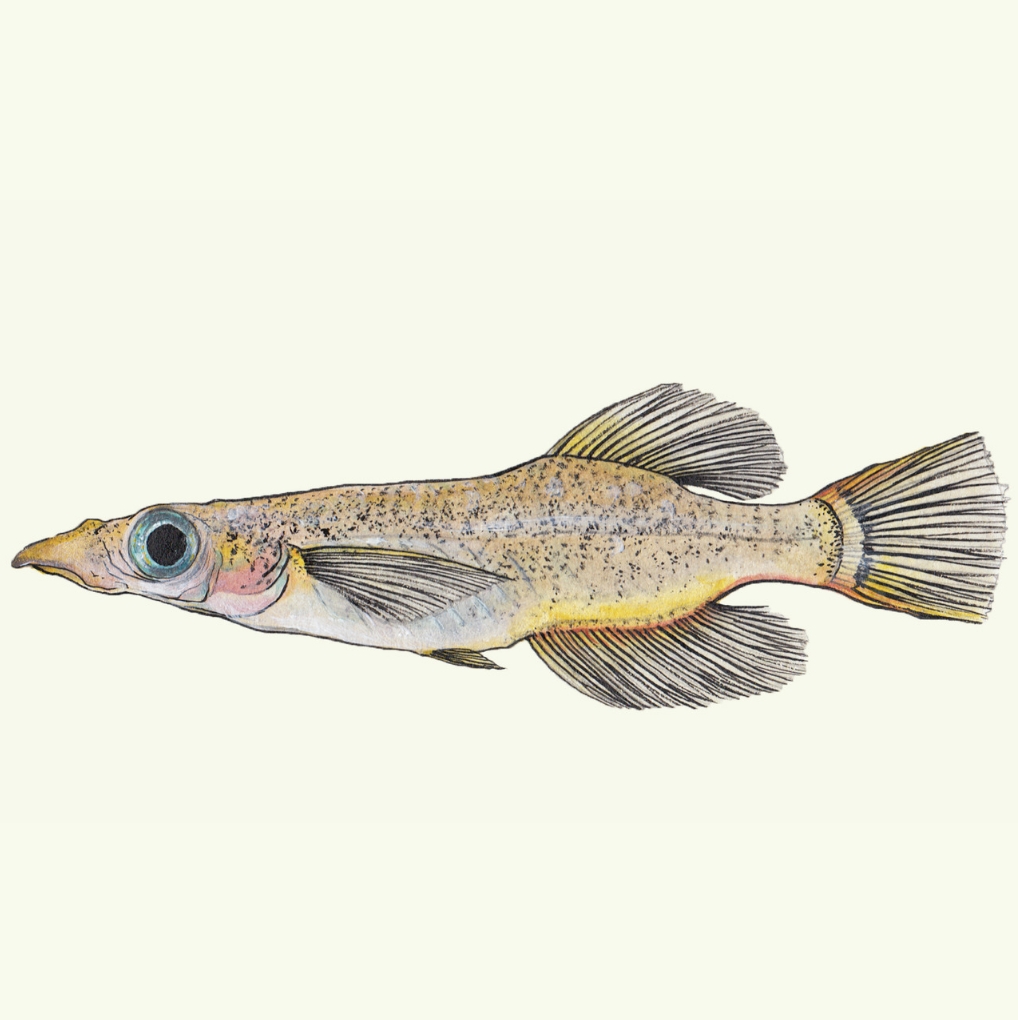
Duck-billed buntingi – Chrysteena Garcia
Duck-billed buntingi – Chrysteena Garcia
Haditha cavefish – Camilo Julián
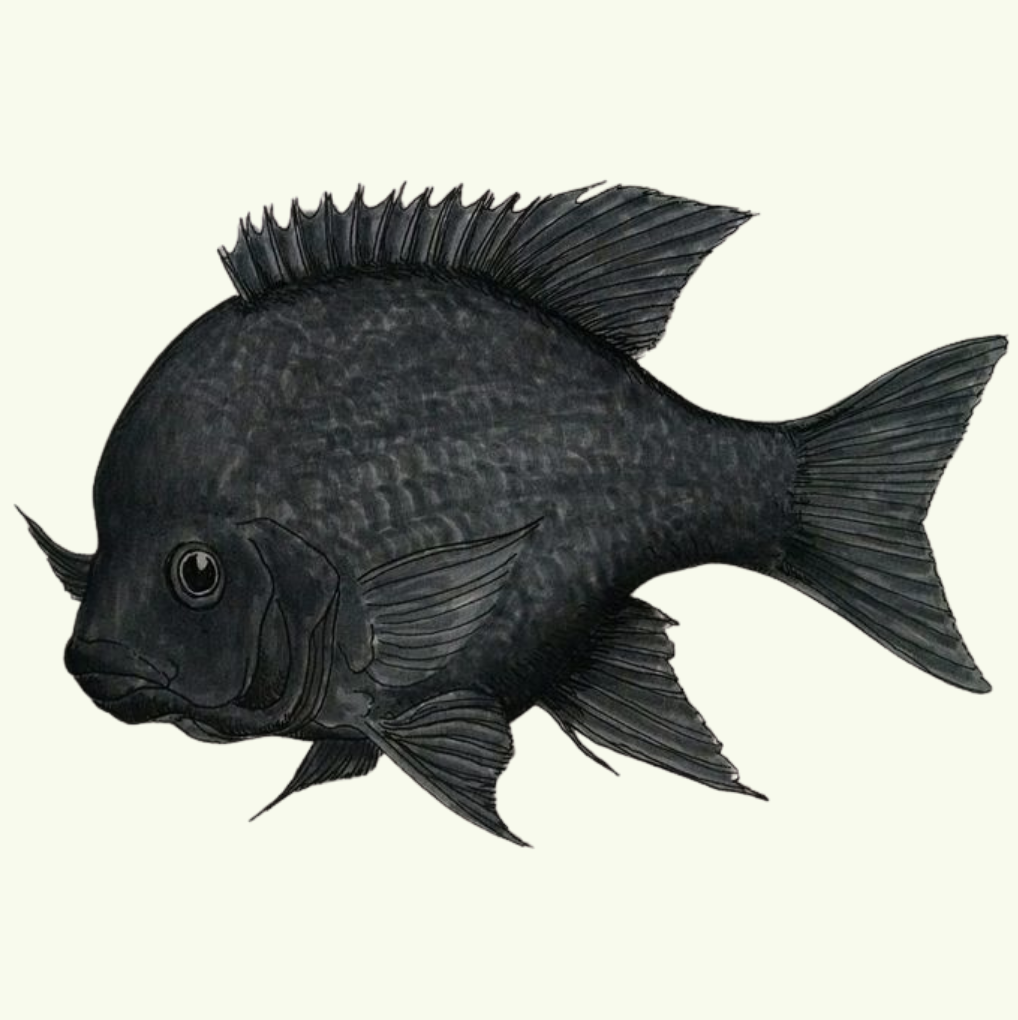
Itasy cichlid – Mitch Smith
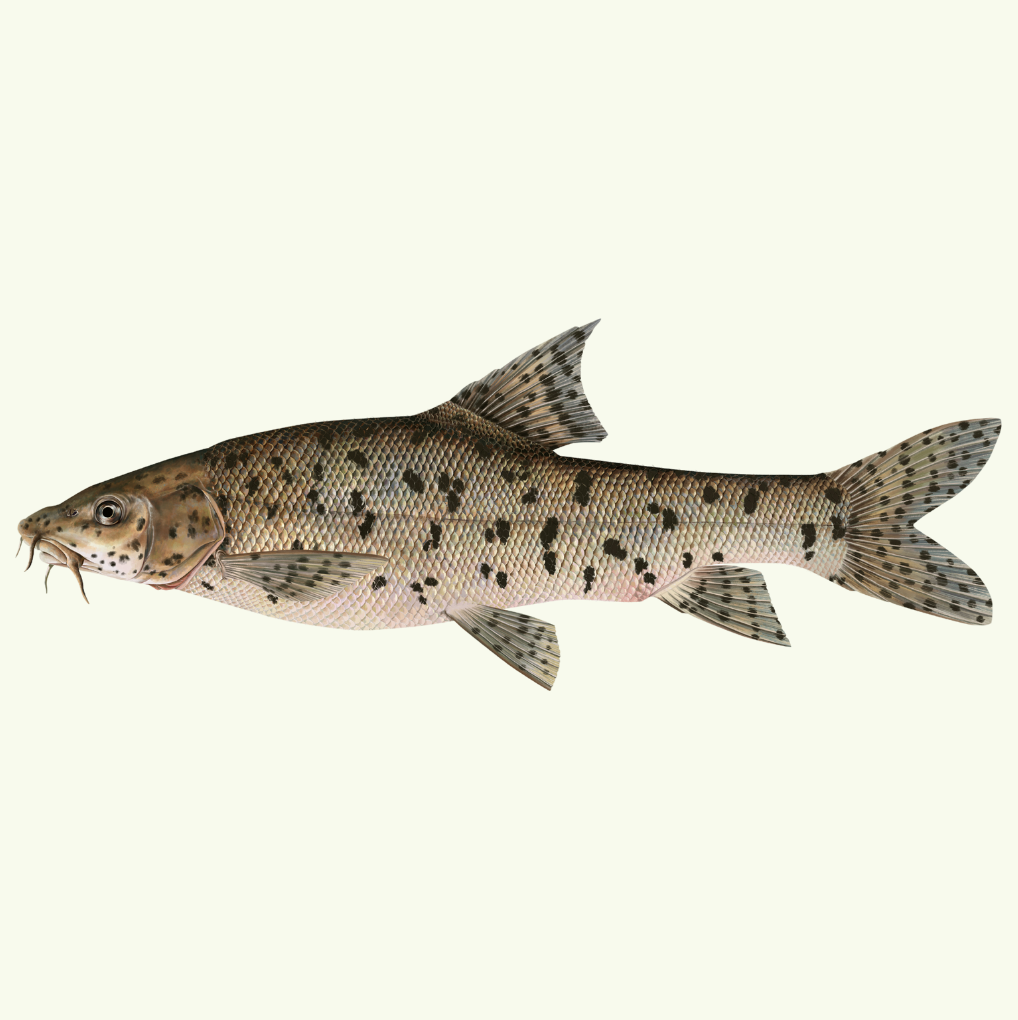
Leopard barbel – Jennifer Clausen
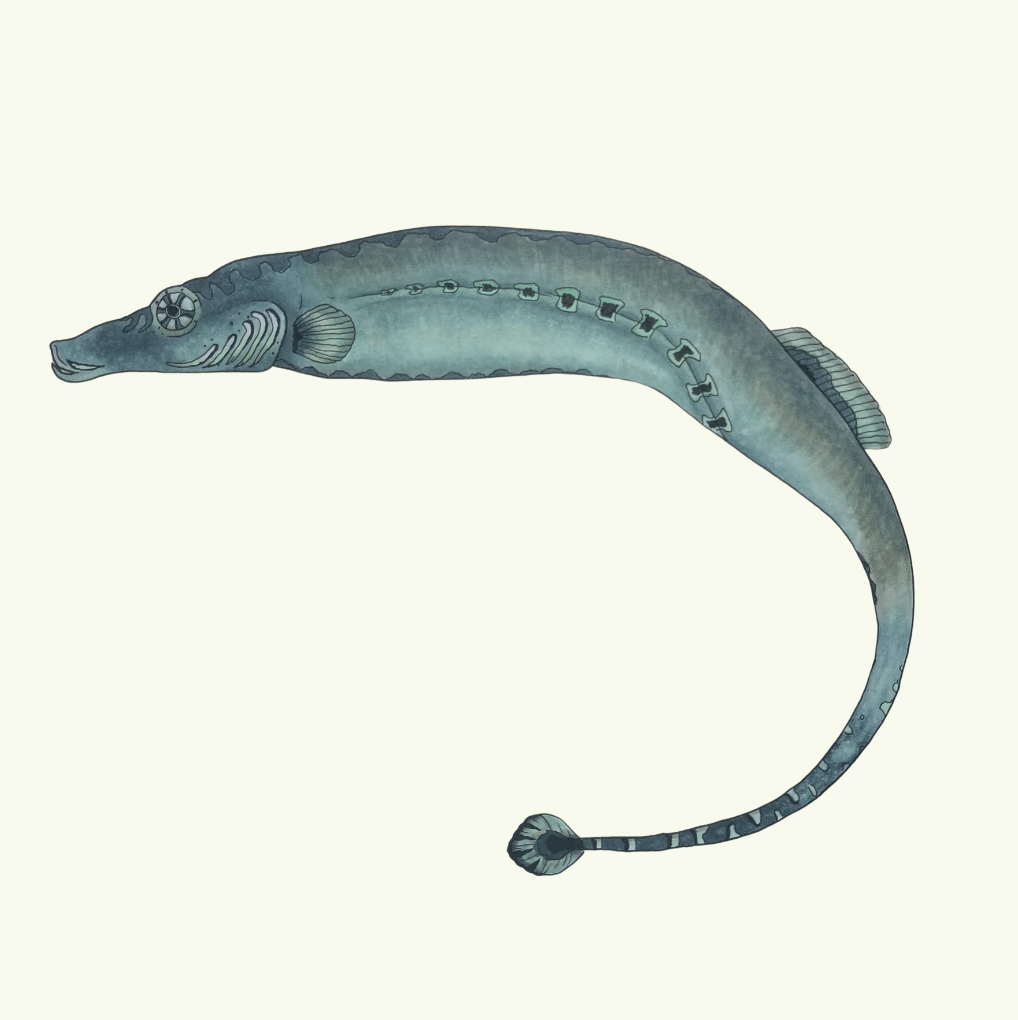
Spinach pipefish – Brianna Jorgenson
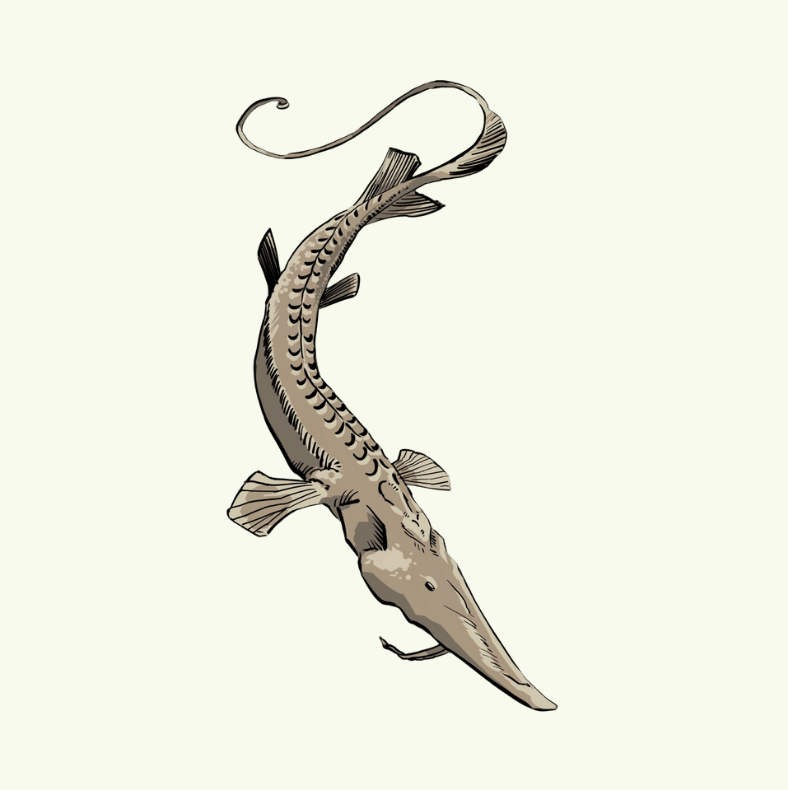
Syr Darya shovelnose sturgeon – Sam Julian
Titicaca orestias – Tracy Sachs Kuhlman
YOUTH category – Lila Swartz, aged 13
OVERALL – Cathy Outlet
PORTFOLIO – Lee Vincent
Winners announcement with Jeremy Wade, Dr Eleanor Adamson, and Ivan Mikolji
Post Overview
Michael Edmondstone
November 1st 2021
Stories
Share this post:
Recent News
One of the World’s ‘Most Wanted’ Lost Fish Is Rediscovered
Our mid-year report has been published, showcasing some of the work we have achieved throughout the first six months of the year. It also looks ahead to some of the projects we have been and will continue to be working on during the second half of 2021.
Shoal sponsored freshwater fish becomes world’s second #NatureCollectible or “digital species”
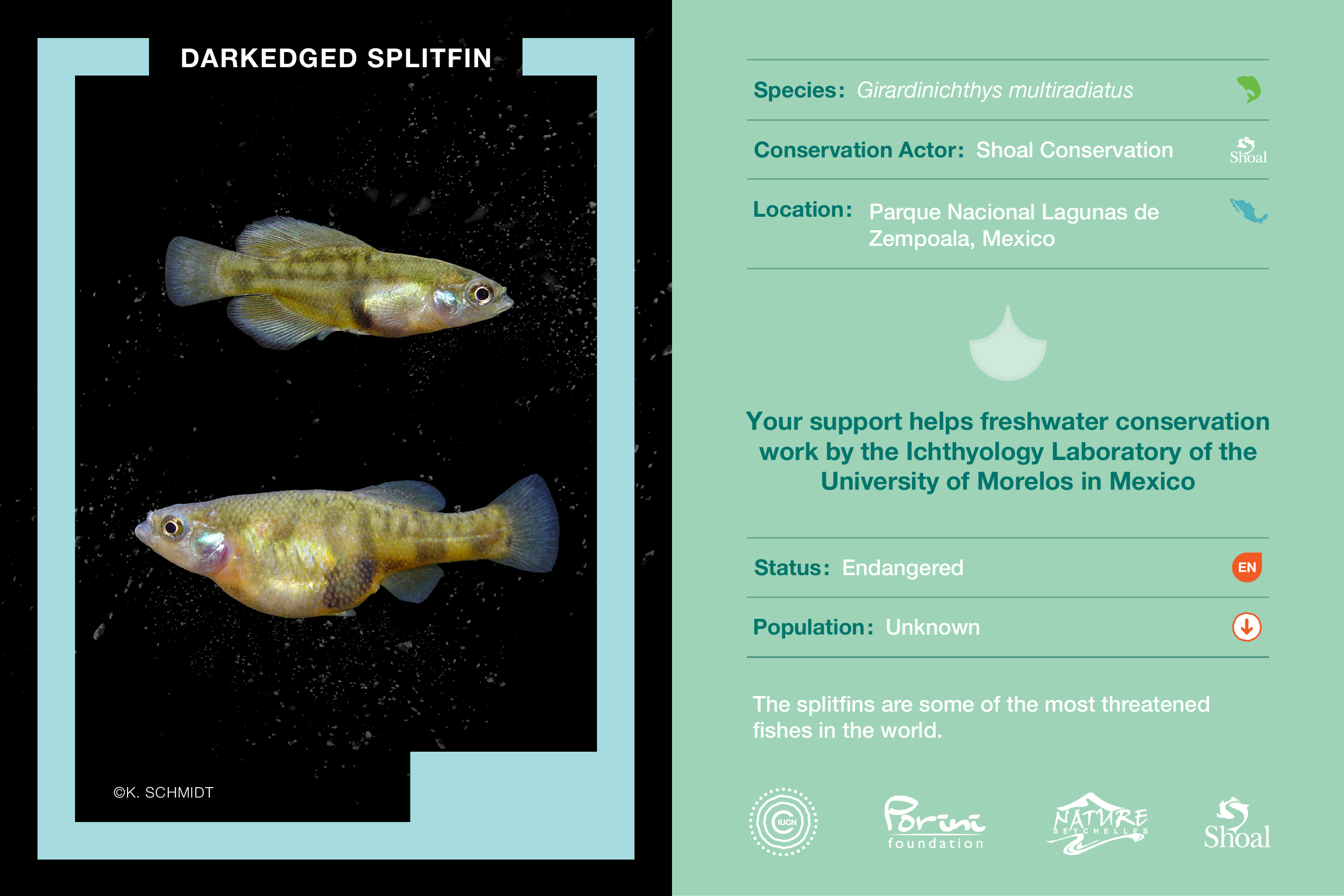
darkedged splitfin NFT
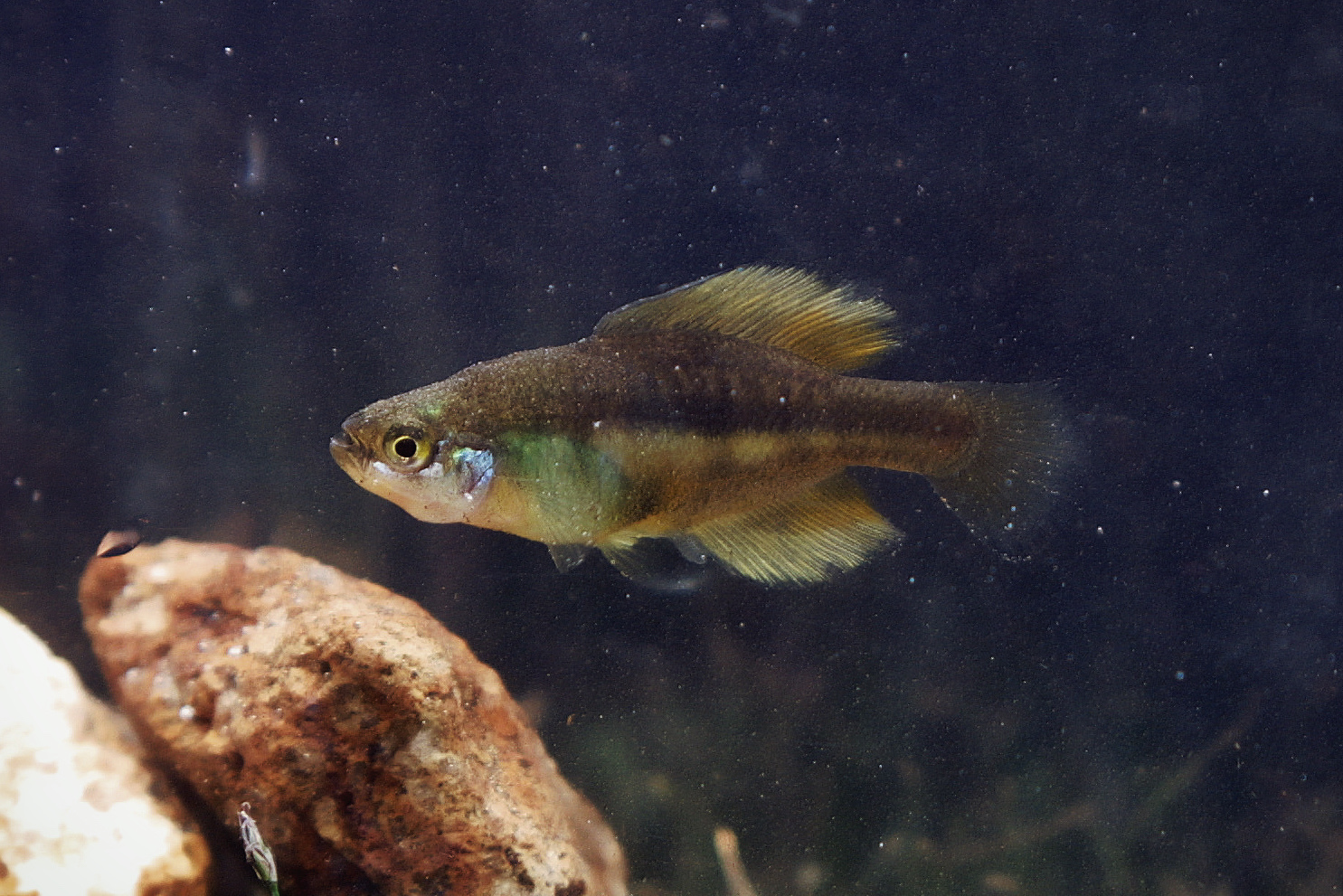
The darkedged splitfin Girardinichthys multiradiatus, an endemic and Endangered fish found in Mexico, was launched as the world’s second #NatureCollectible or NFTC (non-fungible token for Conservation) at the IUCN World Conservation Congress on September 7th 2021.
It will join the Seychelles magpie robin as a new digital species collectible sold on a zero-carbon blockchain infrastructure. All funds from the sale will go to Shoal as the conservation actor for the conservation of the species. The splitfin will be part of the #NatureCollectibles portfolio that has been developed as an innovative form of revenue generation for highly threatened species that need urgent funding and conservation action.
darkedged splitfin NFT
The initiative was created by the International Union for the Conservation of Nature (IUCN)’s ‘Green List Exchange’ and the Porini Foundation, alongside Nature Seychelles. Shoal has now joined as a partner. The tokens have been minted by the Porini Foundation, a Swiss based NGO on a carbon-free blockchain. This is a major breakthrough in terms of negating the high energy consumption of prior blockchain technology. Tokens are selling from USD 20 – USD 1,000 and can be easily purchased through a dedicated mobile application. It is hoped that the initial sale of the fish will raise USD 10,000 for its conservation in Mexico.
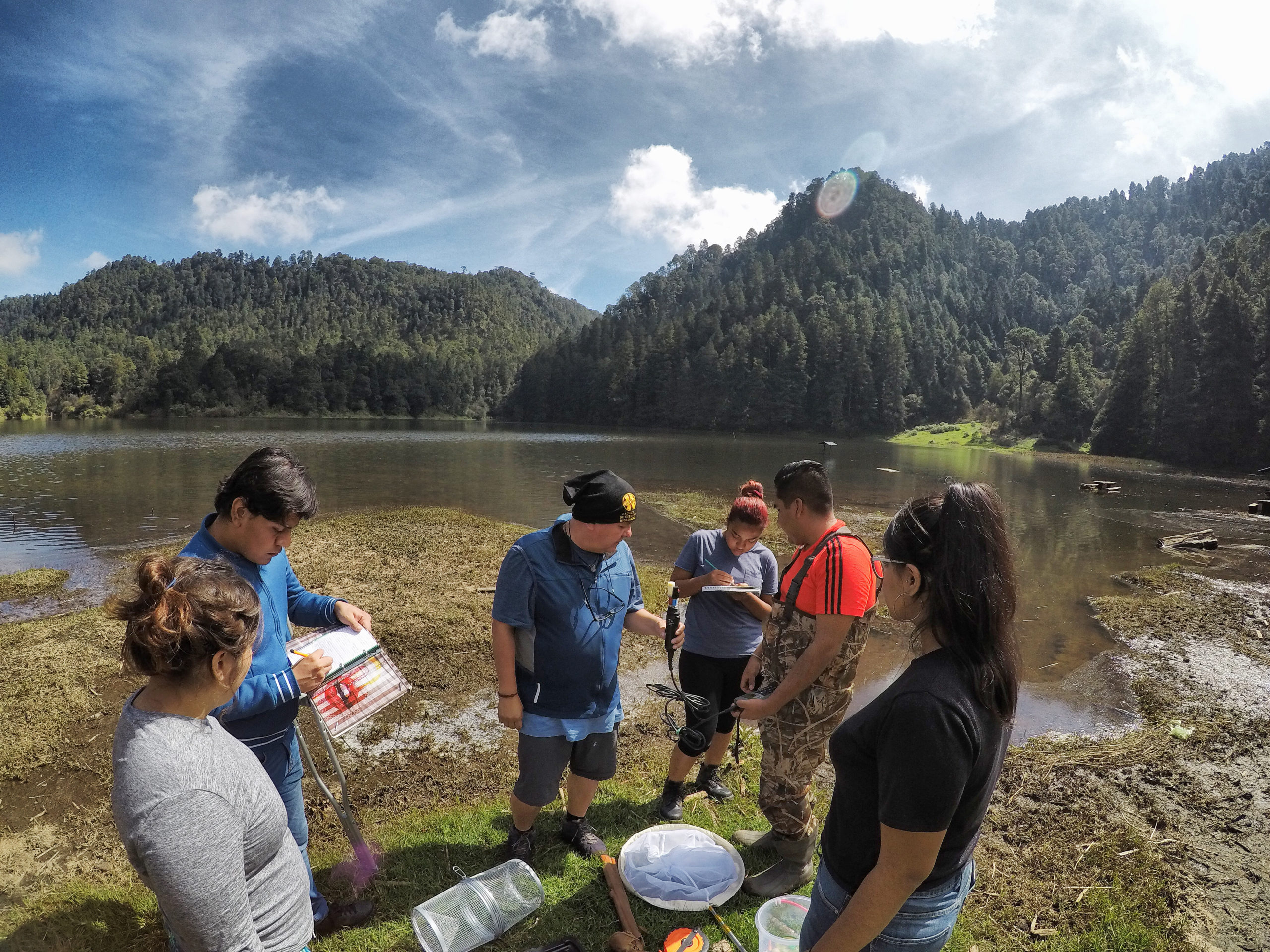
The darkedged splitfin is restricted to a small area of Mexico, and the conservation for the species is concentrated in the beautiful mountainous Zempoala Lagoons National Park, Mexico. The splitfins – or Goodeid – fishes are one of the most threatened group of species in the world. Some are extinct in the wild, and some like the tequila splitfin have been saved from the edge of the extinction through captive breeding and release. Many of the species are confined to a few small ponds and streams in desert areas of Mexico.
Conservation work in Zempoala Lagoons National Park, Mexico
All raised funds will be passed onto the Ichthyology Centre at the Universidad Autónoma del Estado de Morelos in Mexico: the leaders on the conservation of this fish and many other threatened fishes.
The head of the conservation programme, Prof. Topiltzin Contreras MacBeath, said: “The dark-edged splitfin lives in one of the most densely populated regions of the world, with about 45 million people. Its range has been contracting since the 1990s, mainly due to pollution and invasive species. Even though the lakes of Zempoala National Park are not free of human impacts, they sustain four relatively healthy populations of the darkedged splitfin, that with some support, and a bit more local involvement, could be transformed into a freshwater sanctuary that will allow its long-term conservation”.
He adds: “Funds for fish conservation are always hard to find and so we welcome any excellent innovations such as #NatureCollectibles that may provide new sources of funds for neglected but highly threatened species”.
G_multiradiatus
Buyers of the darkedged splitfin will benefit by knowing that they have one of the earliest #NatureCollectibles. Not only might this become valuable, but they have also made a carbon-free contribution to conservation and helped a species from extinction.
Mike Baltzer, Shoal’s executive director, said: “We are delighted that the IUCN and Porini Foundation team has chosen a freshwater fish for this exciting innovation. We need every help we can get to raise the profile of freshwater fish and most importantly raise the funds to initiate action before we lose any more fish species”.
Shoal will be working with the development team to add more fishes to the collection and ensure that new action is launched from the funds raised.
The funds will be used to maintain a community-led monitoring programme for the fish and to inform the hundreds of thousands of tourists that visit the National Park every year about the fish.
If you want to invest in the conservation of the dark-edged splitfin, and get a #NatureCollectible, then follow these steps:
Follow the steps and create your wallet for the fish
Go to Collectibles > Explore collectibles
Pick ‘darkedged splitfin’
Add to cart and purchase
Receive email confirmation with delivery instructions (with video) on how to get it delivered to your wallet
Why is Shoal working with the IUCN/Porini Foundation #naturecollectibles?
Shoal was created to support overlooked and neglected freshwater species. The neglect that these species have suffered is due to a lack of awareness and understanding about the richness and importance of this biodiversity, leading to a lack of financial support.
Shoal is committed to inspiring a new scale of action and new sources of funding. NFTCs, developed by IUCN and partners, and based on species, places and conservation actors, has the potential to raise attention and help raise the funds that these species so desperately need. When you purchase a #NatureCollectibles token, it is both a potential investment and a donation to the conservation of a highly threatened species.
The minimum we hope to raise for the darkedged splitfin is USD 10,000. This will make a significant impact for the species.
Post Overview
Michael Edmondstone
September 7th 2021
Fundraising, Stories
Share this post:
Recent News
One of the World’s ‘Most Wanted’ Lost Fish Is Rediscovered
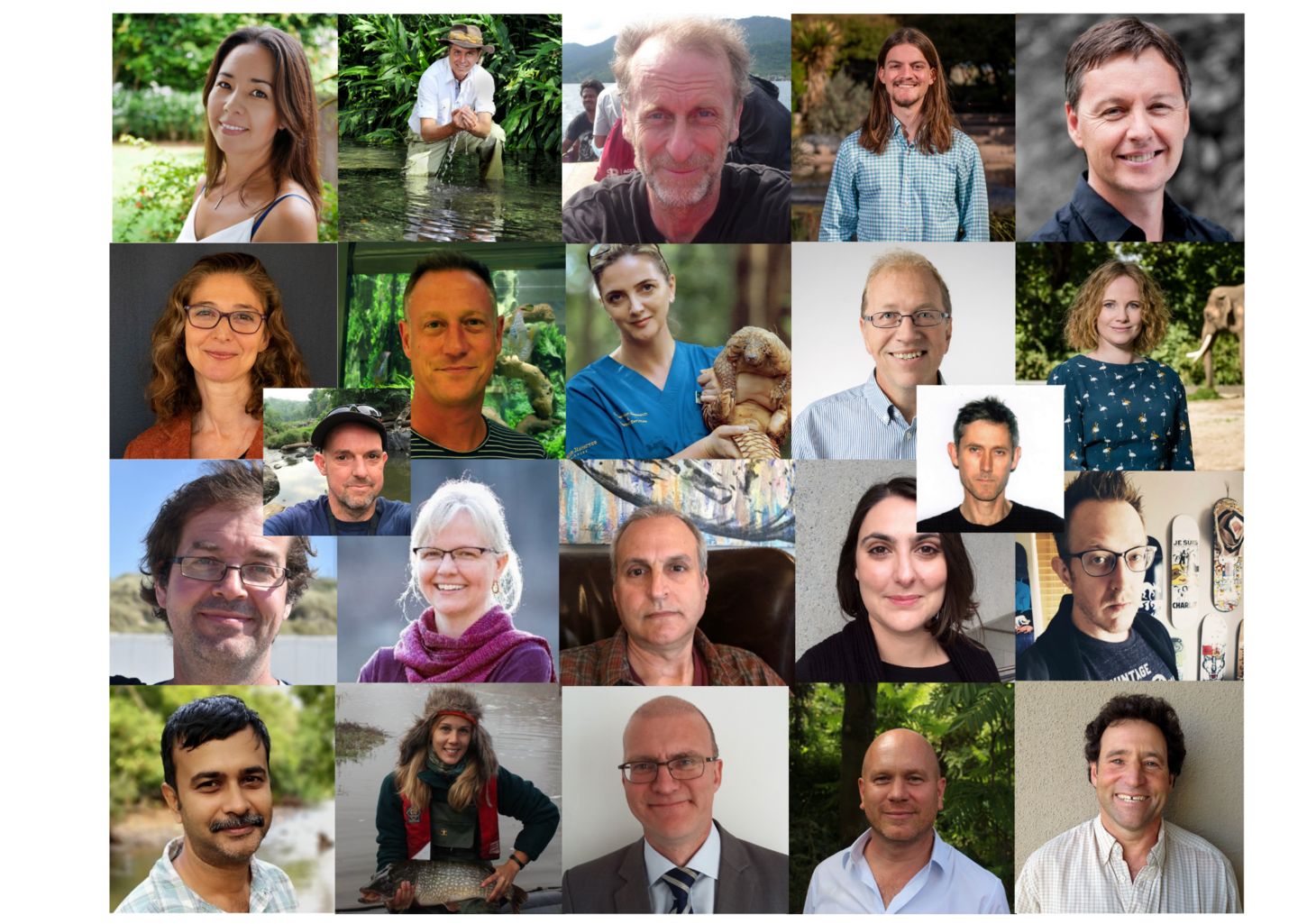
We are excited to announce that we have formalised our full list of advisors for 2021-22.
Each of the 22 advisors are freshwater experts, with skills and knowledge ranging from strategy to fundraising, scientific to the media, zoos and aquaria to inland fisheries.
With Shoal’s intentionally small secretariat, the input given by the advisors is invaluable.
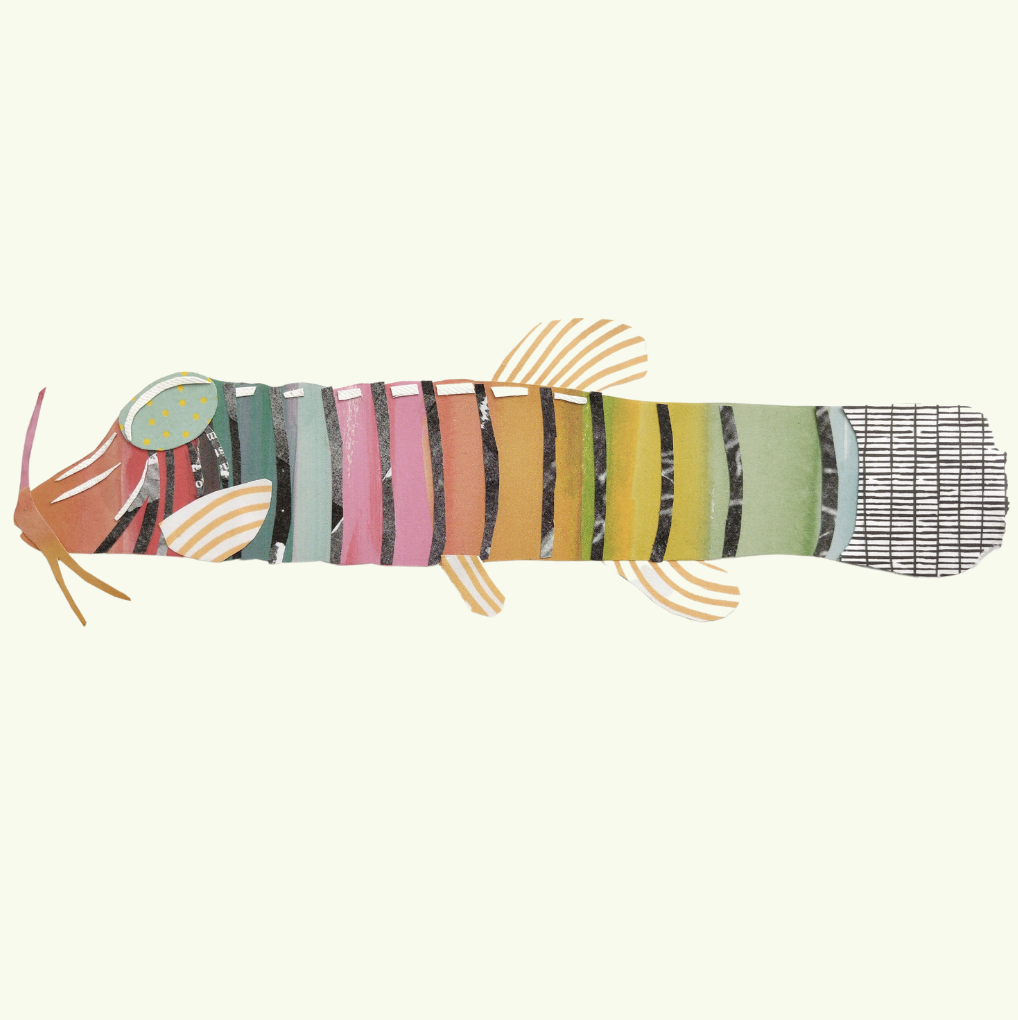
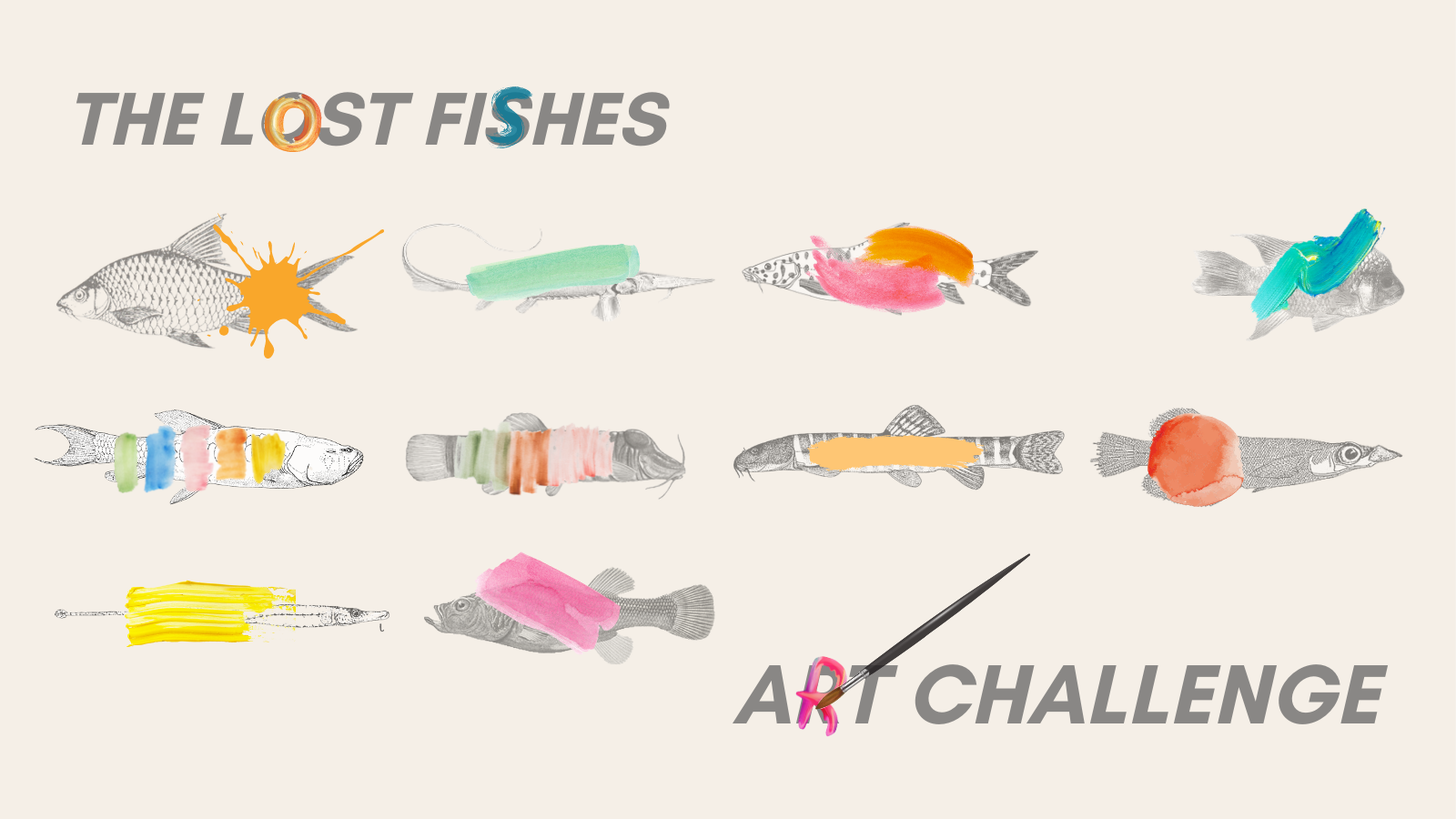
Each of the Top 10 species are currently monochrome. Having been hidden from human eyes for many years, they have lost their sparkle, their colours have faded to black, white and grey, their appearance has become unclear as a turbid river. As we lost these species, they too have lost their colours.
We need you, talented artist, to bring the rainbow back to these fishes, to magic them back to dazzling life and give them the chance to be seen in all their scaly splendour for everyone to admire.
Huge thanks to all of those who have already donated: they have been instrumental in helping us secure the preliminary funding of USD 15,000 that will help us launch the first part of the search for Colombia’s fat catfish. We are now looking to raise this to a total of USD 60,000 and we are calling on you to help bolster our funds to bring this remarkable fish to light.
Your donations will enable us to increase the scope and timeframe of the search of Lake Tota, facilitate the use of groundbreaking eDNA methods, and allow us to implement a conservation programme to bring the species back from the brink of extinction, should the search be successful.
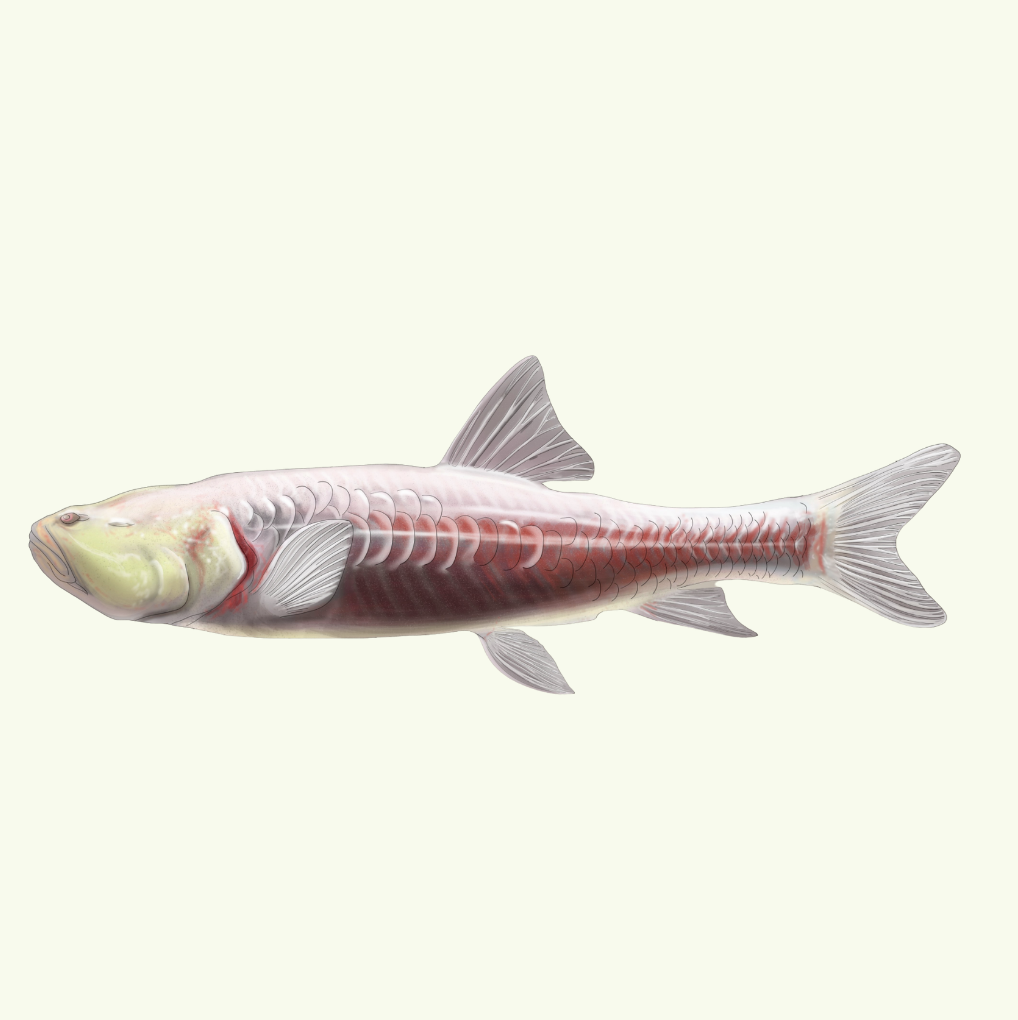
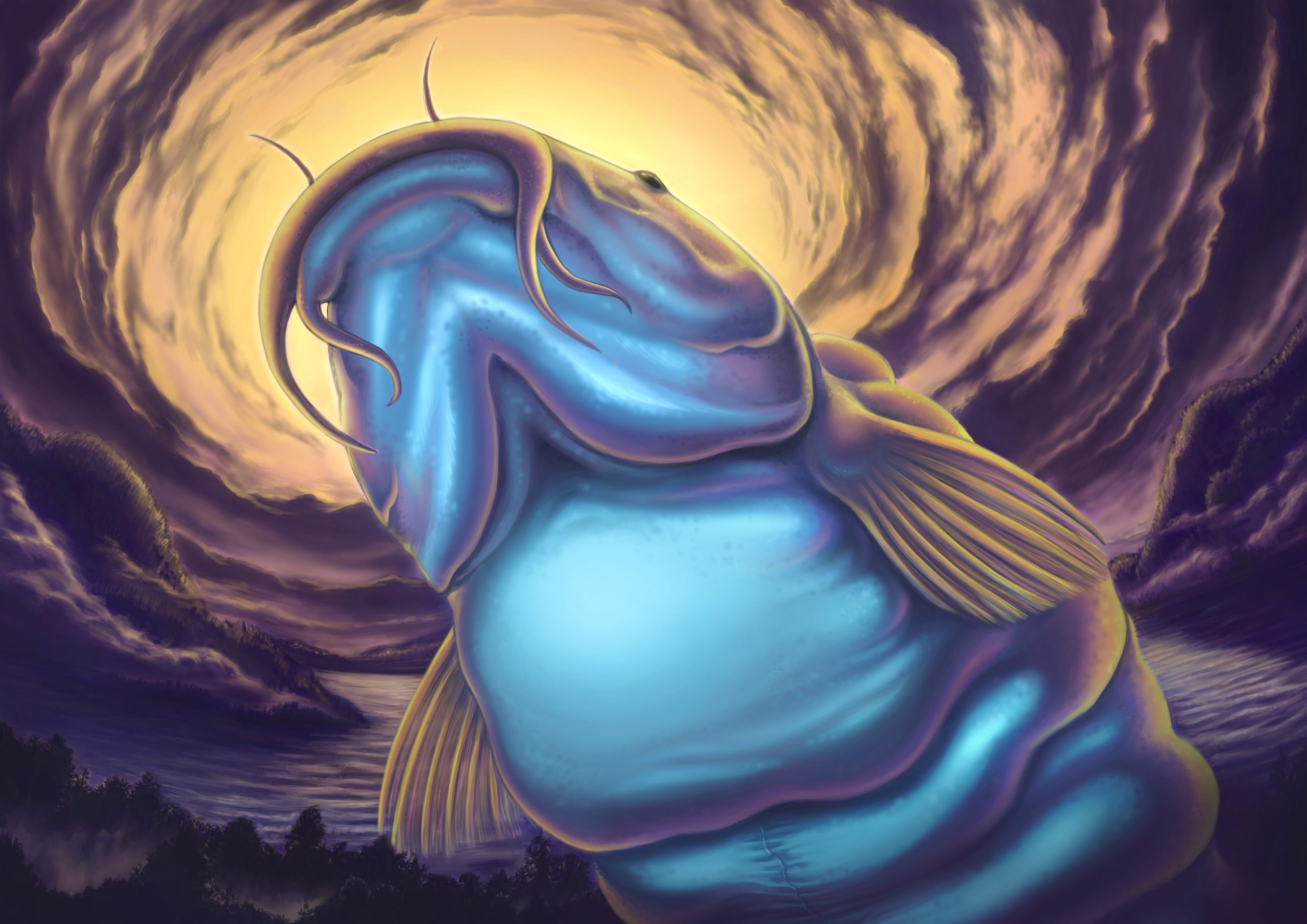
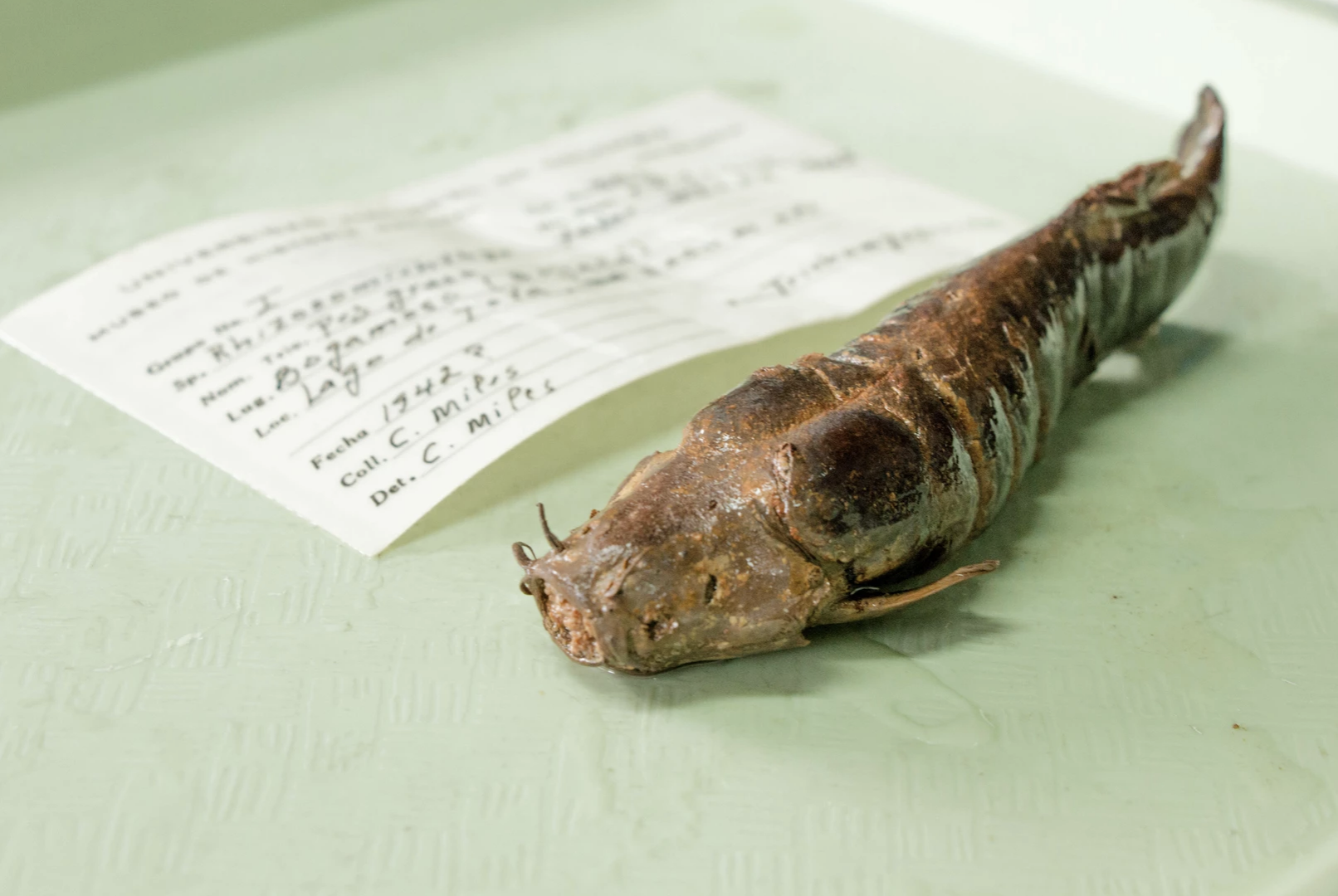
Why is this exceptional species so fat? It’s one of the biggest mysteries in the world of freshwater fish. No other catfish has the bizarre fatty rings of tissue circling its body. And, with only ten specimens having ever been recorded, all of which are currently in terrible shape (see the photo above), finding the answers has so far proven impossible.
Help us bring clarity to the perplexing questions surrounding this species: donate today at the button below.


)
)
)


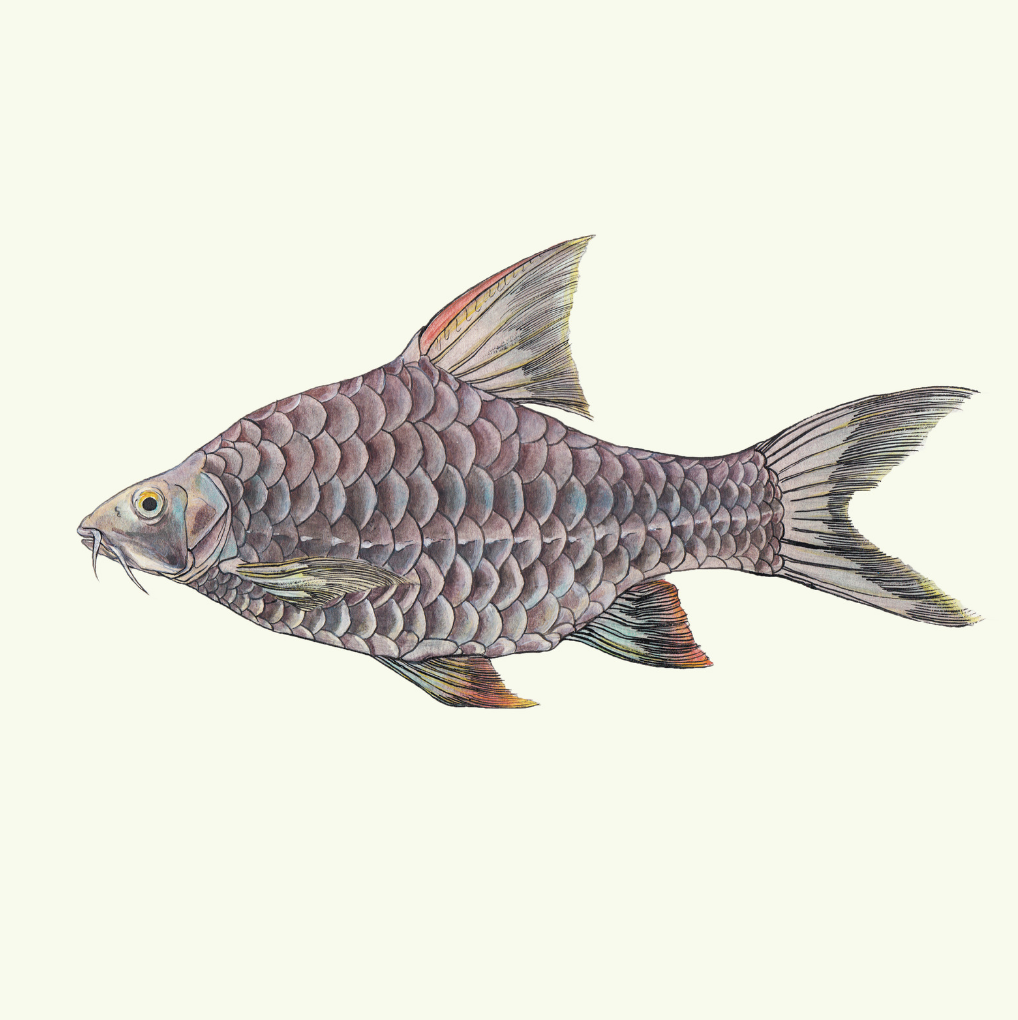 Annamite barb – Chrysteena Garcia