The SHOAL is the global ecosystem of partners and collaborators who work together to safeguard the health of Earth's freshwater habitats and conserve the most threatened freshwater species. As with a shoal of fish, the strength of the SHOAL lies with the number of partners all working together.
Blueprint for Conservation Action for 1,000 Freshwater Fishes
SHOAL's flagship initiative sets out a plan for how significant collaborative conservation effort can lift freshwater fishes and potentially thousands of other neglected freshwater species to a new elevated platform of conservation attention and greatly enhance freshwater conservation efforts globally.
The Dumbéa River pipefish: a citizen science story
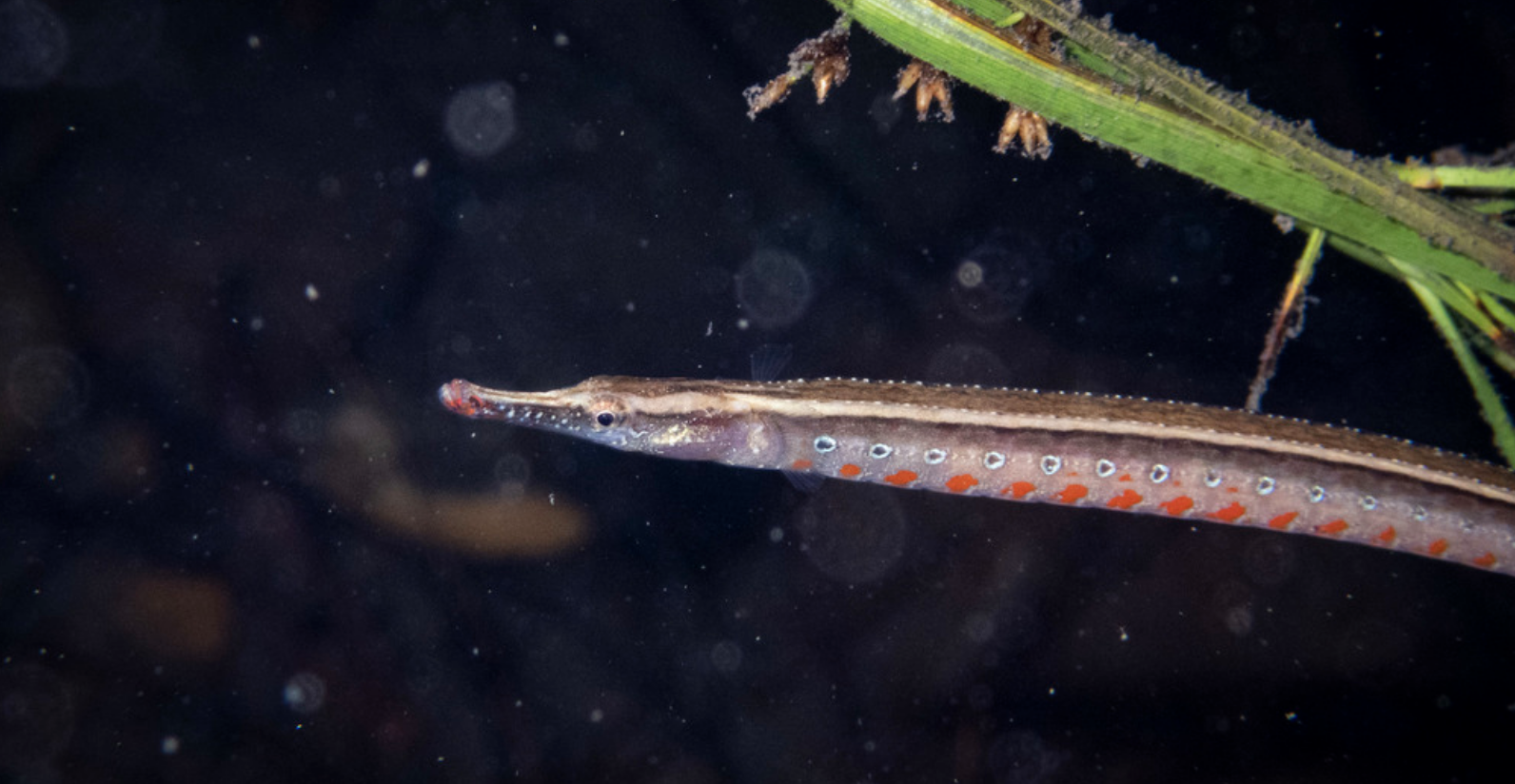
Dumbéa River pipefish
FOUND! The Dumbéa River pipefish: a citizen science success story
During the research for the initial Top 10 Most Wanted species, a 2020 recording of one of the species on iNaturalist forced us to reconsider one particular species. Turns out the Dumbéa River pipefish wasn’t a ‘lost fish’ after all!
To glean as much information as we could about the Top 10 Most Wanted species, we Googled each of the species. For the most part, there was barely any information about any of them – they have been seen so rarely, and often so long ago, that people just don’t know that much about them.
But for one of the original Top 10 species, there was some recent information. The Dumbéa River pipefish Microphis cruentus of New Caledonia had been recorded in the citizen science and naturalist social network iNaturalist in October 2020. And, sure enough, there were a couple of bright colour photos and a verification to prove the observation!
This made us sit up and take notice.
A species that a team of leading freshwater scientists had every reason to believe hadn’t been seen in well over a decade was right there on our screens, very much alive and not at all lost.
We got in touch with the man who observed the species – Damien Brouste, a passionate naturalist who lives in New Caledonia – and the man who verified the observation as a legitimate sighting – Valentin de Mazancourt, associate researcher at the French National Museum of Natural History.
Damien explained how he found the fish, with another New Caledonia resident, Nicolas Charpin: “We were looking for the pipefish at night, as during the day they hide in the vegetation bank. We were looking in a particular pool in the Ouenghi River and after maybe only five minutes we found some. I was really surprised to see the colours of the fish, as they are so bright. We didn’t find any more during the two hours of research following this find”.
“The Ouenghi River is a small river, around ten meters wide, that gently flows through pastoral land on the West Coast [of New Caledonia]. It is extremely clear, with around ten meters of visibility. The banks are two meters high, with lots of vegetation. The bottom is an alternation of rock and sand. There are a lot of shrimp in the river, even some good-sized ones. Juveniles may be a good food source for the microphis”.
Nicolas is an aquatic scientist who set up Vies d’Ô douce: ‘a non-profit association whose main objective is to promote the biodiversity of aquatic environments in New Caledonia’. According to Damien, Nicolas has spotted Microphis cruentus many times, and knows exactly where it can be found.
It’s incredibly exciting to learn that people are out there, spotting this species that was thought to be ‘lost’. This story has really highlighted how anybody can provide meaningful contributions to science.
On his experience using iNaturalist, Damien said: “iNaturalist is a fantastic platform to connect people. I’ve been in contact with many scientists because I take pictures of many things. I’ve had pictures published in a coral book and pictures published in a publication on pygmy grasshoppers. Those contacts gave me the opportunity to work on a scientific study of a New Caledonian snail for the French Museum”.
And Valentin was similarly effusive about his use of iNaturalist: “As an avid user of iNaturalist and a hydrobiologist, I am always happy to help identifying observations of freshwater animals, and this observation got me really excited, being a rare and endemic species that researchers from my lab are especially interested in. It’s always great to obtain such new data on these rare species and iNaturalist is an amazing tool to for this, as well as a great opportunity to get people involved in our research”.
We are looking forward to talking further with Damien and Valentin to see how this story may develop further, and excited for the results of Nicolas’ studies on the species. Watch this space!
Post Overview
Michael Edmondstone
June 9th 2021
Conservation, Fish, Interview, Lost Fishes, Stories
Share this post:
Recent News
One of the World’s ‘Most Wanted’ Lost Fish Is Rediscovered
Shoal and Re:wild launch ‘Search for the Lost Fishes
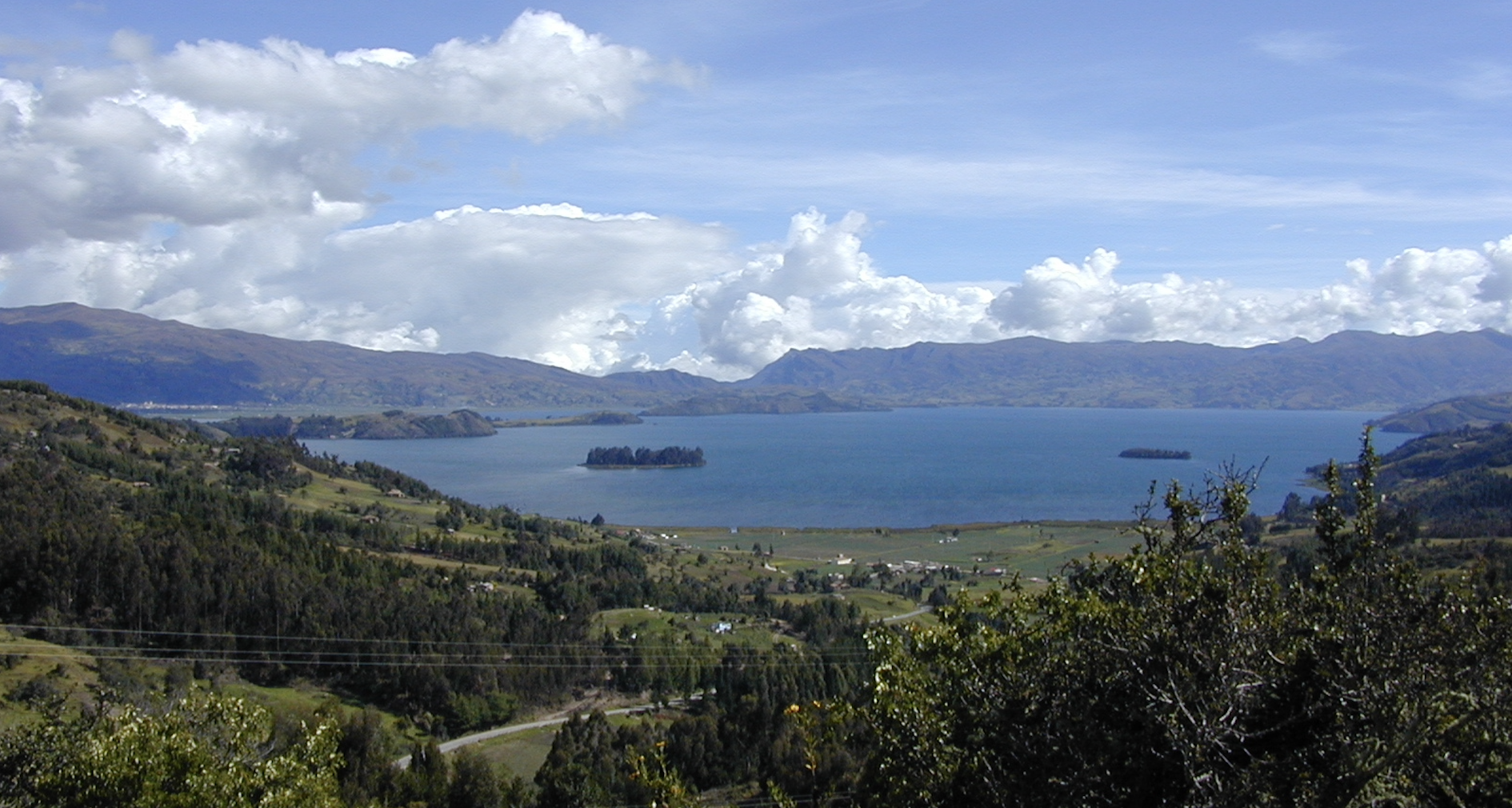
Lake Tota
Colombia’s Lake Tota: home of the elusive fat catfish
By Michael Edmondstone
What do an Iraqi shrine, the Batman River, and a lake where Pablo Escobar once had a cocaine factory have in common? Shoal and Re:wild are today launching our flagship campaign Search for the Lost Fishes, and both of these locations were previously home to species from the Top 10 Most Wanted list.
Now, we plan to work with local teams to visit these places in the hope of rediscovering the fish.
These Lost Fishes haven’t been observed in more than a decade, but are yet to be listed as Extinct. There is reason to believe they are still out there, waiting to be found, and Shoal aims to help find them so that we may install a conservation programme to give them a second chance at survival.
In collaboration with Re:wild and the IUCN-SSC Freshwater Fish Specialist Group, we have identified more than 300 freshwater fish species that fit within the parameters of a lost species. From this master list, we have chosen an initial Top 10 Most Wanted species that will kickstart a multi-year campaign.
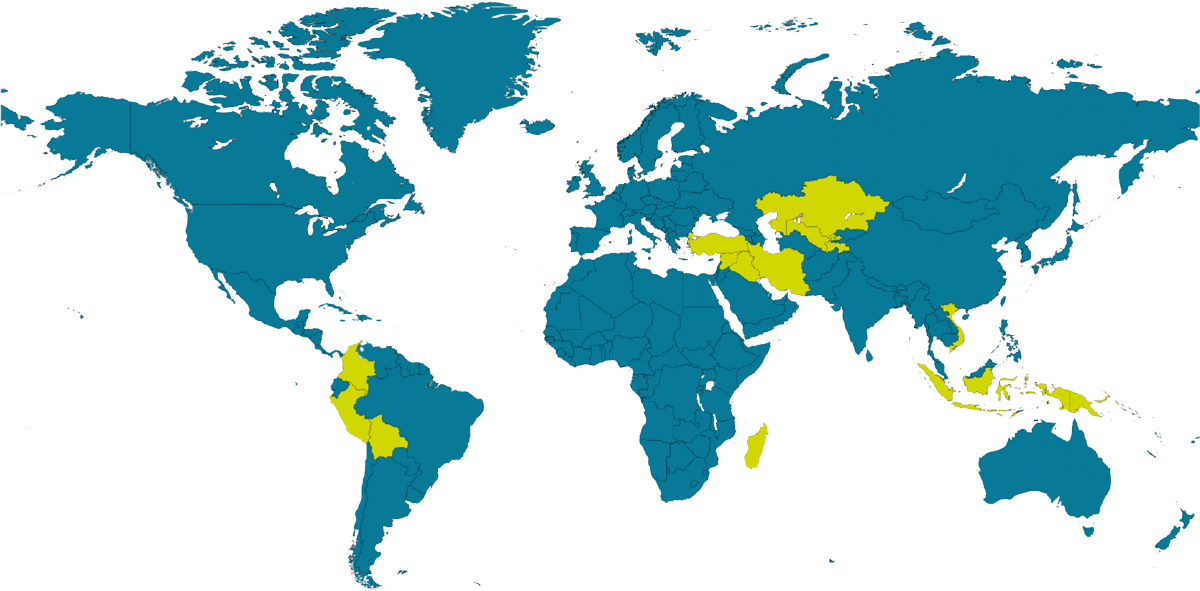
These ten species range from locations right around the world, from Colombia to Madagascar, from Vietnam to Papua New Guinea. Shoal will support and encourage expedition teams to work with local communities and experts to search in the habitats where the fish have previously been recorded, including some of the planet’s most far-flung freshwaters, from former war zones to the world’s highest lake, from a lake where Pablo Escobar once had a cocaine manufacturing plant, to an underground cavern underneath an Iraqi shrine.
But this is about much more than the expeditions Shoal is directly involved in: we’re calling on others to join the search and conduct their own expeditions to try and find these Lost Fishes. With expert input from Re:wild, we will publicise people’s stories of rediscovery and adventure as part of this shared campaign of hope and adventure.
The countries (in green) where the Lost Fishes have previously been recorded.
“The Search for Lost Fishes campaign is incredibly exciting,” said Mike Baltzer, executive director of Shoal. “While the project is driven by science and is aimed to give these species the best possible chance of survival, it also has a strong element of mystery and adventure about it. These species have amazing back stories, were all known from incredible locations and are still much loved by the local people. They are just as keen to find them as we are. Working with the local partners is a true highlight of the project”.
The first Lost Fishes expedition will be for the fat catfish. Shoal has secured preliminary funding for the search and it is planned to start in in Colombia over the coming weeks. It will involve using environmental DNA (eDNA) methods to detect whether the fish may still be in Lake Tota. The expedition team will sample the water, searching for traces of DNA left by the fat catfish. If the eDNA sampling comes back positive, conservationists will have proof that the fish still survives somewhere in the lake or nearby. The next step , if any DNA is found, will be to refine the search based on the location of the detected eDNA.
“If the fat catfish still survives, it will be one of the rarest fish in the world,” said Dr. Barney Long, senior director of conservation strategies, Re:wild. “There have only ever been 10 specimens found, so if the expedition does find the fat catfish, it would be hugely exciting. Also one question may finally get answered; why is it so fat? There is no other fish in the world like it and it has been one of the mysteries of ichthyology for years”.
Read about a previous expedition to find the fat catfish here.
Recent rediscoveries have fuelled hope that the species on the Top 10 Most Wanted Lost Fishes list will be found. The Dumbéa River pipefish was originally planned to be included on the list, but a sighting of the fish in New Caledonia, based on a single record on iNaturalist, a citizen science app, was recently confirmed by scientists. Damien Brouste, a naturalist and angler, became the first person with a confirmed sighting of the species in over a decade.
All things being well, some of these other elusive fish will be rediscovered. And, when they are, the real work of helping bring them back from the brink of extinction will begin.
The Top 10 Most Wanted Lost Fishes:
• Duckbilled buntingi in Indonesia
• Fat catfish in Colombia
• Spinach pipefish in Papua New Guinea
• Syr Darya shovelnose sturgeon in Kazakhstan, Tajikistan and Uzbekistan
• Annamite barb in Vietnam
• Haditha cavefish in Iraq
• Batman River loach in Turkey
• Titicaca orestias in Bolivia and Peru
• Itasy cichlid in Madagascar
• Leopard barbel in the Tigris-Euphrates river system in Eastern Turkey, Eastern Syria, Iran and Iraq
Shoal and Re:wild are asking anyone to contact them if they can sponsor or partner with us to undertake the expeditions and establish the urgent, vital conservation action these lost fishes need if they have survived.
Post Overview
Michael Edmondstone
June 9th 2021
Conservation, Fish, Lost Fishes, Report, Stories
Share this post:
Recent News
One of the World’s ‘Most Wanted’ Lost Fish Is Rediscovered
Shoal has released a critical report with WWF and 15 other leading conservation organisations , calling on governments to commit to an Emergency Recovery Plan for global freshwater biodiversity.
‘The World’s Forgotten Fishes’ report is a urgent call to arms for authorities to ramp up their action towards conserving freshwater ecosystems. Bold, ambitious prioritisation will be essential if we are going to bend the curve of the biodiversity crisis and safeguard the futures of freshwater species. As the report says, ‘2021 may be the last chance for governments to chart a new course that could reverse the loss of nature and put the world back onto a sustainable path’.
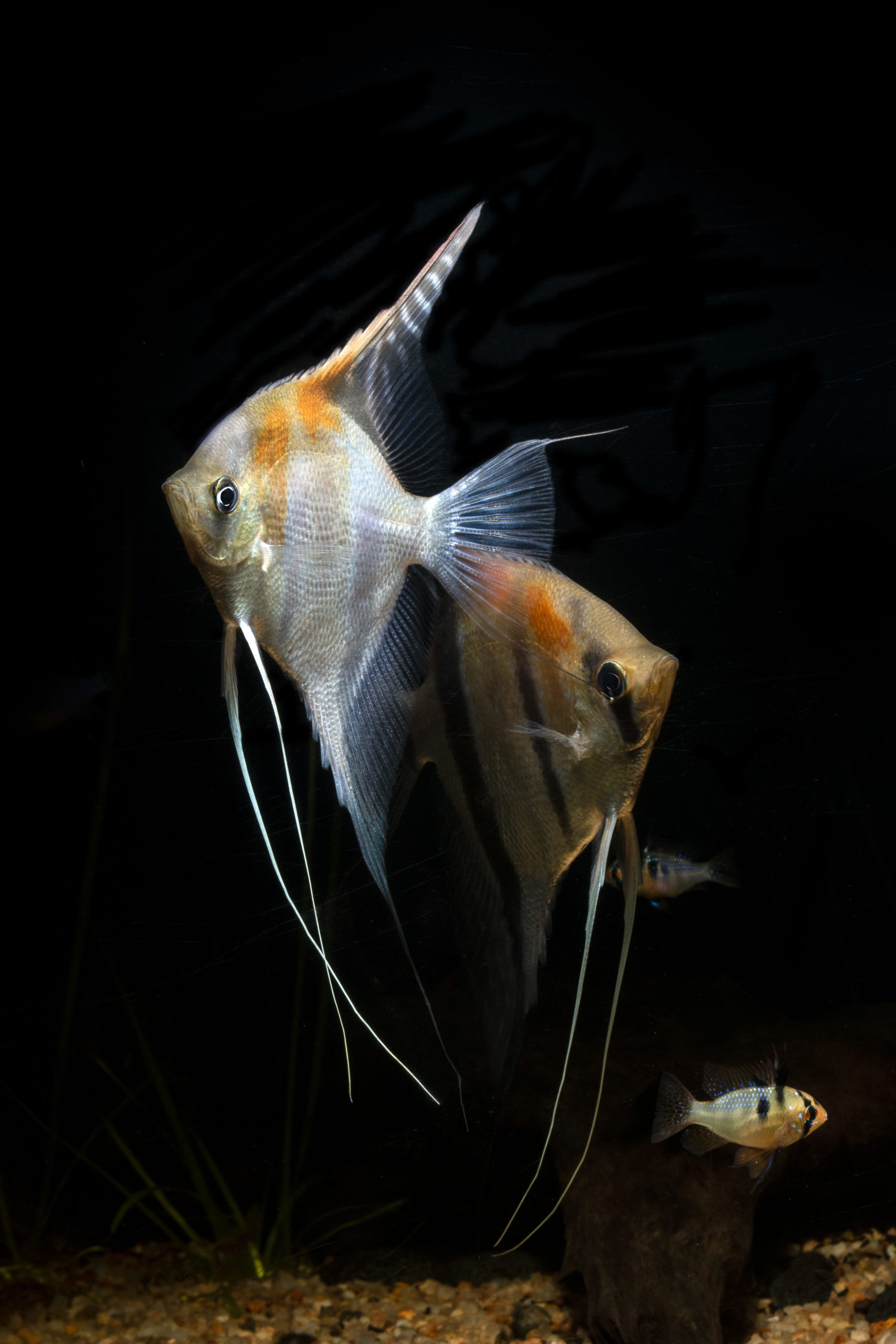
The report details the importance of freshwater fish, and discusses their central role in the livelihoods of millions of people around the world. It discusses the money generated through recreational activities such as angling, the impressive cultural heritage fish have woven into our lives, and the potentially surprising fact that aquarium fish are more popular than cats or dogs.
It explains the reasons for the catastrophic decline in fish species populations and, crucially, sets out the Emergency Recovery Plan that is needed to guide policymakers:
Allowing rivers to flow more naturally.
Reducing pollution.
Protecting critical wetland habitats.
Ending overfishing and unsustainable sand mining.
Controlling invasive species.
Safeguarding and restoring connectivity.
The report confirms that the ‘freshwater transition is a realistic and pragmatic one, based on measures that have already been tried and tested in at least some rivers, lakes and wetlands’, and goes on to say that ‘it is a comprehensive plan that moves us away from today’s ad hoc conservation successes towards a strategic approach that can deliver solutions at the scale necessary to reverse the collapse in biodiversity and set us on course to a future where our freshwater ecosystems are once again fully healthy and teeming with freshwater fishes and other wildlife’.
The Shoal team has grown from two to three with the appointment of Dr. Harmony Patricio as the Conservation Programme Manager. She brings more than 13 years of conservation research, practice and policy experience to the role, including six years designing and implementing freshwater conservation programmes in the Mekong River Basin. Let’s get to know her a bit better!
Harmony, can you tell us more about the work you did in the Mekong River Basin?
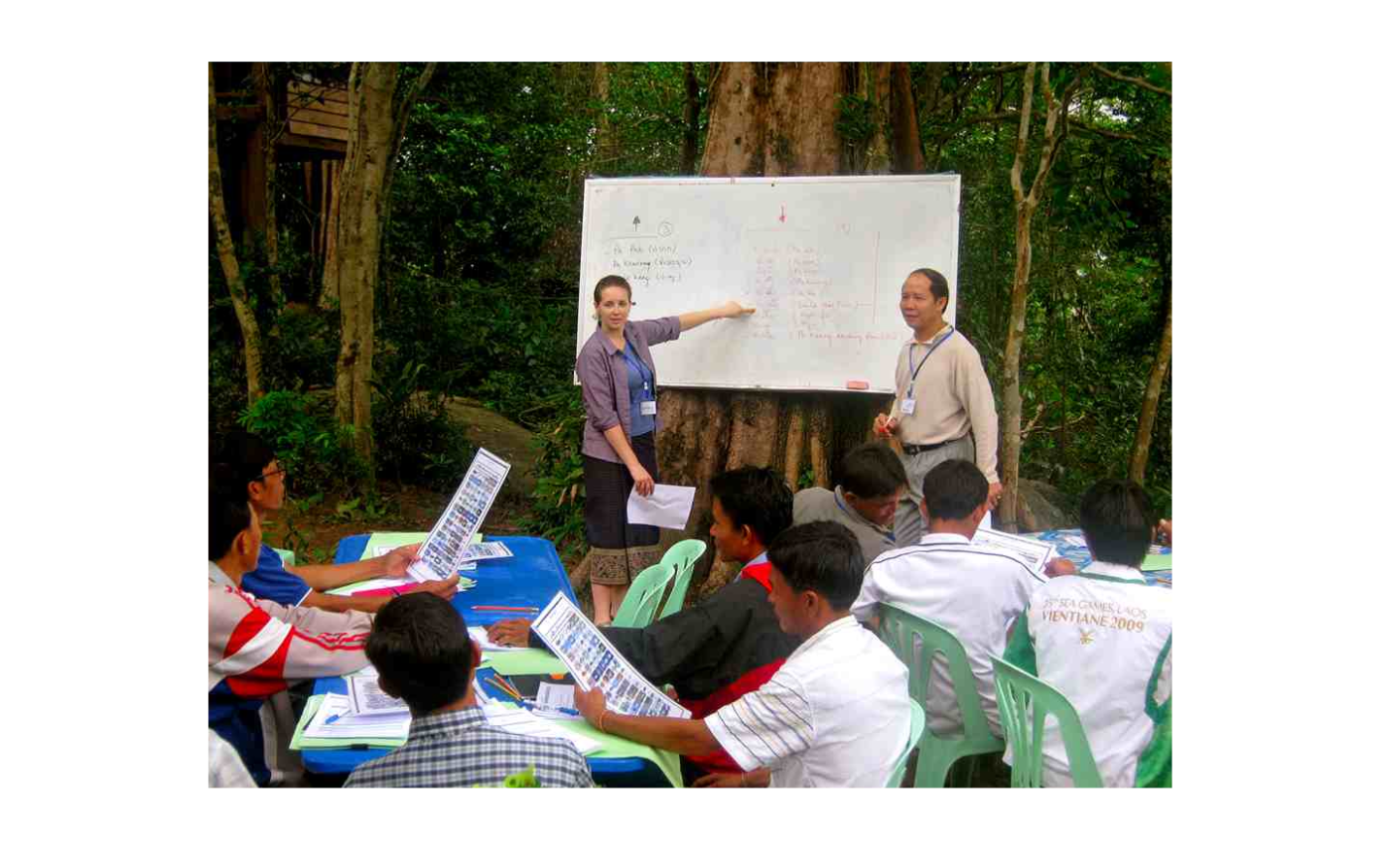
In the Mekong, I collaborated with fishing communities, governments, universities and NGOs to develop and implement freshwater biodiversity research and conservation programs. I spent a great deal of time working with rural fishers and villagers, training many of them to collect data on the fish harvests, fish sales at markets, and fish consumption in households. I created the Mekong Fish Network, to provide resources and support research collaboration among countries in the Mekong Basin, because many fish species migrate across national borders.
Your PhD research focused on the development of novel environmental DNA methods to assess river biodiversity and determine distributions of rare fishes. What conclusions did your research provide about both river biodiversity and rare fish distribution?
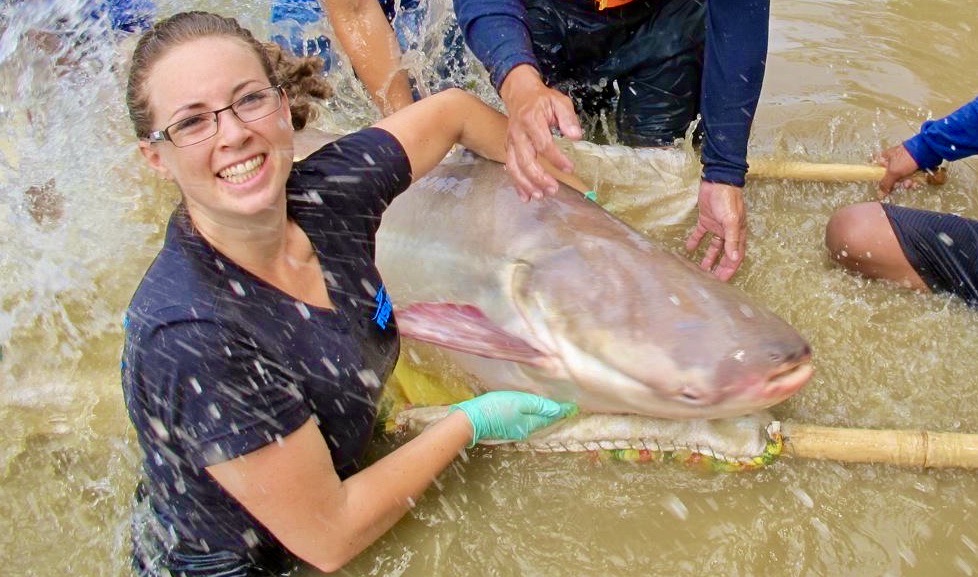
My PhD work led to a better understanding of the factors that influence the reliability of biodiversity data gathered through the use of environmental DNA (eDNA) methods in rivers. My work also demonstrated that it is possible to detect an extremely rare fish (the Mekong giant catfish) in a large tropical river using eDNA techniques, which had never been tested before, and indicated that the distribution of the Mekong giant catfish may be shrinking.
You’ve dedicated your career to freshwater conservation. What originally drew you to focus on an aspect of conservation that’s often overlooked?
I decided to focus on freshwater species conservation once I learned that they are going extinct faster than marine or terrestrial species. The primary and overarching motivation behind my conservation work is to stop extinctions, and so I have dedicated myself to the conservation of the species facing the highest rates of extinction. This focus gives me the most opportunities to help save species from extinction. My interest in freshwater species was also sparked by learning how important freshwater fish are for millions of people around the world, especially in developing countries, often representing the primary source of protein and income. Fish conservation can benefit nature and people, which can help promote acceptance of the concept of conservation among communities and decision makers.
Harmony teaching
Finally, what are you most looking forward to with Shoal?
I’m so excited to join the Shoal team because this initiative will take freshwater biodiversity conservation to the next level. I look forward to developing a strong network of diverse partners that will work closely together to effectively tackle the urgent threats facing freshwater species. I’m excited to help build capacity around the world to implement conservation actions where they are most needed, and to raise awareness on a global level. I’m passionate about translating science for those without a technical background, so that research results are used to catalyse conservation action on ground, and working with Shoal provides the opportunity to put this passion into practice.
Harmony serves on the Freshwater Conservation Committee and Freshwater Fish Specialist Group of the IUCN Species Survival Commission. She is also the Co-Chair of the Freshwater Specialist Group for the IUCN World Commission on Protected Areas.
She joins us in partnership with Re:wild and the IUCN SSC Freshwater Fish Specialist Group.
Post Overview
Michael Edmondstone
November 2nd 2020
Conservation, Fish, Interview, Stories
Share this post:
Recent News
One of the World’s ‘Most Wanted’ Lost Fish Is Rediscovered
Migratory fish are amazing. Many species swim thousands of miles on epic journeys across oceans and up rivers to spawning grounds. They provide critical protein sources for over one billion people, and they are essential links in the wider food web, helping ensure healthy ecosystems for countless other critters.
World Fish Migration Day is an annual event that celebrates these incredible animals and highlights the importance of free-flowing rivers. Most of the world’s rivers are fragmented by dams, weirs or sluices, leading to hundreds of fish species being unable to complete their natural migrations. The loss of natural swimways has played a devastating role in the decrease of freshwater fish populations, which have declined by 84% since 1970.
To mark the occasion, we wanted to showcase five of the most remarkable migratory fish. Here goes!
Mekong giant catfish
The Mekong giant catfish is massive. Individuals can weigh up to 350kg and reach lengths of up to 3m. Despite their monstrous size, they are gentle giants, opting to feed on algae and tiny invertebrates living on the river bottom. They were once abundant, and cultural practices dictated when and where they could be captured. Like many migratory species though, they are now incredibly rare and have been assessed as Critically Endangered. They are so rare, in fact, that researchers seldom see them in the wild. Harmony, our Conservation Programme Manager, was lucky enough to get up close and personal with them in a reservoir in Thailand, and they were calm and curious enough to swim right up to her and butt her legs while she stood waist-deep in the water. So cute.
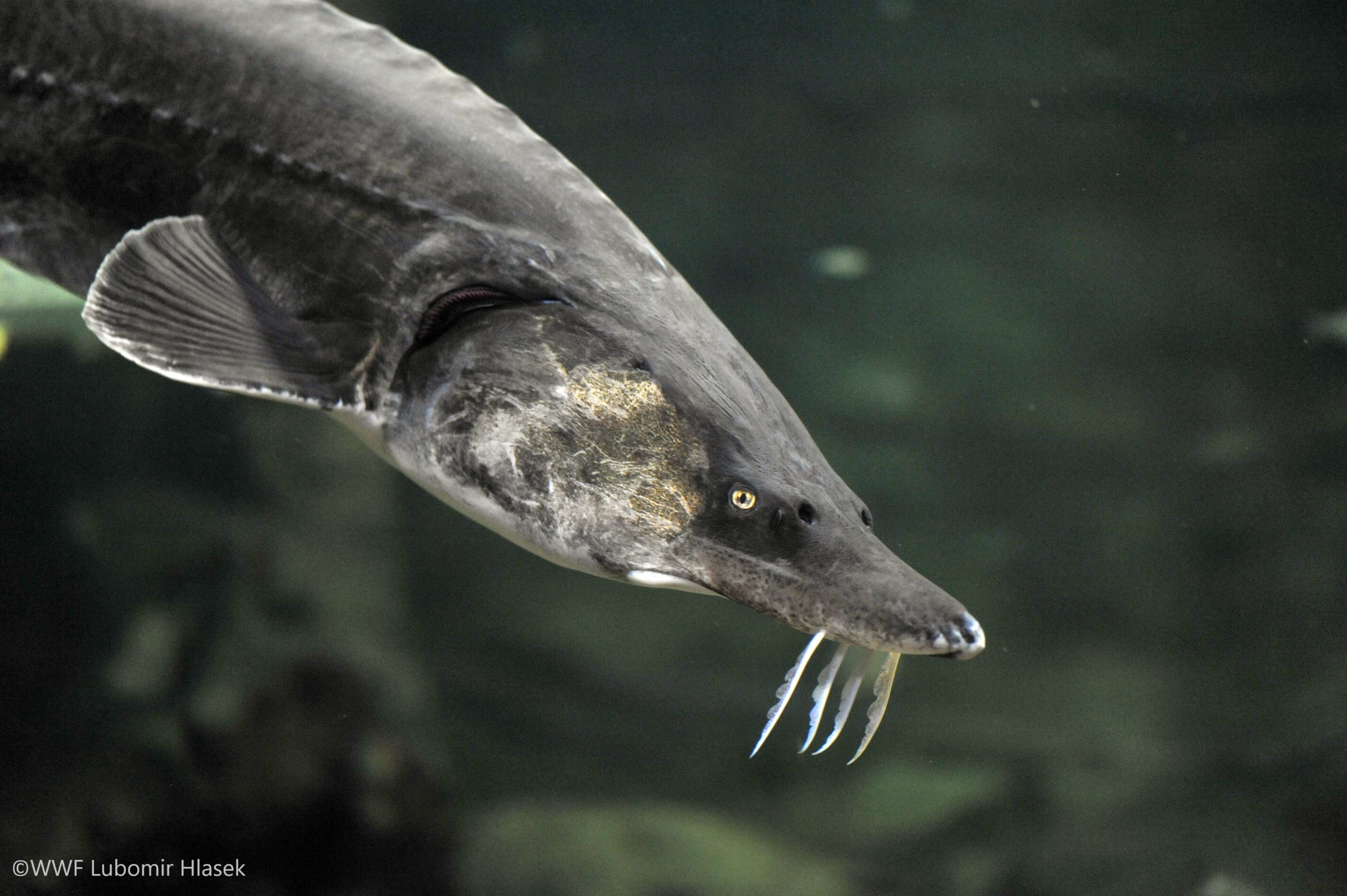
If you thought the Mekong giant catfish was large, how about this: the beluga sturgeon can weigh more than 1,200kg and grow up to 8m in length. That’s almost as long as an old London Routemaster double-decker bus! Sturgeon are the world’s oldest group of fishes, stretching back 200 million years, 50 million years before the first birds came into existence. These living fossils have strong bony plates known as ‘scutes’, instead of scales and, like sharks, have skeletons made of cartilage rather than bone. Although they face no natural threats, overfishing for their meat and caviar, along with habitat loss due to damming and river fragmentation, have caused the species to be listed as Critically Endangered. According to the IUCN Red List of Threatened Species, about 90% of their natural spawning habitat has disappeared. Their survival now depends on hatcheries.
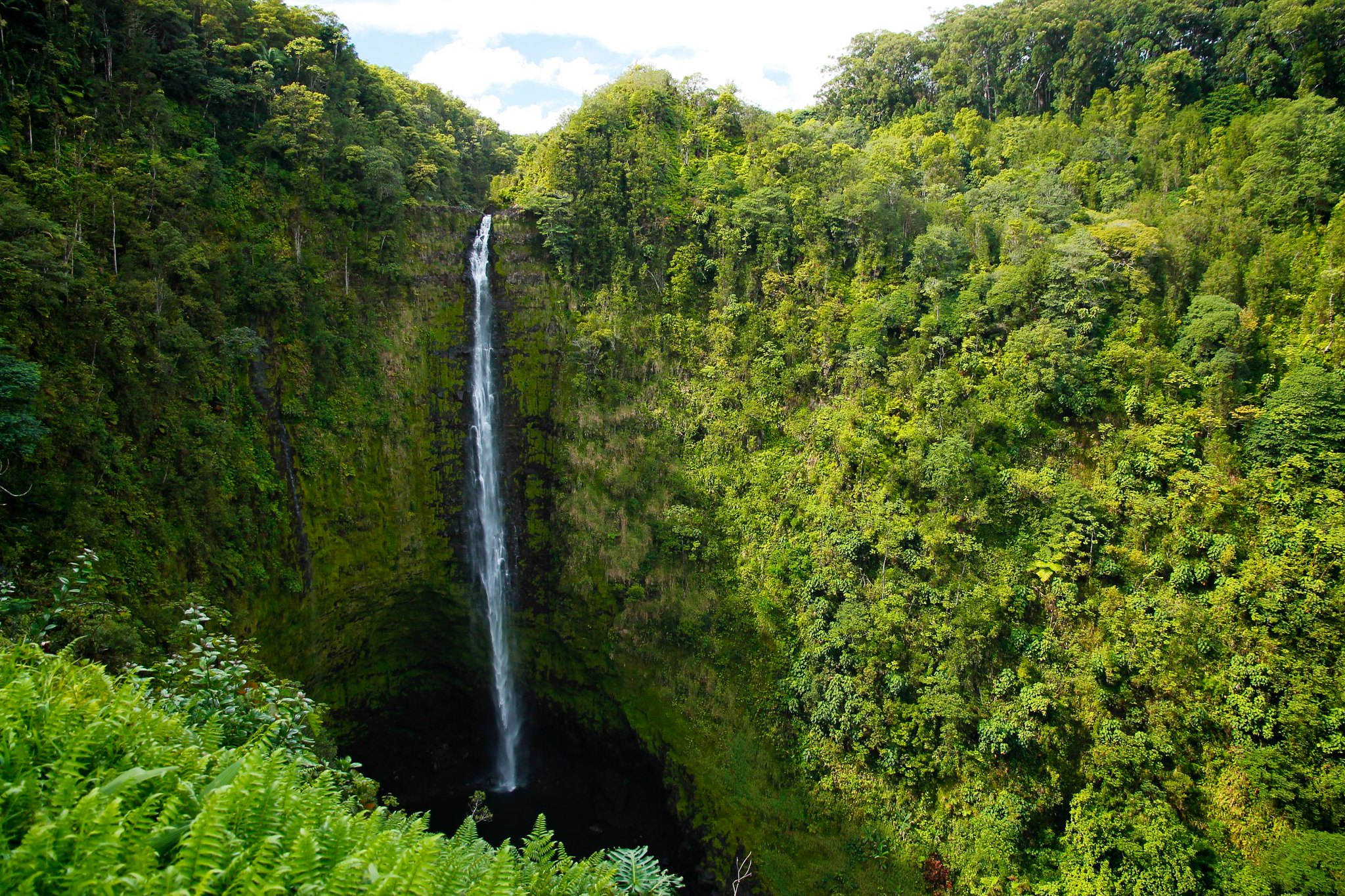
From the massive, to the mini. The Hawaiian freshwater goby may only measure around 7cm, but they have one of the most surprising migrations of any fish. Juveniles journey from the sea to freshwater streams, where they mature into adults. What do they do though when they reach the immense vertical barrier of the 135m Akaka Falls? They use their sucker-like mouth and fused pelvic fins to scale the slippery rocks – they literally climb up the falls, pulling themselves up fin by fin! Once they have safely negotiated these seemingly impassable obstacles, they settle in calm mountain streams before spawning their own eggs, which float downstream into the sea and hatch, continuing the migratory cycle.
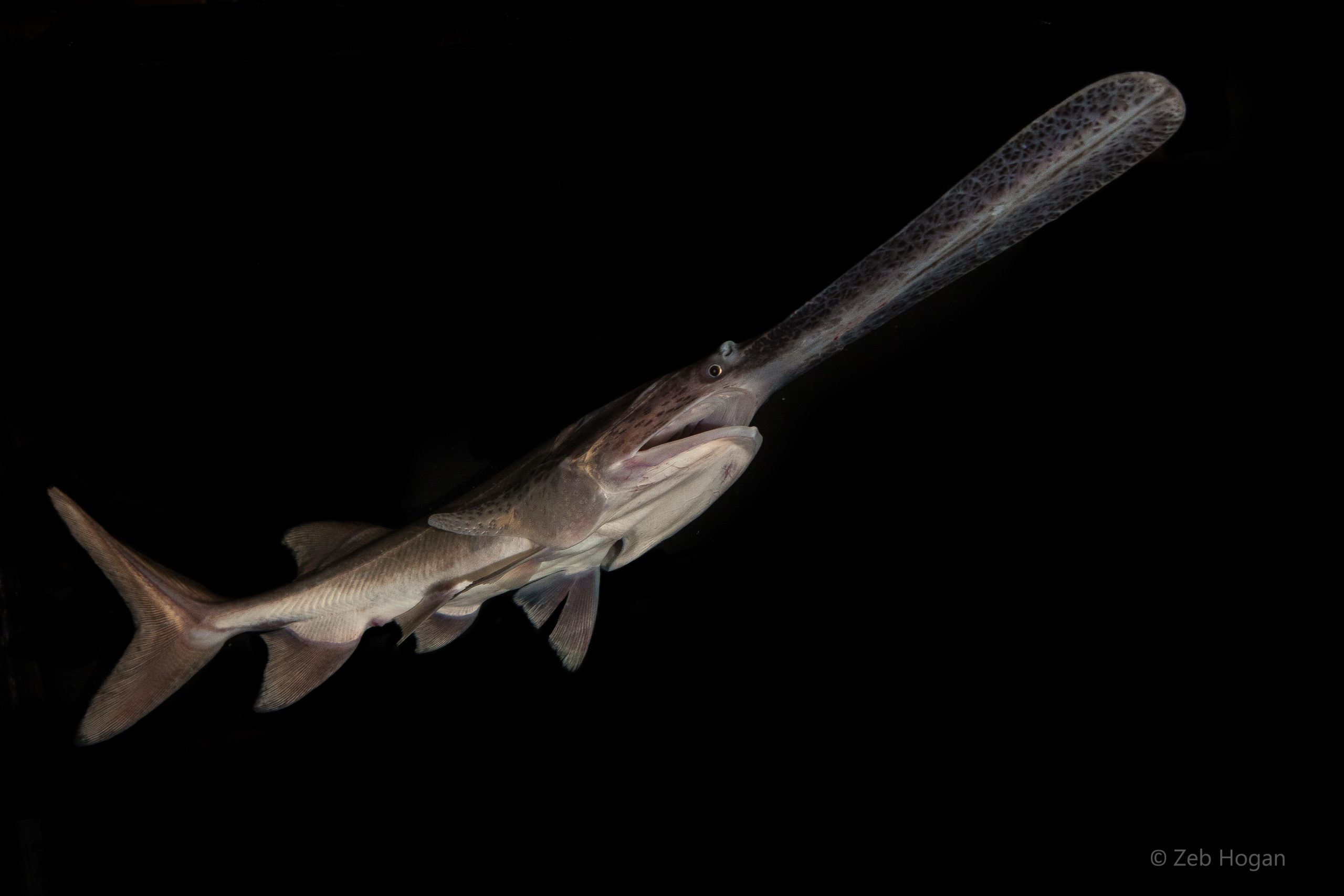
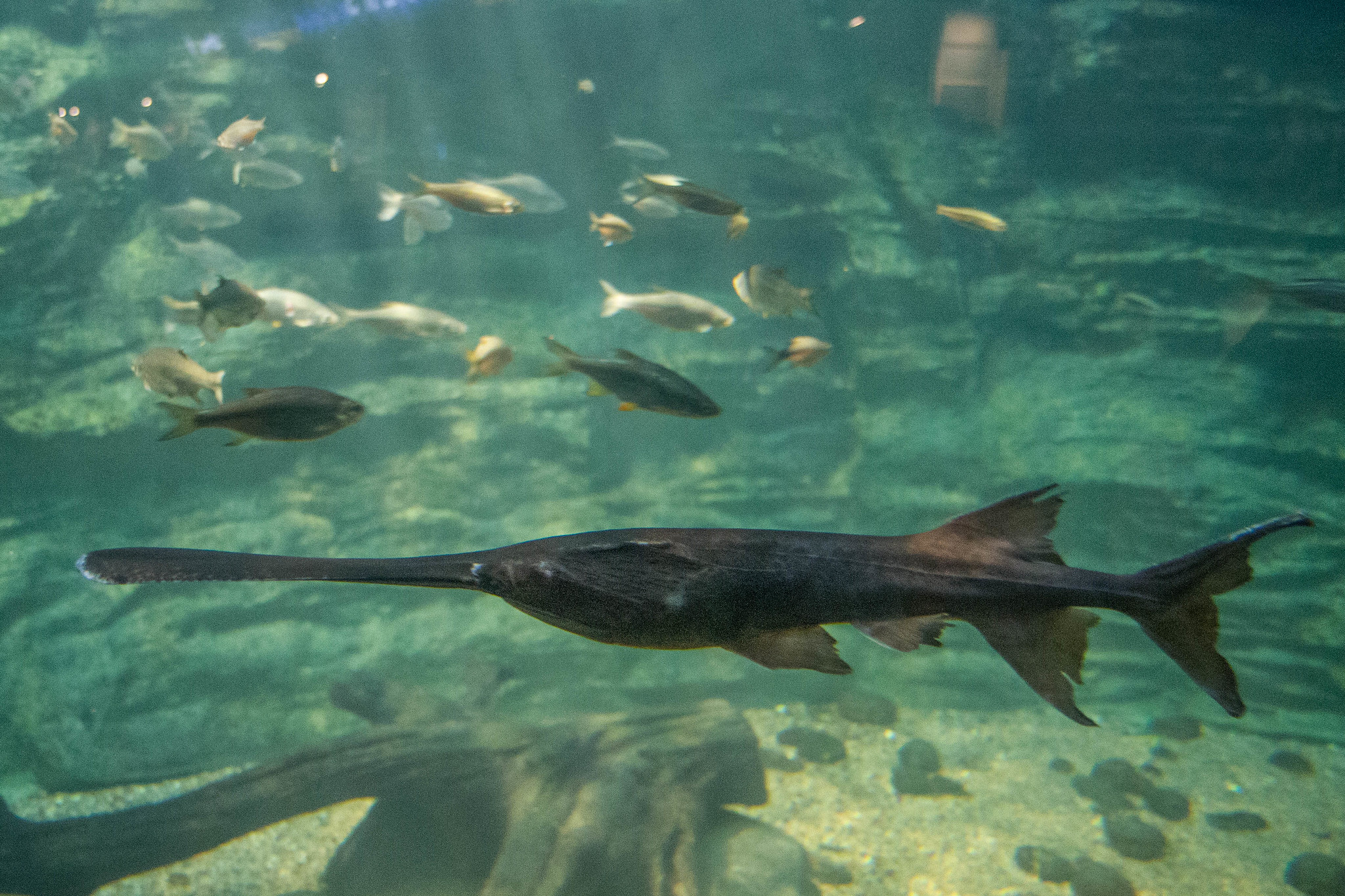
In the slow-flowing freshwaters of the Mississippi River swims a strange-looking creature. Its movement slow and considered, its mouth gaping wide like a yawn, and, most bizarre of all, its snout extended from above the eyes into a long, flat paddle shape. The American paddlefish, also known as the spoonbill, is now the only living paddlefish species in the world, after its close cousin, the Chinese paddlefish, was declared extinct earlier this year. They are filter feeders – hence the wide mouth – and have no need for teeth, as their diet consists of microscopic plants and animals. Their paddle, or rostrum, is covered with tens of thousands of sensory receptors which pick up weak electrical fields given off by swarms of zooplankton, allowing them to find their food. Their migrations can take them 2,000 miles throughout a river system, and they are able to swim through brackish water, where saltwater mixes with fresh. The species’ meat and eggs are highly prized, which has led to illegal poaching and put increased pressures on populations. The species is now listed as Vulnerable.
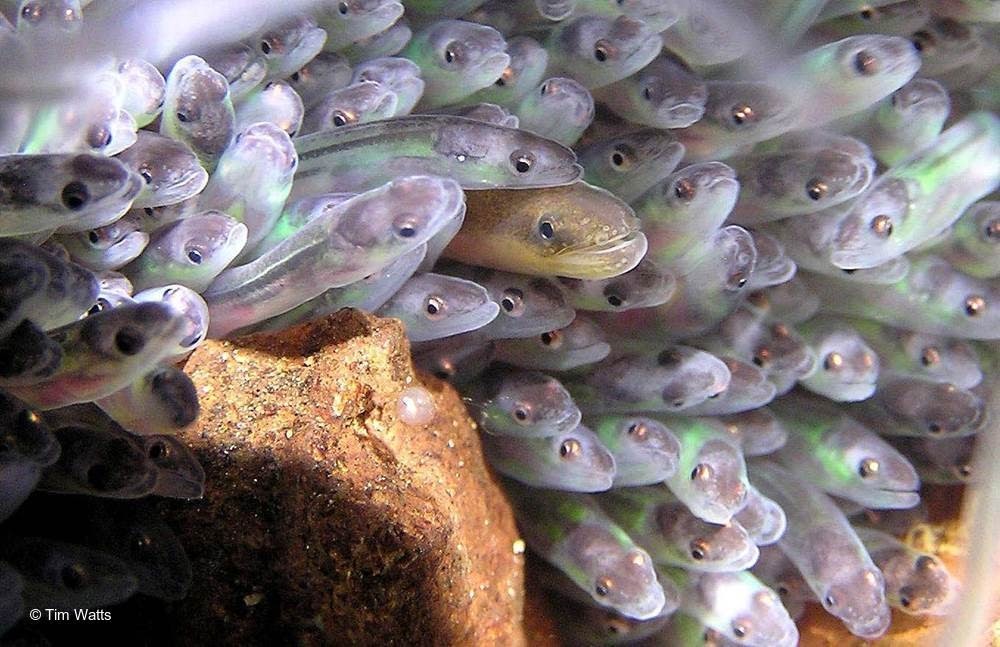
No list of incredible migratory fish would be complete without a nod to the fantastic European eel. Much of their life is shrouded in mystery, and their lifecycle includes one of the most remarkable feats of animal migration observed in nature. After spawning in the Sargasso Sea, it is assumed the eggs drift on Gulf Stream currents towards Europe. They hatch into larvae and subsequently morph into tiny cylindrical fish that are almost completely transparent. These ‘glass eels’ find their way into freshwaters, and darken in colour to become ‘elvers’. Migrating upstream, they mature into the dark adult eels that people are most familiar with. They can stay in these freshwater habitats for more than 20 years before they morph again, this time into ‘silver eels’, which swim back to the Sargasso Sea to spawn.
Incredibly, no silver eel has ever been caught in the open ocean. It is still unknown to science how long it takes them to reach their spawning grounds, or what kind of percentage of silver eels that left Europe survive the epic journey to the Sargasso Sea to spawn.
Once so common that they were used in medieval Europe as currency, they now face huge anthropogenic pressures and have seen their numbers drop by up to 95% across Europe. One of the drivers of this catastrophic loss is a huge, highly organised network of criminal gangs, who illegally traffic glass eels from Europe to Asia to feed a voracious market. The species is currently listed as Critically Endangered.
In March this year, Shoal initiated a workshop with partners and experts to initiate immediate conservation action for one the most threatened group of fish species in the world.
Most of us are now familiar with forest fires in Southeast Asia. We have seen disturbing images of orangutans desperately looking for a haven to flee to and seen cities, like Singapore, choking on smoke drifting in from the forests of Indonesia and Malaysia. In most cases, these fires are burning ancient deep lowland peat swamp forests and many are derived from land clearance for crops such as palm oil. But what is often overlooked is that this destructive land clearance is driving a set of fish species rapidly towards extinction.
Peat swamp fishes are also known broadly as blackwater fishes. This refers to the dark tea coloured water that flows through peat swamps. These highly acidic and nutrient poor streams support a unique set of species adapted to these specialised conditions. The fishes are often small and intensely beautiful. Those with startling colours has led to a great deal of popularity with aquarium hobbyists such as the genera Betta, Parosphromenus, and Rasbora. These peat swamp fishes are now one of the most threatened group of fishes in Southeast Asia.
In fact, conservation attention to this group of fishes has been raised recently by some concerned aquarists. The Parosphromenus Project, originating in Germany, is an initiative led by aquarists that keep and breed this amazing genus. Set up originally to share knowledge on how to keep these species, the Project became more focused on ensuring a robust collection of species in their homes but also helping to secure the species in the wild.
More recently, the IUCN Asian Species Action Programme with Singapore Zoo (Wildlife Reserves Singapore) have been drumming up action for the most threatened (those categorised as Critically Endangered under the IUCN Red List) species of fishes in Southeast Asia. Shoal is now helping these partners to create an action plan and it has simultaneously been decided to initiate immediate conservation action for the peat swamp species already recognised as an urgent priority.
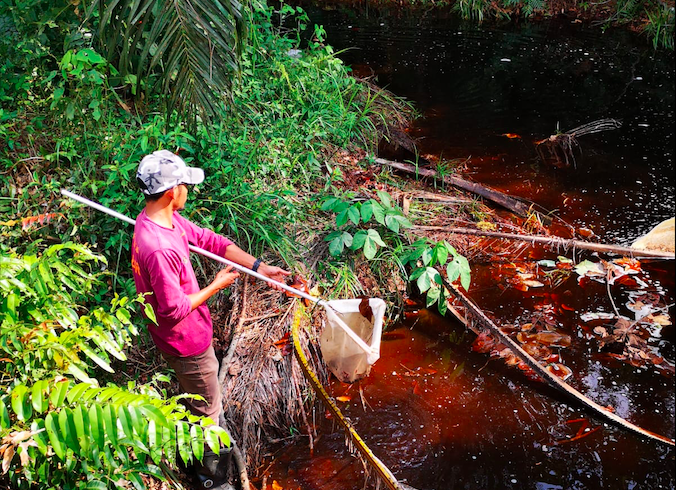
Sampling at North Selangor Peat Swamp Forest Reserve with the Global Environment Centre team and experts in peat swamp fishes.
Despite the work of the Parosphromenus Project and a small number of taxonomists, new species are being added to the Parosphromenus genus and their status, along with many other of peat swamp fishes is still poorly understood.
Only about 7mm in length Paedocypris progenetica is one good example of this. Discovered in 1996 in a peat swamp in Sumatra, it is the world’s smallest fish, in fact the world’s smallest vertebrate. Since this remarkable discovery a number of other new species of this genera have been found and more are waiting to be described. They were probably overlooked as fry until a pregnant female indicated that this was the really its fully mature size.
On 5 and 6 February 2020, a group of experts met in Malaysia to draw up an action plan for endangered peat swamp fishes in Malaysia. The meeting was hosted by Monash University Malaysia (MUM) and Global Environment Centre (GEC), facilitated by Mike Baltzer from Shoal. It included Wentian Shi from the Parosphromenus Project and other experts such as Dr Casey Ng, Amiruddin Ahmad and Ella Michael Dosi and Mohamad Sufiyan bin Salmi from the Malaysian Ministry of Fisheries. The meeting was rapidly pulled together with limited funding and just as the outbreak of coronavirus was known. Support was provided by Wildlife Reserves Singapore and most of the participants covered their own time and costs to attend the meeting.
On Day One, the group met at the Global Environment Centre field office at the North Selangor Peat Swamp Forest Reserve (NSPSFR) and was briefed by their CEO, Faizal Parish and his team. On day two, a workshop was held at the MUM campus in Selangor led by Dr Holly Barclay to gather the information and devise a plan.
During the workshop, the experts discussed which species should be considered as conservation priorities and peat swamp specialists, the location of the habitats these species rely on and the actions required to save them from extinction. A plan has been drafted and will be worked on further as more information is obtained. The next step is to design and fund the most urgent projects. Three areas, including a section of forest adjacent to the NSPSFR but threatened by oil palm expansion, were identified as the highest priorities for urgent action. The team also noted that more information is required on the status and distribution of peat swamps and threatened species in Sabah and Sarawak (Malaysian Borneo). The participants also agreed to form a working group and aim to discuss and meet regularly to update the action plan and most critically to initiate action. Experts and interested parties are invited to join the group.
It is hoped to undertake a similar process for peat swamp species in Indonesia as soon as possible.
For further information, please contact Mike Baltzer at Shoal mike@shoal.org.uk
Sampling at North Selangor Peat Swamp Forest Reserve, Parosphromenus alfredi (Haji Banaruddin) and the workshop at Monash University Malaysia
Shoal is excited to announce a new partnership with world renowned aquatics brand Fluval, a division of Rolf C. Hagen Inc. We will be working with Fluval to raise the profile of freshwater species conservation in the aquatics sector, helping more aquarium hobbyists to become engaged in conserving the species they love in the wild. To learn more about the partnership, Join The Shoal, our new online platform, or like Fluval on Facebook.
Post Overview
Merlin
January 27th 2020
Conservation, Stories
Share this post:
Recent News
One of the World’s ‘Most Wanted’ Lost Fish Is Rediscovered
At the end of 2019, buried in other news stories and festive cheer, there was one story which struck a sombre note, the scientific confirmation of the extinction of the Chinese paddlefish (Psephurus gladius). In truth, the fate of the Chinese paddlefish has been sealed for a short-while, the changes to its habitat and fishing pressures providing an insurmountable barrier. Now the American paddlefish stands alone at the end of this evolutionary branch of fishes which first took root in the Jurassic period more than 200 million years ago.
While we should lament the loss of the paddlefish, we must also learn the lessons from its extinction and work towards making a difference for those fishes for which there is still time. In this article, we take a look at five species which are where the Chinese paddlefish was 20-30 years ago, clinging on, but in need of urgent conservation action.
While each of these stories strikes a sombre note in many respects – it should also be seen as a cause for optimism. For all of these species something can be done, it is not too late to take action to save them. There is a crucial window of opportunity, and many passionate people around the working towards seizing it, for these and many other freshwater species – unfortunately there was no shortage of candidates for this list. By working together, fish lovers around the world can make a difference to their fate and shift these species away from extinction. Shoal has been founded to help make this happen.
1. Adriatic sturgeon (Acipenser naccarii):
Range: Northern Italy, former range includes Croatia,
Estimated remaining population: 0 – 250. It is possible that the species is no longer reproducing in the wild.
Population trend: Decreasing
Captive Population: Yes, the species is being stocked in the Po River Basin.
IUCN Red List Category: Critically Endangered
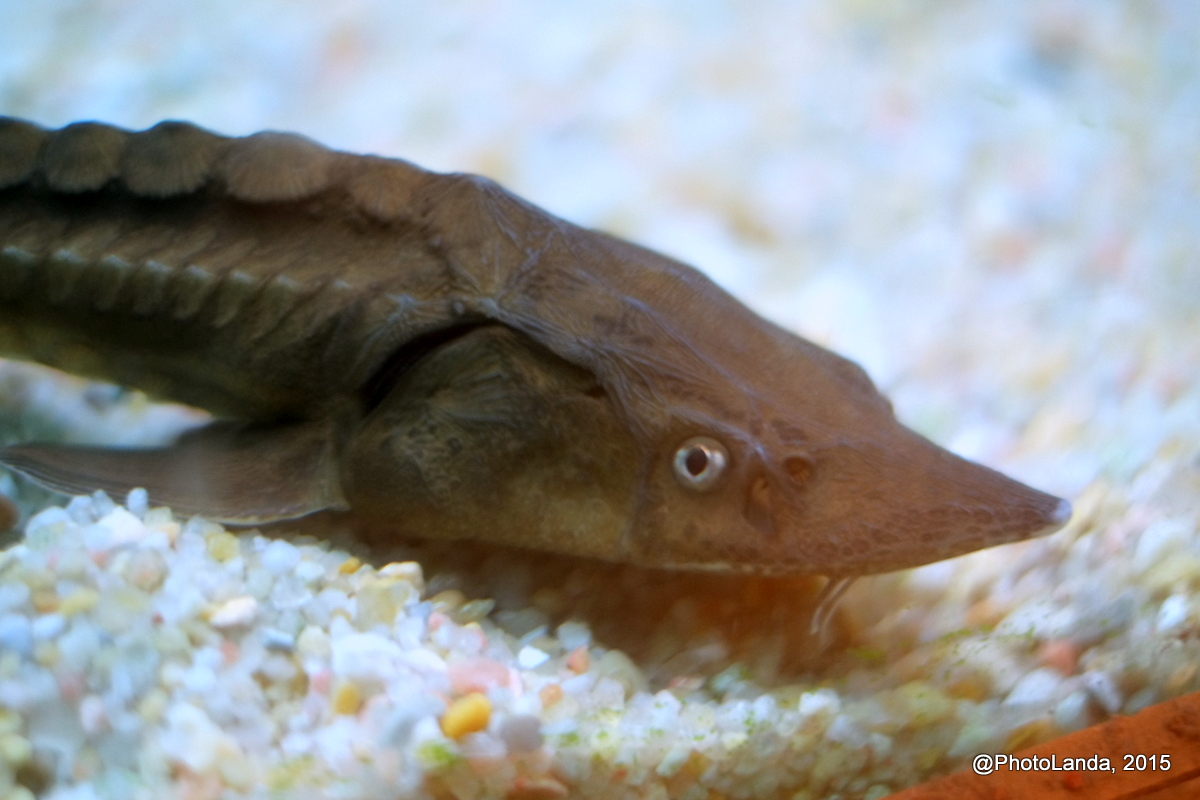
(c) PhotoLanda
The Adriatic sturgeon is endemic to the rivers of northern Italy and the Balkans and the coastal waters of the North-Eastern Mediterranean. Like the Chinese paddlefish, the Adriatic sturgeon has an ancient lineage, its ancestors survived the mass extinction event which saw the end of the dinosaurs and they have roamed rivers across North America, Europe and Asia for millennia. 85% of sturgeon species are assessed as threatened with extinction, making them the most endangered species group in the world on the IUCN Red List.
The Adriatic Sturgeon is now believed to only survive in the Po River and its tributaries in Northern Italy. There is no certainty that the population here is still spawning either, or the most optimistic assessments is that there are less than 250 individuals in this population. Unlike the Chinese paddlefish however, the Adriatic Sturgeon has been bred in captivity, meaning that its populations can be stocked and even reintroduced in areas such as Croatia, Albania which were once strongholds for these species. However, for this to happen the habitats which the sturgeon relied upon need to be restored. Instead, current trends in the Balkan states are seeing an increasing number of rivers dammed, depriving the Adriatic Sturgeon of additional habitats where populations could be revived.
The recently agreed European Sturgeon Conservation Strategy brings hope of coordinated, pan-European action to save species such as the Adriatic sturgeon. It has been agreed by the EU and 50 European states and is legally binding under the Bern Convention.
2. Sahara Killifish (Aphanius saourensis)
Range: Endemic to the Oued Saoura Basin, Algeria
Estimated remaining population: Unknown, likely extinct in the wild.
Population trend: Unknown
Captive population: Yes
IUCN Red List Category: Critically Endangered
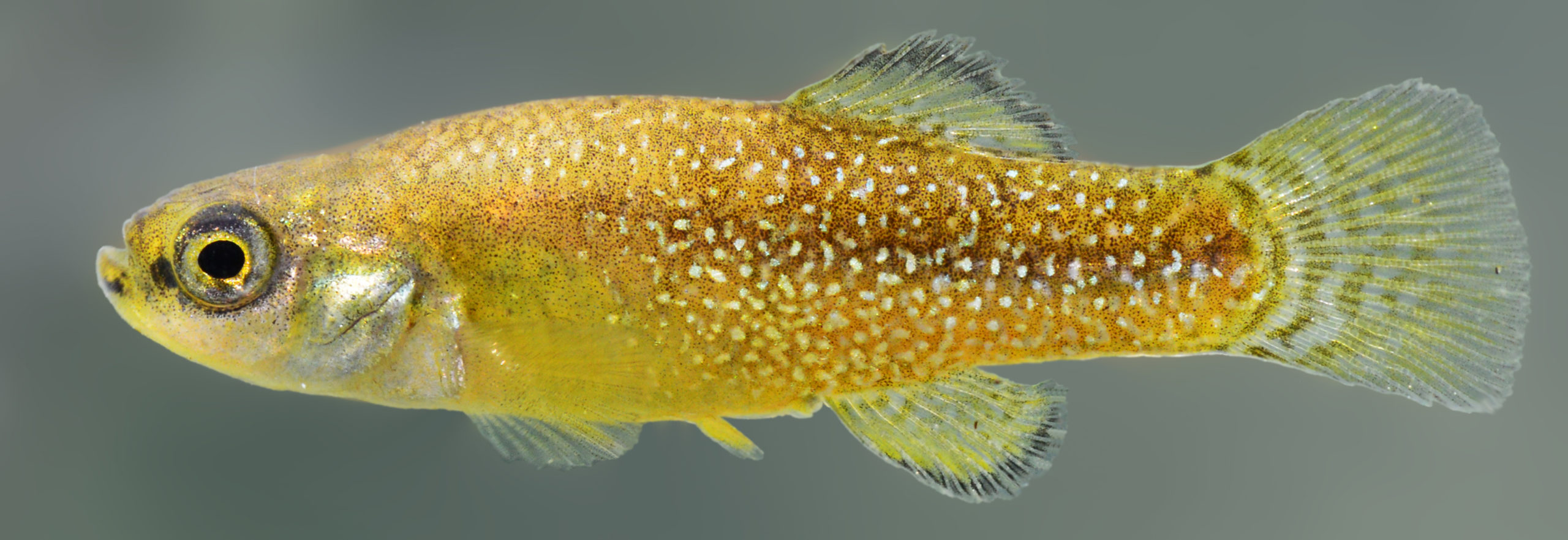
(c) Jorg Freyhof
The Sahara is perhaps the last place on Earth you would expect to find a freshwater fish. Freshwater is the scarcest of resources here, but killifish are an ingenious genus adapted to survive even when they are, almost literally, a fish out of water. Yet for the Sahara killifish, a tiny fish measuring just 4cm in length, a combination of pollution and invasive species may have proved too much. Extensive surveys of its previous known habitats in 2013 failed to locate any killifish. At the sites where they were clinging on in 2003 the only fishes found are invasive mosquitofish and tilapia – their presence and abundance almost certainly contributory factors in the decline of the Sahara killifish.
Fortunately, there is a small captive population of this species, another example of hobbyists’ collections becoming a vital ex-situ reserve which could allow a species to evade extinction and return to the wild.
However, for the Sahara killifish to return to the wild, urgent conservation of its habitats will be required. Many of these habitats have now shrunk considerably due to over extraction of their precious water resources, pollution, and the aforementioned introduction of invasive species. Across North Africa there are in fact a number of species, such as the footless killifish (Aphanius apodus) and the giant Atlas barbel (Labeobarbus reinii) which are estimated to also be on the brink of extinction. Urgent conservation attention is needed in this region if these species are to be saved, and with them some of the Sahara’s most valuable freshwater habitats.
3. Hump-backed mahseer (Tor remadevii):
Range: Endemic to the Cauvery river basin, in Southern India
Estimated remaining population: Unknown
Population trend: Decreasing
Captive population? No
IUCN Red List Category: Critically Endangered
(c) John Bailey
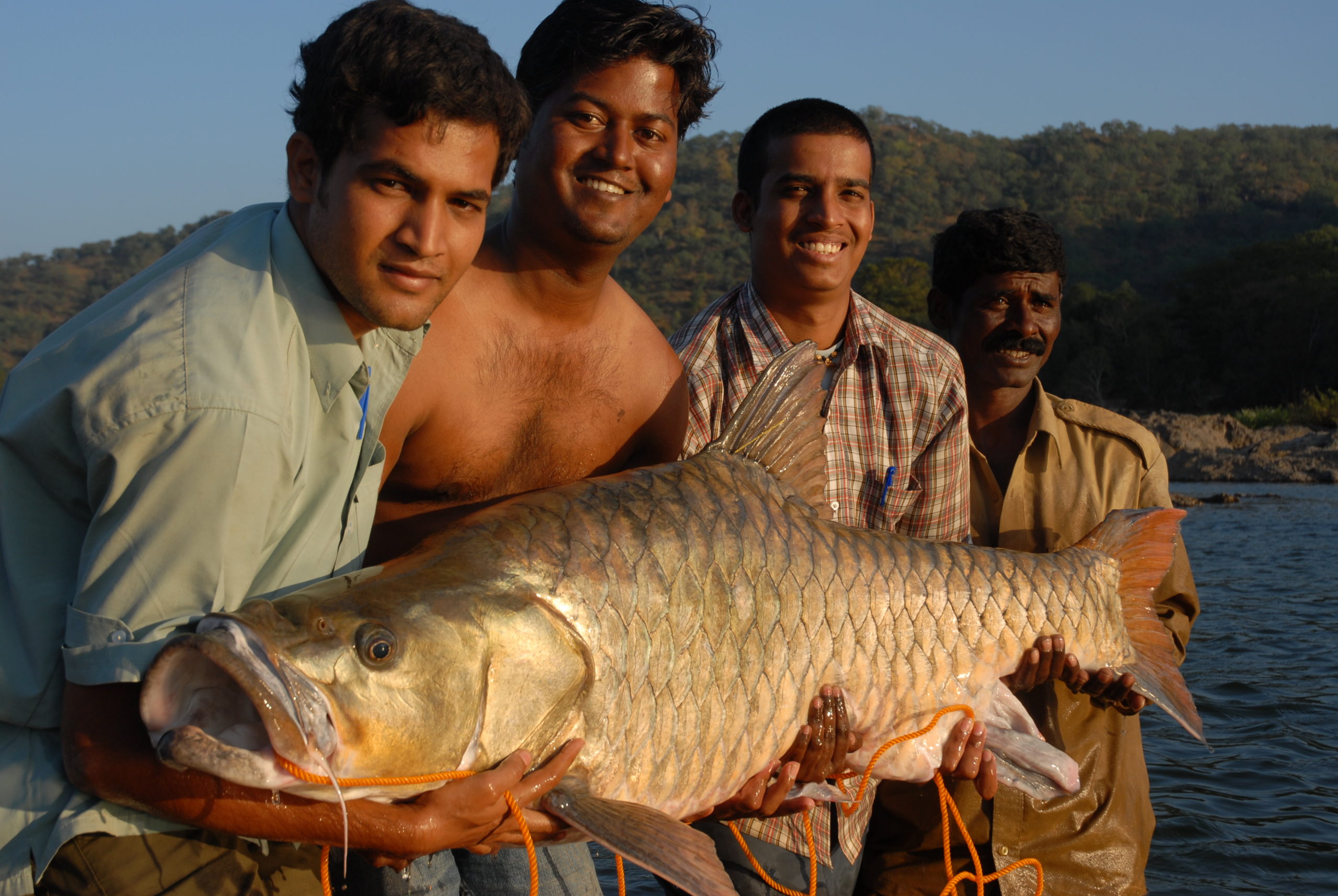
Qualifying as freshwater megafauna, the iconic hump-backed mahseer is one of the largest freshwater fish in the world. Hump-backs are only found in the Cauvery River system in southern India and were first popularised in the late 19th century by British officers who considered mahseer angling to present a superior sporting challenge to shooting big game. Following Indian independence in 1946, many believed the mahseer had gone extinct, until a new era of conservation minded catch-and-release anglers reignited a global interest in these fish.
However, in 2014 following analysis of data from the catch and release angling camps which had sprung up along the river, Dr. Adrian Pinder of the Mahseer Trust and Bournemouth University in collaboration with Indian colleagues made a startling discovery. He identified that the mahseer being caught along the Cauvery River were actually two separate species, and that the population of the orange finned mahseer – the hump-back, was declining fast while the blue fins were increasing. Further research revealed that the blue-finned fish was not native to the Cauvery and had been released into the river basin in the 1990s. It appeared that it had out-competed the native hump-back, which is now restricted to just 5% of its original range in one tributary of the Cauvery, the Moyar River. Ironically, it is a dam which has protected this remaining population of hump-backed mahseer.
The Moyar River is set in the stunningly beautiful location of the Nilgiri mountains. The area is home to one of the largest remaining populations of Asian elephant and falls between three highly important tiger reserves. A project to save ‘the tiger of the water’ as the fish is known locally is being initiated engaging research institutes, the local government and conservation NGOs to better understand the species’ conservation status and to begin priority conservation actions to reverse the decline in their population. Saving this species is one of Shoal’s initial flagship projects and an urgent priority for 2020.
4. Butterfly splitfin (Amenca splendens)
Range: Endemic to Mexico, specifically the
Estimated remaining population: Unknown
Population trend: Decreasing
Captive population? Yes, although it is declining as the butterfly splitfin has become less popular within the ornamental hobby.
IUCN Red List Category: Critically Endangered, previously assessed as Extinct in the Wild
(c) Josh More
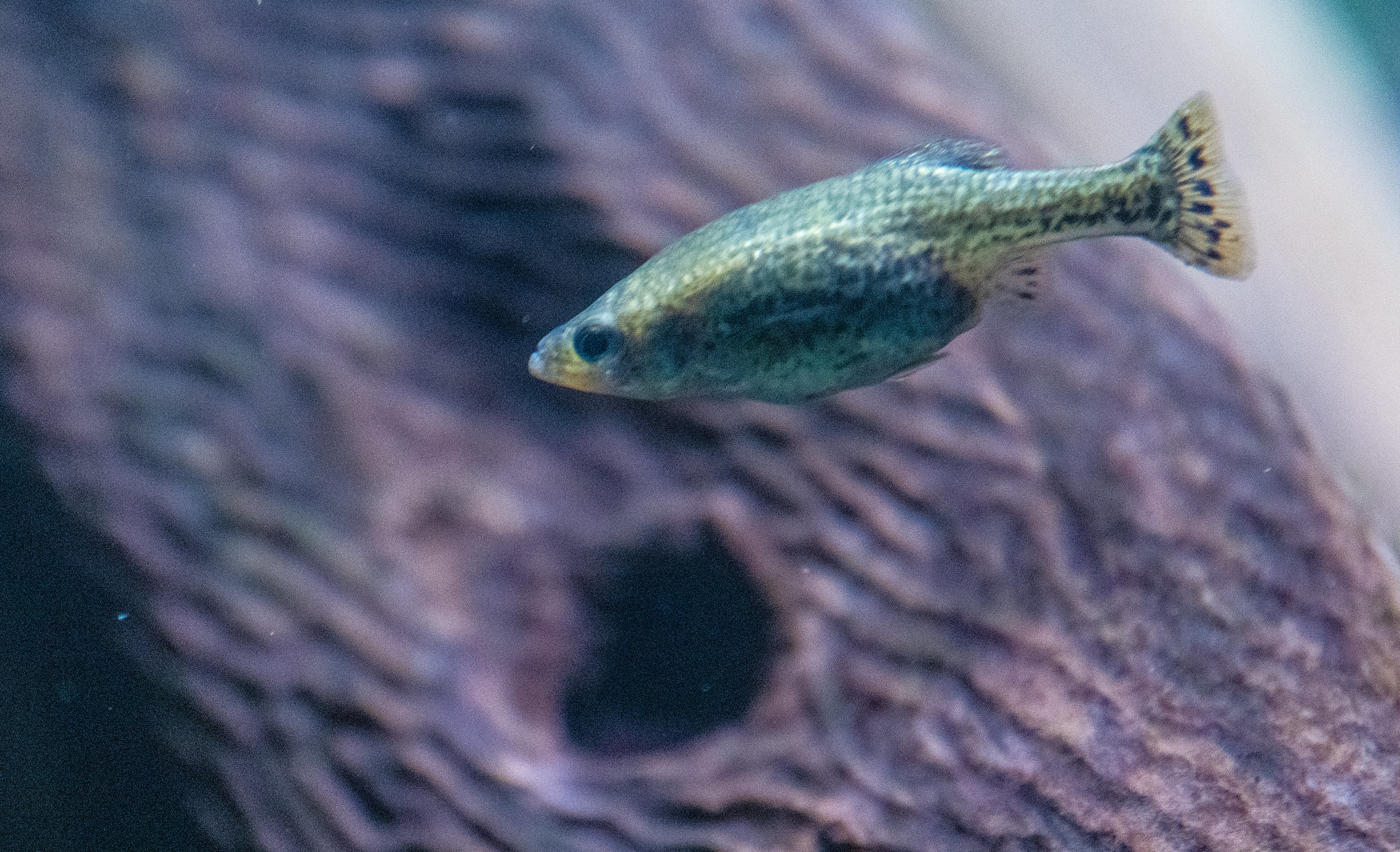
The butterfly splitfin is part of the goodeid family, a group of small fishes found in Mexico and the United States. Goodeids tend to occupy springs and small creeks and give birth to live young. They are slightly more modest relatives of the guppies, and also popular with aquarium hobbyists around the world. In the wild, goodeids are threatened predominately by habitat loss and pollution, with intensive agriculture leading to shifting ecological conditions in their habitats, most acutely, a decline in available oxygen.
The butterfly splitfin is one of the rarest goodeids, and until recently it was thought to have already become extinct in the wild. However, a remnant population has been found to persist in El Rincón Waterpark near the town of Amenca, which is built around one of its original springs. This proves that you never quite know where a species might turn up. Yet with the species surviving in just this one, popular location, there is an urgent need for further conservation action to prevent its extinction in the wild.
There is hope however that this species can be saved. Its closest relative, the Tequila splitfin (named, like the drink, after a region of Mexico) was also classified as Critically Endangered until recent action was taken to protect it. Michoacán University brought this fish back to its original habitat through a reintroduction programme which included working with local people. There is now a small but growing wild population, and significant potential that this approach could be replicated for the butterfly splitfin and for other goodeids across Mexico. Hobbyists are also an important part of the effort to save these species. The Goodeid Working Group is working with zoos and aquariums in Europe and North America as well as institutions in North America to ensure healthy captive populations of species which are threatened in the wild to allow further reintroduction efforts in the future. You can read more about their work here.
Range: Endemic to Lake Malawi, Lake Malombe and the Shire River
Estimated remaining population: Unknown
Population trend: Decreasing
Captive population? No
IUCN Red List Category: Critically Endangered
(c) Alexandra Tyers
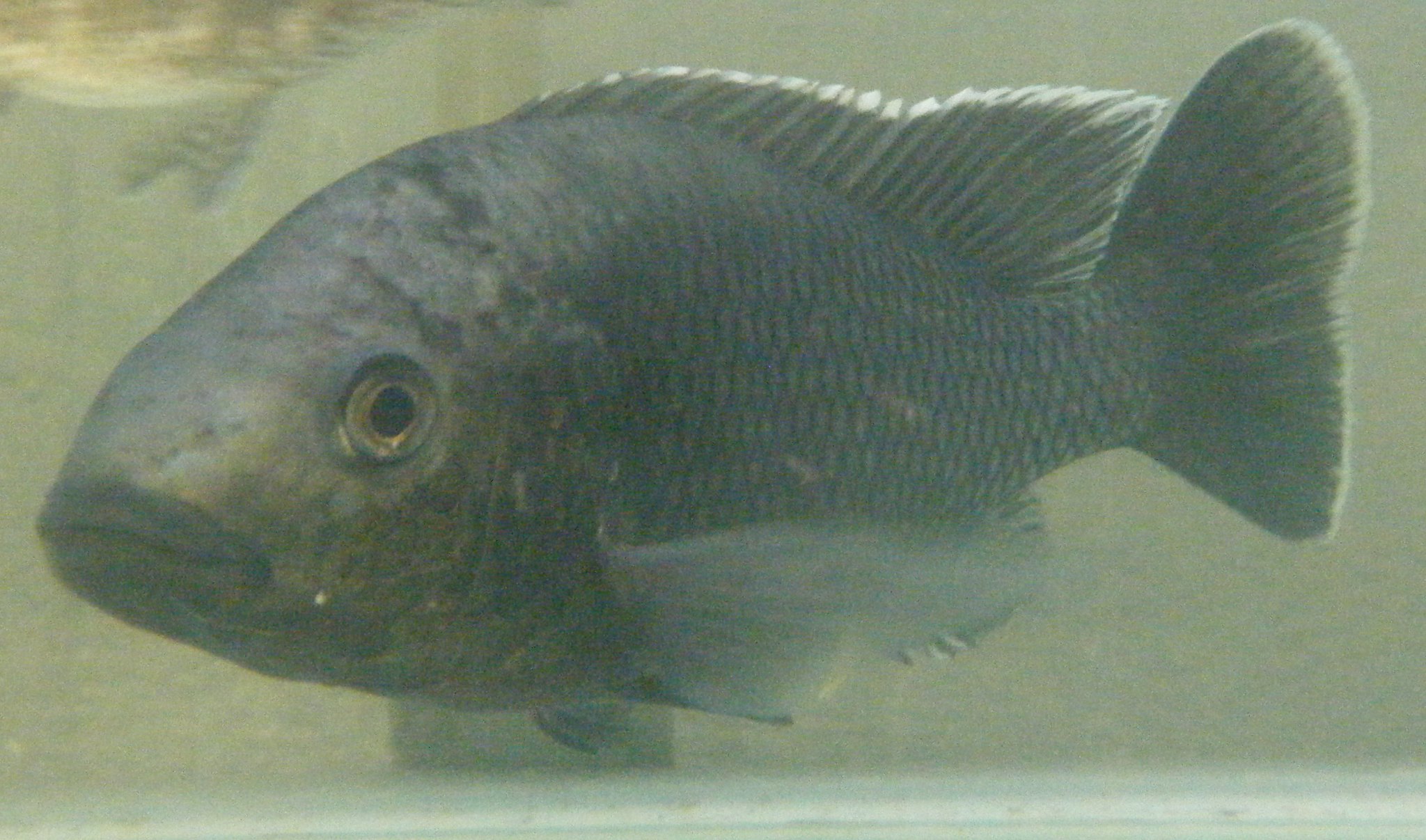
In truth, Chambo is a catch-all term for three species of Tilapia which are found in Lake Malawi and some its tributary rivers and satellite lakes. They are maternal mouthbrooders, meaning that the mother lays her eggs and then allows the juveniles to develop in her mouth until they are a few weeks old and can forage independently. In these first few weeks however they will return to the safety of their mother’s mouth at a sign of danger, such as the arrival of a predatory species.
For many years they have been at the centre of the food security of thousands of people living on the lake’s shores. They are central to the country’s culture. However, since the beginning of the 1990s, all three species have undergone a dramatic and drastic decline. The IUCN’s Freshwater Biodiversity Unit estimates that between 1994 and 2004 populations crashed by 70%. Overfishing has been cited as the key driver for this decline, with nets with smaller and smaller mesh being used to harvest smaller and smaller fish.
It is feared that Oreochromis lidole, may have already become extinct, while Oreochromis squamipinnis populations declined a further 96% between 2006 and 2016 while in the same time period Oreochromis karongae declined is estimated to have declined by 94%. Unlike the paddlefish however, there is still time to save at least two of the three Chambo species. Organisations such as Ripple Africa are working alongside the Government’s fishery department to implement a licensing system and to prevent harmful fishing practices such as using fine mesh nets which remove young fish and damage eggs. Conserving the iconic Chambo could also have knock-on benefits for many of the other cichlid species in Lake Malawi, both through reducing fishing pressures on these species and through the creation of protected zones and improved fishing practices.
Post Overview
Merlin
January 20th 2020
Conservation, Fish, Stories
Share this post:
Recent News
One of the World’s ‘Most Wanted’ Lost Fish Is Rediscovered
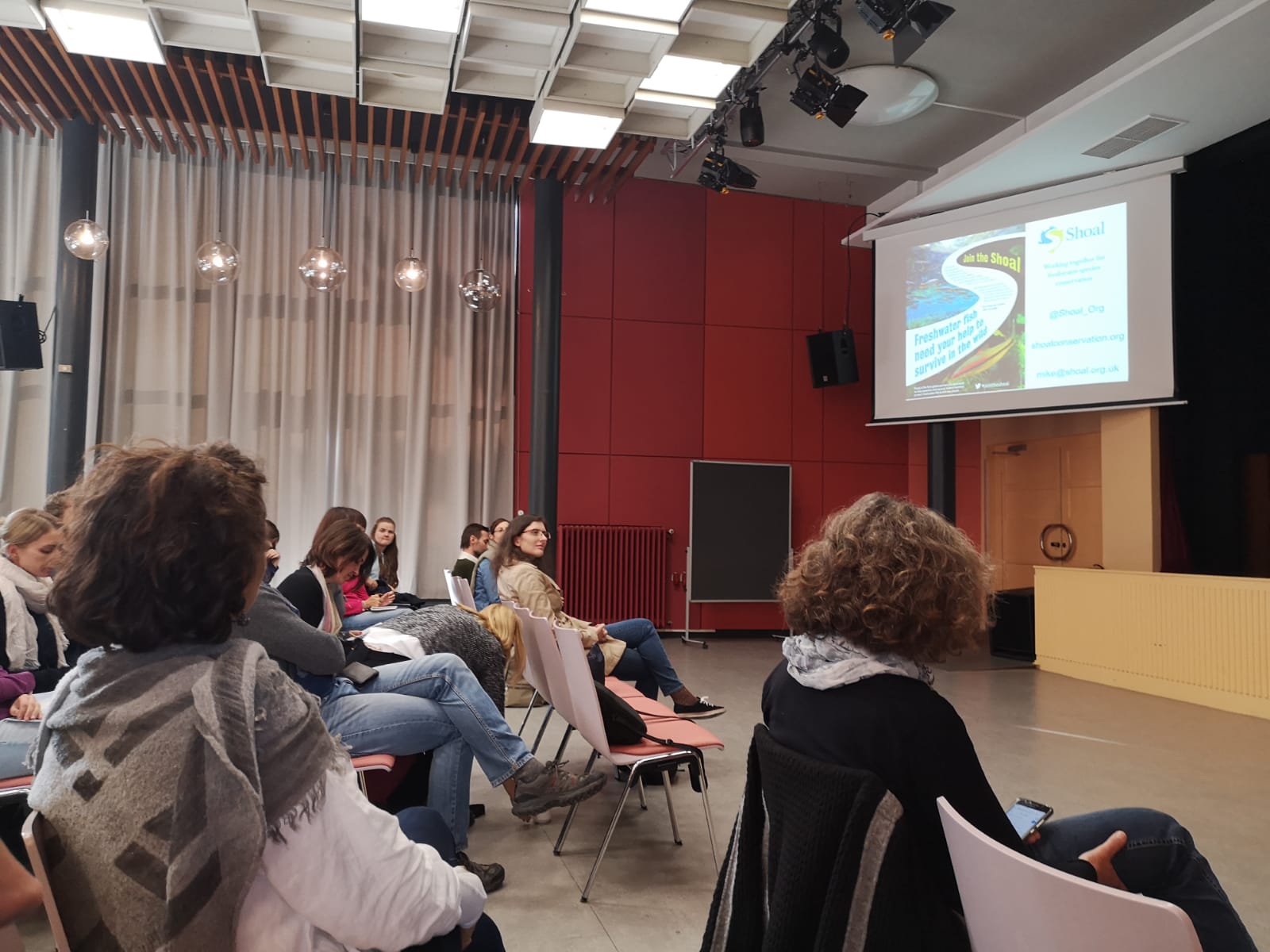
In October, I was invited to be a keynote speaker at the WWF European Freshwater Practice meeting in Berlin. While I was there, I also had a number of meetings aimed to help take Shoal forward in Germany. We are keen to establish a base in Germany to be able to work with companies and hobbyists in Germany and the rest of the European Union.
At the WWF meeting, I had four key messages for the WWF participants. I made the case that successful freshwater conservation must include:
Species first – a systems approach and policy led actions must be anchored on targeted impact at the species level
Support local action – hundreds of thousands of local actions is the best way to mobilise change and sustain impact
Form partnerships – Success lies in effective, powerful collaborations.
Raise awareness – despite being the number one priority for global conservation, freshwater biodiversity is the least well known
Presenting at the WWF European Freshwater Practice Meeting in Berlin
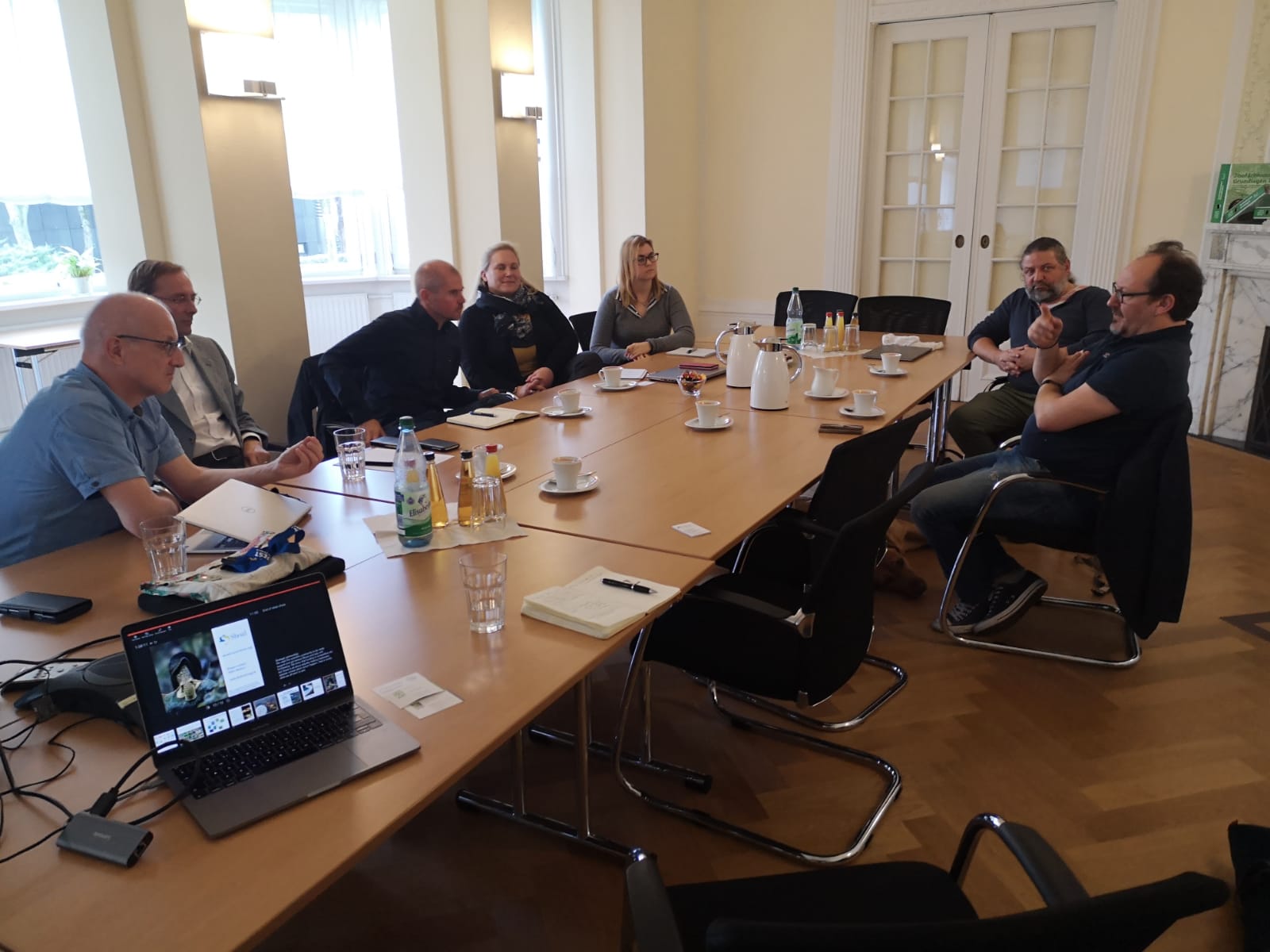
Meeting with the team at ZZF in Weisbaden
While I only attended the first day of their four-day planning meeting, I learnt of their excellent programmes for free-flowing rivers, sturgeons and a new exciting global initiative for river dolphins.
Two other meetings of note started with Volker Homes, the Director of VdZ the German (Association of Zoo Gardens). He explained the importance of his organisation as a coordination and support to zoos that want to support conservation in the field or even by expert amateurs. Unfortunately, the Director of the Berlin Zoo, Dr Andreas Kneiriem, was away that week but we caught up by phone a week later and discussed a potential future partnership.
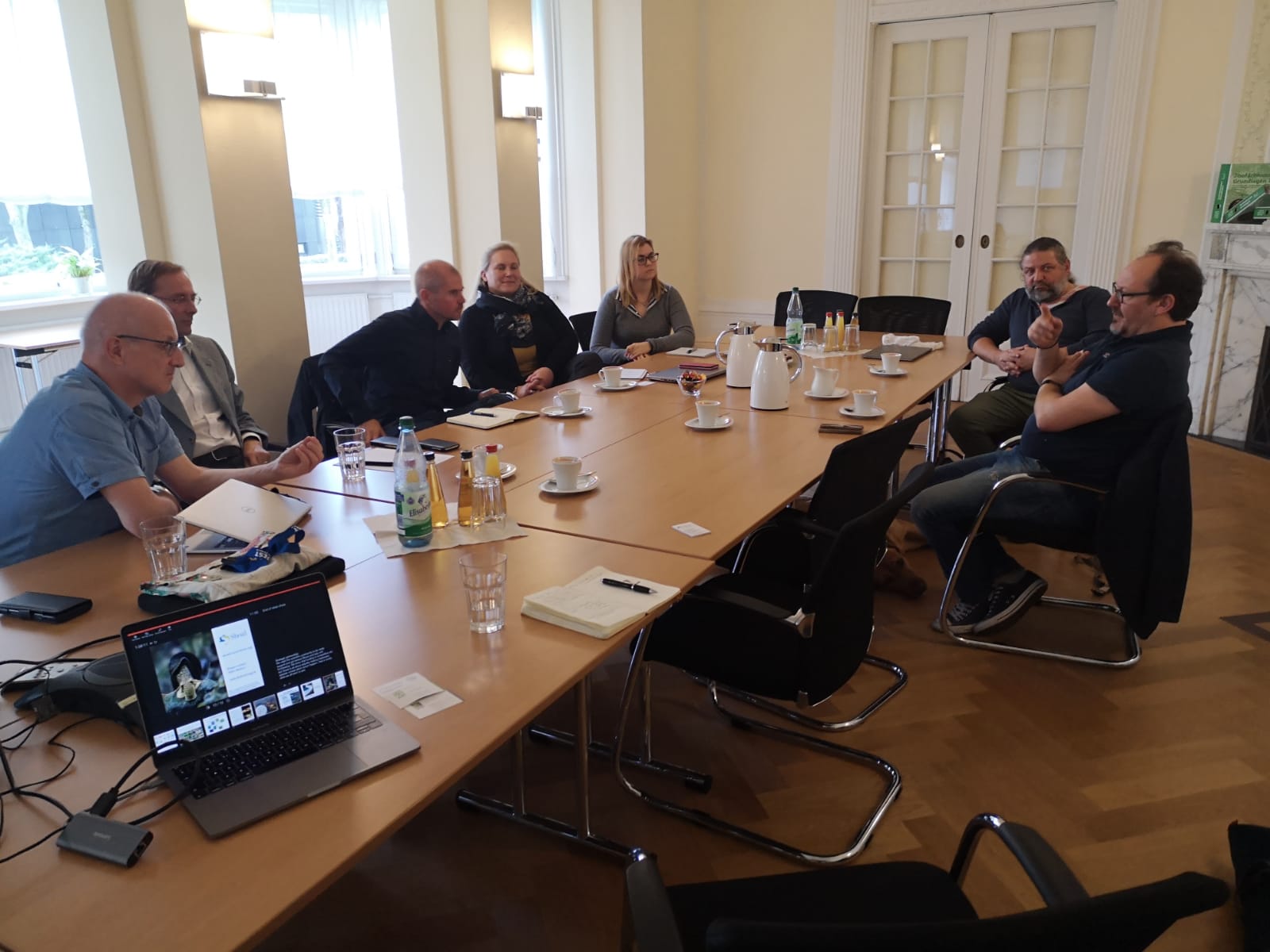
After Berlin, I travelled west to Weisbaden and the offices of ZZF. ZZF is the German Pet and Trade Association and the leading association for the aquarium trade. Dr. Stefan Hetz, a leading aquarist at ZZF invited six others from ZZF, BNA and Aquaria Glaser to discuss the next steps and needs for establishing Shoal in Germany. By the end of the week, it was clear that there is a great deal of enthusiasm, support and opportunities for Shoal in Germany and the next stage is to secure the funding to hire a person to represent Shoal in Germany.
I would like to thank everyone that took the time to meet with me and helped with the meetings and discussions.
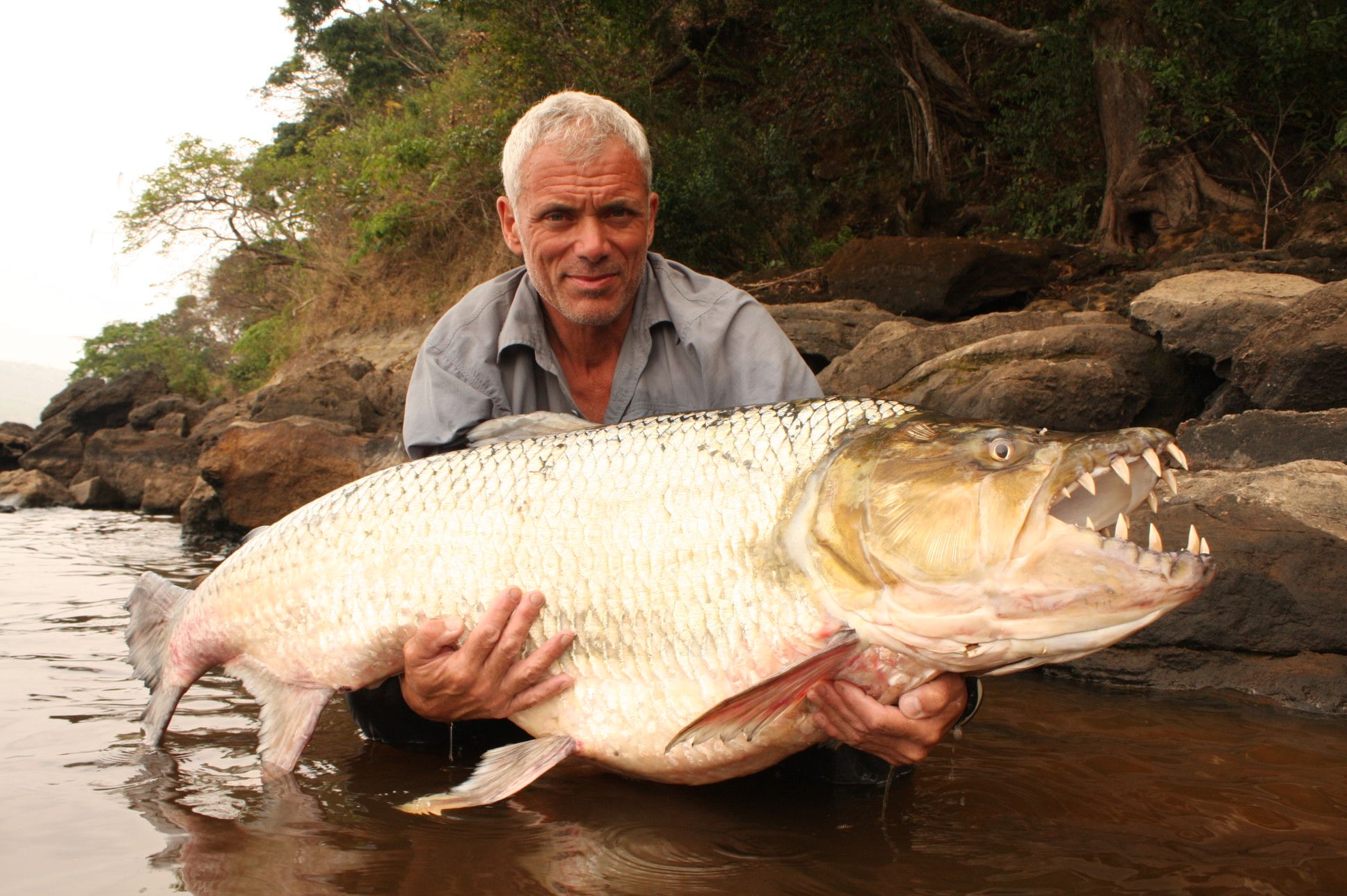
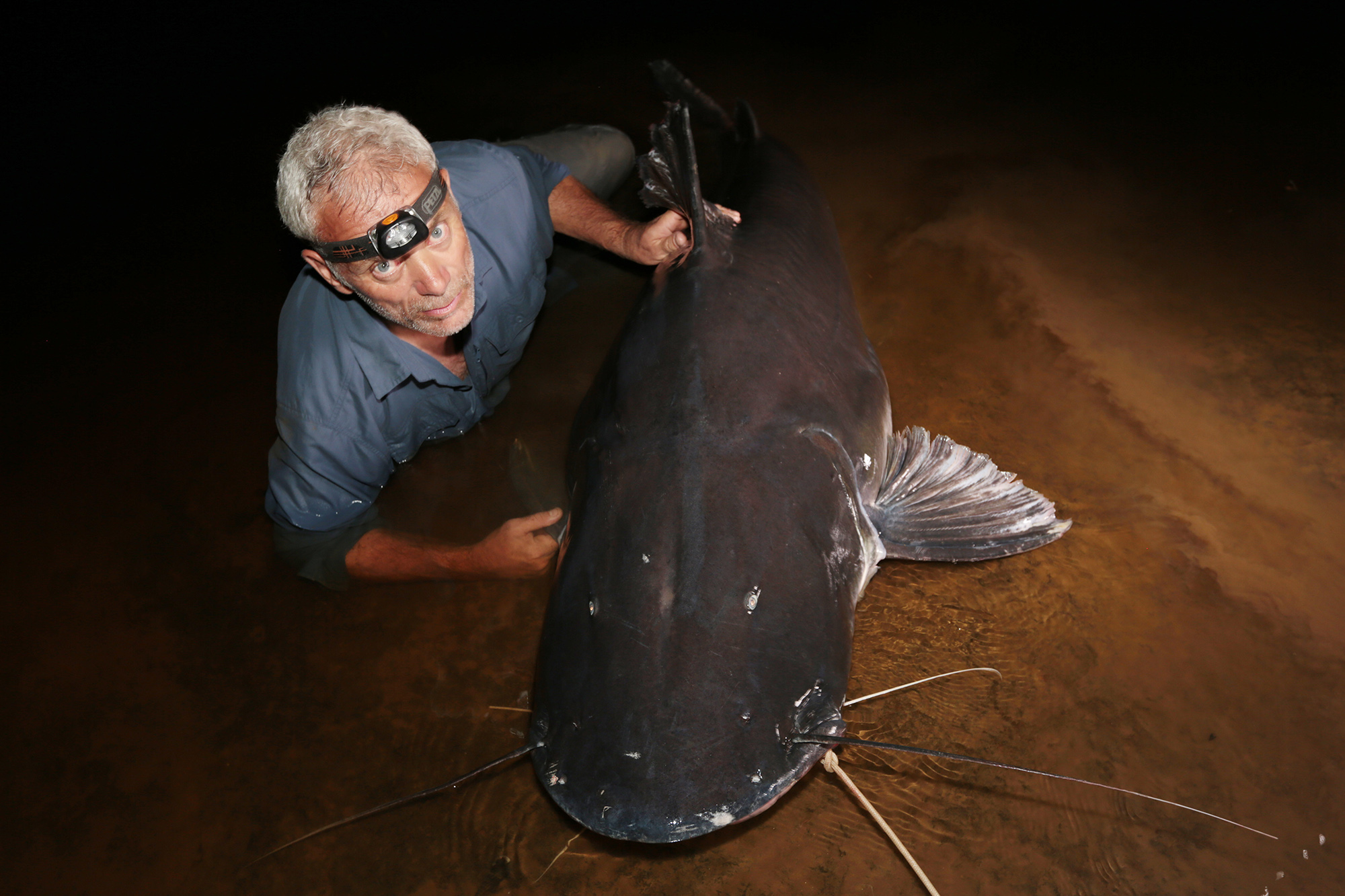
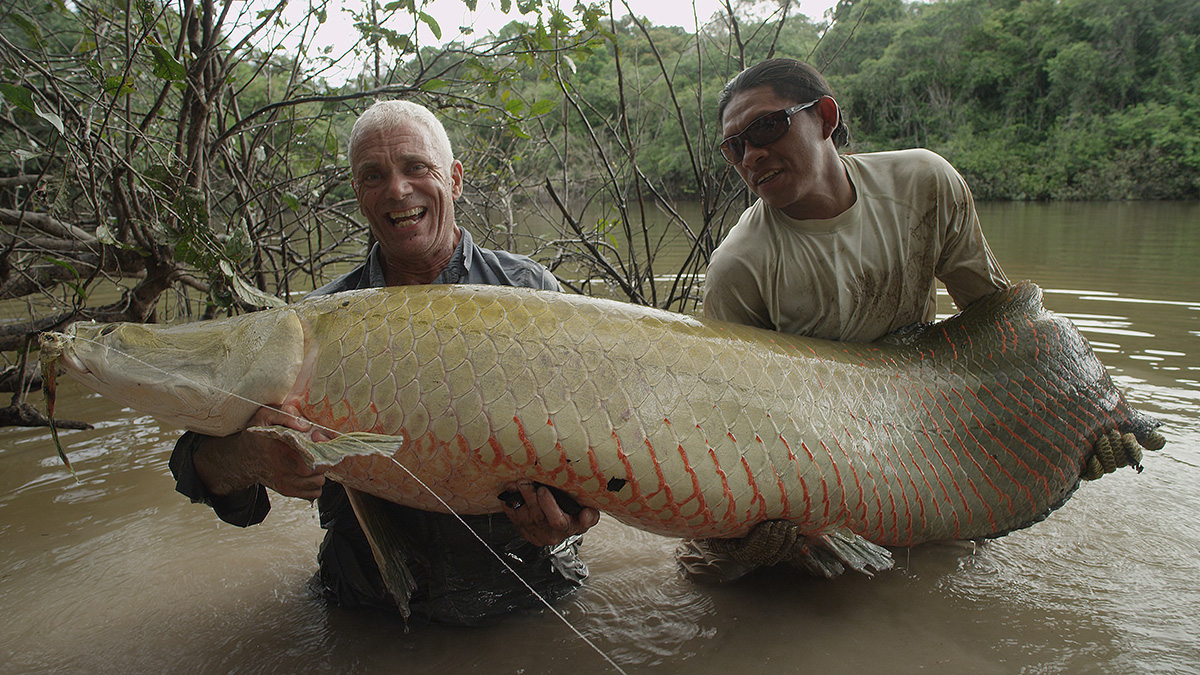
Jeremy Wade is a TV presenter, angler and author, best known for the series River Monsters and, more recently, Mighty Rivers. With a background as a biologist, Jeremy has visited many of the world’s most iconic rivers and lakes, seen and fished for some of their most extraordinary species and witnessed the changes happening to the planet’s greatest freshwater ecosystems. Jeremy shared some stories and thoughts at the recent launch of Shoal, a new initiative for freshwater conservation hosted by Synchronicity Earth. I spoke to him afterwards about some of the challenges for freshwater conservation and how he thinks Shoal can contribute.
Q: Was there a moment you realised that a lot of rivers you were spending time on were in trouble, or was it more of a gradual realisation?
JW: A bit of both, really. It has been gradual, but there have also been moments where it’s really hit home. Right from the start, I was aware that for the kind of fish I was looking for, it wasn’t just that people weren’t going and fishing for them, it was actually that these fish were disappearing because of all the damage that has been done to rivers in recent years.
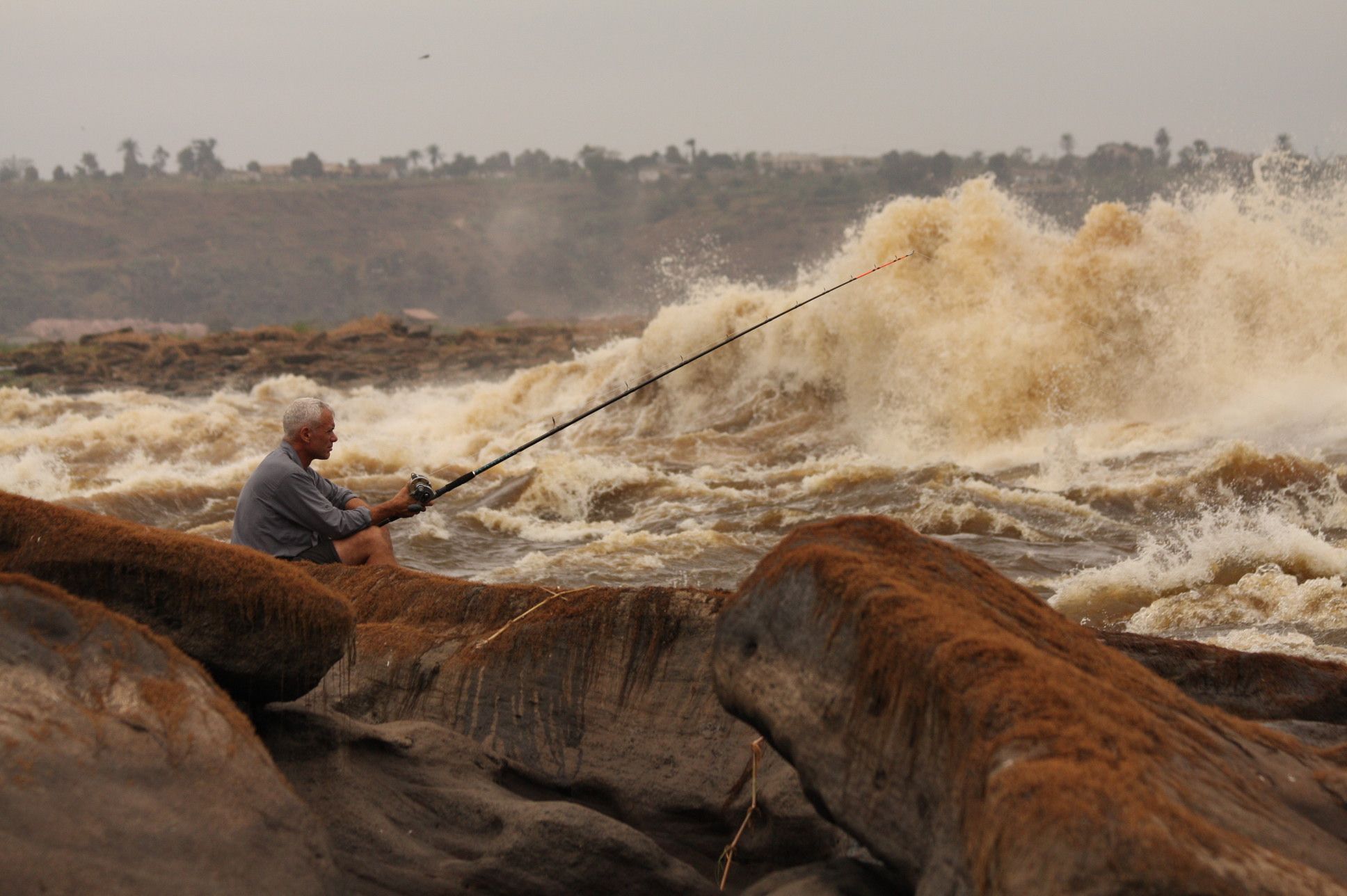
One experience that really brought it home was the last time I went to the Congo. I was in a place on the Congo River where very few outsiders go, somewhere with a very low population density. I went to one village where people have a history of fishing for catfish and the scarcity of these fish – we’re talking about the main Congo here – really struck me. It is shocking to see the impact that even a small human population can have on fish.
Q: Why do you think that freshwater is something of a ‘cinderella issue’, and doesn’t get the attention that, for example, tropical forests or coral reefs get?
JW: I think it boils down to two things. Firstly, you can’t see the animals you’re talking about – or at least most people can’t – so it’s a lack of visibility. And then, if you do get to see them, a lot of freshwater fish are not great looking!
I used to do quite a bit of diving and I always wanted to be diving in rivers, where you’re generally not going to see very far. Most divers are interested in coral reefs and other marine environments, so people used to wonder why I was so keen to see brown fish in brown water! It’s true that a lot of freshwater fish aren’t all that exciting visually, but in fact there are some incredible looking fish out there in rivers and lakes, even if we don’t often get to see them. Something like the arapaima, in the Amazon, for example, get this incredible red colouration. I’ve seen individuals in breeding season where the body goes absolutely jet black, but then they have this vivid red on the edge of the scales. They’re amazing looking things, but most people would never see that. If they do see them, it’s because a fisherman has caught one and is cutting it up.
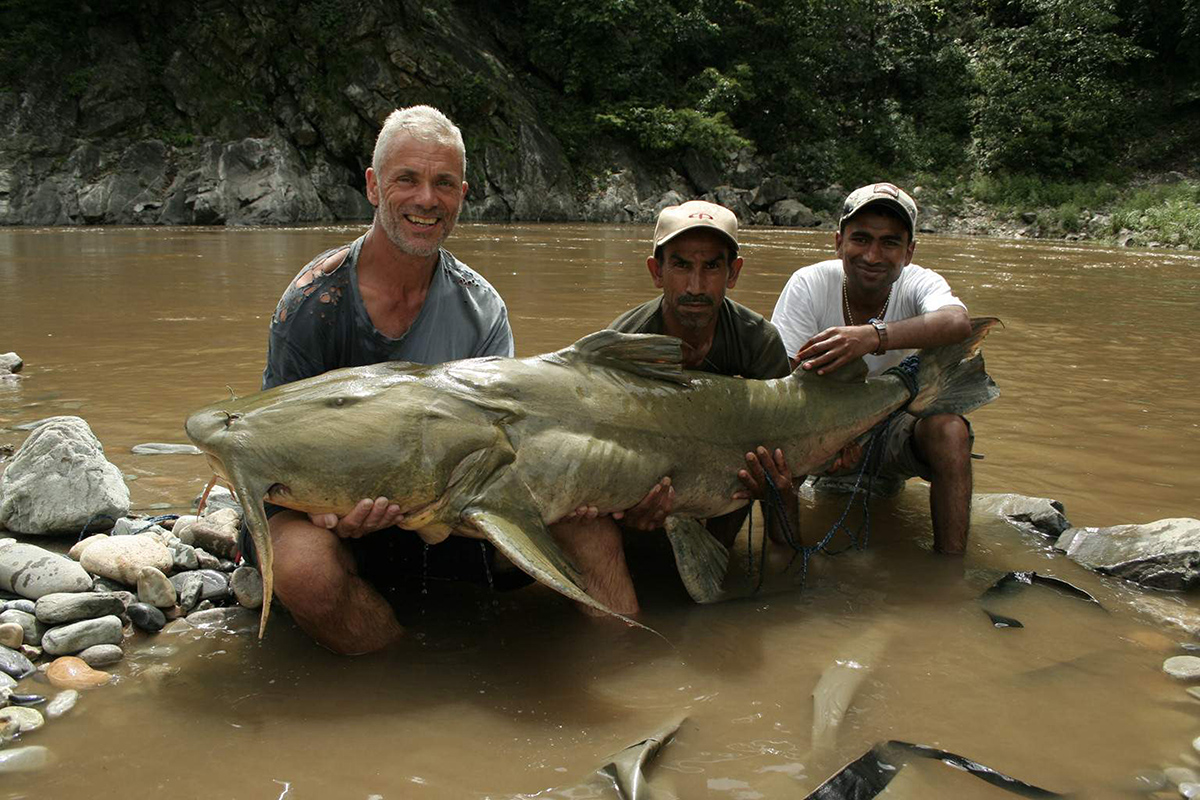
Then there are other freshwater species that just look very odd indeed. For example, the Goonch catfish in India looks like something out of the imagination of Hieronymus Bosch, it’s like a giant slug, has tentacles hanging off all different parts of its body and huge spiky teeth. I don’t think we make enough of how unique and bizarre many of these species actually are.
Q: In a way, it’s similar to what you see with some of the deep-sea species, and all the amazing creatures that live in the ocean depths. The fascination is often precisely because of how extraordinary – and how ugly (to some) – they look.
JW: Yes, there seems to be a spectrum: you’ve got the pretty fish, then you’ve got the ordinary looking fish, which nobody is really interested in, but once you start shading into the ugly fish, the interest picks up again!
Q: It is not always easy to recognise the importance and relevance of the world’s great rivers and lakes to our health and wellbeing, wherever we live. Why should people care about freshwater systems on the other side of the planet?
JW: Absolutely, I think it’s a very abstract subject and difficult to get across. From my point of view, having a scientific background, you understand the water cycle, you know that it’s not one particular river, in isolation, but that in fact water circulates throughout the world, and passes through every one of us. Just as many of us have a strong interest in air quality, we should have the same interest in water quality. The great thing about fish is that their presence in water generally tells you that the water is OK. But to get this across in a way that is not overly scientific is difficult. I think you almost do it by stealth.
If you can get people interested in the fish, which I hope I do through the programmes I make, the idea is that people start to care more about those fish and, by extension, about the water and the habitat they live in, and they begin to understand that protecting these fish and habitats is ultimately in their own interest too.
Q: Having visited so many of the world’s great rivers, is there one that particularly stands out?
JW: Hmm. That’s such a hard one, actually. There’s not a short answer to that. If you’d asked me a few years ago, I would have said the Essequibo river in Guyana. The fauna and flora there is very Amazonian. Even though it’s a distinct watershed, historically it was joined up, so you’ve got a lot of Amazonian fish there. To have a realistic chance of catching certain big Amazonian fish, that was theplace to go because the river had enjoyed a degree of protection, and it was possible to find some incredible fish there. Unfortunately in the last few years, that has changed quite dramatically, largely due to a surge in goldmining. The mining isn’t just affecting the goldmining areas. What’s happening now is that it is worth people’s while to get an icebox and make the long journey up the river, catch a lot of fish and go back down and sell them to the goldminers. Unfortunately – and this is very relevant in terms of what Shoal is trying to do – this decline is going on right before our eyes and getting very little attention, and it’s happening fast, really just in the last 5 years.
Q: What are some of the things you’ve learnt from the people who have fished these places for generations?
From talking to fishermen in different parts of the world, I’ve been struck by how common it is now to hear things like, “You know, 100 years ago this river was full of fish…”. People often talk about the scale of change over a – relatively short – timescale of a few generations.
One thing that is very clear is that catching freshwater fish is dependent on place and timing. Being in the right place is one thing, but you also have to be there at the right time of year. If you’re there at the wrong time you might as well not bother. Of course, there’s always a bit of uncertainty about what state the river is going to be in, and a certain amount of variation. But what I’ve found, just about everywhere I’ve been, especially over the last 10 years or so – everywhere from the far East of Russia to South America, through Europe and Africa – is that people are saying the whole cycle has become far more unpredictable. What’s interesting is that these people are not scientists. These are people whose lives depend on the river, people who are watching the river very closely, people who have inherited knowledge of what happens on that river. They say that over the last 10 years, they just can’t predict it any more. So, of course, this affects the fish.
You can imagine fish migrations where the river is going up so the fish start to head upstream, only for the water to suddenly start coming back down again, without ever properly rising. I’ve seen a similar thing with freshwater turtles in Guyana. The river starts going down, exposing the sandbars so the turtles think it’s time to breed, dig a nest and lay their eggs, then they get back in the river and it starts coming up again, washing away the nests! It’s another false start to the dry season.
So this really is happening, and perhaps one way to engage people in climate change is to show how it affects certain animals. People seem to love turtles, so if turtles come under the remit of Shoal, then I think that could be an interesting leverage point.
Q: I think the aim for Shoal is ultimately to try to increase support for all freshwater species, so turtles would certainly come under its remit. So, do you think the key to drawing people in is to focus on the more ‘iconic’ species, and particularly the apex predators, as you often do in your shows?
JW: Well, I guess it could be seen as a fairly cheap trick, in a way, but what I’ve realised – and this is part of the DNA of River Monsters – is that everybody is fascinated by predators. If they tell you otherwise, they’re lying! For our ancestors, it was all about paying attention to those things in the environment that were dangerous, so it’s absolutely fundamental to who we are as living beings. For River Monsters, we start with a story – here’s this fierce animal that bites people – and we immediately have people’s attention. Then, from there, we can take the story wherever we want it to go.
Q: Anglers are clearly an important audience for your programmes. What role do you think anglers can – and should – play in freshwater conservation?
JW: Anglers have an incredibly important role as the eyes and ears of what is out there. By teaming up with scientists and through citizen science initiatives, they can be a very useful resource in helping to understand what is happening to rivers and lakes. But on a more fundamental level, an angler’s pastime depends on fish, so it really should be a duty to have a concern for the wider world of fish. It’s about having a respect for freshwater fish and to express that in as many ways as possible. I think some anglers don’t particularly care, but an awful lot do. I think there are enough anglers who care to make a huge difference.


)
)
)