

)
)
)

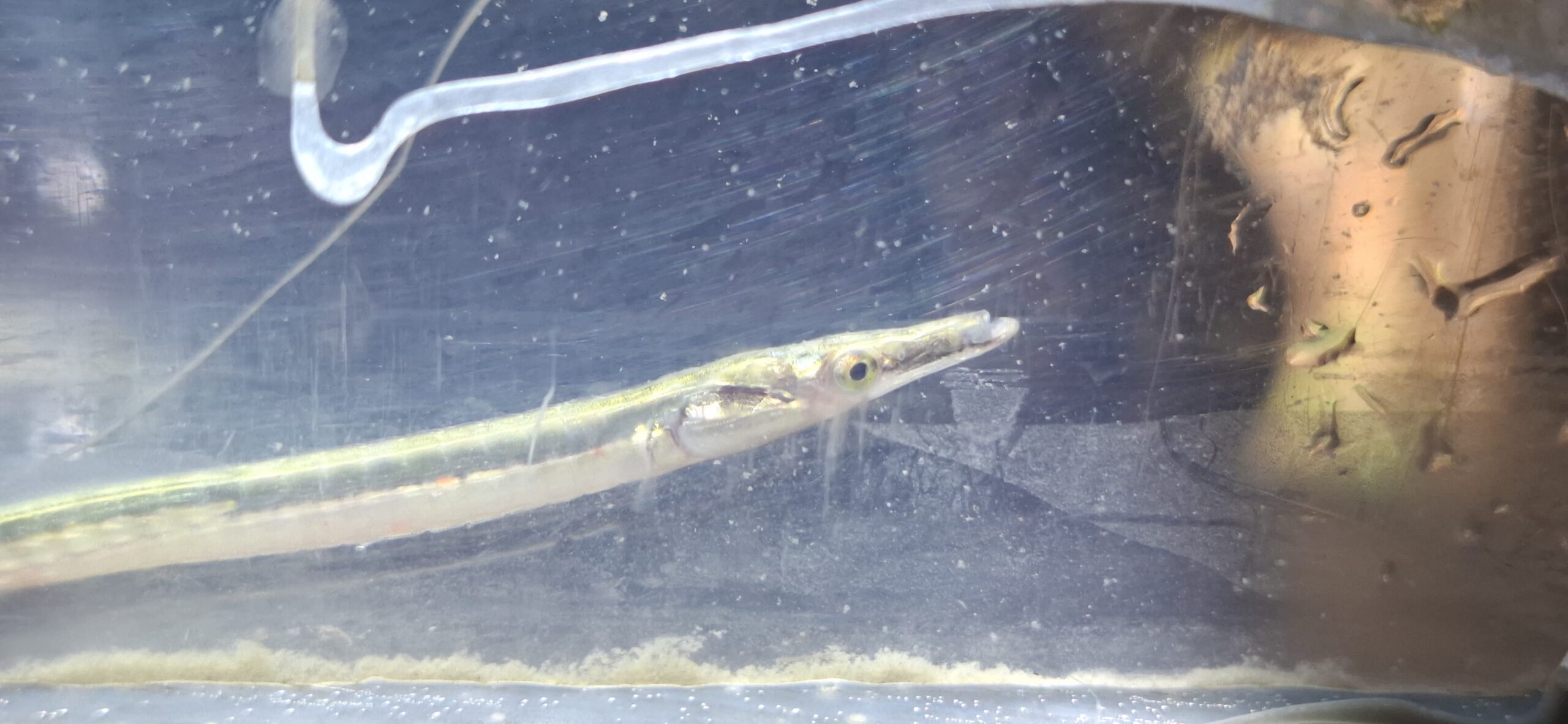
After more than four decades missing from scientific records, one of the world’s most wanted lost freshwater fishes has been rediscovered in Papua New Guinea’s Sepik River.
The Spinach Pipefish (Microphis spinachioides) is a small, slender relative of seahorses, known only from the Sepik River system. It had not been scientifically recorded since surveys in the 1980s, and so little was known about it that it was impossible to know if it still existed without searching its range in one of the great river systems of the Asia-Pacific.
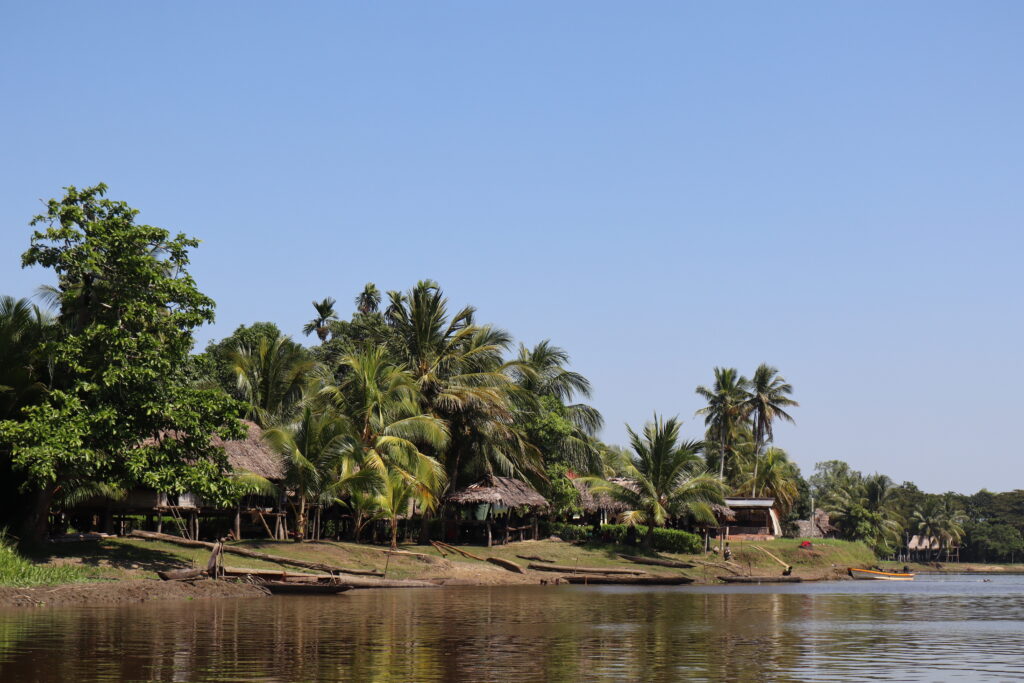
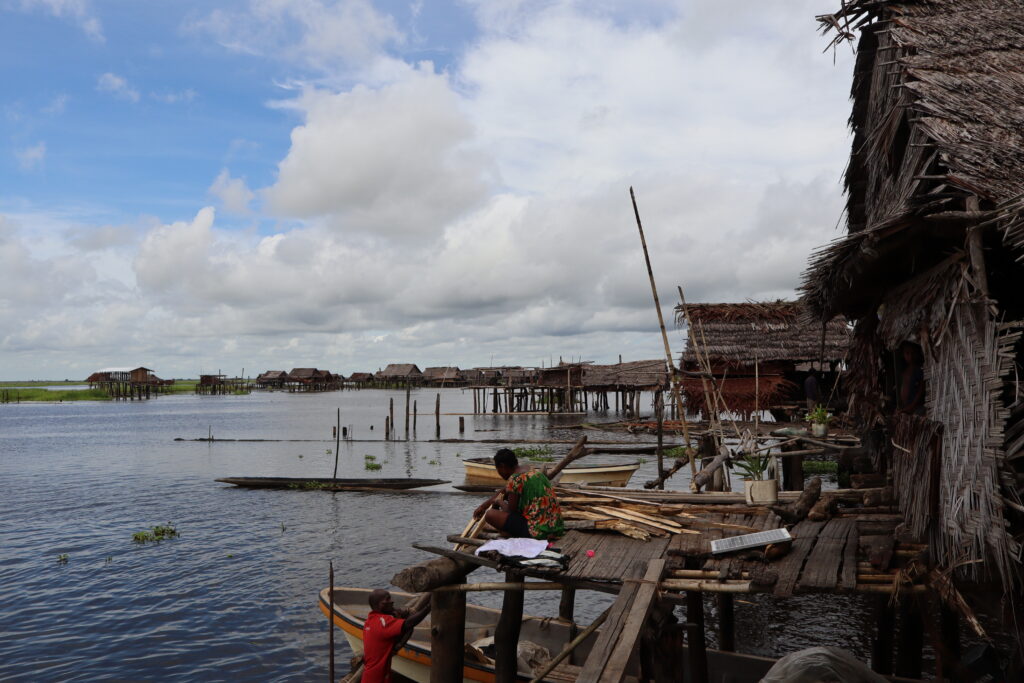
The Sepik runs for more than 1,100 kilometres through northern Papua New Guinea, feeding a vast landscape of tributaries, floodplain lakes, forests and wetlands. Much of it remains free-flowing and intact, and it supports an extraordinary freshwater biodiversity, along with the communities whose lives are intertwined with the river.
In June, researchers Jerrica Agebigo and Roger Maikei of the New Guinea Binatang Research Centre set out across the Lower Sepik in search of the missing fish. Over two weeks, the team travelled by motorised canoe between communities along the Sepik and some of its tributaries, the Porapora, Keram and Yuat rivers. They spoke with local communities, surveyed the river, and visited markets to examine fish catches.
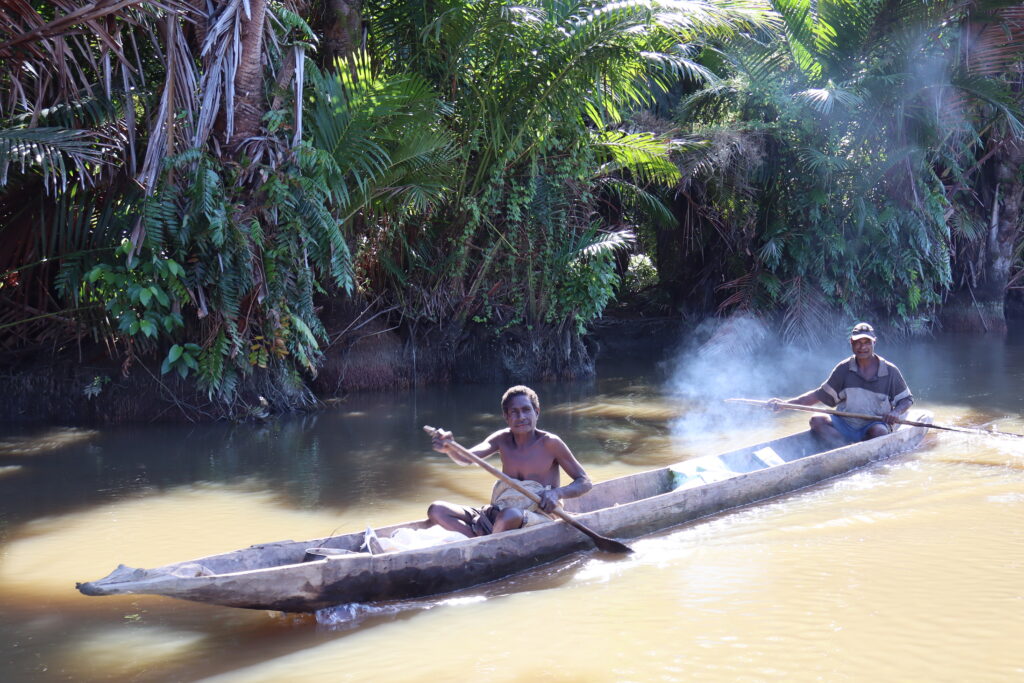
Fishers, village elders, market vendors and other community members were shown images of pipefishes and asked what they knew about them: where they had seen them, how frequently, what habitats they associated them with, and the words they called them by.
“Working in the Sepik River is both challenging and unforgettable,” Agebigo told SHOAL. “The river is immense, surrounded by vast floodplains, forests and wetlands that support extraordinary biodiversity. Travel is almost entirely by motorised boat or canoe, often taking many hours between villages. Every community welcomed us warmly and shared remarkable knowledge about their river. It is a place where scientific research depends heavily on collaboration with local people.”

Through the researchers’ community engagement, a picture emerged of communities recognising the fish and having their own names for it, including Karuweng, Inap, Karuwena and Sako. Community members reported the fish occurring in parts of the Lower Sepik, particularly around vegetated river margins and tributary junctions.
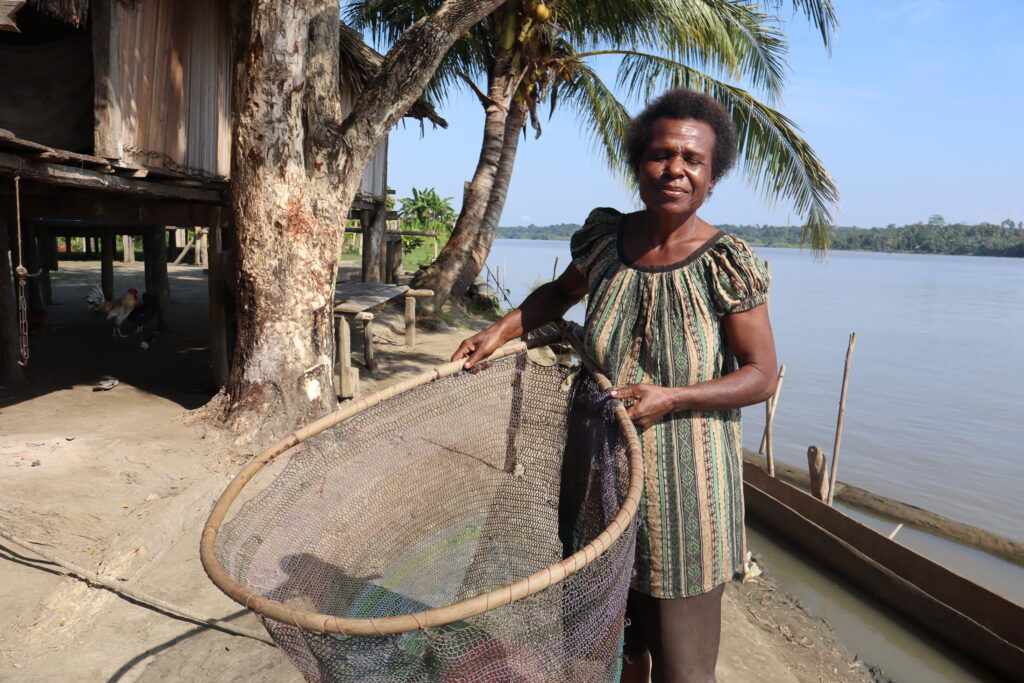
The breakthrough came at Imbando Village, where the team met Helen Asu. Asu fishes for freshwater prawns in the Sepik’s densely vegetated margins, using an umben, a traditional handheld net used to scoop prawns and other small aquatic animals from the river.
She recognised the species from the images shown her, and agreed to look out for it when she was next in the river.
The following morning, Asu called the researchers. Among her catch were two long, slender pipefishes that looked a lot like the species she had been shown.
Detailed photos were shared with Gerald Allen, an Australian ichthyologist who, along with David Coates, surveyed the Sepik and confirmed the Spinach Pipefish’s continued existence there in the 1980s. Allen verified that the fish Asu caught were the species the researchers had travelled to find.
Asu’s input was key to the rediscovery. Agebigo said of her, “Without her knowledge, initiative, and willingness to assist, the rediscovery may not have been possible”.
For SHOAL, the rediscovery marks another major milestone for the Search for the Lost Fishes.
When SHOAL and Re:wild launched the Search for Lost Fishes initiative in 2021, the Spinach Pipefish was named among the original Top 10 Most Wanted Lost Fishes (a ‘lost’ species, is one that hasn’t been formally recorded to science in over a decade, but which hasn’t been declared Extinct). It has now become the third of that list to have been rediscovered, following the rediscoveries of the Batman River Loach in 2021, and the Leopard Barbel in 2024.
“The rediscovery of the Spinach Pipefish is exactly why SHOAL launched the Lost Fishes initiative,” says Mike Baltzer, Executive Director of SHOAL, “to shine a spotlight on remarkable freshwater species that have slipped from scientific view before it’s too late.”
“Every rediscovery reminds us that there is still hope, but it also highlights how much we still don’t know about the world’s freshwater biodiversity and how urgently these ecosystems need greater protection. This success shows what can be achieved when local knowledge, scientific expertise and conservation organisations work together towards a common goal.”
Researchers now need to understand how widely the species survives across the Sepik, how large its populations are, and what it needs to thrive. Communities interviewed during the expedition reported declines in native fishes and growing pressures from sedimentation, logging, mining, habitat disturbance and introduced species. Protecting the Spinach Pipefish means understanding how those changes are affecting the river habitats on which the species depend.
For now, though, a fish absent from scientific records for more than 40 years is ‘lost’ to science no longer. And its rediscovery came because of the communities who know the Sepik best were central to the research team’s strategy.
The survey was carried out by the New Guinea Binatang Research Centre with support from SHOAL and funding from The Rufford Foundation.

)