The SHOAL is the global ecosystem of partners and collaborators who work together to safeguard the health of Earth's freshwater habitats and conserve the most threatened freshwater species. As with a shoal of fish, the strength of the SHOAL lies with the number of partners all working together.
Blueprint for Conservation Action for 1,000 Freshwater Fishes
SHOAL's flagship initiative sets out a plan for how significant collaborative conservation effort can lift freshwater fishes and potentially thousands of other neglected freshwater species to a new elevated platform of conservation attention and greatly enhance freshwater conservation efforts globally.
FOUND! The Batman River loach has been rediscovered after nearly 50 years
It is the first of Shoal’s Lost Fishes to be rediscovered.
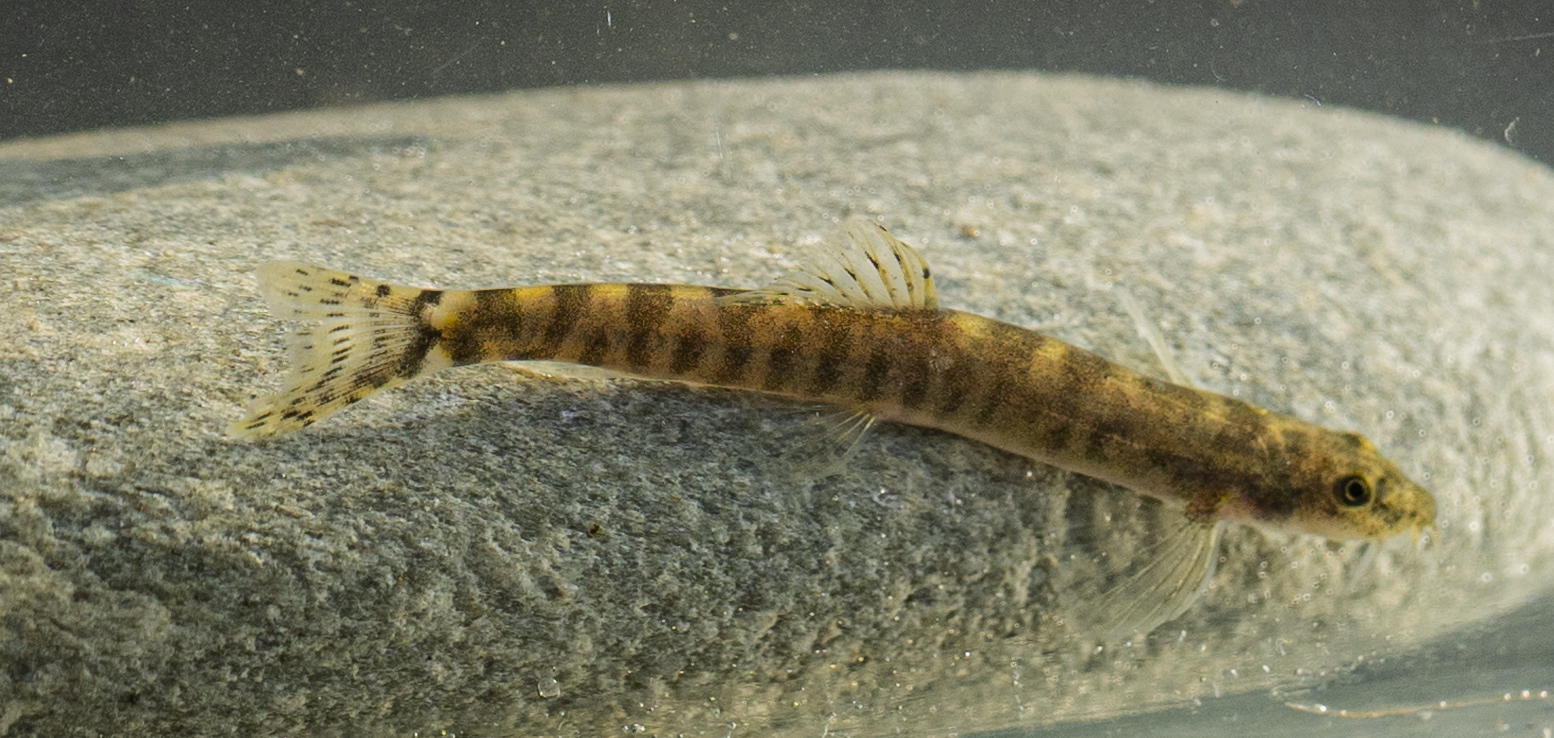
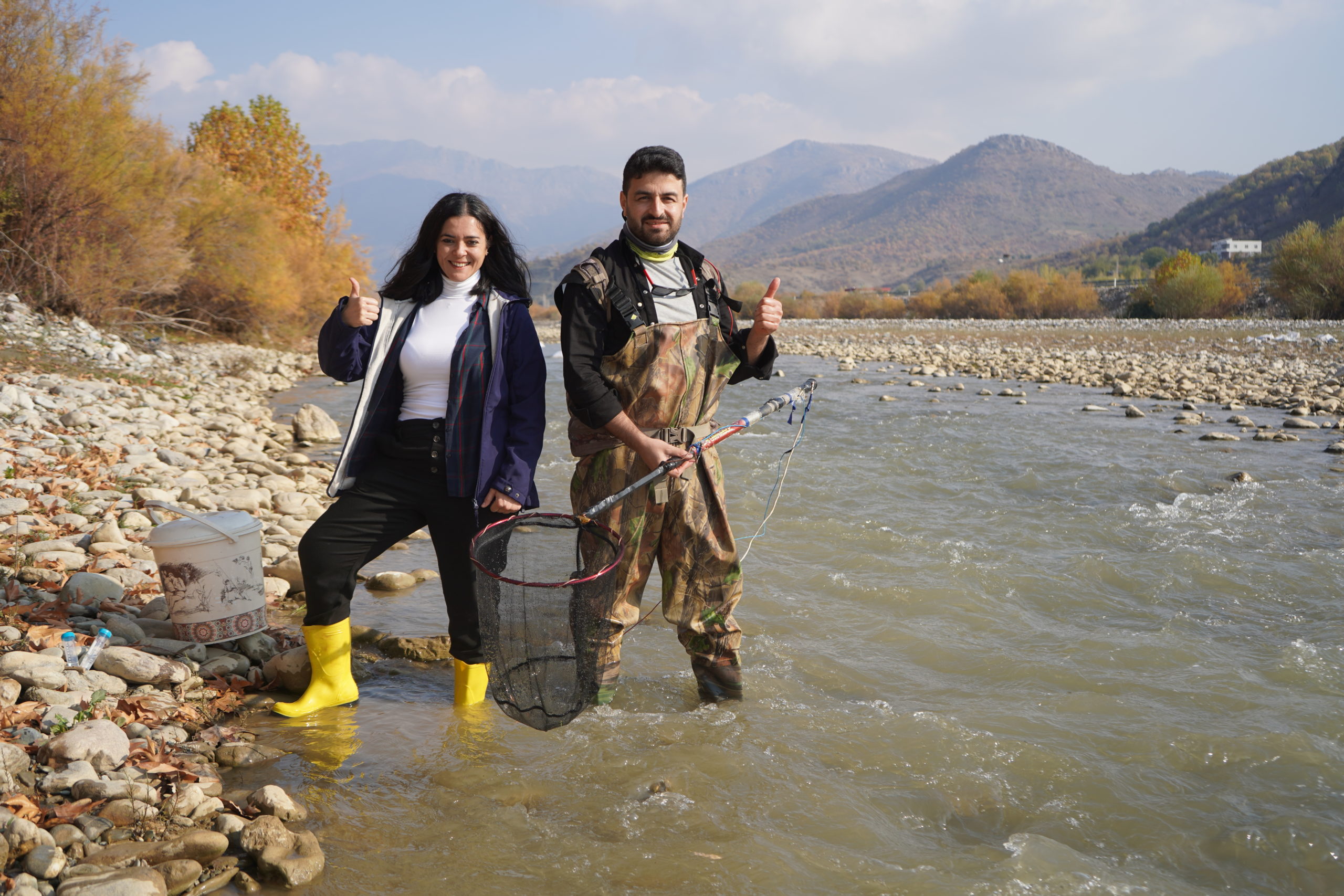
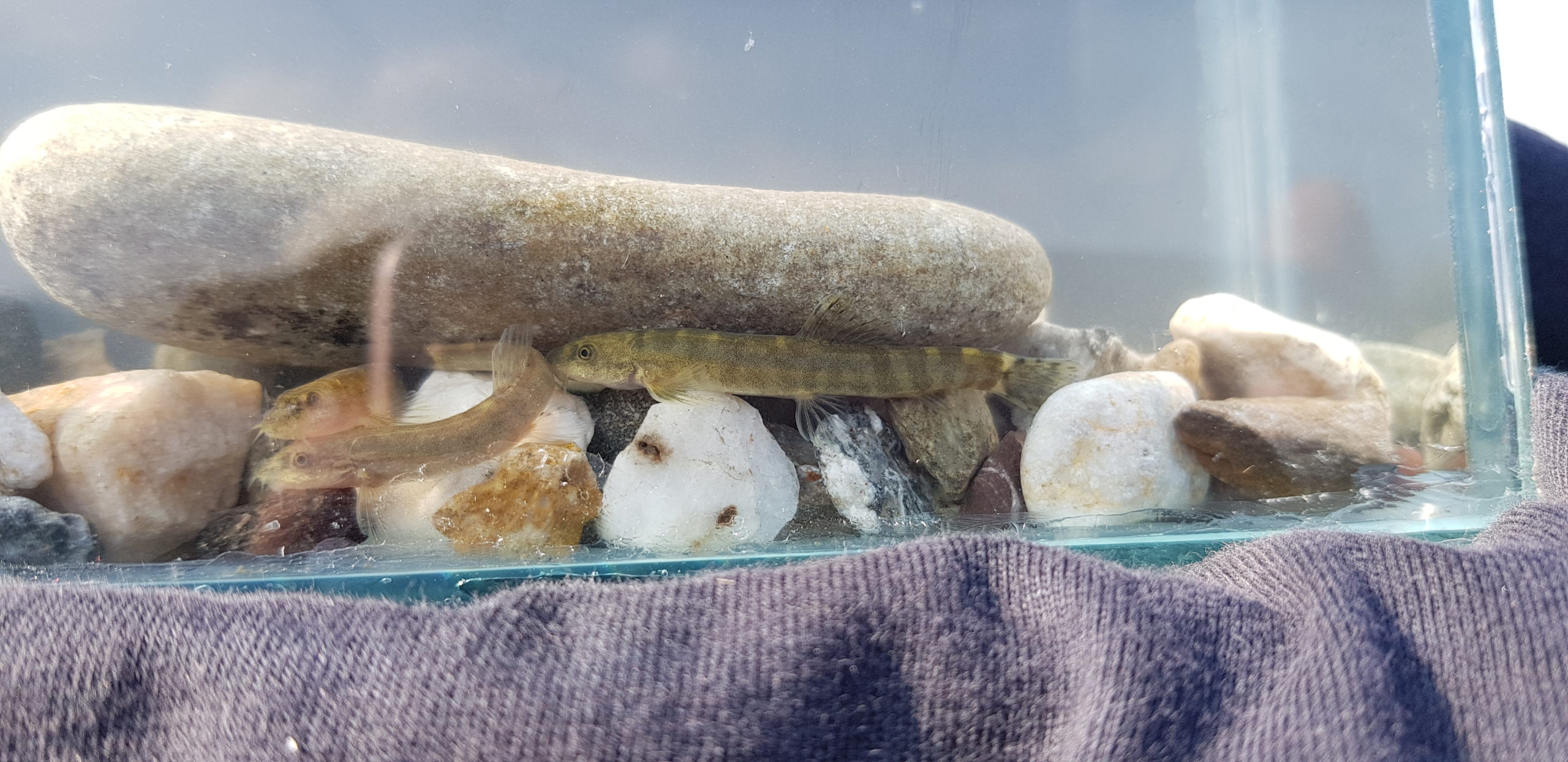
A Turkish research team have rediscovered populations of the critically endangered Batman River loach in two streams in southeast Turkey, the first time the tiny fish has been seen since 1974, and the first species rediscovery from Shoal’s Search for the Lost Fishes programme.
“When I first heard about the Search for the Lost Fishes project, I was very happy,” said Cüynet Kaya, associate professor with Recep Tayyip Erdogan University. “Moreover, two of the 10 most wanted fish species were distributed in my country. It is a very different feeling when you see naturalists from foreign countries caring about an endemic species in your country and making efforts to save it. As a freshwater fish taxonomist, I thought that I should do my best for this project, and fortunately our efforts resulted in finding the first lost endemic and critically endangered Batman River loach.”
After learning about the Search for Lost Fishes, Kaya and Münevver Oral, a research fellow with Recep Tayyip Erdogan University, set out to search for the small yellow-and-brown striped fish, which is the smallest loach species in the Middle East, and smaller than any loach species found in Europe. The tiny critter, growing up to 1.4 inches (or 36 millimetres) long, was once distributed around streams and tributaries of the Batman River, which is thought to take its name not from the caped crusader, but from the nearby Bati Raman mountain.
Dr Cüneyt Kaya and Dr Münevver Oral
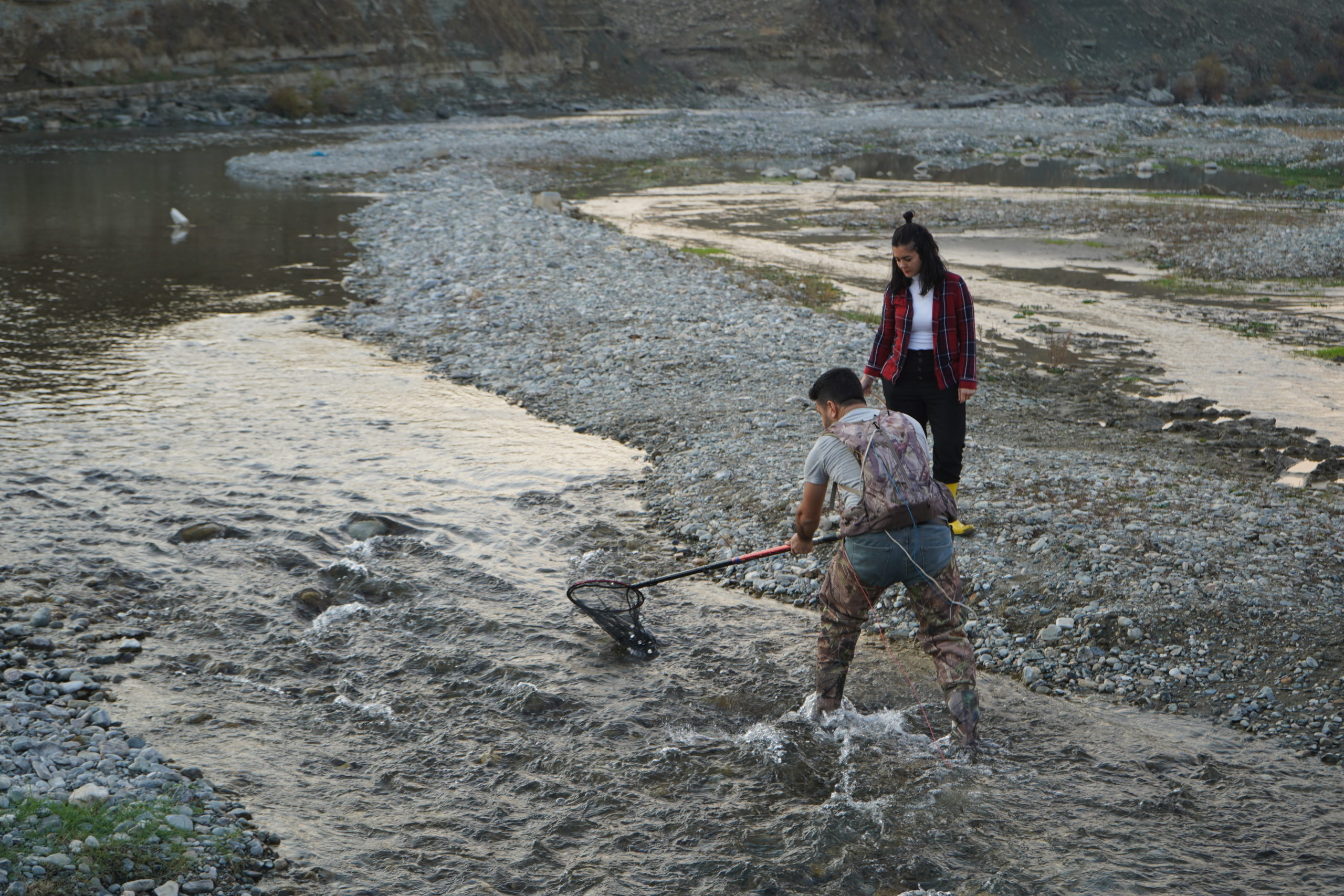
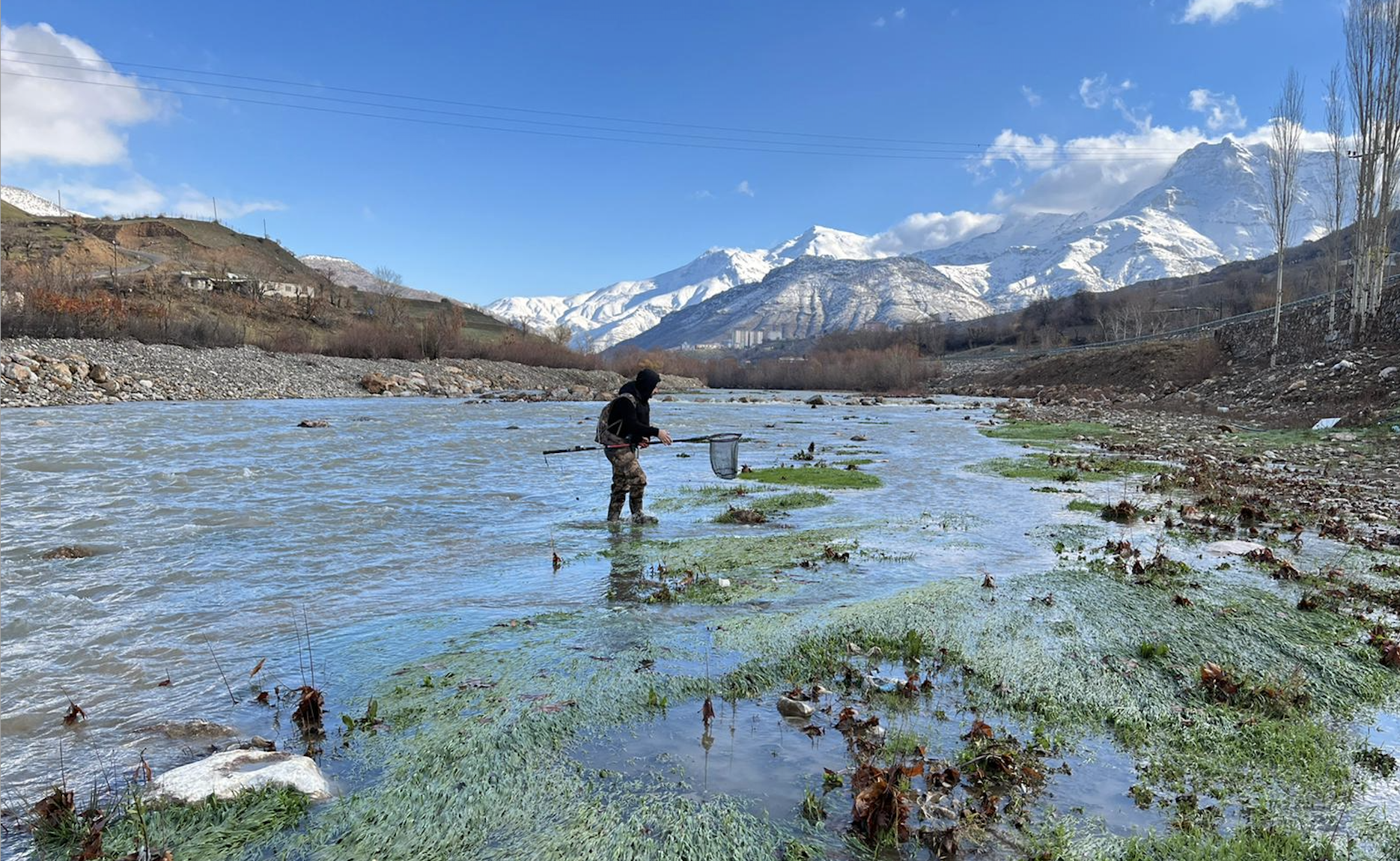
Expedition teams have searched the river underneath the historic Malabadi bridge and the lower parts of the Batman River, where the fish was first discovered, many times in the decades since the Batman River loach’s last sighting, without success. After analysing possible locations where the Batman River loach could survive, Kaya and Oral instead focused their search on the Sarim Stream, which is upstream of the Batman Dam. The team visited the stream and other headwaters of the Batman River, which are shallow, rocky and fast-flowing, the preferred habitat of the fish, in October and November.
“After finding the specimens, it seems that our lost fish has managed to survive despite the threats in the environment. It is now essential to conduct a detailed field study in the region in order to determine the species’ population density and distribution area. These data will play a key role in the correct determination of the conservation status of the species. We took the first step by finding this lost species – now is the time to act to protect it,” said Kaya.
Kaya and Oral searched the streams using tight-weave nets that prevented the Batman River loach from slipping through. They found 14 fish in the Sarim Stream and another nine in the Han Stream.
Kaya and Oral said the population of the loach seems steady, but they are concerned about the effects of pollution, drought, and invasive species, and stressed that further study is needed to get a clearer understanding of the species’ total distribution.
“When we launched the Search for the Lost Fishes, we hoped that we would have the opportunity to celebrate days like this,” said Mike Baltzer, Shoal’s executive director. “There are so many lost and threatened fish and we are so happy that this little loach has been found, and hopefully we can now secure its future. This is the first species of Lost Fishes that has been rediscovered – hopefully the first of many”.
Populations of the Batman River loach nosedived after the construction of the Batman Dam in Turkey between 1986 and 1999, leading some scientists to fear it may have become extinct. Construction of the Batman Dam may have caused populations of the species to fall and, when Kaya and Oral sampled areas downstream of the dam, where the species was recorded in 1974, they were unable to find any individuals. The species’ habitat is now fragmented due to the dam, and the fish can no longer move downstream.
Kaya said: “It is obvious that the establishment of the dam caused shifts in biodiversity due to degradation of the lower part of the habitat needed by the species. I can say this because the species’ preferred habitat is shallow streams, with medium or fast flowing stones or gravel”.
Kaya believes the other threats facing the species are likely to be pollution, drought, and invasive species. “As far as I know, there is no industrial pollution above the points where we identified the species. We must ensure that it does not happen in the future. However, anthropogenic pollution is intense in the region and local people are not conscious. It would be a good solution to raise awareness in the region with the help of NGOs”.
Jörg Freyhof, Europe’s leading ichthyologist and expert on these fishes, and who is working on the paper with Kaya, said: “We have searched for this fish for many years. It is obviously very rare, as it has not been found in the original locations that it was previously recorded. We even doubted that it existed. Cüneyt made massive efforts to finally confirm its existence. Its finding is a sign of hope, that this species has survived despite everything that has been done to kill the river”.
Shoal would love to see a local education programme to help inform people about how pollution can harm endemic fish species, along with collaboration with local government and businesses to encourage better care for the ecosystem. “It’s important to protect and manage all the remaining individuals and populations,” said Baltzer.
Freshwater biodiversity research and conservation lag far behind the efforts carried out in terrestrial and marine environments
In a new publication in Ecology Letters, they propose a research agenda with 15 priorities aimed at improving research on biodiversity in lakes, rivers, ponds and wetlands. This is urgently needed, as biodiversity loss is taking place much faster in inland waters than on land or in the oceans.
Freshwater biodiversity research and conservation lag far behind terrestrial and marine efforts, according to researchers from 88 scientific institutions around the world.
An agenda for prioritising research and conservation into freshwater biodiversity has been written up by 95 researchers from 38 countries. Professor Sonja Jähnig of the Leibniz Institute of Freshwater Ecology and Inland Fisheries (IGB) and Humboldt University in Berlin, who is spearheading the agenda, said: “Biodiversity loss in freshwater is a global crisis that is literally hidden beneath the water’s surface”.
Freshwater biodiversity encompasses the genes, populations, species, communities, and ecosystems of all inland waters. It provides essential services that are vital to human well-being. Despite its importance, Ms Jähnig says: “At present, freshwater biodiversity is declining at an unprecedented rate. The data bear this out very clearly”.
Freshwater animal populations have declined by more than 80%
The latest Living Planet Report documents an average decline in populations of 84% – in only the last 50 years – for 3,741 populations studied, representing 944 freshwater vertebrate species. This is the steepest decline in the three major realms of land, oceans and freshwater. “Despite the ongoing, unprecedented decline, international and intergovernmental science-policy platforms, funding agencies and major non-profit initiatives still fail to give freshwater biodiversity the priority it deserves,” said Dr. Alain Maasri, also at the IGB, who is a lead author on the study.
Inland waters significantly underrepresented in environmental funding
A recent report (Moralis, D. 2021. Environmental funding by European foundations, volume 5 ed. Centre, EF. European Foundation Centre) on environmental funding by 127 European foundations shows that inland waters accounted for only 1.75% of the €745million approved for environmental work in 2018, and that freshwaters ranked second-last among the 13 thematic categories used to assess funding distribution. Often, inland waters are subsumed within terrestrial habitats, and then not adequately addressed in funding plans.
New agenda aims to advance biodiversity research and environmental policy
Ms Jähnig said: “The agenda is intended to provide the impetus for a stronger global commitment to research and conservation of freshwater biodiversity; however, concrete actions must always be developed at local, regional and national levels”.
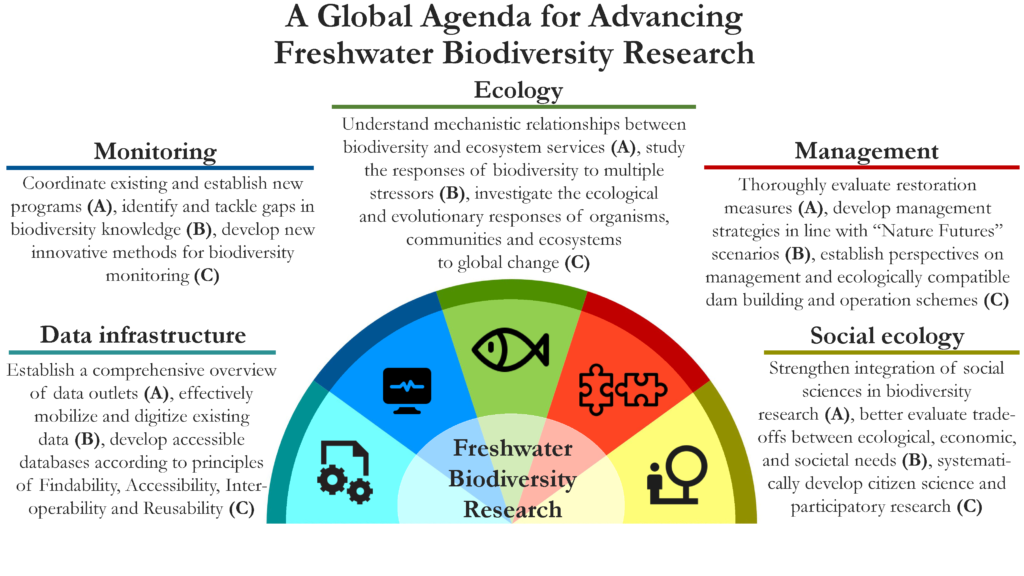
The authors of the Agenda identified 15 priority needs and grouped these into five major areas: data infrastructure, monitoring, ecology, management, and social ecology, against which international freshwater biodiversity research should be developed in a targeted manner. The authors also identified three major challenges – knowledge gaps, miscommunication, and inadequate policies – that need to be overcome.
Close knowledge gaps, communicate better and show political courage
Alain Maasri said: “It‘s not about pointing fingers at policy makers or other stakeholders. It is up to all of us – including us researchers – to set priorities and work better together”.
There are major gaps in knowledge and there is unequal access to information, for example about the interactions between organisms and the environment. Monitoring could also be improved with the help of automated image and video analysis, artificial intelligence, remote sensing technologies and the engagement of citizen scientists. Other disciplines and non-freshwater specialists should also be involved.
Communication difficulties exist in coordinating existing monitoring programs, in linking them across sites, and in mobilising and making existing data available. These must be accompanied by digitization of data from regional and national monitoring agencies, museum collections and research institutions.
The authors hope for more political support in the case of conflicting goals between ecological, economic and social interests through the involvement of local communities and experts. This also implies the inclusion of traditional and indigenous ecological knowledge.
In summary, Ms Jähnig said: “Above all, lakes, rivers, ponds and wetlands should be explicitly recognised as important habitats and ecosystems in their own right by policymakers and funding organisations, and in management and restoration programs”.
On the genesis of the international agenda:
The Agenda was initiated during an international workshop of the Alliance for Freshwater Life in Berlin in November 2018. The Agenda reflects the collective opinion of the authors and is based on intense discussions and the exchange of knowledge and ideas since the workshop. The authors are researchers from 38 countries, of which 18 (47%) are considered countries of the Global South. Of the 96 authors, 28 (29%) are affiliated with universities and research institutes in countries of the Global South, and 16 (17%) indicate that they are currently working with indigenous peoples on the management and conservation of freshwater biodiversity. The authors are therefore convinced that the proposed agenda, with its 15 priorities, reflects a representative diversity of opinion.
The 15 priorities:
Data infrastructure – 1. Establish a comprehensive overview of data, 2. Effectively mobilize and digitize existing data, 3. Develop accessible databases according to the principles of discoverability, accessibility, interoperability and reusability (FAIR data principles).
Monitoring – 4. Coordinate existing monitoring programs and establish new ones, 5. Identify and address biodiversity knowledge gaps, 6. Develop innovative methods for biodiversity monitoring.
Ecology – 7. Understand mechanistic relationships between biodiversity and ecosystem services, 8. Examineng biodiversity responses to various stressors, 9. Examine ecological and evolutionary responses of organisms, communities and ecosystems to global change.
Management – 10. Evaluation of restoration activities, 11. Development of management strategies consistent with Nature Futures scenarios, 12. Development of landscape perspectives for management and ecologically sound dam construction and operation concepts.
Social ecology – 13. Incorporate social science into biodiversity research, 14. Development of methods for assessing trade-offs among ecological, economic and social needs, 15. Systematic development of citizen science and participatory research.
Study monitors native and alien freshwater fish in Greece
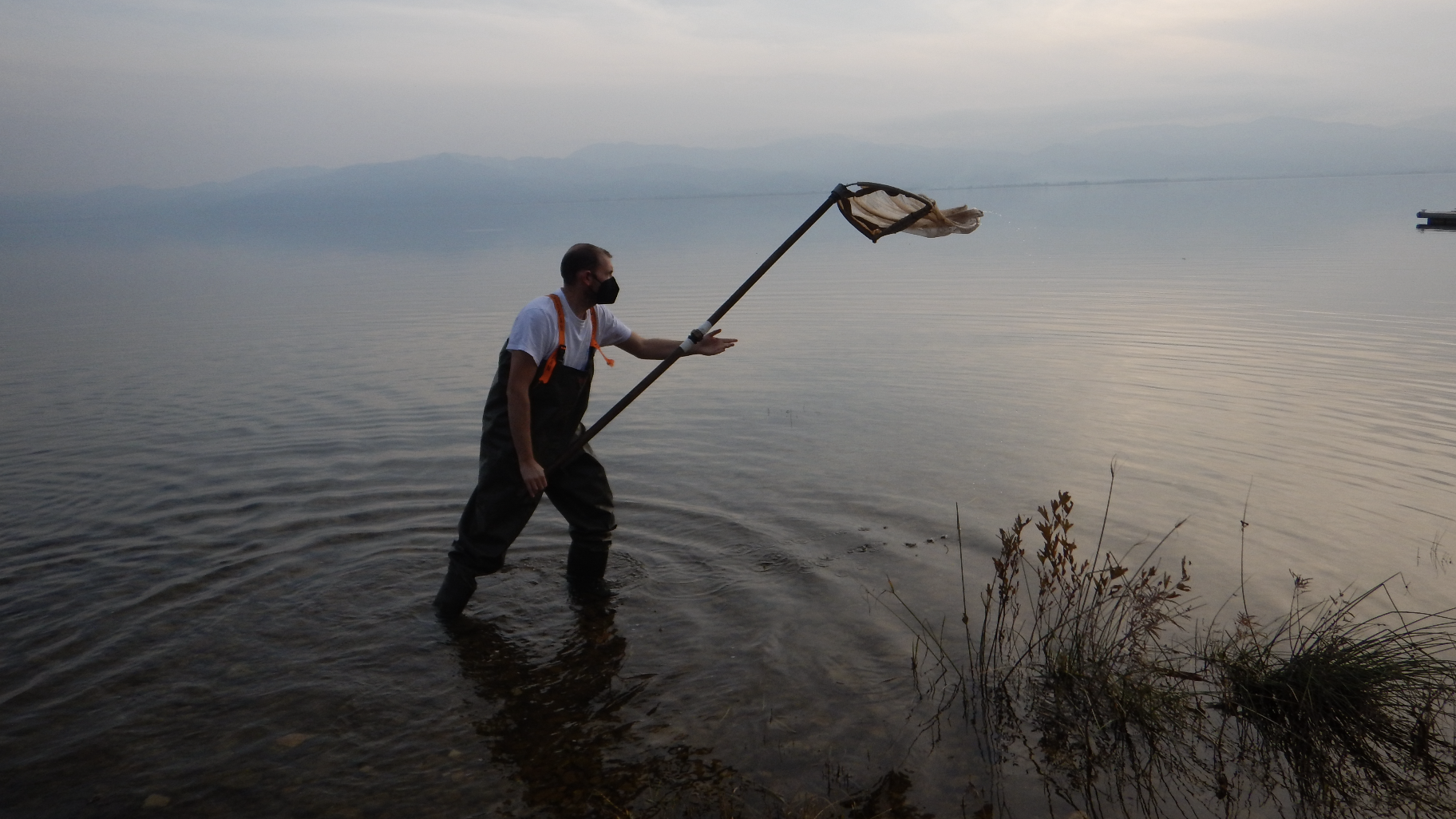
Sampling for Economidichthys trichonis
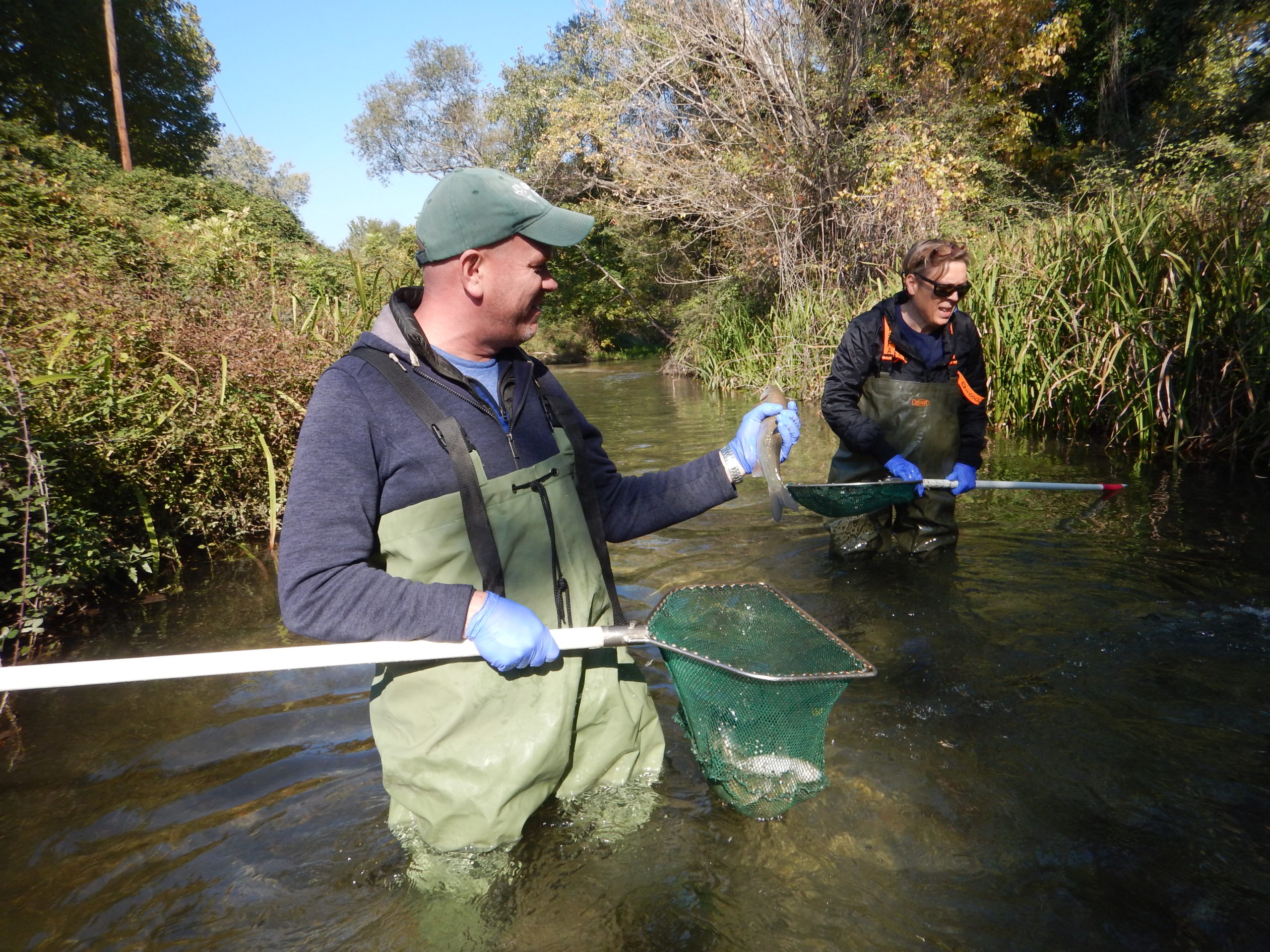
A collaborative project between the Hellenic Centre for Marine Research (HCMR, Dr Eleni Kalogianni), the Bristol Zoological Society (BZS, Brian Zimmerman) and the University of the West of England (UWE, Dr Mark Steer), has recently been collecting data in freshwater systems in Greece, with the aim of wide-range monitoring of native and alien freshwater fish in the country. The project, funded by the A. G. Leventis Foundation, is called Project AFRESH, and covers most of mainland Greece.
We caught up with BZS’s Brian Zimmerman to learn more.
What is the project you’re currently working on with the Hellenic Centre for Marine Research?
Project AFRESH has five main aims:
1. To provide data on the current country-wide status of selected threatened freshwater species in Greece, along with data on the top two alien invasive species, using both conventional fish sampling and eDNA methods.
2. To create a breeding habitat to act as a refugia in the wild for the Critically Endangered Corfu Valencia, Valencia letourneuxI, as well as back up aquaria stocks of two other threatened species.
3. To further disentangle native / alien species interactions – in particular the impacts caused by direct aggression and other stressors – through a detailed behavioural and quantitative study.
4. To provide a Europe-wide project dissemination and knowledge-sharing through the organisation of workshops and the participation in conferences.
5. To reach a wider audience of conservation practitioners working in freshwater habitats in Europe and beyond, via a project website that charts the project’s accomplishments and activities.
Project AFRESH is the latest in a series of projects in Greece that started in 2005. Tell us a bit more about these projects.
They have included:
FISH NET: GREECE – The aim was to conserve the Corfu killifish by stabilising the remaining populations of the Critically Endangered Greek killifishes (the sister species Valencia letourneuxi and Valencia robertae), preventing their extinction in the wild. This was achieved by using monitoring, captive breeding, research, trial translocation and awareness-raising.
RESILIENT – A population assessment of the Corfu killifish and other Greek endemic freshwater species was done using established and innovative methods which aimed to assess the current population status of the two Greek killifishes. This project used both conventional fish monitoring methods and eDNA methods.
PACIM – A population assessment of two Critically Endangered Greek fish species, and range assessments of the highly invasive Eastern mosquitofish and Topmouth gudgeon, which aimed to conduct population surveys for four extremely range-restricted and Critically Endangered species in Greece, again using conventional methods and eDNA sampling. An assessment of the expansion range of two extremely invasive alien freshwater fish species at selected Greek basins also used eDNA methods.
Which species is the project aiming to conserve?
Through nationwide monitoring, Project AFRESH targets six threatened, range restricted, Greek endemics (Telestes beoticus, Knipowitschia thessala, Salmo peristericus, Phoxinus strymonicus, Alburnus vistonicus and Alburnus macedonicus).
It also targets the Critically Endangered Valencia letourneuxi and, through the creation and breeding of safety stocks, Pungitius hellenicus and potentially Salaria economidisi and Economidichthys trichonis. The freshwater fish fauna of Greece is of particular importance as a national and global heritage, especially due to its diversity and high degree of endemicity, mainly as a result of the complex geological and climatic history of the Balkan Peninsula (Barbieri et al, 2015).
These species are threatened from anthropogenic changes to the hydrological and hydromorphological conditions of their habitats, caused by water abstraction, habitat loss and degradation through mainly agricultural pollution, disruption of river connectivity and – importantly – alien invasive species.
What role do you think eDNA methods have in freshwater species conservation?
There is a growing amount of literature showing that the eDNA method is becoming increasingly common, and that it offers substantial potential as a non-invasive method associated with highly repeatable and reliable results.
It offers a low impact, speedy sampling method that has the potential to identify ecosystem level changes early. Proper training is needed to prevent contamination of samples, and at the moment we are testing whether “false negatives” can be corrected, but it is showing real promise as a way to conduct presence/absence surveys for freshwater fish, in particular for those species that are cryptic and not easy to find with traditional sampling methods.
REFERENCES
Barbieri, R., Zogaris, S., Kalogianni, E., Stoumboudi, M. T., Chatzinikolaou, Y., Giakoumi, S., … & Economou, A. N. (2015). Freshwater fishes and lampreys of Greece: An annotated checklist.
Post Overview
Michael Edmondstone
November 24th 2021
Feature
Share this post:
Recent News
From Motion to Momentum: Advancing Springs Conservation
Matthew L. Miller is the director of science communications at The Nature Conservancy. He is also a passionate angler whose love of freshwater biodiversity calls him to question traditional approaches to fisheries management in the USA.
He has written extensively on using the phrases ‘rough fish’ or ‘trash fish’, both of which are used widely among anglers in North America. They mean the same as ‘coarse fish’ in the UK: fish that don’t make good eating and so aren’t considered game. The terms have problematic implications for non-game fish, as Matthew explained.
Can you talk through the use of the term ‘rough fish’ in fisheries management in the USA?
It stems from the idea of there being a hierarchy among fishes. It’s a European notion that held that coarse fishing was considered lower than game fishing. It has evolved over time, but there is still the distinction in many European waters between game fishing and coarse fishing. In the USA, that hierarchy has held, and fishing regulations in the USA distinguish between game fish and rough fish.
Often this translates to a complete lack of regulation for non-game fish. For instance, where I am in Idaho, you can take rough fish at any time of year, without limit, and you can spear them, snag them or shoot them with bows and arrows.
The regulations have not kept up with the science. We now know that some of these non-game species are long lived and slow to mature, but you can still kill them without limit.
How can this lack of regulation damage the wider ecosystem?
Bow fishing – fishing with a bow and arrow – used to be a niche hobby in the USA, but recently it has exploded in popularity. There are now specialised boats, specialised lighting, all this equipment, but very little research on the impact this is having on the ecosystem.
Game fish such as trout and bass have a lot of funding and research directed at them, but non-game fish have a real lack of both. There is anecdotal evidence of people noticing non-game fish such as bigmouth buffalo disappearing from certain waters, but there needs to be more studies. I co-authored a paper in the Fisheries journal that is calling for more research.
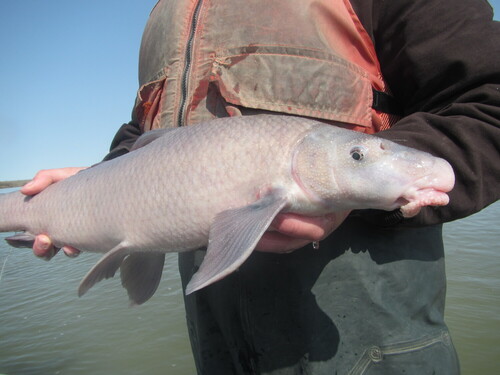
A blue sucker: non-game fish like this can broaden anglers’ horizons
Suckers can provide a new challenge for anglers.
In your recent Cool Green Science article, you said that fisheries should be ‘managed with science, not emotion’. Are fisheries usually regulated by emotion in the USA?
We have state fish and wildlife agencies that manage wildlife in the different states. In fact, a lot of the management of wildlife is at state level. Hunting and fishing have a democratic tradition in the USA, as there is unrestricted access and you don’t have to be a landowner.
Many of our wildlife species are well managed, but usually only if they are managed by hunters and anglers, as they have real interest in sound management of the species that they’re interested in.
There is pressure from anglers that is not based on science. They want lots of trout, so many lakes stock massive amounts of trout. We hope for there to be management based on science, but it is wishful thinking.
On the other hand, when anglers come together, they can be a powerful force for good. For instance, they have driven the reintroduction of lots of native trout species and subspecies.
Can you talk through some of the frustrating things you’ve seen from anglers with regards to non-game fish?
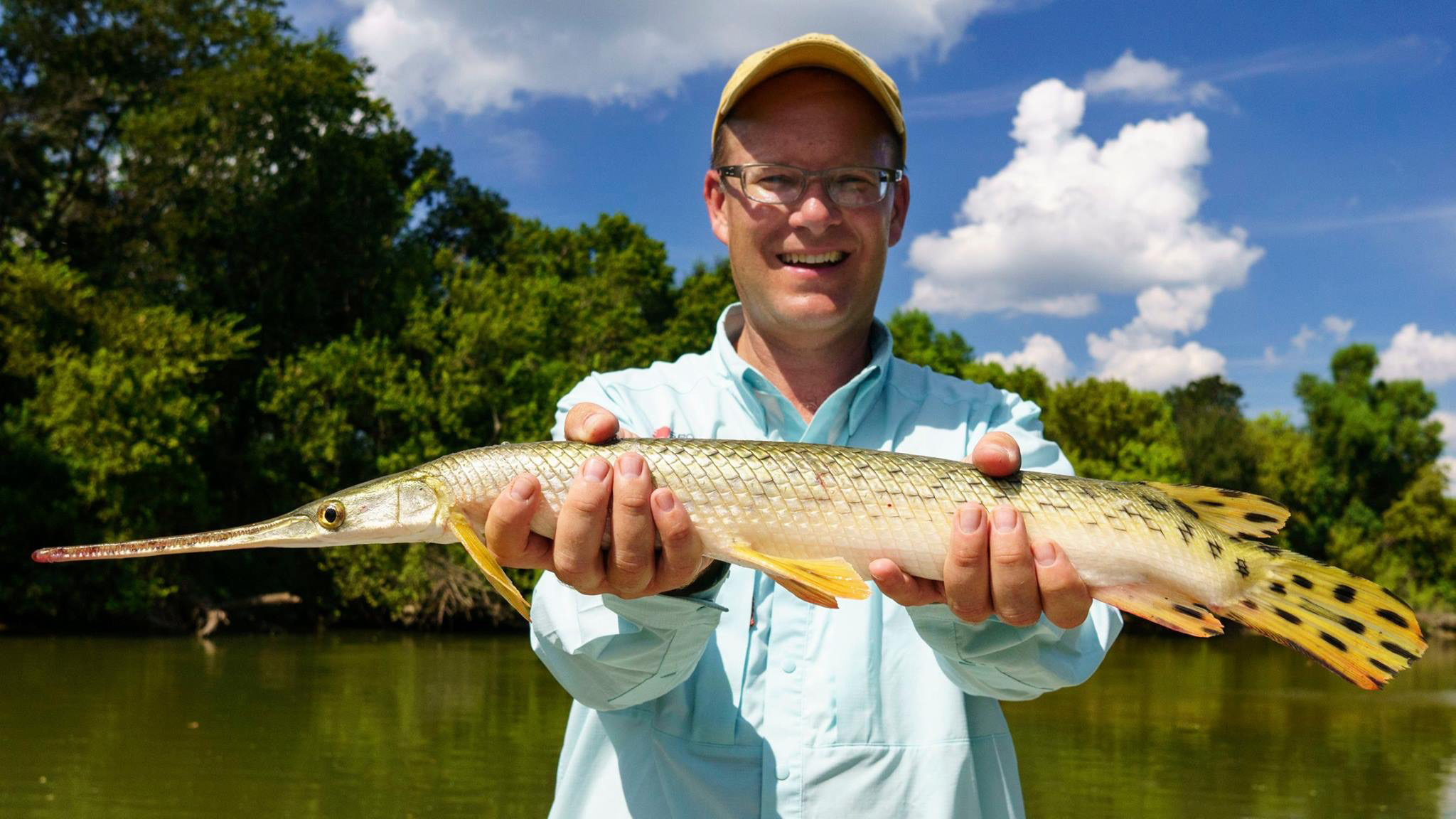
A viral video this summer showed two bowfishers counting off 1,000 gar they killed in an outing. This is nearly impossible to achieve over a weekend of hook and line angling.
And they dumped every dead fish back into the water.
The first time I tried fishing for suckers, somebody said: “Are you having any luck with the trout?”.
I said that I’m fishing for suckers.
He said that “They’re non-native and that ‘I should kill all I can”.
People often offer me unsolicited advice and are dumbfounded when I say I’m trying to catch suckers. But, as with anything, you need to recognise when it’s best for education, and when it’s best to not go down that rabbit hole: there are people who are receptive to the message, and people who are not.
Part of what I’m trying to do is shift the narrative where I can, which doesn’t mean shifting the minds of everyone. But the more people who value the non-game fish, the more hope we have.
Rarely does making somebody aware of an issue change it.
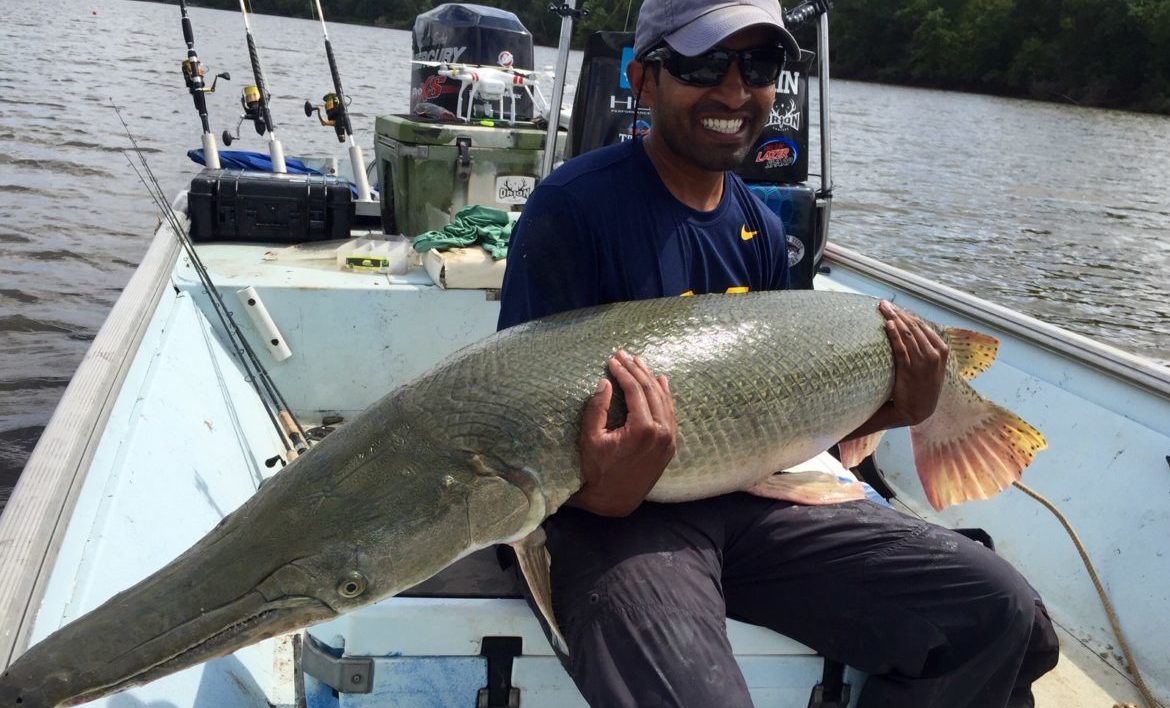
But in the USA there is a tremendous outdoor media, and there are voices in that media that have influence, so if they say an alligator gar is a trophy fish, people will listen.
When alligator gars were featured on Jeremy Wade’s River Monsters, suddenly people wanted to go out and catch and release them. That’s a change of value among anglers that was driven by a television show.
We have a long way to go, and as with most things, it has to be a combination of a change in attitudes and change in regulation, and both of these will feed each other.
What can anglers do to be a force for positive change?
They can really get to know their streams. I know anglers who know mayfly habits and the behaviour of trout really well, but don’t really know much about the other fish species. Knowing more about the biodiversity can make you a better angler, and it can also help you expand your angling horizons – catching a bigmouth buffalo can be a tremendously challenging endeavour, and that can really flip the narrative.
Matthew’s book ‘Fishing Through the Apocalypse’ is out now. It explores what the future holds for fish and the people who pursue them through a series of fishing stories about the reality of the sport in the 21st century.
Matthew is also the editor of Cool Green Science: the conservation science blog from The Nature Conservancy.
You can find him on Twitter at @eatguineapigs.
Post Overview
Michael Edmondstone
September 20th 2021
Angling, Feature, Fish, Interview
Share this post:
Recent News
From Motion to Momentum: Advancing Springs Conservation
Nearly half of Caribbean freshwater fishes threatened with extinction, assessment shows
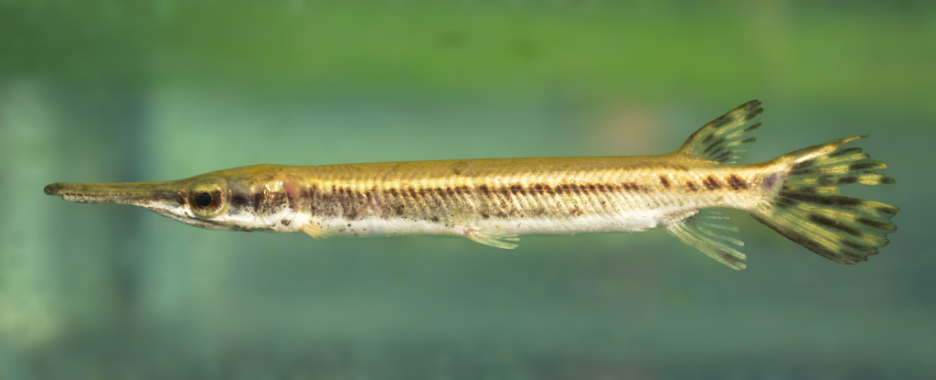
A juvenile Cuban Gar
Nearly half of Caribbean freshwater fishes threatened with extinction, assessment shows
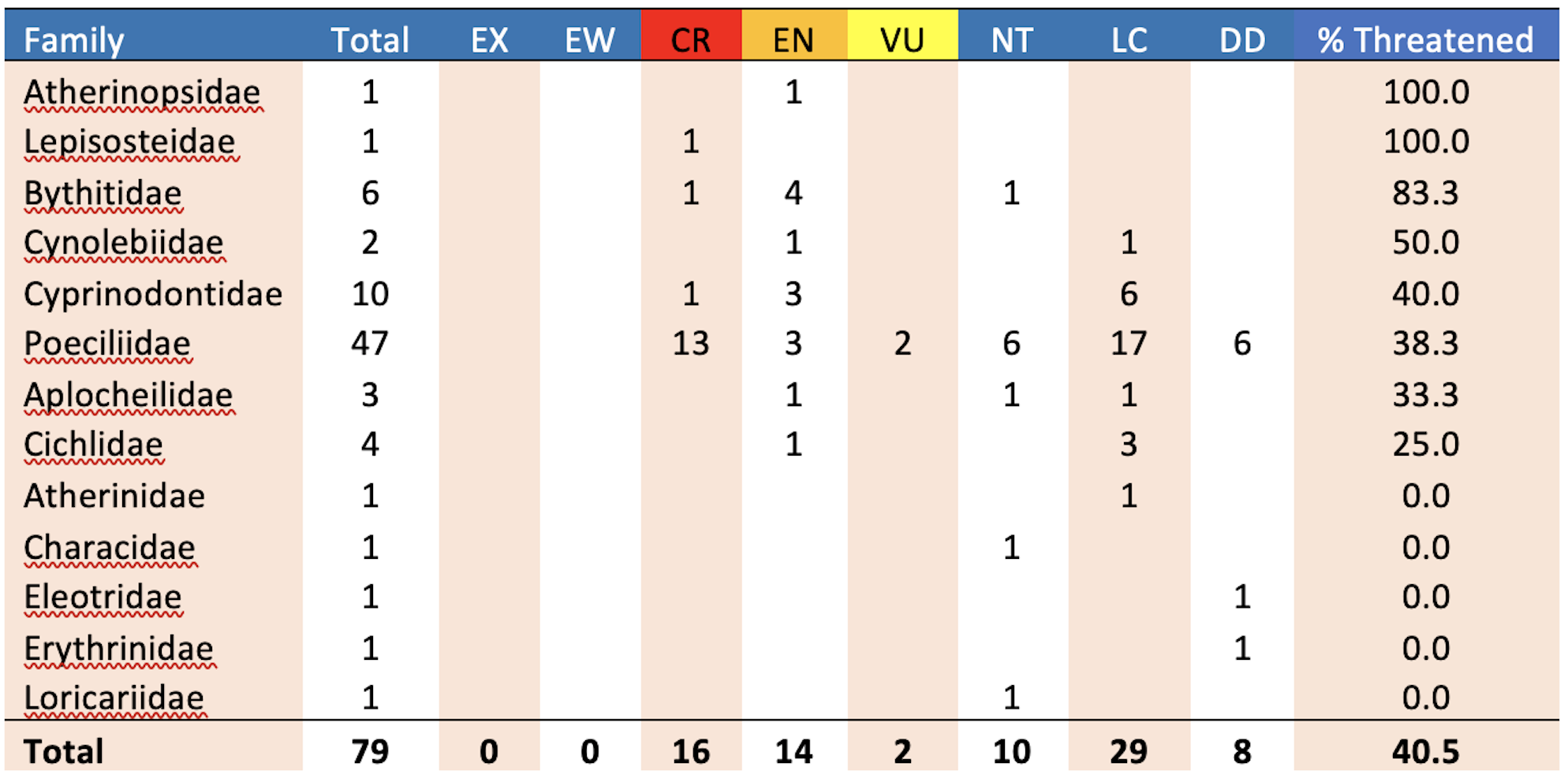
A comprehensive assessment of Caribbean freshwater fishes recently revealed that 41% of the 79 species assessed are threatened with extinction, bringing conservationists one step closer to a global freshwater fish extinction assessment. The new assessment sheds light on common threats, including the spread of invasive species, pollution, deforestation, and agricultural development. It further highlights biodiversity hotspots that are in need of stronger protection, and serves as a strong basis for future conservation efforts in Caribbean freshwater ecosystems.
One species of particular interest to conservationists is the Cuban Gar, the largest species of freshwater fish in the Caribbean. These predatory giants were once widespread in Cuba’s Zapata Swamp, but drastic declines in abundance due to the invasive African Walking Catfish has warranted their assessment as Critically Endangered. Another region is Lake Miragoane on the Tiburon Peninsula in southwestern Haiti, where an endemic species flock of livebearing fishes is threatened by widespread deforestation and watershed mismanagement.
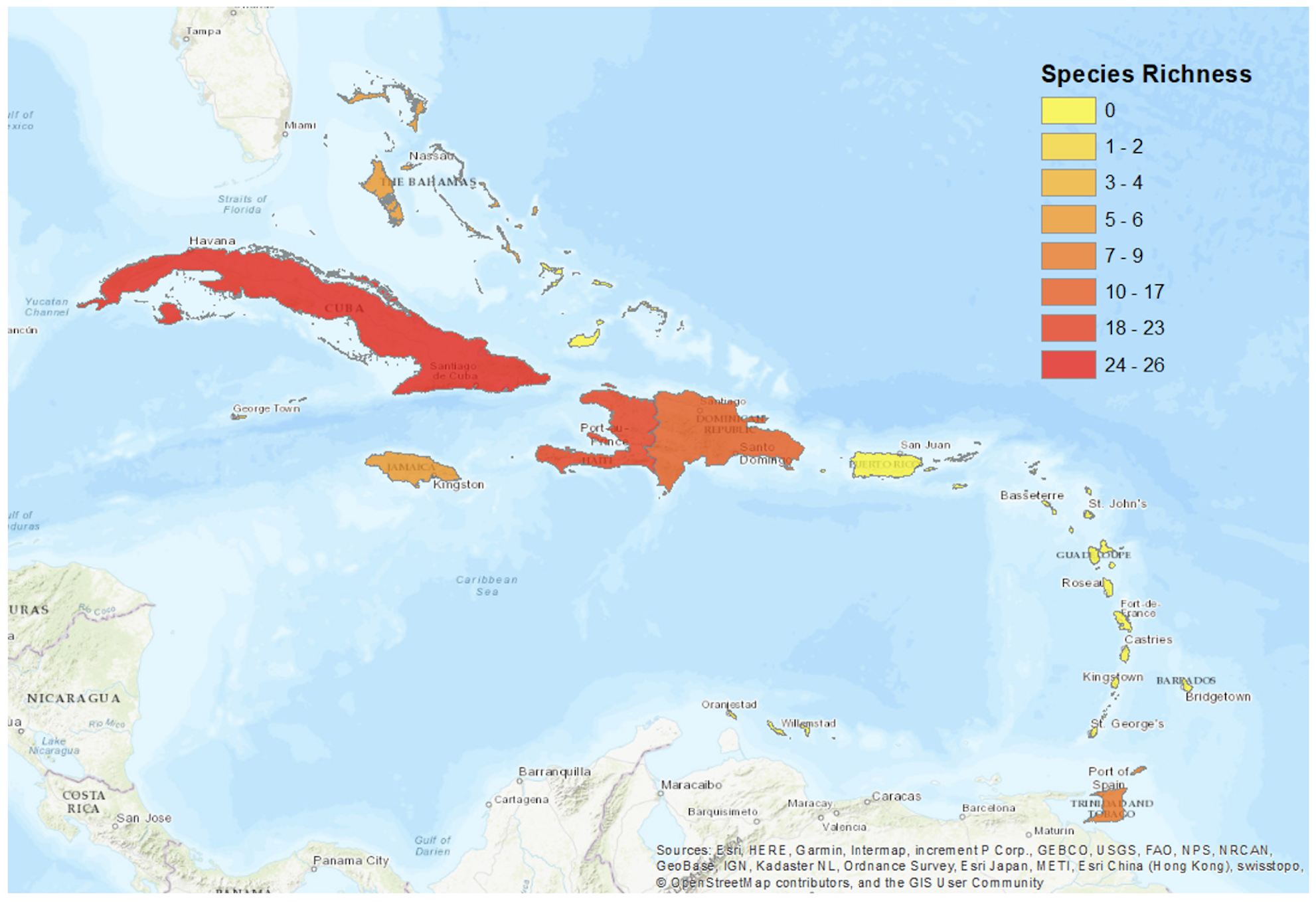
The majority of freshwater fish diversity in the Caribbean is concentrated on the region’s largest islands of Cuba and Hispaniola, with fewer endemics in the Bahamas, Jamaica, and Trinidad and Tobago.
For more information about the conservation status of this unique group of freshwater fishes, please visit www.iucnredlist.org to search by species, or read the full press release here.
Percentage of threatened species of Caribbean freshwater fishes by familyREAD PRESS RELEASESpecies Richness of freshwater fishes in the Caribbean by country of occurrence
Post Overview
Michael Edmondstone
July 27th 2021
Conservation, Feature
Share this post:
Recent News
From Motion to Momentum: Advancing Springs Conservation
Searching for the fat catfish with Dr. Ian Harrison
Ian's 1999 expedition to Lake Tota
by Michael Edmondstone
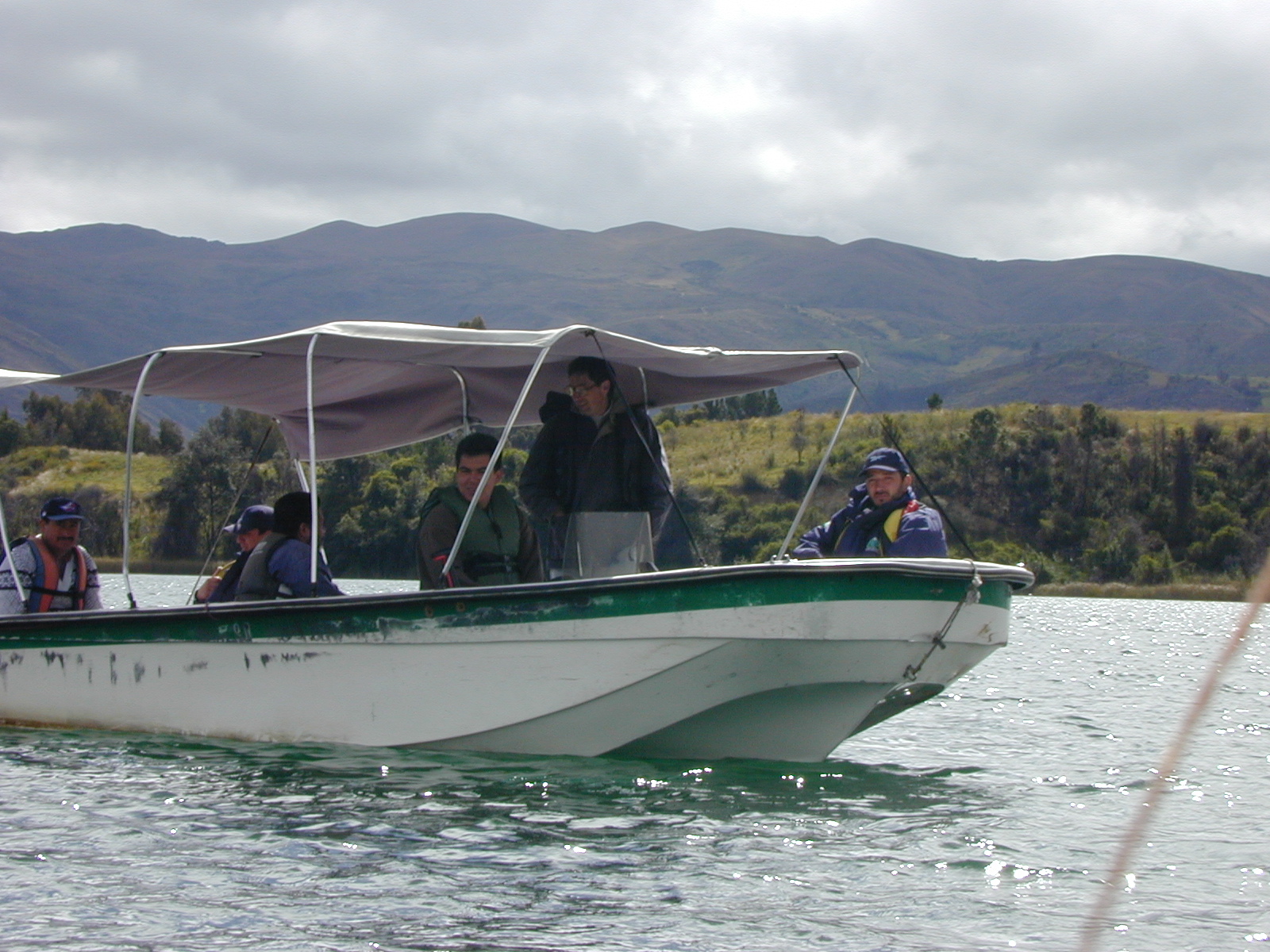
Dr. Ian Harrison, Steering Committee for the Freshwater Fish Specialist Group of IUCN’s Species Survival Commission, has been instrumental in giving us expert advice and guidance on the fat catfish, and he will be involved in the expedition to try and find the bizarre-looking species that he once described as: “the closest a fish could get to the Michelin Man”. It won’t be the first time he’s visited Lake Tota with the aim of rediscovering this species: back in 1999, he was involved in another expedition to the lake, which was abruptly cut short due to concerns about guerrilla activity in the area.
We sat down with him to learn more about this very strange fish.
“The expedition was in collaboration with the American Museum of Natural History in New York, the Universidad Nacional de Colombia in Bogota, and a local environmental organisation in Colombia, CORPOBOYACA, who have offices and laboratories on the lake shore.
“At the time, there was a lot of guerilla activity in the area: mainly the FARQ. My colleagues at the university had notified them of our intentions and had received their permission to work there. I was told that some members of FARC were quite hospitable to the Universidad Nacional, because of its role as a public serving university”.
How did the expedition go?
It went OK, but we had problems that meant we had to finish early. On the second day, we met this fisherman who some of the other team members were nervous about. He was asking lots of questions, and with three visiting North Americans, we knew that would attract attention. The team were nervous that he would pass information to another guerrilla group in the area. The lake is a crater lake and, where we were, there was one main road in, so it would be easy for anyone to set up a roadblock and make it difficult for us to leave, or even kidnap us. We left early, after three days, instead of staying for a full week. Plus it got really rainy, so it was difficult to do any work.
The good side is that the environment agency there: CORPOBOYACA, and the local police were extremely helpful. They let us sleep in the CORPOBOYACA field station, and provided us with boats and police security.. We got incredible help from the university, the local people were extremely friendly and helpful, and the first couple of days went really well , but then we hit the problems with security and weathers. We didn’t have enough time to find the fish.
Why do you think the fish wasn’t found?
In three days you can barely get things going. If we could set some gill nets around the edge of the lake and do a deeper water trawl, it may have helped. We were also only working on one side of the lake and it’s a pretty big lake: we probably only sampled something like 10% of it”.
What makes you think it might be found this time around?
“We didn’t get the time before, and that’s the key thing. The university has gone back but they haven’t really had significant time to monitor fully. The eDNA would be extremely helpful: the main challenge with that is getting the baseline sequence for this species, the reference to really understand what you’re picking up. One could pick up DNA of the other catfish that live in the lake”.
Do you think it’s still there?
I don’t see why it shouldn’t be – there’s as much reason to think it is there as not. The main reason is competition from introduced trout, which is a real risk. But we know so little about it and if it tends to live in the deeper parts of the lake, there’s a good chance it could still be there, as trout probably don’t go to the deeper parts of the lake. There was a potential sighting of it in the early 1980s, when divers thought they’d seen it, which was after the trout were introduced.
There are so many cases with fish where they don’t get seen for a long time, and the reasons why people think it’s no longer there aren’t fully compelling, and then they get sighted again. Which is not to say that we shouldn’t take their risk of extinction as very serious; but it does mean that we really need to look carefully for them before we give up on them. Because once we do that, we are closing the door on any other conservation effort.
Why do you think it has the bizarre fatty rings?
There have been a tonne of hypotheses, and when we first went on the expedition it was in large part to try to find some living fat catfishes and get them into an aquarium and study them. To try and find out why it has these rings.
Some people have suggested the fat could be for buoyancy regulation, but I don’t really see how that would work. I’ve also read it’s a temperature thing, as the lake is cold, but fish generally don’t thermoregulate. It may due to what they are eating, which creates large amounts of fat, which creates a reserve for them, and if there’s not a lot of food in the lake, this could be an adaptation. But other species live in the lake, and they don’t do that.
There are lots of speculations, but that’s all they are – speculations – and that’s why it would be so neat to get hold of it and try to understand the physiology.
What would be the best thing to do if it was found?
If it’s found, then the lake will become an AZE (Alliance for Zero Extinction) site for a start, setting it up as a conservation priority area. There would then be reason to work out whereabouts the fish lives in the lakes, and how threatened is it from the presence of the trout, or from other threats. It gives reason to be more careful about managing the lake; for example there is a lot of agriculture around the lake, which has risks of fertiliser runoff. Ultimately, it would mark the lake as a place with a unique species. And if we could set up a conservation breeding programme, that would be really excellent.
The fat catfish is truly one of the unsolved mysteries of the freshwater realm. Join us on the journey as we try to rediscover this Lost Fish, and try to figure out more about its bizarre appearance!
Post Overview
Michael Edmondstone
June 9th 2021
Conservation, Feature, Fish, Interview, Lost Fishes
Share this post:
Recent News
From Motion to Momentum: Advancing Springs Conservation
A team of global experts in freshwater fish biodiversity and conservation have published a paper discussing the possible effects of the COVID-19 pandemic on freshwater ecosystems. As expected, both positives and negatives are likely to arise from this period of reduced human activity.
Let’s take a look at some of the findings.
Invasive species
Invasive species are considered to be one of the most significant drivers of freshwater biodiversity decline (Reid et al., 2019). COVID-19 has both changed the way that invasive species spread between regions and the way humans are able to control this spread.
On the one hand, a reduction in global trade and travel means there will be subsequent reductions in invasive species transport associated with pathways such as air transportation, the movement of fresh foods, and recreational activities (Hulme, 2009; Early et al., 2016).
On the flipside of this, however, the authors say ‘it seems likely that human-related pathways of species introductions may actually accelerate the pace of invasions’.
There has also been ‘significant budget reductions for controlling the spread of invasive fishes from intentional introductions, aquaculture releases, and unintentional transport. For example, a US$8 million project aimed at stopping the spread of invasive Asian carp in Michigan, USA, was vetoed in order to support the state’s response to COVID-19 instead (Boomgaard, 2020)’.
Furthermore, community science programs have largely ceased in response to COVID-19 because of lockdown restrictions, reducing the ability to notice new or track existing invasive species.
Dramatic reductions in industrial pollution has led to cleaner rivers around the world. For instance, ‘temporary closures of many industries have potentially reduced discharge of nutrients, heavy metals, and other chemicals to water bodies and reduced emissions to the atmosphere (Chow, 2020). Reduced nitrogen dioxide concentrations observed over Eastern China, Europe, the Northeastern United States, and India have been used as indicators of temporary recovery of urban surface water quality that runs off into waterways (Hallema et al., 2020)’.
However, ‘the pandemic has also increased pollution impacts on freshwater fishes. In the UK, disruption to food supply chains has led to dumping wasted food and drink, such as milk, which has entered waterbodies, potentially depleting oxygen levels through eutrophication (Ends report, 2020; Salmon and Trout Conservation, 2020). Elsewhere, altered sewage pollution patterns or collapse of the sewage systems could be a major detriment to aquatic biodiversity (Herbig, 2019; Tortajada and Biswas, 2020). Increased use of disinfectants (e.g., hand sanitizers, cleaning products) has likely increased their presence in freshwater systems through runoff and wastewater discharge (Zhang et al., 2020). In addition, heightened concern for hygiene and disease spread has increased pollution associated with packaging and personal protection equipment (Roberts et al., 2020, Van Reenen, 2020; Aragaw, 2020). Moreover, as single-use plastics are a key source of microplastics in fresh waters (Li et al., 2020), such actions will likely contribute to more plastic pollution entering waterways’.
Climate Change
In the short-term, ‘global travel restrictions and reduced industrial activity have dramatically decreased fossil fuel consumption worldwide (Gössling et al., 2020), resulting in a temporary reduction in CO2 emissions during lockdown (average reduction of 26%, Le Quéré et al., 2020)’.
According to the authors, ‘The timescale of these reductions is likely too short to affect long-term climate change trends or freshwater habitat conditions, yet these temporary shifts could translate to longer term change depending on societal responses, i.e., whether economic recovery efforts follow a return to ‘business as usual,’ or embrace the implementation of new climate policies that drive further reductions in energy use and shifts to clean energy. A shift towards working from home could be a significant longer-term change that reduces emissions (Hern, 2020)’.
The paper states that, ‘Fragmentation of freshwater systems is a major threat to freshwater biodiversity, particularly migratory fishes (Dudgeon et al., 2006; Nilsson et al., 2005). The construction of dams is currently the greatest source of increased fragmentation in freshwater ecosystems as free-flowing rivers are obstructed (Zarfl et al., 2015). The slowdown of industrial development and construction activities during the pandemic has also slowed hydropower projects, particularly in Asia (Bangladesh, China, Nepal, Indonesia, India and Myanmar; Cox, 2020), and temporarily suspended further fragmentation of freshwater ecosystems. How long this will persist is unknown, given global changes in energy demand due to COVID-19.’
‘However, as regions prioritise economic recovery post-pandemic, there is evidence that environmental legislation and assessment processes are being side-stepped (Diele-Viegas and Pereira, 2020; Canadian Environmental Law Association, 2020). It is possible proponents of development projects will attempt to take advantage of a swamped news-cycle, decreased environmental assessment capacity, and a need for economic growth following the lockdown to push forward controversial projects. For example, the Government of India is considering a controversial 3097 MW dam (Dibang Valley Hydropower project) in the Himalayan Biodiversity Hotspot (Chandrashekhar, 2020). While many regions of the world are building dams, other regions are removing them (Ding et al., 2019) or constructing fishways to provide passage over such barriers. Funding for such restoration projects may be restricted or diverted during the economic recession to benefit human health and employment security (discussed in Corlett et al., 2020), but to the detriment of river fishes.’
Habitat Loss
There are many examples where habitats and ecosystems have suffered greater damage than usual during COVID-19. For example, ‘in India, sand mining, an emerging threat to freshwater ecosystems (Koehnken et al., 2020), increased due to reduced enforcement mechanisms (Kannan, 2020)’. And in the Amazon, ‘deforestation rates increased by 55% from January to April 2020, compared with the same period in 2019 (Brown, 2020) due to reduced enforcement (Schwartz et al., 2020). This is intensifying pressures on the already vulnerable freshwater ecosystems of the region (Castello et al., 2013).’
Exploitation
Overexploitation of freshwater fishes is another major driver of freshwater biodiversity loss (Reid et al., 2019 and references therein).
Over the short-term, impacts of COVID-19 are likely to affect different areas in different ways, with some fish species benefitting, and others being compromised. But over the long-term, ‘the impacts of COVID-19 can be expected to amplify exploitation and unsustainable fishing practices.’
‘Job losses in urban areas and the return of migrant workers to their rural homes (Mukhra et al., 2020) will increase fishing effort and may lead to fishing practices that will impact negatively on imperilled fishes, such as the Critically Endangered hump-backed mahseer (Tor remadevii; Pinder et al., 2020). This is coupled with evidence of increased illegal fishing activities because of reduced surveillance and enforcement activities.’
‘Increased effort and exploitation have also been documented in many recreational fisheries around the world as many people have sought outdoor spaces while under lockdown and many countries have incentivized recreational fishing as a socially-distanced activity (e.g., free fishing days). Many areas are seeing an increase in the sales of fishing licenses relative to the same periods in 2019, including Texas, USA (39% increase; CBS Local, 2020), Vermont, USA (resident license have increased 50%, Gribkoff and Trombly, 2020), England (increase of 120% in rod licenses; Cuff, 2020), among many other fisheries worldwide. In some areas, restrictions have affected international travel for recreational fishing and related tourism (Gössling et al., 2020), which is likely to reduce local income and compromise co-management agreements aimed at maintaining high abundances of large-bodied freshwater fishes for recreational anglers. Examples include conservancies for tigerfish (Hydrocynus vittatus) in Namibia (Cooke et al., 2016), Arapaima spp. in Guyana (Lynch et al., 2016b), and mahseer (Tor spp.) in India (Pinder and Raghavan, 2013).’
The paper concludes that in ‘one to two years from now, we anticipate freshwater biodiversity at the global scale will be in a similar or improved condition relative to if the pandemic had not occurred. Improvements to freshwater habitat quality resulting from the global ‘pause’ in economic development and declines in human disturbance, adapted fishing activities, and reduced pollution all have the potential to benefit fish populations (Rutz et al., 2020). However, the relatively short-time scale of the lock-down period means freshwater fishes are unlikely to exhibit substantial long-term changes.’
But over a longer time-scale – five years or more – ‘the future state of freshwater fisheries is very likely to be worse than if the pandemic had not occurred.’ It is likely that an ‘eagerness to return to economic growth may lead to a rebounding period that ultimately accelerates and compounds threats to freshwater fishes existing prior to the pandemic. This dynamic may play out to a greater extent in developing regions because of increased prevalence of food insecurity caused by the pandemic.’
In light of the World’s Forgotten Fishes report released by Shoal, WWF and other leading conservation organisations, it is now crucial to ramp up the messaging to encourage policymakers to show ambitious leadership in saving the threatened freshwaters around the world.
Post Overview
Michael Edmondstone
March 3rd 2021
Conservation, Feature, Report
Share this post:
Recent News
From Motion to Momentum: Advancing Springs Conservation
Talking freshwater fish reserves: An interview with Aaron Koning
(c) Aaron Koning
"Just make a reserve, you’ll get more fish!”
by Michael Edmondstone
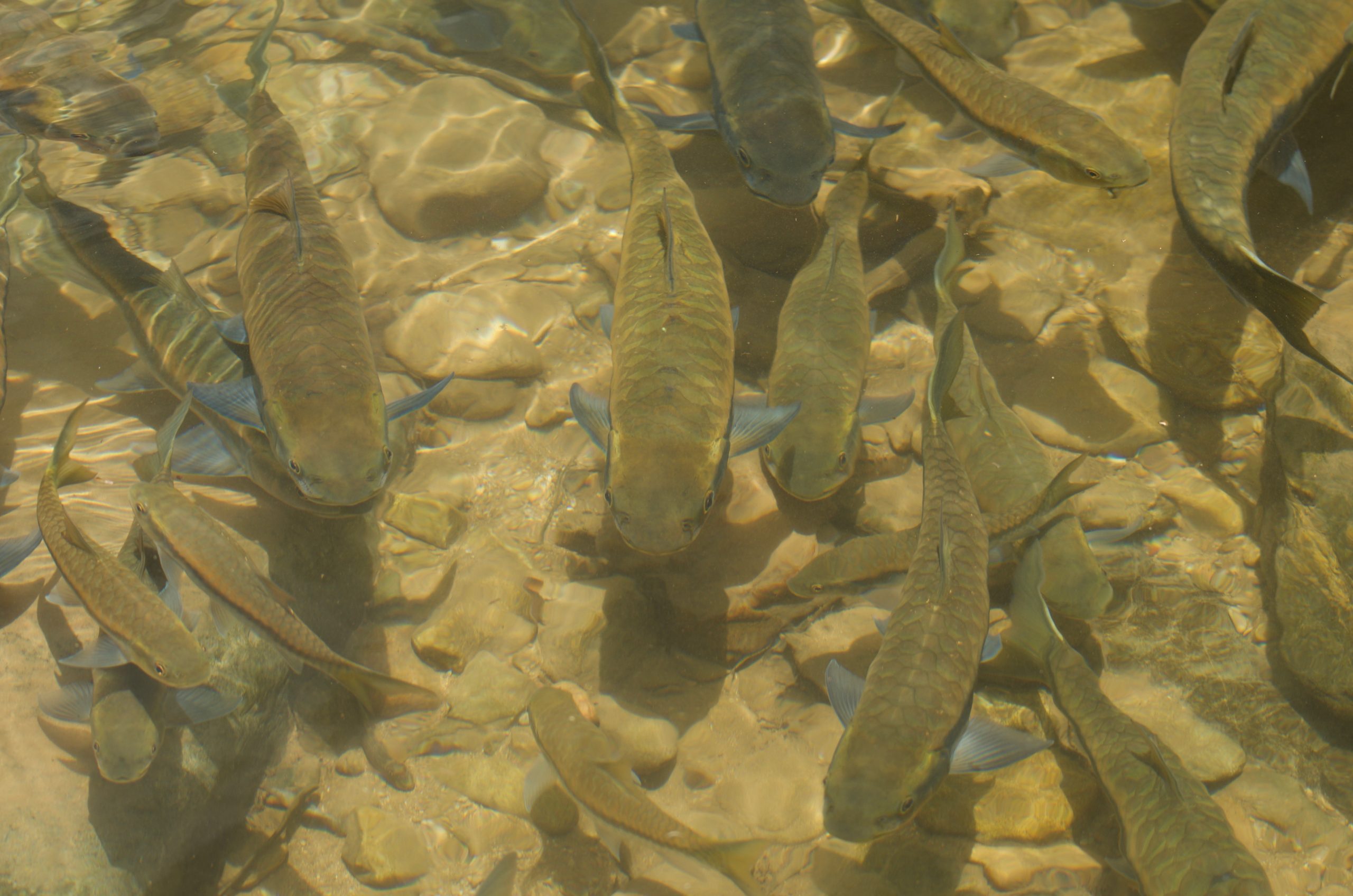
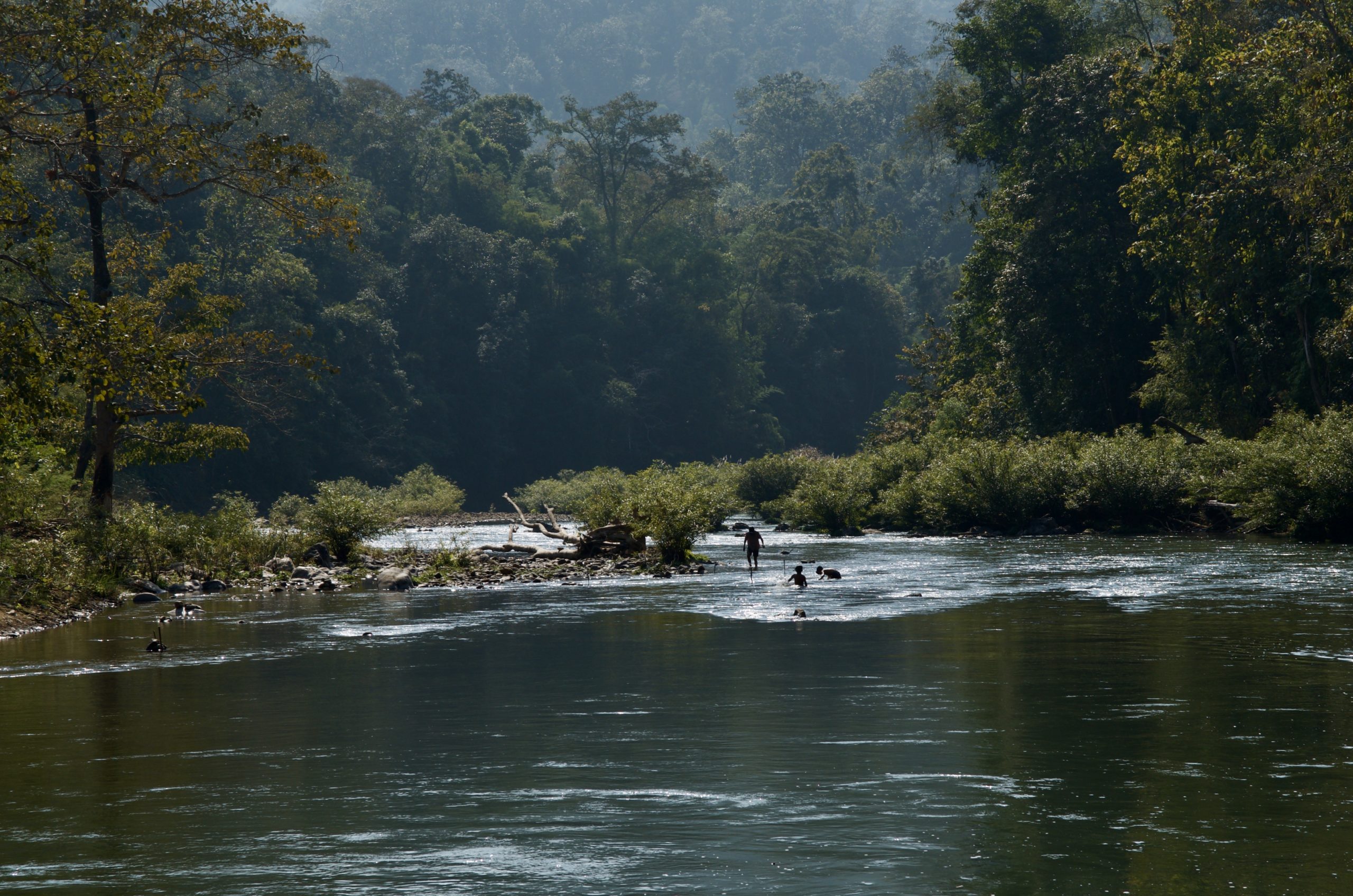
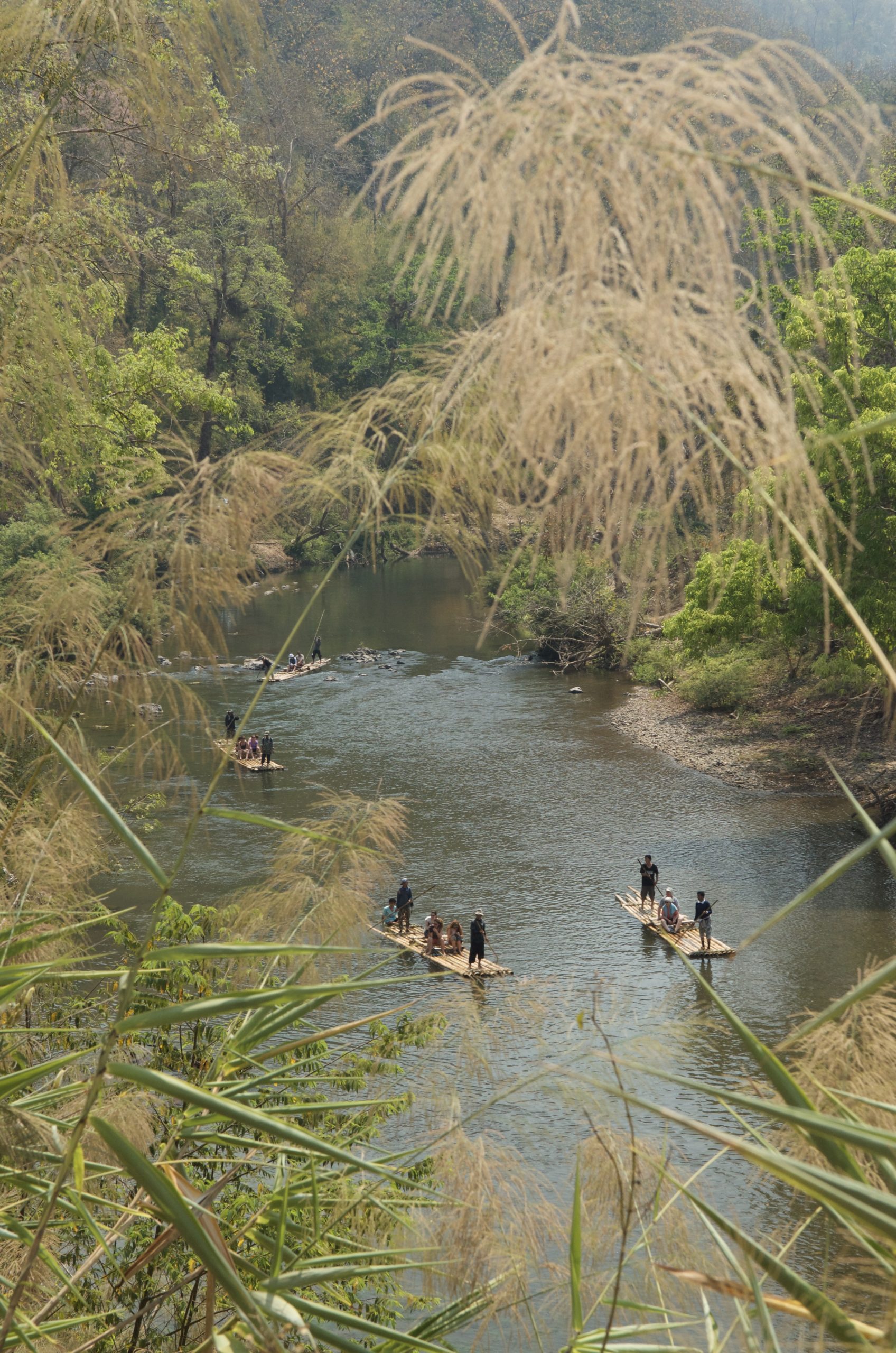
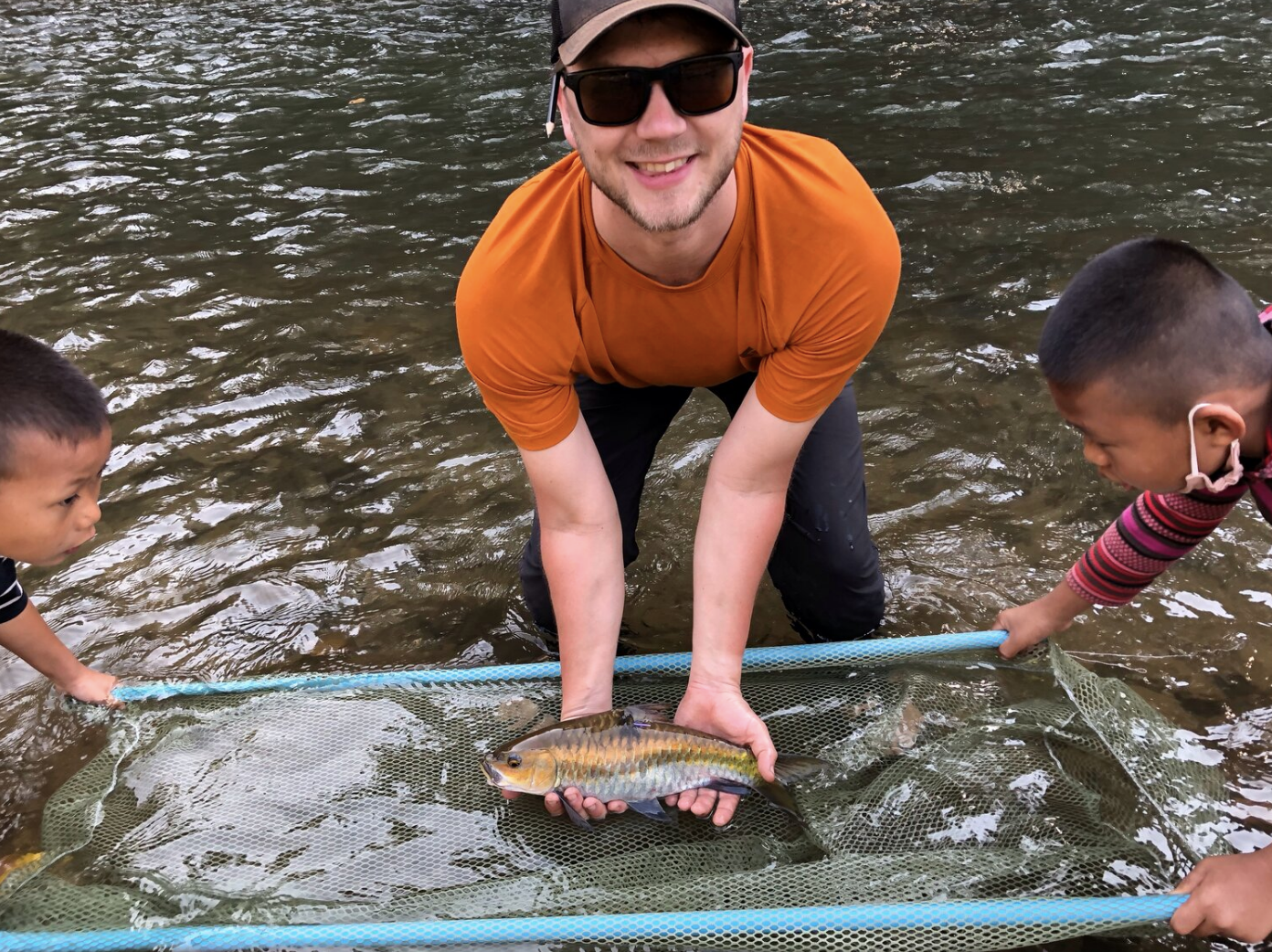
Aaron Koning is a freshwater ecologist and conservation scientist, and a Postdoctoral Research Fellow at the Global Water Center, University of Nevada, Reno. He has spent a number of years living and working in Thailand, where he has conducted extensive research in the Salween River basin, looking at the feasibility of freshwater ‘no take’ reserves, similar to marine models, for fish conservation.
Can you give some background to the community-led fish reserves in the Salween river basin?
In the Ngao River valley, the first community reserve was created in 1993 following the suggestion of a local community development organisation at a meeting a year earlier. This first community dedicated about 1 km of the river which flows adjacent to their village to be a reserve, prohibiting harvest of fish and other aquatic organisms from the entire area.
A second community adopted the practice in 1997, and in subsequent years, over 50 communities have created their own reserves throughout the 1,000 km2 Ngao River basin.
All told, these reserves amount to around 2 per cent of the total stream length. These reserves can be found in small streams (less than 3 m wide) all the way to the largest reaches of the river (wider than 40 m). Communities determine where reserves are designated, often marking the boundaries with flags or signs, and they also determine the penalties for offenders. These penalties range from around USD 16 to USD 300 per offence, or may involve non-monetary penalties among animist communities including offerings to appease an offended spirit or deity associated with a particular reserve.
And the research you conducted there?
I started my research in the Ngao River Valley in 2013 during my doctoral studies. I had lived in Thailand for 4 years previously, and a friend suggested that I look into the Ngao River as a potential study location.
My initial research was focused on understanding how land use and landcover throughout northern Thailand affects nutrient pollution in rivers. However, the first time I looked down at a pool full of fish in the community reserves, I became immediately interested in understanding the ecological effects and conservation benefits of these reserves. I ended up altering my research plan substantially once I saw just how effective these reserves could be.
Critical to the success of the research was the generosity of local communities in letting me explore and study these areas and helping me in so many ways over the years in which I’ve done research there. The results of the study are just a testament to the communities’ success in developing and maintaining this important and effective conservation action.
What were your findings?
Our findings show that this network of small no-take reserves is highly effective at protecting fish diversity, particularly in areas where dependence on fish for food is high. My colleague Martin and I surveyed 23 reserves and adjacent fished areas, and found on average reserves held 27 per cent more fish species, more than twice the density of fish (+124 per cent), and over 20 times higher biomass of fish than unprotected areas.
Importantly, these benefits were independent of any potential habitat differences between the areas. We also found that many of the principles developed for designing reserves in marine systems also predicted the success of individual reserves in our study sites. For example, larger reserves generally had larger benefits for fish than smaller reserves. Also, reserves that were located closer to communities were generally more successful at protecting fish, particularly for larger-bodied species. By placing the reserve nearby, communities are able to more effectively survey the reserve and deter illegal harvest, it seems. In fact, many communities explicitly stated this as the rationale for siting the reserves where they did.
We also found evidence that the network position of a reserve influenced the benefits for particular groups of fish. For example, reserves that were more centrally located within the broader network benefitted some fish species more (e.g., those less likely to move long distances), while reserves located near the confluence with a larger river downstream benefitted others (e.g., larger species that may rely on connectivity to larger downstream habitats). This indicates that the network benefit of multiple reserves is important, and that tailoring the locations of reserves within the river network based on the fish targeted for conservation is important.
A stretch of the Salween River (c) Aaron Koning
It sounds as though these reserves sprang up very naturally, from local community cooperation. Can you offer any advice for other communities around the world who may wish to set up their own reserves?
Well, these results definitely provide optimism that freshwater reserves can provide real benefits for fish. Furthermore, the large number of reserves that have been implemented throughout Southeast Asia for conservation suggests the benefits of similar no-take areas transfer regionally.
But when I ask friends in the communities what their advice is, the answer I most commonly get is encouragement to just do it. Many folks will say, “Just make a reserve, you’ll get more fish!”
I would echo this encouragement and suggest that, for communities who are able to work together to implement a reserve, they make it as large as feasible for their own management capacity, and to work with nearby communities to do the same, as multiple reserves seem to provide additional benefits.
But that shouldn’t discourage communities from implementing even small reserves. We saw large benefits for fish from reserve areas that covered less than a hectare. If smaller areas begin to show benefits, it can encourage communities to increase the number or size of existing reserves. That’s something that has happened among Ngao River communities, too.
I would caution that it might take a few years before differences might show up, but we saw benefits in reserves that were established for 3 years. Every socioecological context is different, of course, but these are some of the lessons we can take from our study and try to apply elsewhere.
The model sounds so simple – ‘don’t fish in these areas’ – and so effective. What barriers do you think there are to establishing reserves like this in other rivers and lakes around the world?
The concept itself is simple, but like any resource management strategy, the success comes down to whether people, both within the community and outside it, accept and support the strategy and abide by the rules. Effective governance and benefit sharing are key to conservation success across the globe. In this case, the communities themselves are implementing the action, developing the system of governance, and negotiating how the benefits are spread throughout the community. It’s not a system being imposed on the resource users, but coming from the resource users themselves.
The communities along the Ngao River are able to effectively do this in large part because of strong social cohesion and a history of communal management of resources including agricultural lands, drinking water, and fishing resources, among others. The communities, which are ethnically Karen (or P’ganyaw), have a strong cultural identity related to conservation practices for forests, water, and wildlife. Thus, these no-take fish reserves fit into a much broader community ethic of taking care of nature and each other. In areas where there isn’t the same community-wide buy-in for a conservation action, achieving the same success will likely be more of a challenge.
There’s an important, growing recognition of successful indigenous and local resource management systems around the world that mirror the success of the Ngao River communities. These systems are often successful because they are informed by the local communities and their knowledge of the ecological system, and their management actions are tailored accordingly.
Barriers to broader implementation of freshwater reserves may in part come from inequitable governance structures or a failure to ensure the benefits of the reserve were shared among stakeholders. Part of the answer to this question is rolled into the answer to the next question.
Villagers on the Salween River(c) Aaron Koning
Why do you think it has taken so long for the idea of freshwater reserves, similar to marine no-take zones, to be fully explored?
The idea of Freshwater Protected Areas has been discussed for quite a few years, and there have been a number of studies that have presented evidence that they do or don’t work in various contexts. However, I think freshwater protection often gets overlooked because freshwater ecosystems are really limited in their extent on the landscape. Less than 1% of the earth’s surface is freshwater habitat, yet these habitats still hold roughly half of the world’s known fish species and thousands of other important biodiversity. Because many of the major threats to freshwater habitats result from land-based pollution or changes in land use and landcover within river basins, the general thinking has been that terrestrial protected areas sufficiently protect the rivers and lakes within their boundaries.
Terrestrial parks are really important for protecting freshwater habitats from land-based threats, and from that perspective it makes sense that this is the model that has been most widely applied for freshwater protection. Yet, there’s also good evidence that terrestrial reserves are infrequently sited based on patterns of freshwater diversity, and therefore leave gaps in protection. Also, rivers often flow through protected areas, and frequently serve as protected area boundaries, meaning they may end up providing limited protection for freshwater biodiversity. In this framework, protected areas are a management tool for species conservation, but they rarely address fish as a food source.
For protecting marine ecosystems, marine no-take reserves have been implemented largely as a response to fishing pressure or overfishing. While there is ongoing debate about how useful marine reserves are as a large-scale fisheries management tool, at smaller scales and among artisanal fishing communities, it seems there are real benefits for fishers.
Similarly, for freshwaters that continue to support important subsistence and commercial fisheries, overharvest can often be a more immediate threat to sustainable fisheries and freshwater diversity. It’s under these circumstances that I think freshwater reserves can be particularly effective. In essence, the Ngao River communities have designed their own reserve network, and they fish intensively at reserve boundaries to catch fish moving out of reserves. And fishers in Mae Ngao report that the reserves do benefit their catch, and often describe that without the reserves there would be no fish left to support their communities.
Unfortunately, rarely are freshwater ecosystems imperilled by a single threat like overharvest or land use change. Rather, there are frequently multiple interacting threats to a particular freshwater ecosystem and its biodiversity. So, while freshwater no-take reserves might address overharvest as a primary threat, they may offer partial, but insufficient long-term protection for freshwater biodiversity in areas of active deforestation, heavy industrial pollution, or basins impacted by dams, for example. Where multiple stressors or threats interact, successful conservation will likely require multiple forms of protection.
What research can we expect from you over the coming months?
I’ve got some ongoing work in the Ngao River trying to understand how important connectivity among the individual reserves is for their success. This is collaborative work with folks from Cornell University (Peter McIntyre), Carleton University in Ontario (Steve Cooke), the Fisheries Conservation Foundation, and University of Nevada, Reno (Zeb Hogan). We’re conducting a movement study of fish, fitting them with radio trackers, to see how they move seasonally and how they use reserve and non-reserve areas through time. Because many of these reserves are individually small, this connectivity among reserves may be really important for long term persistence of fish species that require larger habitats.
Aaron conducting field work (c) Julie Claussen, Fisheries Conservation Foundation
I’ve also recently started working on a couple of projects in Cambodia as a postdoctoral fellow with the University of Nevada, Reno’s Wonders of the Mekong project. Around 2012, the Cambodian government created several large no-take reserves. Additionally, many communities are authorised to manage their own fisheries under the Cambodian Fisheries Administration. These community-managed fishery areas typically include small no-take areas as well. In each of these contexts we’re working to understand how effective these reserves are for maintaining biodiversity and sustaining fisheries to see if the lessons we’ve learned in the Ngao River scale up and transfer to this important regional fishery. By studying these systems we’re hoping to gain further insights into how no-take areas might benefit both fish conservation and sustain fisheries in other contexts around the world. This work is ongoing and impacted by travel restrictions for the time being, but I’m looking forward to ramping up our work in the coming months.
Freshwater reserves in Thailand have caused fish populations to soar. (c) Aaron Koning
Stay up to date with Aaron’s work via his website: aaronkoning.com and his Twitter account: @akoning.
Post Overview
Michael Edmondstone
February 19th 2021
Conservation, Feature, Fish, Interview
Share this post:
Recent News
From Motion to Momentum: Advancing Springs Conservation
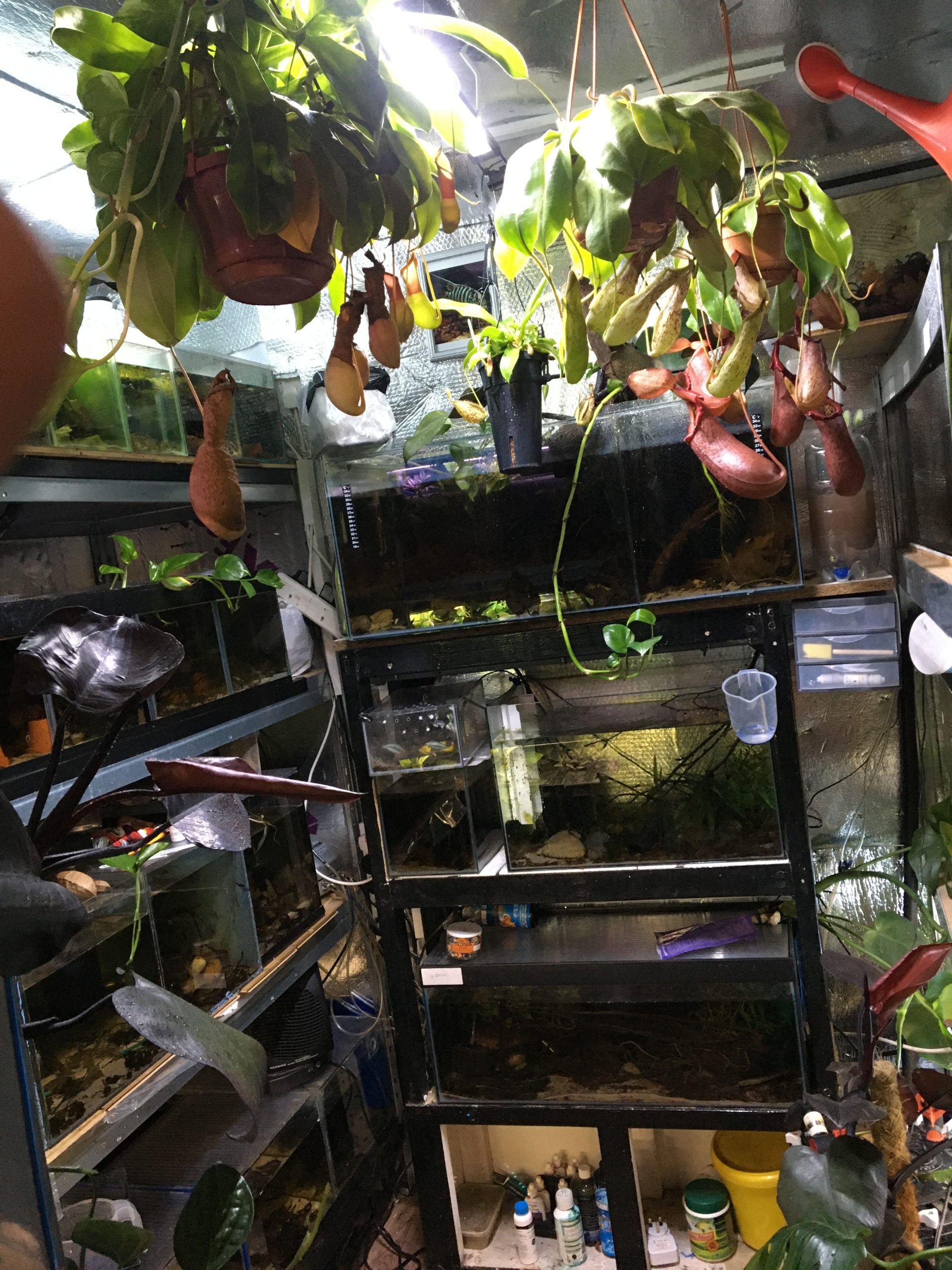
Max Pedley has been serious about fishkeeping for five years. In that time, he has amassed an impressive collection of no less than 55 tanks, containing up to 750 individual fish. We spoke to him to find out more about the hobby, and what role he thinks hobbyists have to play in freshwater conservation.
What initially drew you into keeping fish?
I suppose I’ve always been around animals, a goldfish being my first pet. My late grandma was very supportive of my interest in the natural world and happily obliged when I dragged her around almost every aquarium, zoo and butterfly house in the North! On a more serious aquarist level, my interest peaked in aquatic lessons at college and work experience in a local pet shop. One tank became two, so on and so forth until I find myself here.
Funnily enough, the college that lead my down this path is now my workplace. Seems I have gone the full circle!
That’s a tricky one to answer. On the one hand, observing and experiencing different behaviours and survival strategies is thoroughly enthralling. On the other, it’s difficult to beat the endorphin kick when you finally manage to spawn a difficult species that’s been hexing you for a few years. But it’s different for everyone, hence it is such a diverse and popular hobby.
Apistogramma are “my” fish. That is, they were the genus of cichlids that dragged me into the hobby at the deep end. I’ve poured so much effort into them to be rewarded with failure and success in equal proportions, yet I always go back for more. New species are being discovered and described regularly too, so that keeps them exciting. I do however have a massive soft spot for characins and betta spp., especially if they are rare or endangered.
Do you feel aquarists have a duty towards the animals and habitats that interest them?
That’s an excellent question. Everyone has a duty towards nature. It should be considered the rent we pay for our space on Earth. I don’t even think that should be aimed specifically at the animals they are interested, but if they are happy to go the extra mile for them, it should not be ignored.
It’s hard to say exactly what duty aquarists play. Ex situ breeding of threatened/endangered species and research on the captive care of such species would be very useful, especially for zoos etc. who only have a finite amount of tanks for such purposes.
Purchasing responsibly sourced livestock is a duty too. Any keeper with a moral compass should know this, as should the retailers and wholesalers importing the fish. Unfortunately, it is difficult to police in foreign counties, so emphasis must be placed on ceasing the demand.
What role do you think the average hobbyist plays in conservation?
Alas, I imagine the average hobbyist plays a very small role in conservation. It isn’t currently easy for the average hobbyist to get involved in such programmes. Not only that, many hobbyists don’t care for the animals in the wild. Unfortunately, charisma of an organism plays a huge role in how well it is conserved but given that most of the fish which need our help are small and brown, they are serially overlooked. If Cardinal tetras were at risk, that would be a different story.
And what role do you feel they should play?
Horses for courses. Entry level aquarists, those with one tank in the living room, brimmed with a teaming collection of colourful community fish probably have no intention of spending either money or time on conservation. And you can’t blame them. They might be aware of habitat loss, but do they truly understand the gravity of it? Most of the fish they keep are farmed in Southeast Asia and Eastern Europe, so conservation doesn’t directly affect their fishkeeping experience.
And so the onus should really shift to retailers. Retailers who are happy to import wild caught stock might want to consider setting aside a portion of proceeds to help conservation efforts, securing the future of their potential wares. As a matter of fact, would it not make sense for any business person who profits from wild caught fish to see a percentage go back to the wild?
Experienced, hardcore keepers can put the groundwork in. Try to raise awareness, encourage a family member, friend or colleague to buy a tank and fill it with fish to help the trade. If the trade is successful, it is more likely to help conservation in a financial sense. Or even try your hand breeding and maintaining a species at risk. Why not join a club which aims at the successful captive maintenance of particular fish? And if you can’t find such a group, consider starting one! Be proud of what you do, shout it from the rooftops and make sure everyone understands the dangers which freshwater species face.
At Shoal we see a real opportunity for fishkeepers to help fly the flag for freshwater conservation. Their hobby after all depends on healthy freshwater environments. What can fishkeepers do to ensure their actions help protect and conserve fish and other freshwater species?
Be vocal. Encourage someone to become a fishkeeper. If you are already a fishkeeper, get your children involved. Young fishkeepers are a dying breed, but very necessary. Make sure your aquatic legacy is continued.
I can tell you what I’d love to see: more documentaries based entirely on freshwater species under threat.
We are with you there, Max. There is so much wonderful footage about marine and terrestrial challenges, but not so much focused on freshwater. Given the extent of the crisis, this is surprising. If there are any natural history film producers reading, let us see some fantastic freshwater films soon!
Post Overview
Michael Edmondstone
November 16th 2020
Aquarists, Feature, Interview
Share this post:
Recent News
From Motion to Momentum: Advancing Springs Conservation
August 2018, in Oorakam in the southern Indian state of Kerala, local fish hobbyist Ajeer spotted three strange-looking fish in one of the paddy fields surrounding the village. Long, dragon-like bodies framed by bony fins, the creatures looked different to anything Ajeer had seen before. He put some photos on social media and asked if anybody could help identify the species.
It was not long before the images reached the desk of freshwater conservationist Rajeev Raghavan. Rajeev was intrigued by the species: he did not recognise it and knew it called for further investigation, so he contacted Ajeer and sent his team into the field, where they were able to collect live samples.
Back in the lab, Rajeev examined the fish and concluded it must be a hitherto unrecognised species of snakehead. To be certain, he shared some high-quality images with Ralf Britz, one of the world’s leading authorities on snakeheads. Ralf previously discovered the Dracula fish in the peat swamps of Southeast Asia and according to Rajeev: “has worked on some really strange fish”. This, though, was “stranger than any fish he had seen in his life”.
As the researchers suspected, the fish was new to science. They named it the ‘Gollum snakehead’ as it is a subterranean creature, spending most of its life underground like the slippery character in The Lord of the Rings.
But the discovery had bigger implications than simply being a new species. Another snakehead species – the Mahabali snakehead – had also been collected in Kerala a few months before and was published as a new species after the Gollum snakehead had been described. Rajeev, Ralf and an international team of ichthyologists recognised many clear similarities between the Gollum and the Mahabali, and proved that not only were the two species new to science, they were actually members of a whole new family of fish.
Rajeev: “We looked at the fish in detail – its morphology, anatomy and DNA, even analysed its mitochondrial genome and found that it was a completely unique family that is an ancestor to the family of snakeheads that currently dwell in Africa and Asia.”
The family was named Aenigmachannidae. And it is old. Really old.
“We looked at its molecular dating and its origin was traced back to 100 million years, when the Gondwana supercontinent was in existence.”
That puts the evolution of the Aenigmachannidae family squarely in the Cretaceous period, when the largest animals ever to walk the planet still ruled. Incredibly, the Gollum snakehead and most likely the Mahabali snakehead species are older than Tyrannosaurus Rex.
Rajeev again: “We hypothesise that the fish evolved in Gondwana and drifted along with the Indian subcontinental plate across the oceans before hitting the Eurasian continent, and then it got trapped in the subterranean systems and didn’t evolve for the last hundred million years – it has these very primitive characters not seen in other snakehead fish”.
Due to the difficulties of researching a species the lives underground, not much is yet known about their natural behaviour. But through observing a group of the fish maintained in an aquarium, Rajeev and his team have noted displays of territorial aggression not seen in other snakeheads. The fish are also unselective about what they eat: “It eats aggressively. We first started with live feed, e.g. bloodworms, earthworms, live shrimp, and they even take live fish: whatever we’ve tried to feed them, it chomps everything up”.
Potential threats to the family:
Kerala is blessed with an abundance of bizarre subterranean fish, with ten species that are not found anywhere else in the world.
But they face multiple anthropogenic threats.
Due to the majority of these species living in areas of human habitation, there is a high likelihood that the paddy fields and land under which the fish live will be developed, leading to habitat loss.
The fish’s novel appearance means most locals do not recognise them and fear they may be poisonous and harmful to the water that they drink. There is thus a tendency for the locals to kill them.
A third pressure is that of invasive species. According to Rajeev: “People introduce invasive species like the African catfish into the wells. It serves no purpose and we don’t yet know how it can harm these very unique fish.
“There is a range of threats we need to address, so I think we need to have a very organised, systematic education programme aimed at the regions where these subterranean species are found, making people aware of the importance and uniqueness of these organisms and the endemic wealth of these communities”.
Rajeev says it is by: “Mapping the areas where the fish are likely to be found, and then working with local governments at the village level and working through educational material to show them the kinds of fish which may come to their notice, and asking them to save those fish for scientific study, and for future generations, instead of killing them”.
And the conversation between scientists and locals works both ways: “All of these discoveries are made as a result of seeing photographs circulated on social media. Before the scientists come into contact with them, it is the local people who come into contact with them, so citizen science I think is key to the long-term research and conservation of these unique organisms. People are the key not only for conserving them but also for bringing these unique organisms to the attention of scientists”.
Finally, what comes next for the Aenigmachannidae?
Rajeev and the team aim to learn more about their ecology and biology. They will use small tags to learn more about where the creatures live, what organisms they feed on, and how they behave. They are also trying for an ex-situ captive breeding programme, so watch this space!
Post Overview
Michael Edmondstone
November 5th 2020
Conservation, Feature, Fish, Interview
Share this post:
Recent News
From Motion to Momentum: Advancing Springs Conservation