Save Denise’s Friends update

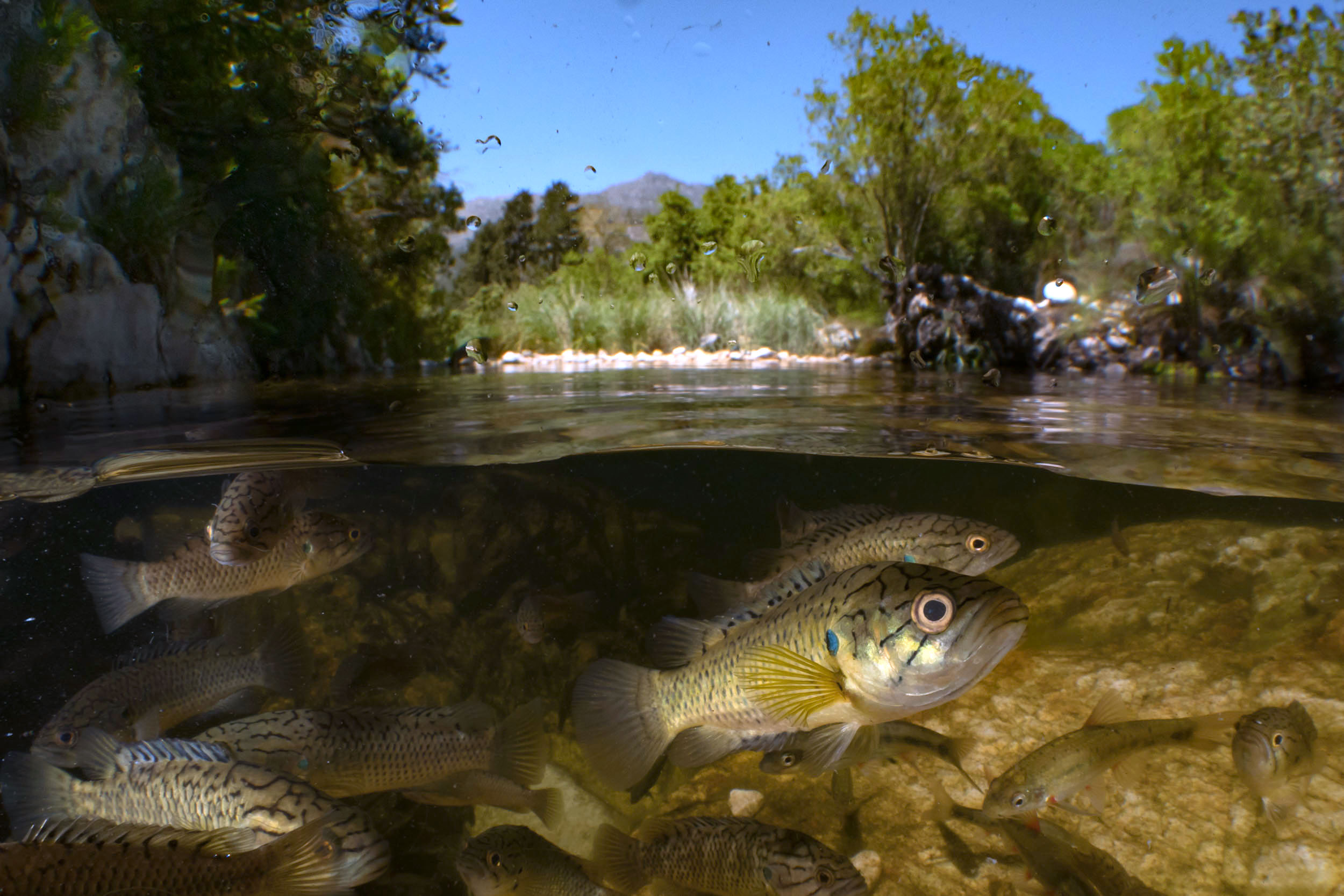
Denison's Barb habitat, Western Ghats © SHOAL

Denison's Barb habitat, Western Ghats © SHOAL

Save Denise’s Friends update:

What your support has helped achieve for the Denison’s Barb

When people support SHOAL, they’re helping local conservationists build the relationships and knowledge needed to protect entire freshwater ecosystems.

In India’s Western Ghats, that’s exactly what has been happening through our partnership with Zoo Outreach Organisation (Zooreach), where work to conserve the Denison’s Barb, listed by IUCN as Endangered and known affectionately as “Denise”, has continued to gather momentum.

Found only in a handful of rivers in Kerala and Karnataka, the Denison’s Barb has become one of India’s best-known freshwater fishes thanks to its popularity in the aquarium trade. Yet habitat degradation, pollution, destructive fishing practices and unsustainable collection from the wild have all contributed to its decline.

Over the past year, Zooreach has been working with local communities to understand where Denise still survives, and whether there is support for protecting the rivers she depends on.

The team visited 59 locations across 56 villages, speaking with 152 community members living alongside four river systems. Conversations explored people’s relationships with their rivers, the changes they had witnessed, and whether they would be willing to become involved in conservation.

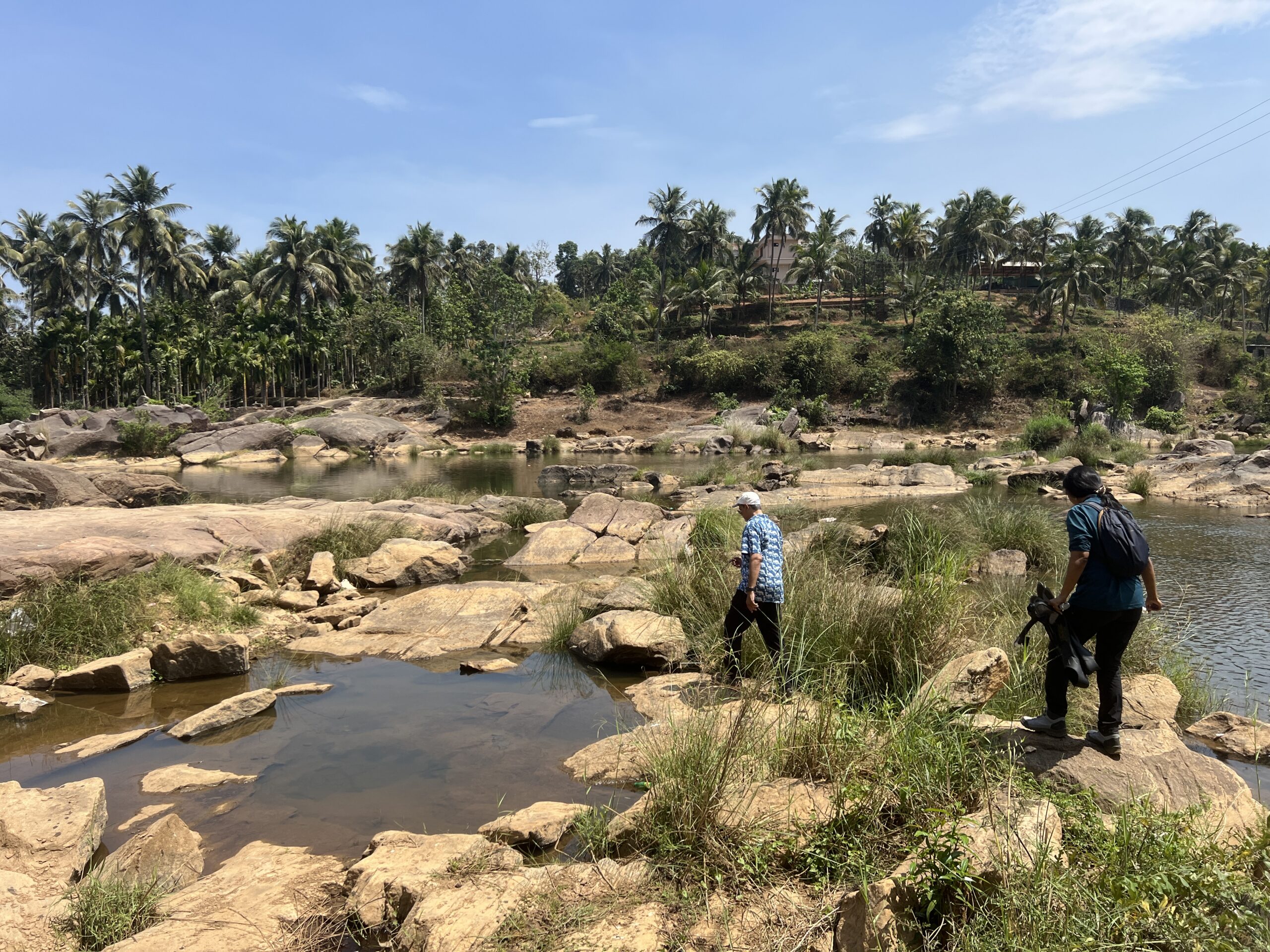
Kunthiputzha River, Western Ghats © SHOAL

The findings were encouraging. Around two-thirds of those surveyed recognised Denison’s Barb, with half having seen one themselves. During fieldwork, the team discovered a healthy shoal of around 40-50 Denison’s Barbs in one tributary – one of the largest groups encountered during the surveys. Many local residents were unaware the fish were there, underlining both how easily these populations can go unnoticed and why careful surveys are so important for guiding future conservation.

The surveys highlighted where future conservation efforts are most likely to succeed. Several communities expressed keenness to work together to protect their rivers, and two promising locations have now been identified as potential community-led conservation sites.

The team also encountered encouraging examples of local stewardship already underway, including communities helping to protect the nesting sites of the Critically Endangered Asian Giant Softshell Turtle. Building on that existing commitment gives hope that community-led conservation for Denise and her freshwater neighbours can flourish too.

The conversations revealed the value of local ecological knowledge. Residents described the subtleties in how Denise swims through different parts of the rivers at different times of year and recalled how river conditions have changed throughout their lifetimes. People spoke of deep pools in the rivers disappearing, river flows changing, fish diversity declining, and habitats being altered by dams, floods and sand deposition. Communities consistently identified flooding, overfishing, landslides, dams and destructive fishing methods as major threats to their rivers. Many also reported that wild collection for the aquarium trade continued until at least 2024.

These observations are helping Zooreach identify where conservation action is most urgently needed.

Sanjay Molur, Executive Director of Zooreach, said, “The community connection with the rivers varies throughout Denise’s range, with support for conservation fluctuating. However, increasing trends in positive attitude shift is perceptible, laying the foundations for the conservation effort. Our studies indicate that the time is right in pursuing a community led conservation action for Denise and her friends in at least two river stretches, and the need for financial support is now critical to build on the trust and positive attitudes of those communities.”

Alongside this research, Zooreach has been helping a new generation discover the remarkable wildlife living beneath the surface of their local rivers.

At the heart of this work is the Denise and Friends education programme. Rather than focusing solely on Denison’s Barb, the programme introduces children to an entire freshwater community. A five-foot illustrated river becomes the classroom, gradually populated with otters, kingfishers, dragonflies, freshwater fishes and many other species through games, storytelling, stickers and activities. As the river comes to life, students also explore the threats facing these ecosystems and the practical actions they can take to help protect them.
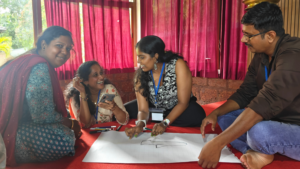
Community engagement with the Save Denise's Friends project © Zoo Outreach
Community engagement with the Save Denise’s Friends project © Payal Molur

The materials have been produced in both English and Malayalam, making them accessible to schools across the region.

One of the biggest milestones this year was the first Train the Trainers workshop in Kasaragod. Twenty-five teachers and community leaders from 12 schools learned how to deliver the Denise and Friends programme themselves, before returning home with classroom kits containing manuals, a DIY tunnel book, activity packs and posters. The workshop also brought on-ground researchers and the community engaging with one another. By equipping local educators rather than relying on one-off events, the project can continue reaching many more young people long after the workshop has ended.
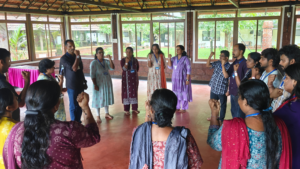
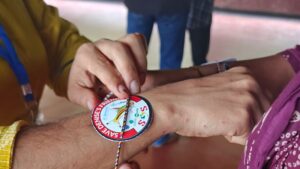
Zoo Outreach's Train the Trainers workshop © Zoo Outreach
Zoo Outreach’s Train the Trainers workshop © Gokul
Zoo Outreach's Train the Trainers workshop © Payal Molur
Zoo Outreach’s Train the Trainers workshop © Payal Molur

Payal Molur, a wildlife education specialist who works with Zooreach, said, “The best part of the training the trainers workshops is watching the teachers have their eureka moment. This was evident when they assembled Denise’s living river map, see it come to life and then watch all their hard work get covered by threats and then were able to relate this to what was happening on the ground.”


There is still plenty to do. Building community-led conservation areas takes time, trust and local leadership. But thanks to the generosity of SHOAL supporters, the foundations are now firmly in place. Communities have been engaged, promising conservation sites have been identified, teachers have been equipped with creative educational resources, and hundreds more children are now beginning to see their rivers not simply as waterways, but as homes for extraordinary wildlife worth protecting.

Every conversation, classroom session and community meeting brings Denise, and the many freshwater species that share her rivers, one step closer to a more secure future.
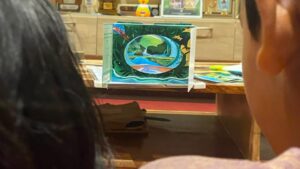
School children looking through the tunnel book, depicting a river ecosystem © Shyamkumar


Train the Trainers workshop attendee feedback:

“The camp helped us to improve our knowledge about fishes especially Miss Kerala [Denise] and realise how important it is for each of us to protect our rivers and fish. The group members felt like family and the experience was truly special. We will do our best to create awareness among our students and engage them in related activities and share feedback as well.”

“It was a wonderful experience for me to attend this three-day camp. Before attending, I had never heard of this fish or realised its importance. The entire programme helped me truly understand nature and its significance. The activities and methodology were comprehensive, making it very easy to understand the message you wanted to impart. I am incredibly thankful to the entire Zoo Outreach team for organising the ‘Denise and Friends’ workshop.”
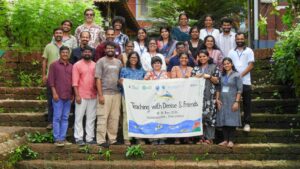
Train the trainers workshop attendees ©
Train the trainers workshop attendees © Shyamkumar


El Pez Graso – The Greasefish (film)

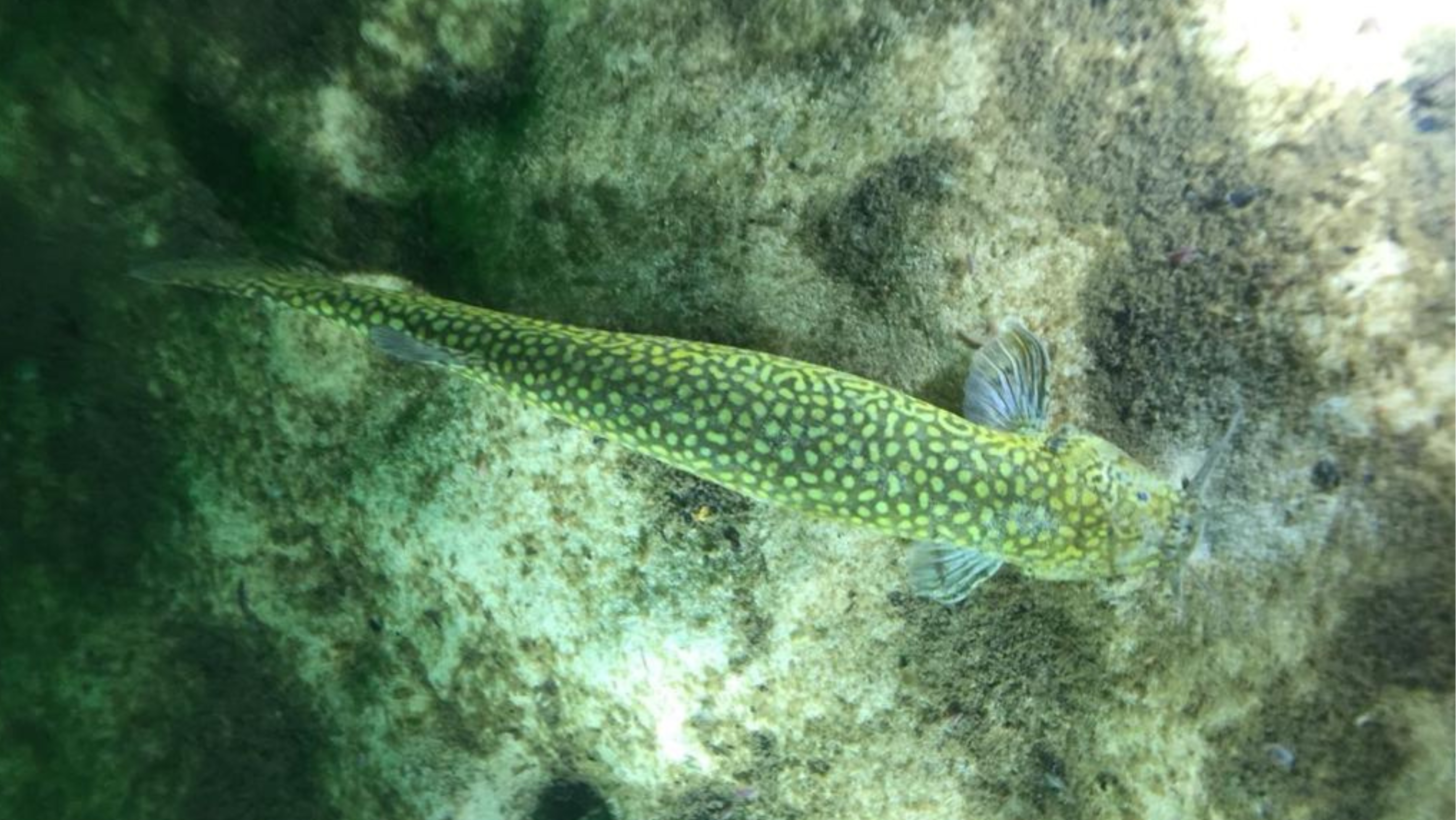
Eremophilus mutisii

Eremophilus mutisii

Our partners have produced a new film about the Search for the Fat Catfish.

Dive into Lake Tota on the Search for the Fat Catfish

Colombia’s fat catfish is one of freshwater’s great mysteries. Not seen since 1957, there are more layers of intrigue surrounding this creature than it has rings of fatty tissue – i.e. a LOT!

Firstly, nobody knows why it has that strange physiology: why is it fat? Could it be from overeating? Or a way to stay warm in the cold mountain waters of Colombia’s Páramo? It could be something else entirely, but with only 10 preserved specimens in the world, and no live sightings of the species for more than 70 years, it is incredibly challenging to know.

And what happened to the species? It was allegedly once so common that people living near Lake Tota used the grease from the fish to light their homes. Yet the species seems to have disappeared without trace. Nobody knows why. Through SHOAL’s Search for the Fat Catfish with partners from Instituto de Investigación de Recursos Biológicos at Alexander von Humboldt, Universidad De Los Andes, and Re:wild, we attempt to find answers to some of these questions. Using eDNA metabarcoding and more traditional search techniques, our partners are working to put pieces of the puzzle together and give us some clues about the fat catfish.


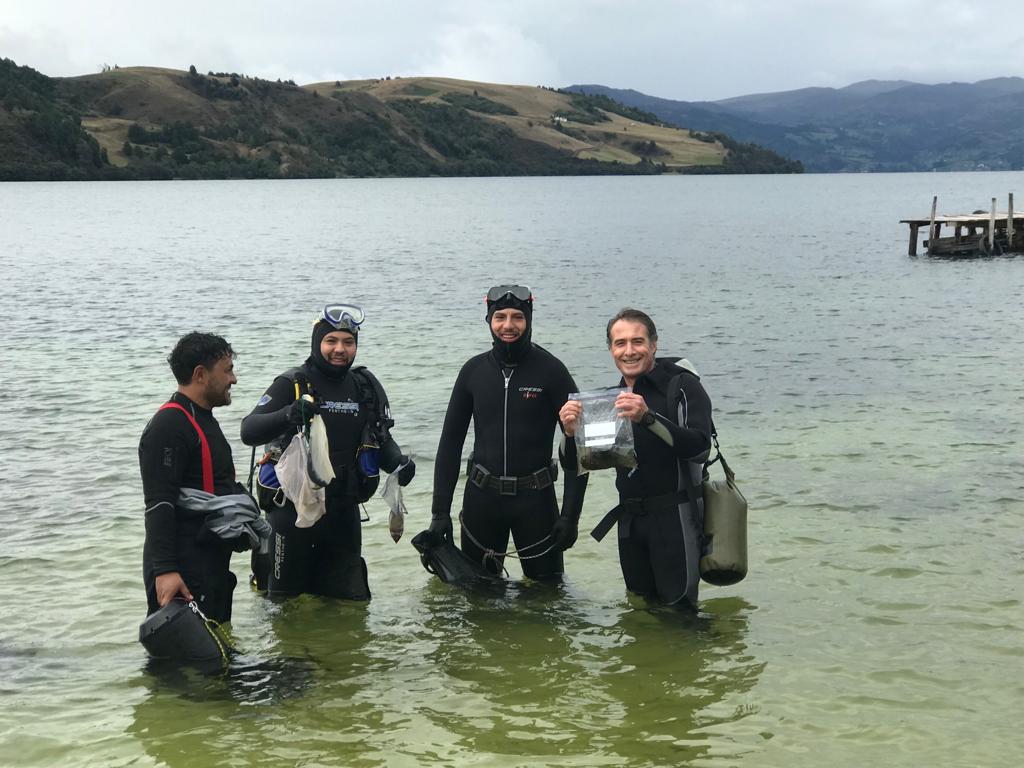
Carlos Lasso and the dive team

Dr. Carlos Lasso and the dive team © Carlos Lasso.

Lake Tota

Lake Tota © Ictiología y Cultura.

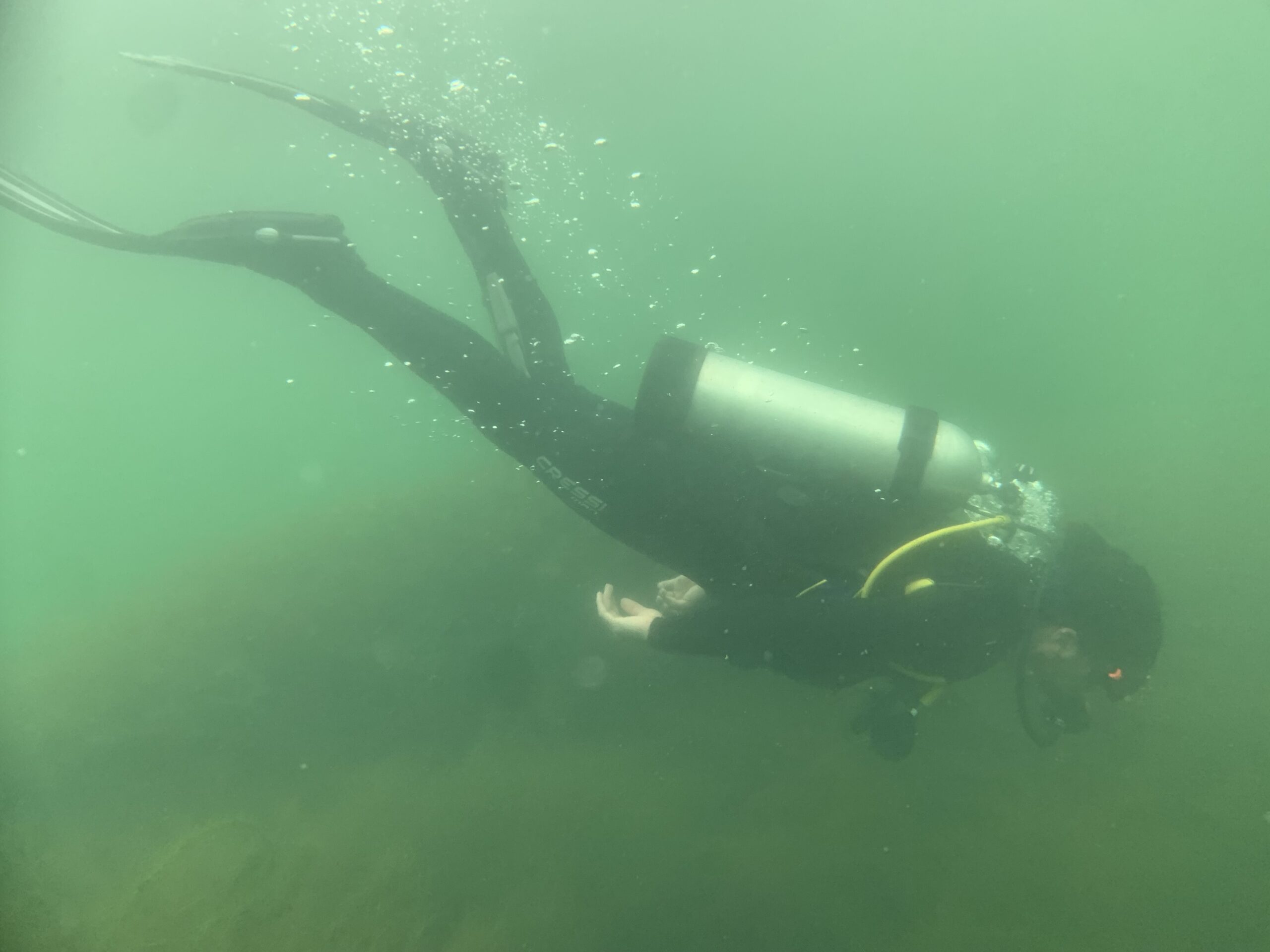
Diving at the depths of Lake Tota.

Diving deep in Lake Tota © Carlos Lasso.

We can bring the Denison’s barb back from the brink (film)

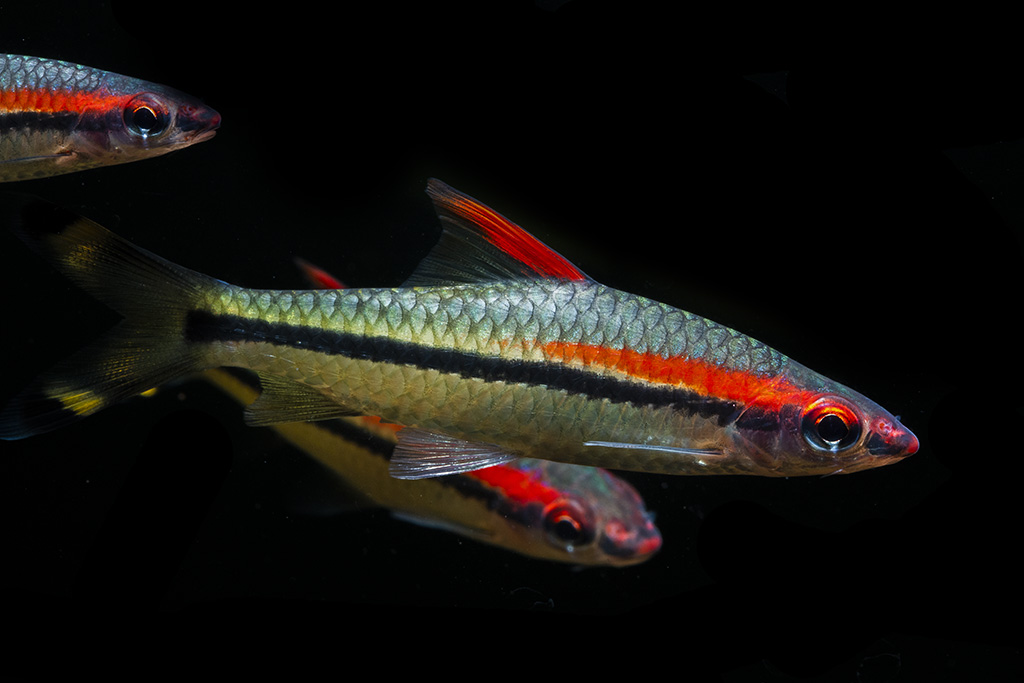
Photograph of a shoal of Denison’s barb fish in freshwater.

Credit: Beta M

Watch our film to see how together we can stop the Denison’s barb from going extinct in the wild.

Meet the Denison’s barb

The Denison’s barb is one of the world’s most popular home aquarium fish, and can be found in living rooms from California to Kolkata.

Their striking colours and peaceful nature have put them in high demand for both beginners and expert fishkeepers. But it’s not their popularity that has led to wild populations becoming endangered.

What threats are they facing?

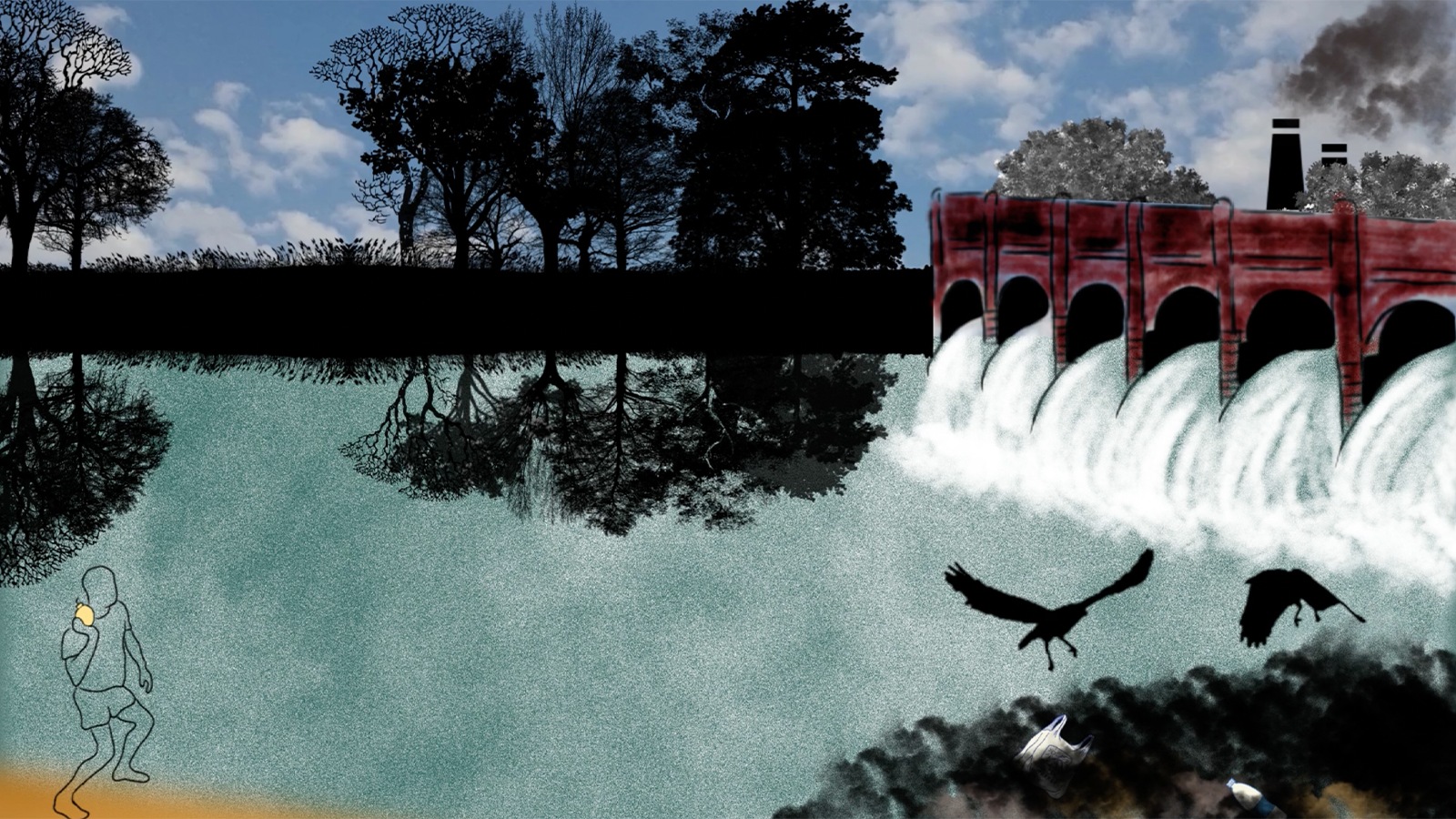
Sand-mining and pollution are causing damage to the fish’s habitat in India’s Western Ghats. The species’ home is under threat.

If we don’t take urgent action to protect and restore the damaged areas, this striking fish could go extinct in the wild in just a few years.

We need your help.

Illustration of damage to the Denison’s barb’s freshwater habitat in the Western Ghats, India.
Credit: Usha Ravindra

What can we do to help?

With your support, SHOAL and our partners Zoo Outreach, can help bring the Denison’s barb back from the brink.

We can raise awareness with the public and government officials in India
We can train staff in five airports to recognise the species and monitor the number of fishes leaving for export
We can protect the most crucial habitats, providing security, not just for the barb, but for the many other rare and threatened fishes that live in the area

Together we can make a difference.

Every single donation will help give the species a better shot at survival. Donate today at shoal.org.

This film has been created for our Save Denise’s Friends campaign, in support of the Denison’s barb. The campaign is part of SOS: Support Our SHOAL, an innovative approach to freshwater conservation led in partnership with the aquarium hobby and guidance from OATA and Practical Fishkeeping.

SOS: Support our SHOAL empowers individuals and businesses from the aquarist community who want to know how they can help ensure the futures of the species they love. We have loads of resources on our website for everyone from aquarium shops to hobbyists.

Shoal sponsored freshwater fish becomes world’s second #NatureCollectible or “digital species”

darkedged splitfin NFT

darkedged splitfin NFT

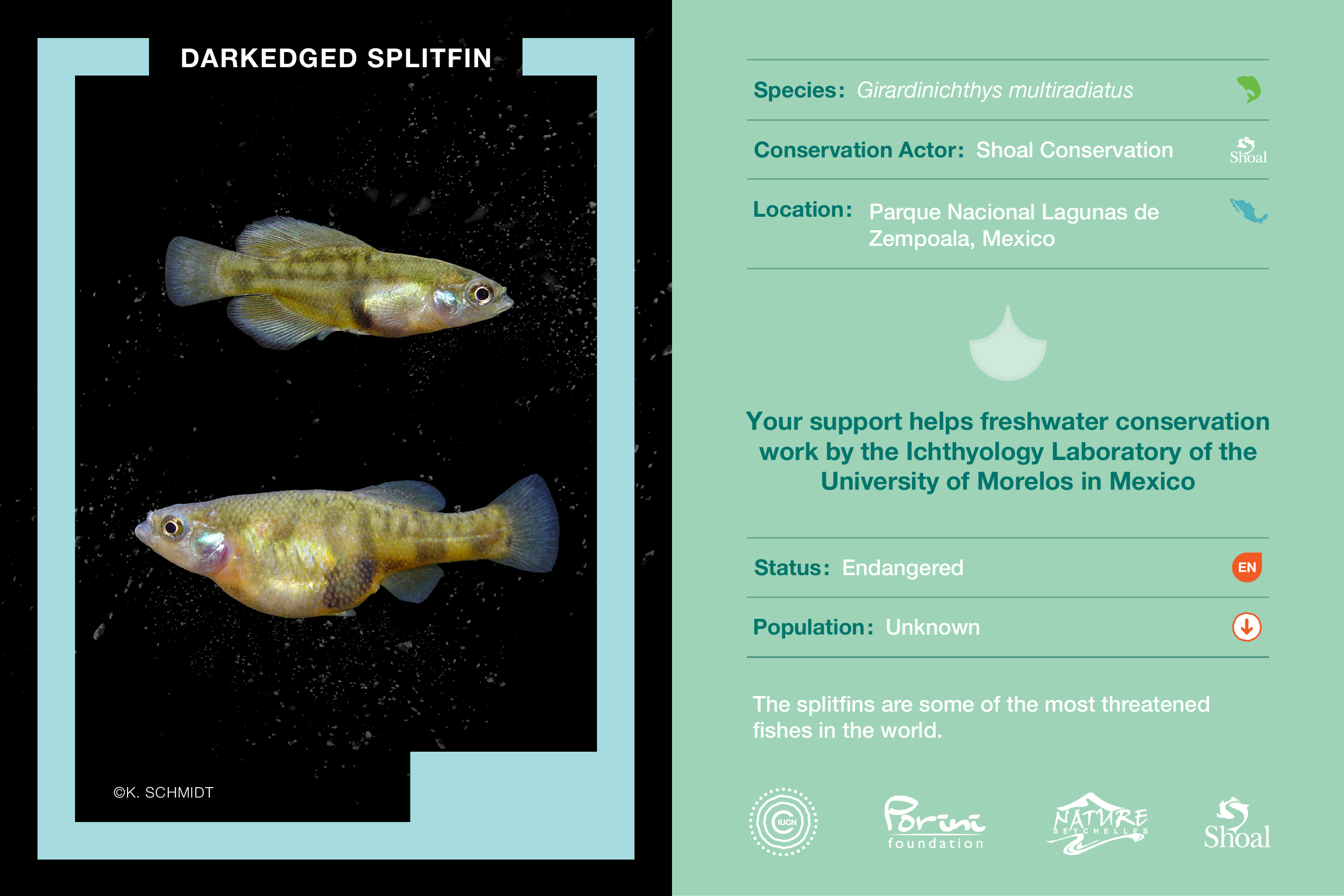
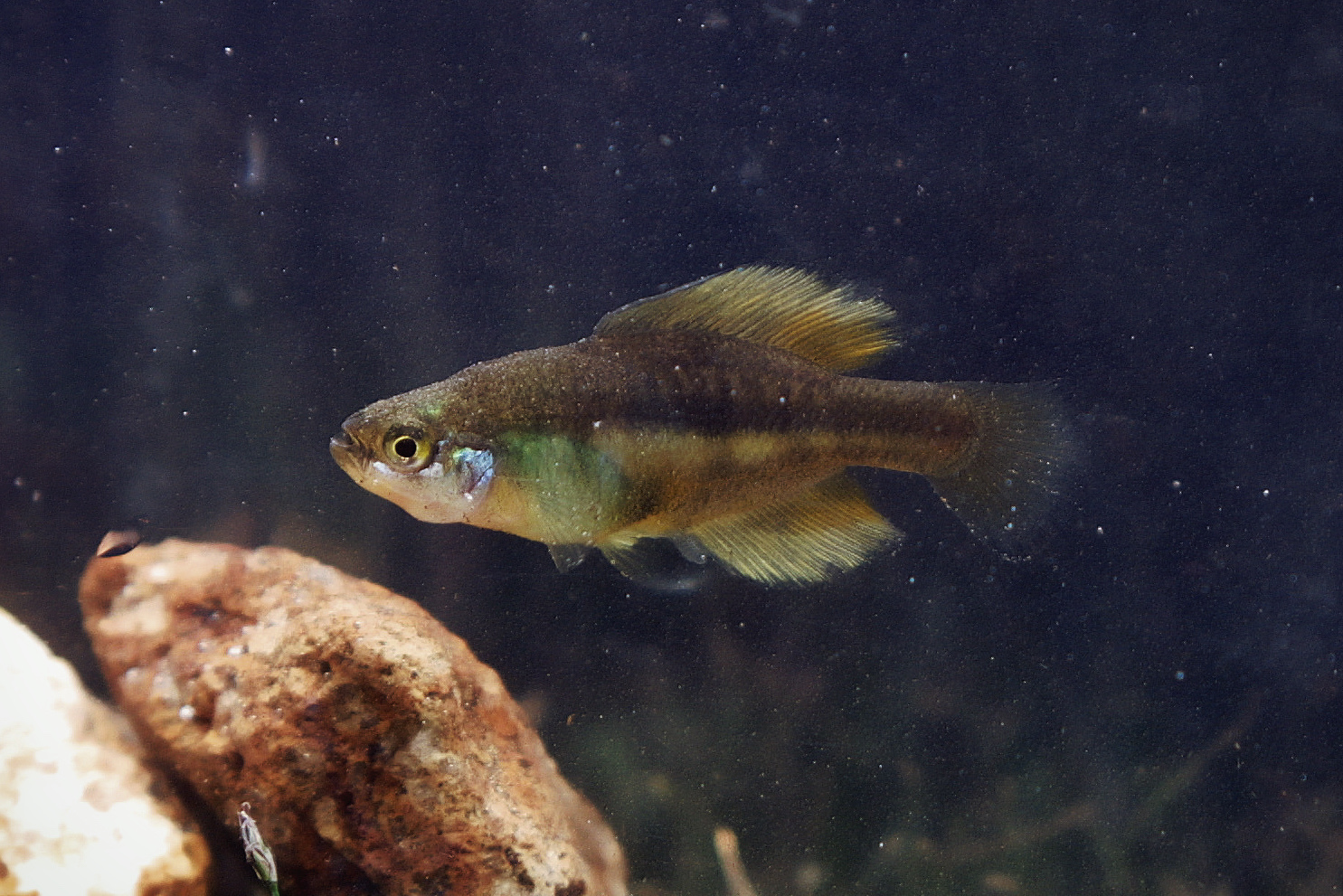
The darkedged splitfin Girardinichthys multiradiatus, an endemic and Endangered fish found in Mexico, was launched as the world’s second #NatureCollectible or NFTC (non-fungible token for Conservation) at the IUCN World Conservation Congress on September 7th 2021.

It will join the Seychelles magpie robin as a new digital species collectible sold on a zero-carbon blockchain infrastructure. All funds from the sale will go to Shoal as the conservation actor for the conservation of the species. The splitfin will be part of the #NatureCollectibles portfolio that has been developed as an innovative form of revenue generation for highly threatened species that need urgent funding and conservation action.

darkedged splitfin NFT

The initiative was created by the International Union for the Conservation of Nature (IUCN)’s ‘Green List Exchange’ and the Porini Foundation, alongside Nature Seychelles. Shoal has now joined as a partner. The tokens have been minted by the Porini Foundation, a Swiss based NGO on a carbon-free blockchain. This is a major breakthrough in terms of negating the high energy consumption of prior blockchain technology. Tokens are selling from USD 20 – USD 1,000 and can be easily purchased through a dedicated mobile application. It is hoped that the initial sale of the fish will raise USD 10,000 for its conservation in Mexico.

The darkedged splitfin is restricted to a small area of Mexico, and the conservation for the species is concentrated in the beautiful mountainous Zempoala Lagoons National Park, Mexico. The splitfins – or Goodeid – fishes are one of the most threatened group of species in the world. Some are extinct in the wild, and some like the tequila splitfin have been saved from the edge of the extinction through captive breeding and release. Many of the species are confined to a few small ponds and streams in desert areas of Mexico.

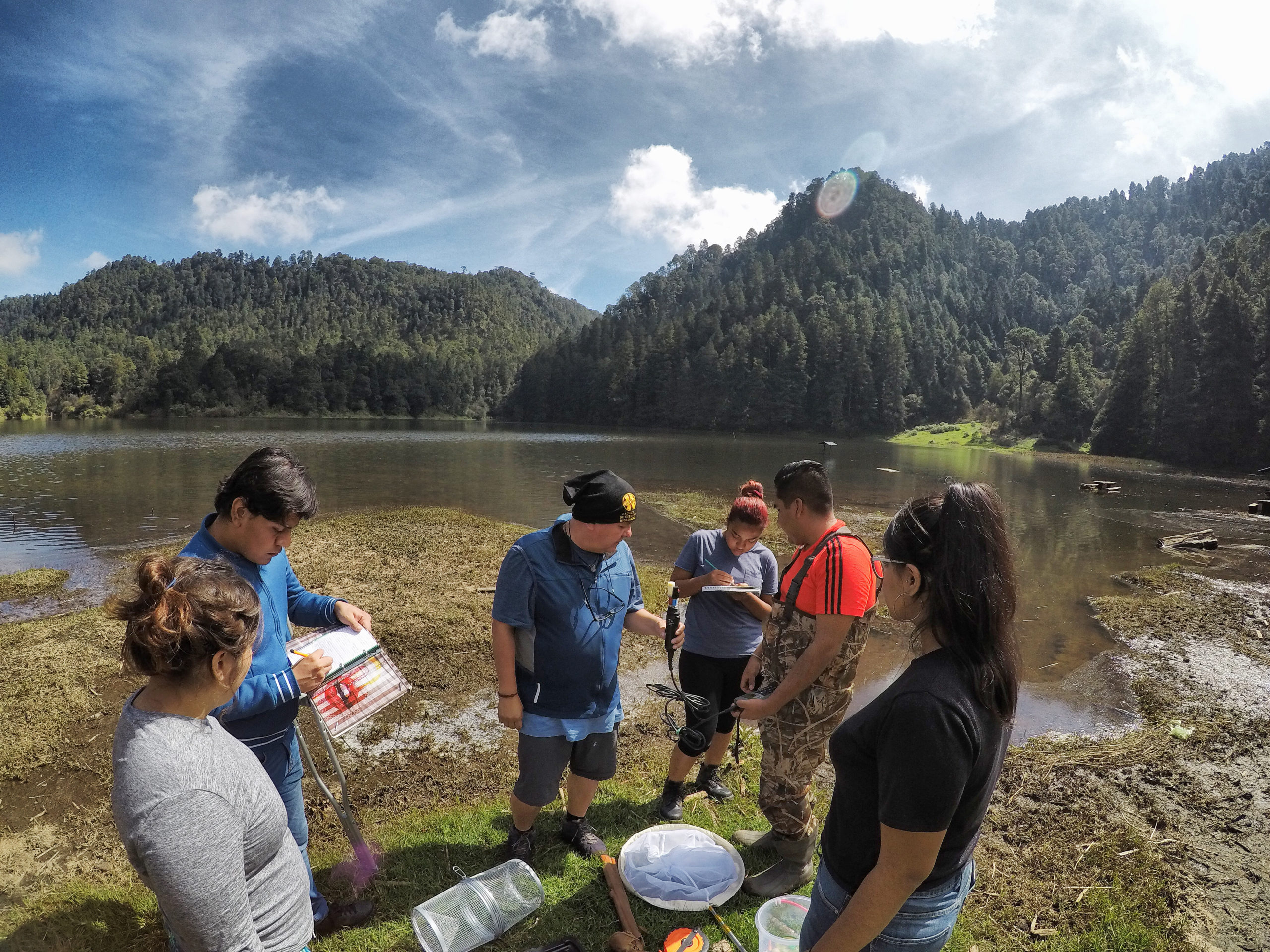
Conservation work in Zempoala Lagoons National Park, Mexico

All raised funds will be passed onto the Ichthyology Centre at the Universidad Autónoma del Estado de Morelos in Mexico: the leaders on the conservation of this fish and many other threatened fishes.

The head of the conservation programme, Prof. Topiltzin Contreras MacBeath, said: “The dark-edged splitfin lives in one of the most densely populated regions of the world, with about 45 million people. Its range has been contracting since the 1990s, mainly due to pollution and invasive species. Even though the lakes of Zempoala National Park are not free of human impacts, they sustain four relatively healthy populations of the darkedged splitfin, that with some support, and a bit more local involvement, could be transformed into a freshwater sanctuary that will allow its long-term conservation”.

He adds: “Funds for fish conservation are always hard to find and so we welcome any excellent innovations such as #NatureCollectibles that may provide new sources of funds for neglected but highly threatened species”.

G_multiradiatus
G_multiradiatus

Buyers of the darkedged splitfin will benefit by knowing that they have one of the earliest #NatureCollectibles. Not only might this become valuable, but they have also made a carbon-free contribution to conservation and helped a species from extinction.

Mike Baltzer, Shoal’s executive director, said: “We are delighted that the IUCN and Porini Foundation team has chosen a freshwater fish for this exciting innovation. We need every help we can get to raise the profile of freshwater fish and most importantly raise the funds to initiate action before we lose any more fish species”.

Shoal will be working with the development team to add more fishes to the collection and ensure that new action is launched from the funds raised.

The funds will be used to maintain a community-led monitoring programme for the fish and to inform the hundreds of thousands of tourists that visit the National Park every year about the fish.

If you want to invest in the conservation of the dark-edged splitfin, and get a #NatureCollectible, then follow these steps:

View the NFTCs currently available here.

  • Download the Green List Marketplace app here:

  • Follow the steps and create your wallet for the fish
  • Go to Collectibles > Explore collectibles
  • Pick ‘darkedged splitfin’
  • Add to cart and purchase
  • Receive email confirmation with delivery instructions (with video) on how to get it delivered to your wallet

Why is Shoal working with the IUCN/Porini Foundation #naturecollectibles?

Shoal was created to support overlooked and neglected freshwater species. The neglect that these species have suffered is due to a lack of awareness and understanding about the richness and importance of this biodiversity, leading to a lack of financial support.

Shoal is committed to inspiring a new scale of action and new sources of funding. NFTCs, developed by IUCN and partners, and based on species, places and conservation actors, has the potential to raise attention and help raise the funds that these species so desperately need. When you purchase a #NatureCollectibles token, it is both a potential investment and a donation to the conservation of a highly threatened species.

The minimum we hope to raise for the darkedged splitfin is USD 10,000. This will make a significant impact for the species.