The SHOAL is the global ecosystem of partners and collaborators who work together to safeguard the health of Earth's freshwater habitats and conserve the most threatened freshwater species. As with a shoal of fish, the strength of the SHOAL lies with the number of partners all working together.
Blueprint for Conservation Action for 1,000 Freshwater Fishes
SHOAL's flagship initiative sets out a plan for how significant collaborative conservation effort can lift freshwater fishes and potentially thousands of other neglected freshwater species to a new elevated platform of conservation attention and greatly enhance freshwater conservation efforts globally.
Protecting Tanzania’s extraordinary killifish and the communities who hold the key to their future
GUEST POST: DAVID ALILA, UNIVERSITY OF DAR ES SALAAM
When people think of Tanzania, they usually picture the Serengeti, Mount Kilimanjaro or the beaches of Zanzibar. Few realise that, just outside the bustling city of Dar es Salaam, lies one of the world’s least-known freshwater biodiversity hotspots.
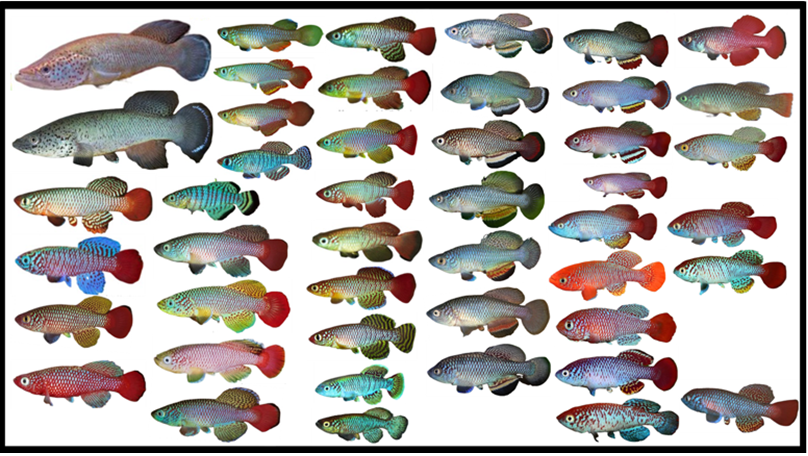
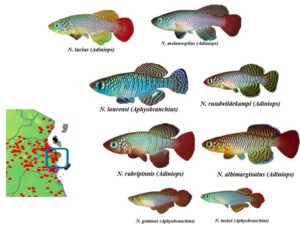
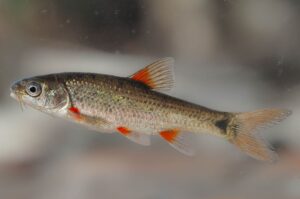
The Mbezi River Basin is home to eight extraordinary species of annual killifish found nowhere else on Earth. These brilliantly coloured fish have evolved one of nature’s most remarkable survival strategies. As seasonal pools dry up, the adult fish die, leaving eggs buried in the mud. These eggs survive the long dry season and hatch when the rains return.
It is a remarkable adaptation, but one now under threat. The wetlands these fish depend on are disappearing rapidly because of agricultural expansion, water extraction, urban development, pollution and climate change. Yet during our recent project, supported through funding from The Rufford Foundation and SHOAL, we discovered that habitat loss is only part of the story.
Perhaps the greatest threat is that these remarkable fish are almost completely unknown even to the people living beside them.
Discovering a hidden treasure
For years, conservation in Tanzania has focused on iconic wildlife such as elephants, lions and rhinos. Meanwhile, many smaller freshwater species have quietly slipped towards extinction.
The Mbezi River Basin is one of the world’s most important centres of annual killifish diversity, yet few people outside the scientific community have heard of it.
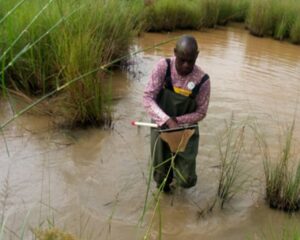
Rather than beginning with fences or regulations, our project began with conversations. We worked with communities, schools and local leaders in the villages of Misufini and Kiparang’anda, sharing the story of these extraordinary fish and the seasonal wetlands they depend on.
The biggest discovery was not biological, it was social.
Most participants had never heard of annual killifish. Few knew that these species are globally threatened or that the Mbezi River Basin is internationally important for freshwater biodiversity. Even some local government officials responsible for environmental management were unfamiliar with the ecological importance of these wetlands.
At first this knowledge gap seemed discouraging. Instead, it became one of our greatest reasons for hope. People cannot protect what they have never been given the chance to know.
Once community members understood the uniqueness of their wetlands, attitudes changed quickly. Village leaders, farmers, women and young people enthusiastically joined discussions, sharing observations about disappearing wetlands, changing rainfall patterns and increasing pressure on natural resources.
Most importantly, many expressed a genuine willingness to help protect these habitats in the future.
Some of the most inspiring moments came from local schools. Students were amazed to discover that globally unique fish lived in wetlands near their homes. Their curiosity was infectious, with questions about how the fish survive, why wetlands matter and what they could do to help. Teachers also expressed strong interest in incorporating local biodiversity into environmental education.
These sessions showed that schools can become powerful centres for conservation. By inspiring young people today, we are helping to build the next generation of environmental stewards.
One lesson became clear throughout the project: conservation is ultimately about people.
Scientific research is essential, but lasting conservation depends on informed and engaged communities. Our experience showed that local people are not barriers to conservation; they are its greatest allies. Once they understood the global importance of their wetlands, they wanted to become part of the solution.
This change in awareness may become the project’s most important legacy.
The programme also laid important foundations for the future. It strengthened relationships between scientists, communities and schools, identified major knowledge gaps, and demonstrated that community education can play a central role in protecting freshwater biodiversity.
A small beginning with enormous potential
Our community awareness programme was a small but crucial first step. We reached two villages and two schools, a tiny fraction of the 121 villages in the wider region. The demand for more outreach is overwhelming, but financial constraints have limited our reach.
Future support will allow us to expand awareness programmes, establish school conservation clubs, engage government agencies, develop a Conservation Action Plan and strengthen community participation in wetland protection.
The lessons learned in Mbezi also extend far beyond this basin. Tanzania is home to 47 of the world’s 94 recognised annual killifish species, many facing similar threats. The approach developed here could become a model for protecting freshwater biodiversity across the country.
A message of hope
Conservation stories often focus on what has been lost. This one is different.
Yes, the wetlands of the Mbezi River Basin remain under pressure. Yes, these extraordinary fish are among the world’s most threatened freshwater species.
But our project showed something equally important: people care.
When communities understand the value of their natural heritage, they want to protect it. When young people discover that globally unique wildlife lives in their own backyard, they become proud ambassadors for conservation. And when scientists, communities and conservation organisations work together, lasting change becomes possible.
The hidden hotspot of the Mbezi River Basin may still be unfamiliar to much of the world, but the foundations for its protection have now been laid.
With continued partnership and support, these tiny fish, and the seasonal wetlands that sustain them, can become a powerful example of how community-led conservation can safeguard some of the planet’s most overlooked freshwater treasures.
Our awareness programme was a small but vital first step. We reached two villages and two schools, just a fraction of the 121 villages across the region. The demand for more outreach is overwhelming, but limited funds have held us back. Still, we’ve built something important: we’ve shown that community-based conservation works, proven that schools can become powerful hubs for environmental education, identified key gaps, and confirmed that local communities will embrace conservation when given the chance. Moving forward, we need to expand our reach to more villages, schools, and decision-makers, collaborate with national environmental agencies, develop a comprehensive Conservation Action Plan, and replicate this model across other threatened river basins in Tanzania.
Post Overview
David Alila
July 20th 2026
1000 Fishes, Conservation, Guest Author, Stories, Story, Tanzania
Share this post:
Recent News
One of the World’s ‘Most Wanted’ Lost Fish Is Rediscovered – Yale Environment
Fish Out of Water: A Story of Hope, Humour, and a Very Determined Fish
GUEST POST:
ASHER FLATT, WILDLIFE FILMMAKER AND PHOTOGRAPHER
I have a confession to make. I’m an optimist.
In a world of environmental doom and gloom, I believe that optimism and hopeful storytelling are our greatest tools in the fight against despair and apathy. Because if we can’t make people fall in love with the natural world, if we can’t make them laugh, cry, and root for it, then we’ve already lost.
Which brings me to the story of the Mangarahara Cichlid. And a wanted poster.
My previous film Stuck on a Rock told the larger-than-life tale of how a humble stick insect was rediscovered and saved from extinction through plot twists so numerous they’d tie you in knots. I was proud of what we achieved on a shoestring budget, but I knew I could do better. I hungered for a new project. Something with the same beating heart of hope against the odds, but bigger in scope and ambition.
Then I stumbled across Brian Zimmerman.
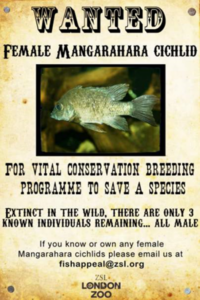
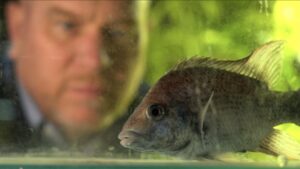
Brian is Director of Conservation and Science at Bristol Zoological Society and one of the world’s leading freshwater fish conservationists. When the Mangarahara Cichlid’s only river in Madagascar dried up in 2012 and the species was declared extinct in the wild, Brian found himself caring for the last known individuals at London Zoo. Three of them. All male.
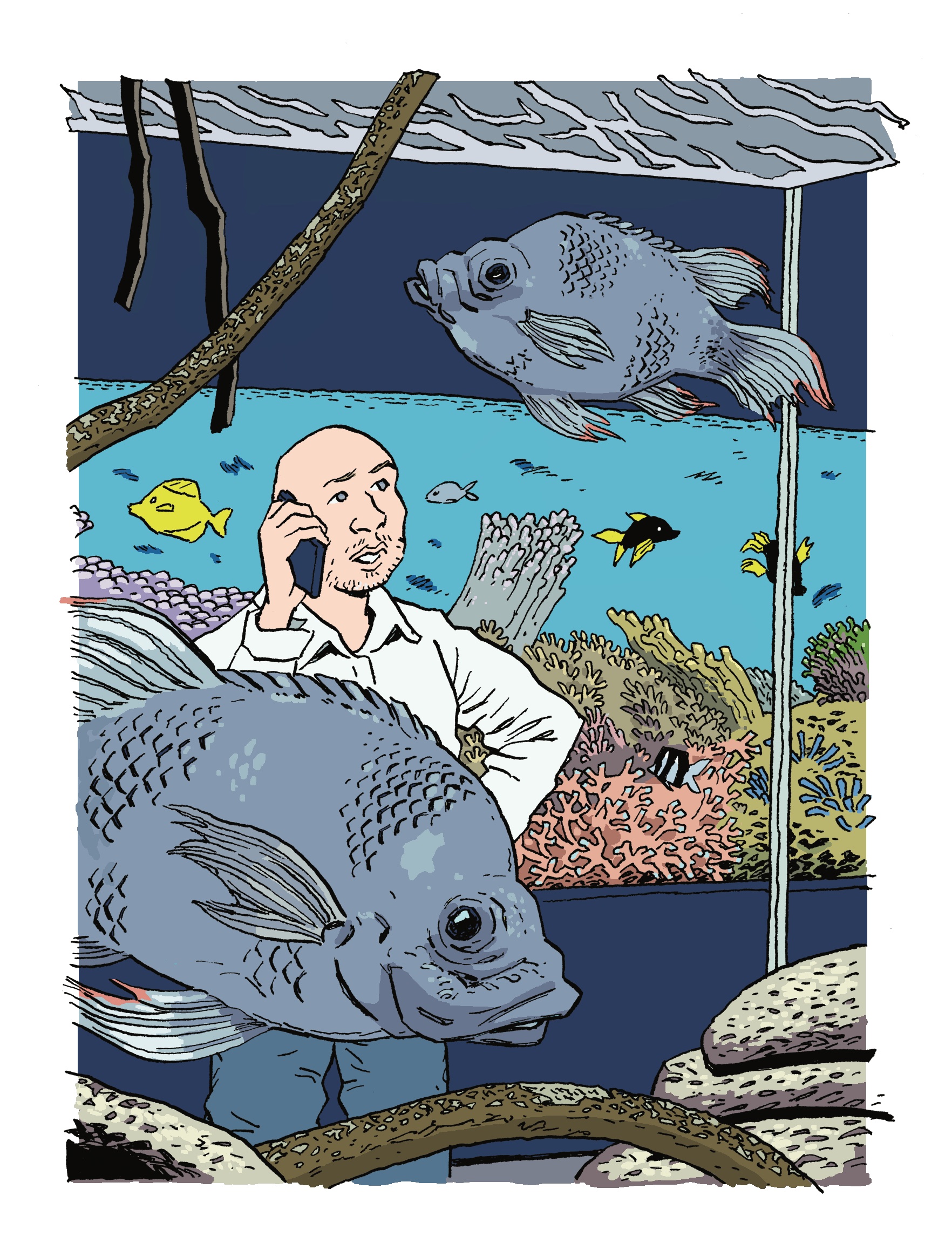
So he did what any sensible conservationist would do. He printed a Wild West “Wanted” poster and asked the internet to find his fish a date.
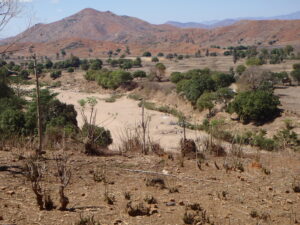
But this is exactly the kind of story I live for, absurd on the surface, profound underneath. Brian’s poster worked. A tip-off led him deep into northeast Madagascar, to the remote village of Marotandrano, where a small wild population had survived against every odd.
The fish was back from the dead. But the story doesn’t end there. The Mangarahara Cichlid remains critically endangered. The river it depends on runs drier every year. The community of Marotandrano, who have fished and drunk from that river for generations, are watching their ecosystem quietly disappear. This is Madagascar’s freshwater crisis in miniature: a country being robbed of its natural wealth through environmental degradation, and the people and species paying the price.
Yes, it’s the story of one extraordinary fish and a wonderfully stubborn conservationist. But it’s also the story of a community fighting for their river, and a crisis that doesn’t get nearly enough attention. Freshwater biodiversity is collapsing globally and yet it remains one of the least publicly recognised environmental emergencies of our time.
I want to change that. Not through despair, but through storytelling that makes people genuinely care. Funny, moving, and hopeful, because there is always hope and humour wherever you choose to look for it.
Brian and I have already completed our first interview together, and the full scope of his saga in all its charming detail, confirmed everything I suspected. This is a film that needs to be made.
We have a Kickstarter campaign running until 9th July to fund the expedition, recreating Brian’s journey through the back of beyond and filming the next chapter of the story as the fish is relocated to a safer stretch of river. We will also be capturing the voices of the Marotandrano community who hold the key to long-term freshwater conservation in this part of Madagascar. I
f you believe this story deserves to be told, and I think SHOAL’s community understands better than most why it does, please consider backing us or sharing the campaign as widely as you can.
CELEBRATING THE ORGANISATIONS DOING WONDERFUL WORK IN THE WORLD OF FRESHWATER SPECIES CONSERVATION
GUEST POST:
JOSEPH HOLWAY, PhD INCOMING DIRECTOR, SPRINGS STEWARDSHIP INSTITUTE
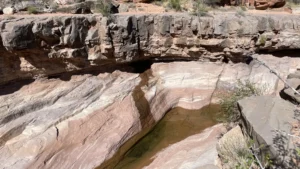
A spring is what happens when underground water reveals itself. Water emerges from rock, from gravel, from soils that look incapable of holding it. Sometimes it spreads into broad wetland meadows lined with willows and cottonwoods. Other times it seeps from canyon walls into pools no larger than a living room. These are springs — among the most biologically extraordinary, and the most overlooked, freshwater ecosystems on Earth.
The world’s rivers are not where freshwater begins. They are where it gathers. Nearly every river on Earth begins at a spring. Springs collectively supply the baseflow that sustains river systems through dry seasons and droughts — the water that keeps a river running when the rains are gone.
They are the foundation to freshwater conservation. And yet, for systems of such fundamental importance, springs are almost invisible to the global conservation conversation. They fall between disciplines. Between groundwater and surface water, between hydrology and ecology, between protected area frameworks and species programs. Most countries have never mapped them. Most freshwater funders have never funded them. Most policy frameworks have never named them. The result is a paradox: the smallest pieces of the freshwater puzzle are also among the most consequential, and the most ignored.
The biodiversity case for springs is staggering. A pool the size of a kitchen table can hold many endemic species found nowhere else on Earth. A single spring can shelter an invertebrate lineage that has been there for millions of years, separated from its nearest relatives by mountain ranges and deserts. Per unit area, spring ecosystems likely support more endemic biodiversity than any other freshwater system on the planet. Yet much of that biodiversity remains undescribed — species blinking out one at a time, sometimes before they have ever been given a name. And that loss is accelerating.
The deepest threat to springs is the slow, systemic over-extraction of groundwater — the steady drawdown of the aquifers that springs depend on. When pumping outpaces recharge, springs go dry. Often before the wells around them do. Springs are early warning systems for entire aquifer systems, and across the West and the world, they are sounding the alarm.
My path to springs started long before I knew what they were. As a kid in Phoenix, my mom would drive my friends and I up to Fossil Creek in central Arizona to swim. I spent whole afternoons underwater with a snorkel and mask, watching native fish move through water so clear it seemed impossible. I didn’t know it then, but Fossil Creek was one of the great restoration stories of the American Southwest — heavily altered for decades by hydropower development, then largely restored when much of its natural flow was returned. The fish I was watching had come back. The travertine terraces downstream of the old dam were rebuilding, layer by layer.
Stewardship works. Ecosystems remember. That feeling of floating through a place that had been brought back never left me. I came to springs formally after a graduate career working on the Mekong, where I studied the consequences of dams and altered flow regimes for fish and the people who depend on them. That work taught me something hard: a single person can give everything to a great river and still struggle to change its course. The forces shaping a river like the Mekong dwarf any one researcher. I turned to springs because they operate at a scale where individual action genuinely matters. One person can fundamentally change the fate of a spring — and in doing so, save a species, sometimes many, from vanishing forever. Because springs feed the baseflow of nearly every river on Earth, to care for our springs is to care for almost all the freshwater life on the planet.
Across several decades, our team at the Springs Stewardship Institute has spent field season after field season across the deserts of the American West, often reaching wildly remote springs —through canyons and across ranches, finding water in country that should have none. We have documented springs still flowing, springs holding back the tide of aridification, springs surrounded by cottonwoods and willows and birds and insects. We have also documented springs going quiet — old spring boxes producing nothing, riparian vegetation dying back, stock tanks abandoned. The arc of these landscapes is hard to ignore. And yet we keep going back. Because every spring we visit confirms two things at once. These places hold extraordinary life. And they are still worth fighting for.
The good news is that the world is beginning to notice. In 2025, SSI joined the IUCN as a member organization and helped draft and pass IUCN Resolution 016 — a global call to action recognizing springs as urgent and neglected freshwater systems. A growing community of scientists, land managers, tribal nations, ranchers, and conservation organizations is converging on the same conclusion: springs are foundational, and they have been overlooked for too long. Much of freshwater conservation focuses on great rivers and lakes, and those efforts are essential. But almost every great river begins with a small, hidden seep. Protecting freshwater biodiversity means protecting these places too.
There is something almost reverent about kneeling beside a small desert spring and realizing that an entire web of life — and an entire downstream river — depends on that water continuing to flow. Springs are reminders that the smallest ecosystems can carry the heaviest weight, and that one spring, properly cared for, can sustain a species, a community, an entire watershed. Springs are worth understanding. They are worth protecting. And as we face the freshwater challenges of the coming decades, they may have something quietly profound to teach us.
CELEBRATING THE ORGANISATIONS DOING WONDERFUL WORK IN THE WORLD OF FRESHWATER SPECIES CONSERVATION
GUEST POST:
MATT BLOXHAM, AUCKLAND COUNCIL
The Black Mudfish, not seen since 2014, was discovered alive and well in two New Zealand wetlands in November 2025. Matt Bloxham, Auckland Council’s senior regional freshwater advisor, tells us all.
A little-known native freshwater fish, the elusive Black Mudfish (Neochanna diversus), has been discovered in two wetlands on Auckland, New Zealand’s west coast.
Auckland Council’s Senior Regional Advisor (Freshwater), Matt Bloxham, says the first discovery was in a wetland where mudfish hadn’t been seen for many years and were thought lost. This exciting rediscovery prompted a wider search, and a second entirely ‘new’ population was found within two months of the first.
The finds are significant because black mudfish have a ‘Threatened – Regionally Critical’ conservation status in Auckland. There are just six known populations in the entire region.
Matt says, “neither of the wetlands stood out initially as containing useful mudfish habitat. The secluded, well shaded pockets of standing water found beneath ancient swamp forests and which are coveted by mudfish have, in these wetlands, given way to choking emergent vegetation.”
“As a result, the number of individuals found was tiny relative to the wetlands’ overall size. In one wetland, mudfish were found in only a single trap. However, where failing juvenile recruitment so often presages the decline of rare fish populations, juveniles were found in both sites, suggesting breeding is occurring”, says Matt.”
The Black Mudfish is one of New Zealand’s most unusual and resilient freshwater fish species. The outward appearance of these small, eel-like creatures is muted, and not in the slightest bit flashy. However, their tubular form and jaunty fins pushed right back along their body and stacked neatly around their tail, are exquisitely honed for threading into wetland sediments and vegetation as surface water subsides in summer. At such times mudfish can respire through their skin, slow their metabolism and endure extended periods without water until rain returns,” says Matt.
“This gives mudfish an advantage over would-be competitors. Juvenile eels that manage to reach these secluded, temporary pools are forced to vacate before they grow large enough to predate resident mudfish. Consequently, most mudfish populations tend to be in wetlands that lose their surface water for a period,” adds Matt.
Mudfish complete their entire lifecycle within wetlands; never heading to sea like most native New Zealand freshwater fish species. That also makes them vulnerable; if their wetland habitat is degraded or lost, entire populations can disappear with it. Auckland has already lost 97 per cent of its original freshwater wetland area.
The discovery adds to a decade-long programme to protect Black Mudfish, which began in 2014. Since then, council staff have found new populations, rediscovered old ones, and worked with Auckland Zoo to explore captive breeding and rewilding opportunities. The goal is to establish self-sustaining wild mudfish populations that can withstand regional threats like land-use change and climate change induced drought.
“This tiny fish may be secretive, but its survival depends on us noticing it, protecting and carefully managing its wetland habitats. Mudfish are cryptic, but they’re also unpredictable and seldom found reliably in the same locations, which unfortunately makes them hard to find and monitor. Securing a network of small, shaded and secluded wetland pools for mudfish, is part of the solution” says Matt.
These discoveries provide hope and a clear pathway for restoration and management. “When new populations are found, [the] Council works closely with landowners to control invasive weeds and predators, restore wetland buffers, and where necessary, restore a wetland’s hydrology,” says Matt. Shade is also crucial for preventing the pools from drying out, keeping fish cool during Auckland’s warmer months.
The Black Mudfish may be small, but its story is mighty, a reminder that even the quietest corners of our wetlands can hold extraordinary surprises. The discovery has also sparked fresh hope and has shown that there’s value in searching nearby wetland fragments. The search continues.
Post Overview
Matt Bloxham
February 19th 2026
Guest Author, Lost Fishes
Share this post:
Recent News
One of the World’s ‘Most Wanted’ Lost Fish Is Rediscovered – Yale Environment
CELEBRATING THE ORGANISATIONS DOING WONDERFUL WORK IN THE WORLD OF FRESHWATER SPECIES CONSERVATION
GUEST POST:
HEATHER DALTON, NUWEJAARS WETLANDS SMA
At Africa’s southernmost tip, rivers stained dark by peat may look unassuming. But they shelter some of the most range-restricted freshwater fish on Earth – species found nowhere else, and now among the most threatened globally.
Only in recent decades have scientists and researchers started to understand just how vulnerable these fish are. What they’ve discovered is concerning: without urgent conservation intervention, several of these species are likely to disappear, possibly even within our lifetimes.
A hotspot hidden in plain sight
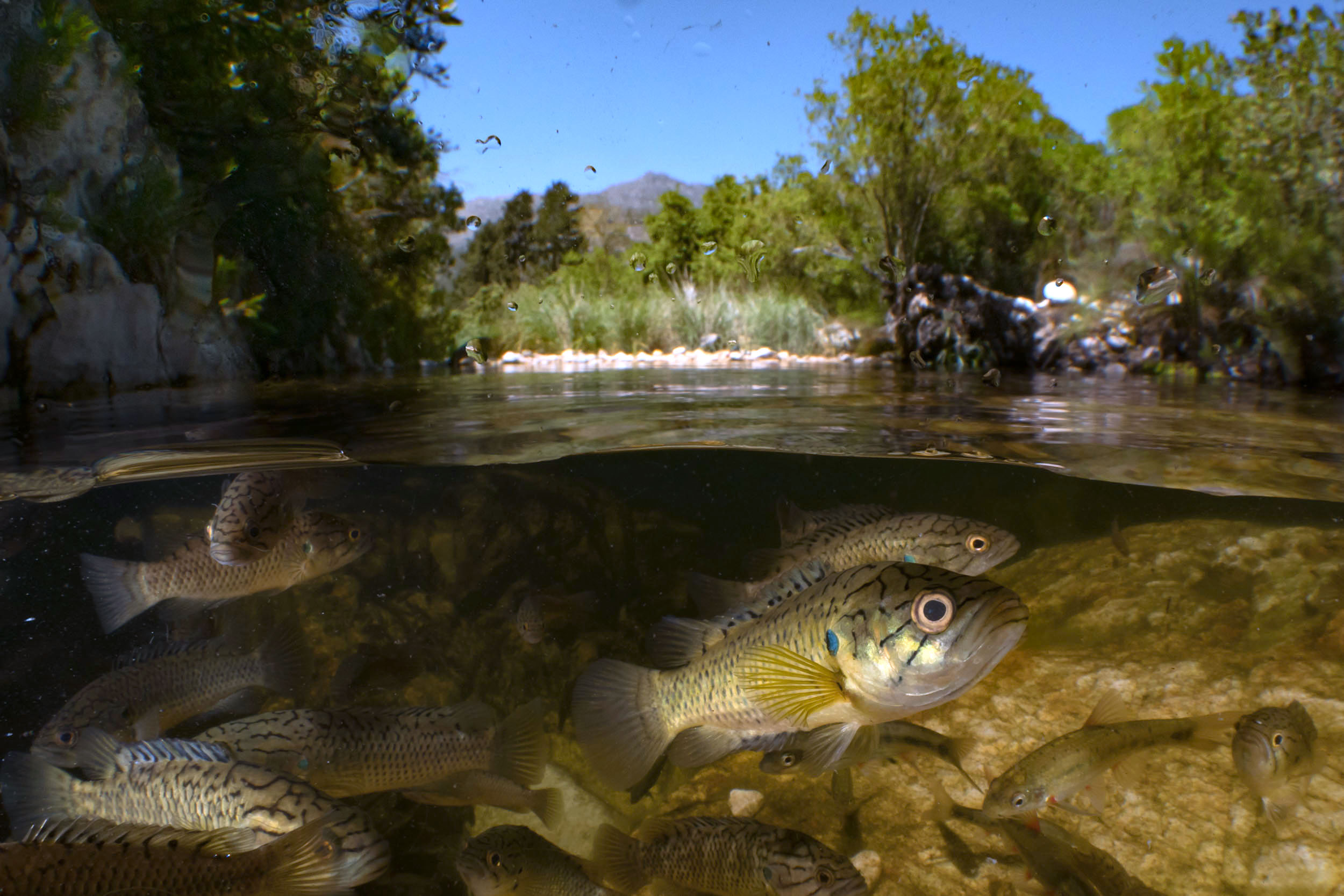
The Nuwejaars River system, along with its tributaries and surrounding wetlands in South Africa’s Western Cape, supports three endemic species. They form part of a collective known as “fynbos fish” because they occur within the Fynbos Biome, a globally recognised biodiversity hotspot:
The redfin and galaxias occupy an extremely small geographic range – in some cases limited to a handful of sites – making them especially vulnerable to environmental disturbance.
What our monitoring found
Historically, knowledge of these fish came from sporadic academic surveys. That changed in 2024, when the Nuwejaars River Nature Reserve (NRNR) began systematic monitoring across the Nuwejaars Wetlands Special Management Area – a 47 000-hectare conservation landscape of privately owned land that contains one of South Africa’s largest remaining wetland systems.
With funding support from Fondation Segré through the International Union for the Conservation of Nature (IUCN), trained environmental monitors were deployed by the NRNR, the non-profit company that manages the entire Nuwejaars Wetlands Special Management Area. They started to track fish abundance, distribution and habitat condition. In 2025, this work expanded through further support from the Mohamed bin Zayed Species Conservation Fund.
By early 2026, results revealed just how precarious the situation is. The entire catchment area of 72,500 hectares was assessed, which includes 15 rivers in total, or around 670kms of river. Of this, Agulhas Redfins were found in very small numbers in three river stretches in the Nuwejaars Wetlands SMA in an area totalling just 11kms. What’s more, fewer than 250 individuals were found. Heuningnes Galaxias were a little more widespread, occurring in nine rivers. However, fewer than 1,000 individuals were recorded. For species with such narrow ranges, these numbers signal real extinction risk.
The most immediate pressure comes from invasive alien fish introduced over the past century. These include:
Spotted Bass (Micropterus punctulatus)
Mirror Carp (Cyprinus carpio)
Bluegill Sunfish (Lepomis macrochirus)
Mozambique Tilapia (Oreochromis mossambicus)
These species prey directly on indigenous fish, compete for food and alter aquatic habitats. In river systems as small and specialised as these, even limited invasions can be catastrophic.
Climate extremes compound the crisis
Climate change is intensifying pressures. In September 2023 and June 2024, the region experienced two major flood events, affecting river channels and eroding banks. The damage was worsened by invasive alien plants along river banks, which uproot easily during floods and destabilise soils.
Now, in 2026, the system is experiencing extremely dry conditions. Historically, deep pools would have provided dry-season refuge for fynbos fish. But erosion has reduced pool depth and persistence, leaving fish increasingly exposed.
In combination, invasive species and climate volatility are eroding the last refuges these fish depend on.
A recovery action plan
Beyond documenting the species populations, the NRNR team and partners are actively implementing recovery interventions. This work is carried out alongside the NRF-South African Institute for Aquatic Biodiversity, Fynbos Fish Trust, CapeNature (the provincial conservation authority) and the Freshwater Research Centre.
As an emergency measure, Agulhas Redfin individuals have already been relocated across the Nuwejaars Wetlands system into two off-stream dams. These dams are free from invasive fish and deep enough to remain viable refuges through dry summers.
In parallel, planning is underway to establish a permanent river sanctuary within the species’ historical range. This requires:
It is technically complex and costly but represents the most viable long-term solution. The NRNR is therefore working to secure the funding needed to make this conservation effort possible – no small task in a country where freshwater biodiversity has historically been underfunded, despite South Africa having one of the highest rates of freshwater fish endemism in the world. The Mohamed bin Zayed Species Conservation Fund has once again stepped in, providing a vital launchpad for further fundraising efforts.
Expanding beyond our footprint
In 2026, NRNR’s focus also extends beyond the Nuwejaars Wetlands Special Management Area itself. Monitoring is being expanded into the Kars and Hansies Rivers, both connected to the system via the Heuningnes River. These tributaries may hold undiscovered refuge populations, reveal species strongholds or show further declines.
This landscape-scale approach is critical in South Africa, where most freshwater systems flow through privately owned land, making conservation success dependent on collaboration – not only with landowners, but also with peer conservation organisations.
It starts with community
Long-term success will not be achieved through ecological interventions alone. The NRNR’s work includes environmental education programmes for children from rural communities in the area, alongside engagement with landowners and farmers whose stewardship directly influences river health.
In a country where biodiversity conservation and social equity are intertwined, this collaborative model is essential. Protecting these fish also means protecting water quality, wetlands and ecosystem services that support agriculture and rural livelihoods.
Our global role in this small corner
These fish may inhabit a remote corner of southern Africa, but they are globally important. Their extinction would mean the disappearance of entire evolutionary lineages found nowhere else on Earth. And while the rivers in the Nuwejaars have supported these species over millennia, even as the environment has changed, their survival now depends on the speed and scale of our conservation action.
Ripple Africa empower communities in Malawi to achieve a sustainable future by providing a hand up, not a hand out. Here, Pam Haigh, their UK General Manager outlines some of the work the organisation are doing in Lake Malawi.
Guest post: Pam Haigh, Ripple Africa.
Lake Malawi is the ninth largest lake in the world and covers 20% of Malawi’s land area. It is home to approximately 1,000 fish species making it one of the world’s most biodiverse freshwater ecosystems. Approximately 90% of the fish species in Lake Malawi are endemic, meaning they are found nowhere else on Earth. This makes the lake a globally significant hotspot for evolutionary biology and conservation.
So what is the problem?
Malawi needs to feed its growing population, and fishing supports the livelihoods of over two million people, particularly in rural areas. Over 500,000 people are directly involved in fishing and fish processing and many more people are employed in related activities, such as selling nets, building boats and fish trading.
In recent years the rapid rate of population growth and increased numbers of migratory fishers has meant that more and more fishers have been catching significantly fewer fish. To try and increase their catch, fishers began using longer nets with smaller mesh sizes, mostly made from malaria nets, catching fish before they were fully grown and able to breed. Three of the four species of the popular Chambo fish, (Oreochromis sp) are now classified as Critically Endangered on the IUCN Red List and many other species are endangered and vulnerable. The problem has been exacerbated by lack of government funding and political will to enforce fishing regulations.
Ripple Africa is a UK based NGO and we started a fish conservation project in 2011, building on our experience of running community-led projects in Malawi since 2003. Called Fish for Tomorrow, this simple approach to fish conservation is now operating in five of the seven lakeshore districts in Malawi, significantly increasing fish stocks and improving the diets and livelihoods of those who depend on fish.
Previously, fishing communities had little understanding of the impact that unsustainable fishing was having on biodiversity, food security and livelihoods. The project educates all key stakeholders using simple training materials, improves communication between them and helps them to agree a common approach to sustainable fishing. Local communities are fully empowered to manage their fisheries resources to conserve fish stocks and improve food security. They are supported by Ripple Africa staff, District governance structures – including District Fisheries, Police and Judiciary – and local leaders.
The project also builds the capacity of District Fisheries Departments to support community-led fish conservation. Long-standing barriers between District Fisheries and fishing communities are being broken down, enabling them to work in partnership to conserve fish stocks in the lake.
Districts have developed Fisheries Management Plans which then enable simple bylaws to be introduced. These bylaws are communicated to all communities through low cost meetings, community events and local media. The messages given include:
No fishing with mosquito nets, drag nets, monofilament nets or other illegal fishing gear
Key breeding and nursery sanctuaries must be actively protected
No fishing with gill nets in the closed breeding season
Only fishers holding a local permit are allowed to fish in each area
No fishing with trawlers unless licensed
Restrictions on the use of small-meshed nets
Beach Village Committees – established in each chief’s area of the districts where the project is operating – have been fully empowered to enforce these fishing bylaws and are supported by Ripple Africa and District Fisheries staff to do so. Committee members are all volunteers and membership includes both fishers and non-fishers to reflect the whole community, as all community members benefit from the project. Women are encouraged to actively participate – we generally aim for 30% of Beach Village Committee members to be women to reflect their key role in fish processing and selling.
The same approach is being used by us to protect the cichlid fish population in the Lake Malawi National Park area (a World Heritage Site) in partnership with UNESCO.
We have established and trained 474 Beach Village Committees. Most of these committees have 11 members and the project is therefore directly working with over 5,000 volunteers from fishing communities.
133 key Chambo fish breeding areas and 10 key Cichlid breeding areas are now being actively protected.
Illegal fishing gears, including monofilament nets and drag nets, are being confiscated by Beach Village Committees and fishers are fined and, in some cases, imprisoned if they continue to use these.
The project involves changing people’s habits and values from a destructive ‘live for today’ attitude to a more sustainable approach which is owned, understood, and applied by local fishing communities. At Ripple Africa we have proved that this can be achieved but it takes many years of support, training and monitoring to achieve this behaviour change. Without continued efforts, there is a danger that fishers will once again revert to using illegal fishing gear and catching immature fish, thereby depleting fish stocks even further.
So, will there be fish for tomorrow in Lake Malawi? Hopefully the answer is yes– as long as we can continue to support this vitally important project. Long-term funding is needed to make that happen and we are looking for committed donors who want to help us preserve Lake Malawi’s biodiversity and ensure that food security is protected in a country already suffering the impact of climate change on crops. If you know of any donors who might be keen to help, please contact us at info@rippleafrica.org. We would be very happy to talk!
Post Overview
Pam Haigh
July 8th 2025
1000 Fishes, Deep Dives, Feature, Guest Author
Share this post:
Recent News
One of the World’s ‘Most Wanted’ Lost Fish Is Rediscovered – Yale Environment
Michael “Mick” Grant is a PhD Candidate at James Cook University in Queensland, Australia. He has been on a number of expeditions to Papua New Guinea to study its sawfish as part of his research into this fascinating and enigmatic group of fishes . Here we talk to Mick about his expeditions, why sawfish are so remarkable, and how he is hoping to help conserve this highly threatened group.
by Michael Grant and Merlin Veron
Why Sawfish?
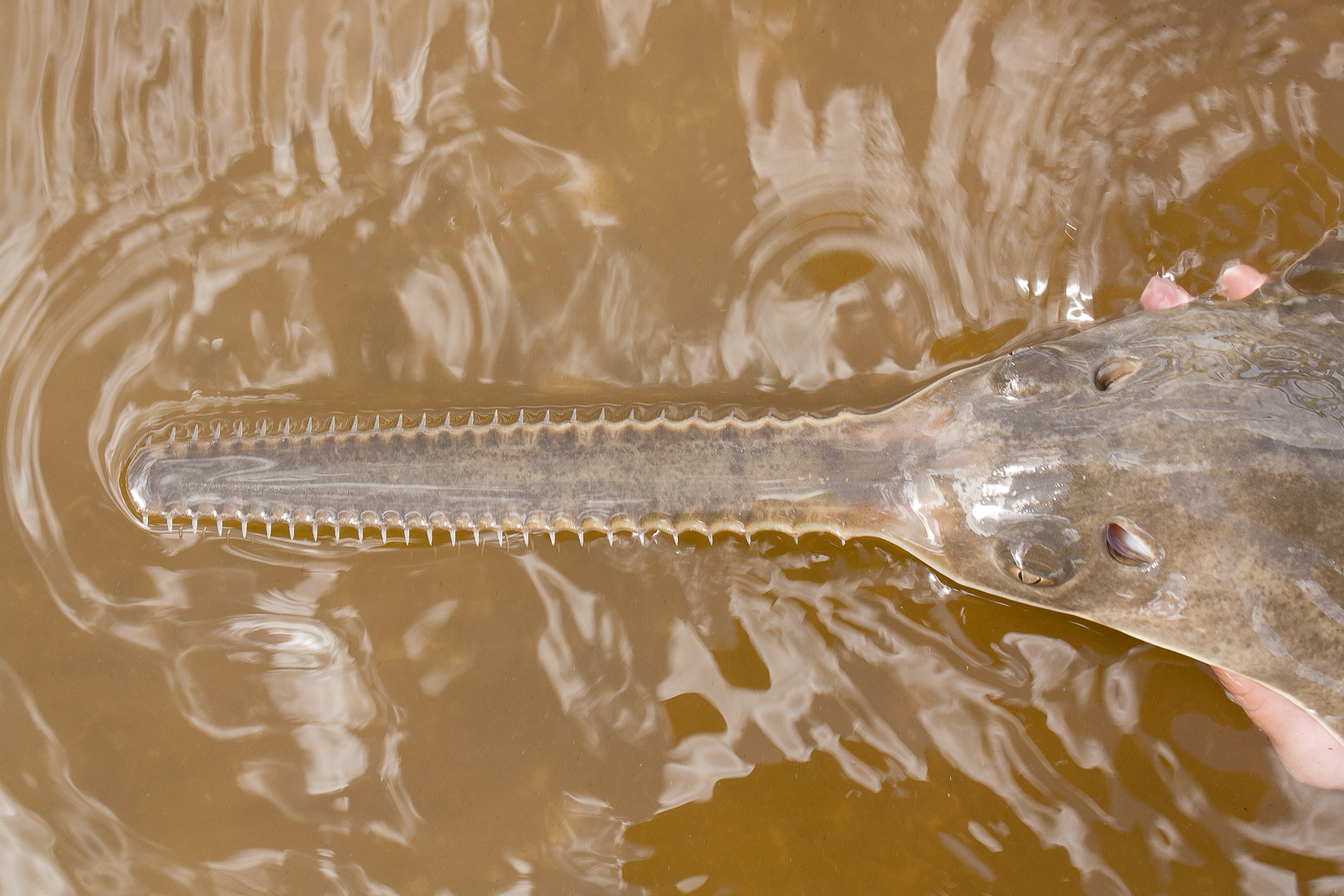
Evolutionarily, sawfish are very interesting, The toothed rostrum of sawfish make them a very unique member of the Chondrichthyes (sharks, rays, and chimaeras). There are five species of sawfish. The smalltooth sawfish, Pristis pectinata is found only in the tropical coastal waters of the Atlantic Ocean, while the dwarf Pristis clavata, green Pristis zijsron, and narrow Anoxypristis cuspidata sawfish species are found only in tropical waters of the Indo Pacific region. Meanwhile, the largetooth sawfish Pristis pristis is found globally throughout the topics.
Unfortunately for sawfish, they are one of the most threatened families across all sharks and rays. This is largely because their toothed rostrum (or ‘saw’) is very easily entangled in fishing nets. They are particularly susceptible to gillnet and trawl fisheries, which are the most common commercial fishing activities in estuaries and coastal regions where sawfish live. In recent decades, sawfish have experienced significant population declines and some species have lost up to 80% of their historic distribution. Presently, all species are either Endangered or Critically Endangered on the IUCN Red List of Threatened Species.
So there is an urgent need to focus conservation efforts on identifying where the last refuges for these species are, and to try and understand how sawfish interact with the local people in order to identify threats to these remnant populations. It would be a shame to lose such an amazingly distinct animal.
What is your research trying to discover?
Our research focuses on sawfish in Papua New Guinea, although we are also documenting other species of shark and ray as we go. While it was thought northern Australia was the last major multi-species refuge for the four Indo-Pacific sawfish species, it appears there may still be viable populations in Papua New Guinea also. Recently in 2014, my PhD supervisor Dr. William White discovered all four Indo-Pacific species still present in Papua New Guinea’s Western province when examining dried shark fin during a short visit to the region. This prompted a major research expedition throughout Papua New Guinea to try and discover where viable populations may be, which is what we are currently working on. Primarily we search for rostra around villages, as the rostrum is often kept for decoration in villages houses. Additionally, we have designed a questionnaire for local fishermen to gather information on how sawfish fit in the livelihoods of local people (e.g. if they are culturally significant), and whether fishermen have noticed a change in their population numbers over time.
We have also found lots of river sharks Glyphis spp. River sharks occur in freshwater also as juveniles, becoming more marine as they grow larger. These sharks are also endangered so it has been nice to find pockets where population numbers appear to be quite high.
When do sawfish use freshwater, and what sort of habitat conditions do they require?
Sawfish typically use lower salinity environments within tropical river systems when they are younger. This may be an adaption to avoid large marine predators, and also avoid competition from other shark and ray species that occur in coastal waters during their vulnerable juvenile years.
While all sawfish species occur in non-marine environments (salinity less than 30ppt), only the largetooth sawfish can tolerate freshwater (salinity less than 5ppt) for prolonged periods. Studies in northern Australia have shown that largetooth sawfish spend their first four to five years in the upper reaches of rivers, accessing floodplains opportunistically as they grow. They then move down into the estuaries and out into marine waters (salinities greater than 30ppt) around river mouths and shallow inshore areas as they become adults. The other species have a similar pattern of habitat use as they grow, except they do not occur in freshwater for long periods. Rather, juveniles use estuaries as nursery grounds, generally moving into more marine environments as they grow larger.
The trouble with this strategy of using both non-marine and marine environments during their life cycle is that it compounds their exposure to human pressures. These pressures include not only fishing, but also river engineering (canals, dams, irrigation etc) and habitat degradation. Most sharks and rays only use marine environments, and these extra pressures that sawfish face are further reasons why sawfish are among the most endangered shark and ray species.
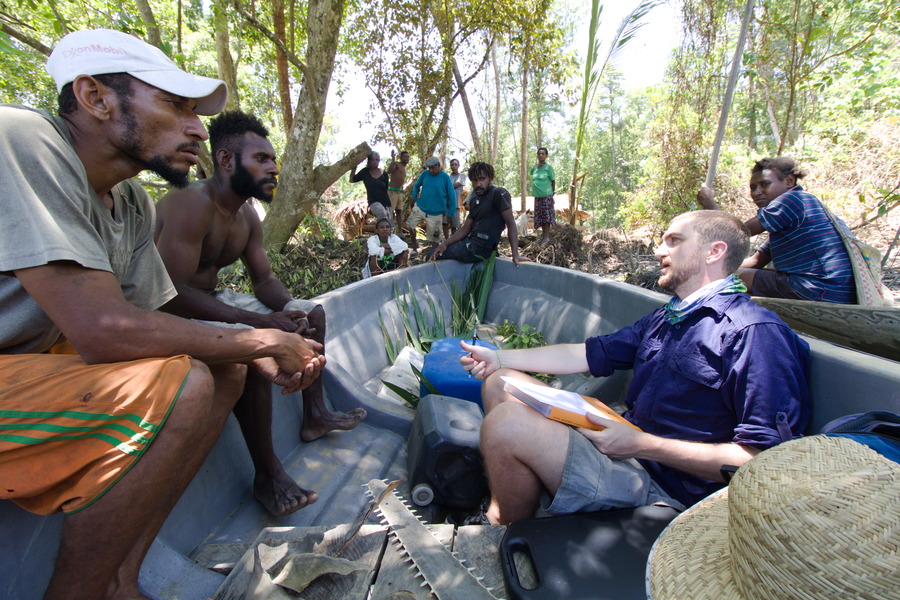
Michael Grant conducting an interview with local fishermen at Goare Village in the Kikori River Delta (c) Darcy Roeger
Just how do sawfish use their rostrum?
The rostrum has three main functions. Besides the obvious defence benefits that a sharp saw on one’s face would offer in shallow estuarine and inshore environments full of crocodiles and sharks, the rostrum is also used for feeding in two ways. Much like swordfish use their bill to stun schooling baitfish, sawfish have been observed rapidly waving their rostrum in schooling prawns and baitfish. The rostrums secret weapon however lies not in its sharp teeth, but rather a sixth-sense in small pores on its underside. All sharks and rays have pores around their mouth called ampullae of Lorenzini (first described by Stefano Lorenzini in 1678). These pores are interconnected and filled with a conductive jelly-like substance that acts as an electo-magnetic receptor. All living animals give off minute electric fields as a result of their bodily functions. These special ampullae of Lorenzini can detect these electrical signals, allowing sharks and rays to find prey that they cannot otherwise see (i.e. invertebrates and fish buried in sand). Sawfishes have a high concentration of ampullae of Lorenzini under their rostrum and they use it like a large metal detector to find food. This is a very critical adaption in the highly turbid rivers in which they live, as visibility is very low, and eyesight is not reliable enough to locate food alone.
When sawfish are caught in nets, the thrashing around of their rostrum in attempts to escape often results in damage to fishing gear. Because of this, some fishermen see sawfish as a pest, and sometimes cut the rostrum in order to untangle and discard the animal from their nets. While thankfully this practice is not considered to be common, starved sawfish that have had their rostrum cut off have been observed in northern Australia, indicating the crucial role the rostrum plays in sawfish feeding habits.
What’s your favourite fact about sawfish?
Probably the adaptability in the physiology of their blood. Weird, but first let me take you back to high school biology and explain. Fish (including bony fish, and sharks and rays) evolved in marine water. Because marine water is salty (and saltier than blood), fish lose water and absorb salt from the environment by osmosis and diffusion, respectively. To combat this, they have to drink constantly, and continuously excrete salts. If their blood gets too salty, it disrupts their nervous system and brain function.
In freshwater they have the opposite problem. They absorb water from the environment and loose salts. This means they don’t drink and retain salts as best as they can which they mainly obtain from food. If they loose to much salt, it also disrupts their nervous system and brain function. For fish that live in marine environments, they have adapted to have quite salty blood to help alleviate the ‘salt gradient’ between their blood and their environment so that they have less work to do in maintaining a balance.
Sharks and rays on the other hand have taken a different approach to the problem. They retain nitrogenous compounds in their blood, so that their overall blood salt level is loosely equal to their marine environment. The benefit of this is that they don’t loose much water by osmosis, and therefore sharks and rays generally don’t need to drink! The only problem they have is excreting salt. Unlike bony fish, sharks and rays have a special gland called the salt gland, that helps them remove excess salt from their body.
For sharks and rays this is a great adaption to marine environments, though it limits their ability to live in freshwater. For bony fish in freshwater, generally all they have to do is decrease the saltiness of their blood, so that they don’t absorb more water than the amount of urine their kidneys can produce. For sharks and rays however, they have the extra baggage of dissolved nitrogenous compounds in their blood. They have to reduce their blood salts, though keep enough for their nervous system to work, although they can’t lower their nitrogenous compounds too much. This means that in freshwater, they absorb lots of water because of the difference between their blood and the environment. They also have a very difficult time not losing all their salts through diffusion out of their gills. For this reason, there are only 43 rays that have been able to adapt to live in freshwater for their whole lives (most of which no longer have dissolved nitrogenous compounds in their blood), only 10 species of shark and ray that can occur in both freshwater and marine. The other 1200 species of sharks and ray stick to marine environments. Comparatively, around 40% of bony fish species (~15 000 species) occur in non-marine environments either full- or part-time, because this transition into freshwater is much easier for them. So the fact that sawfish can tolerate non-marine environments, and alter their blood chemistry to suit the environment type they are in is very special! We don’t entirely understand exactly how they do it at the biochemical level, though evolutionarily speaking, it’s quite a feat!
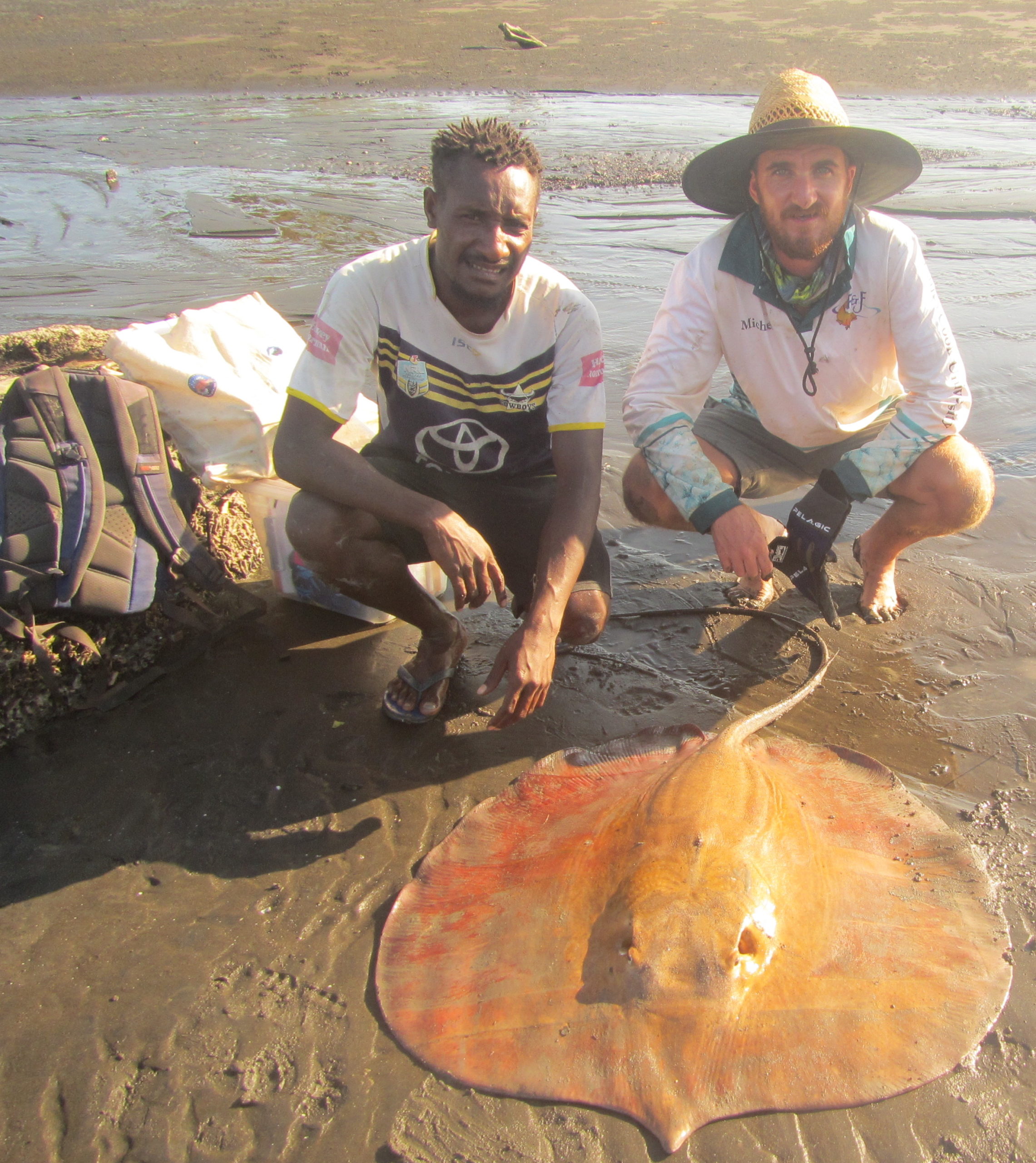
Michael Grant and Obiri, a local fisherman from Goare Village with the first confirmed account of the freshwater whip ray (Urogymnus dalyensis) in Papua New Guinea (c) Yolarnie Amepou
What is it that drew you to Papua New Guinea for your research?
What drew me to PNG wasn’t so much what we knew about the country but what we didn’t know! PNG is truly one of the last tropical wilderness areas on the planet. We know very little about what lives in its many river systems, and overall much of its coastline and riverine systems remain poorly documented. The second thing is the challenge that research in PNG presents. Outside of major towns and cities, there are no roads, limited airports, no sewage, no electricity and no running water. And to make things harder, crocodiles and disease carrying mosquitoes (including malaria) are commonplace, and wet season rainfall can be upwards of 10 metres. Accessing remote communities is a challenge within itself. Due to these challenges and inaccessibility, there a many discoveries to be made, and that’s what drives me to keep going back.
PNG is known for its birds of paradise and tree kangaroos, but what are its freshwater systems like?
The freshwater systems of PNG are truly remarkable. In the countries north, the Sepik River runs for more than 1,000km making it one of the longest tropical rivers in the world. Meanwhile in the Gulf of Papua in PNG’s south, the Fly, Bamu, Turama, Kikori, Wabo and Purari Rivers all drain into Gulf. These rivers are high flow and incredibly sediment rich, creating a highly turbid low salinity bay, perfect for sawfish. I’ve been lucky to travel up to the head waters of the Bamu, Turama and Kikori Rivers where conversely the water is crystal clear, flowing over volcanic rock through a labyrinth of dense rainforest. The natural beauty and shear expansiveness is truly hard to justify in words!
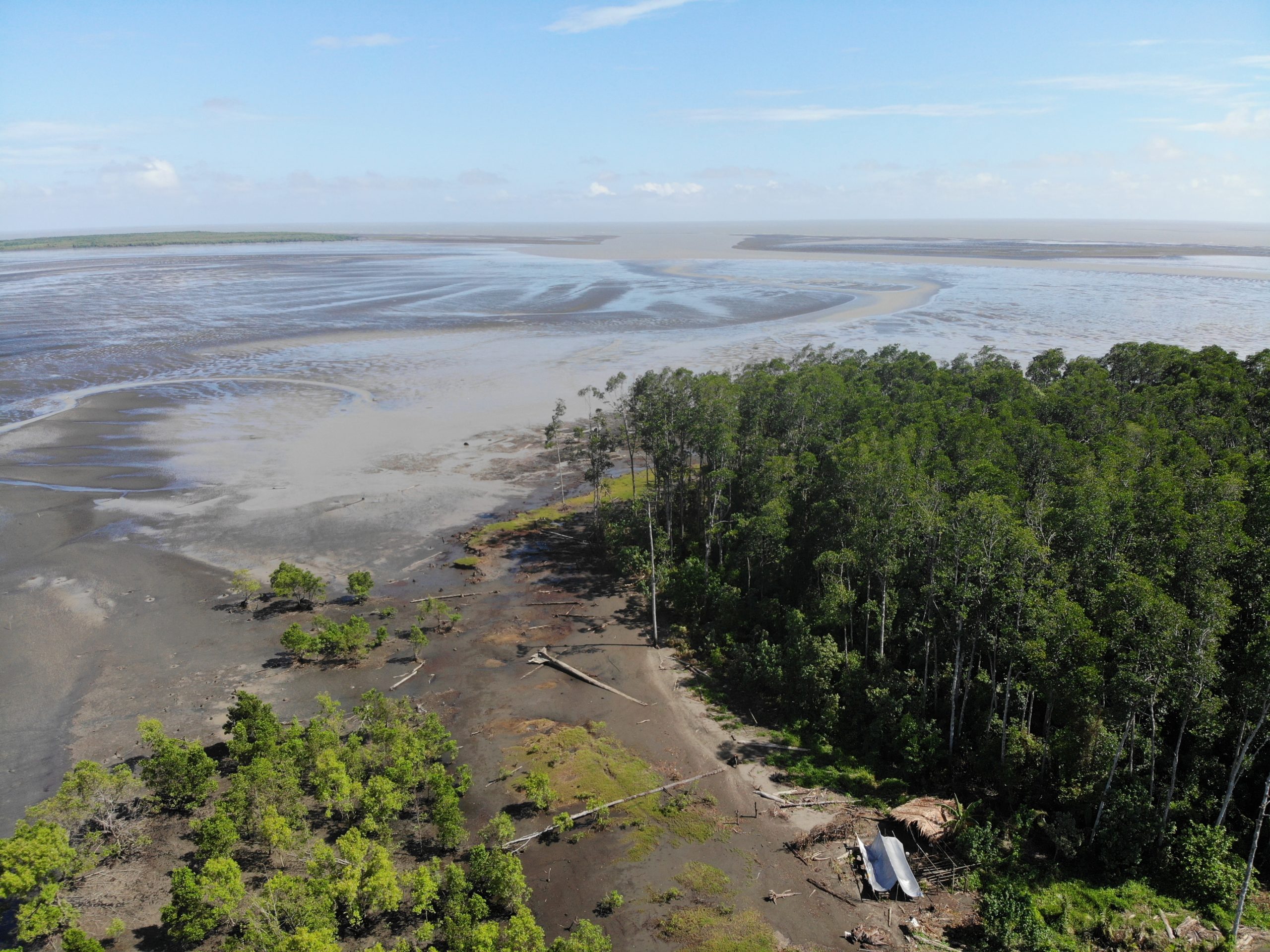
An expansive sand bank at the coast of Kikori River Delta. Shallow turbid sand banks are ideal habitat for all sawfish species (c) Michael Grant
Have PNG’s freshwater fishes been well documented, or do you think there are still many more to be described by science?
There have been only a few concerted expeditions over the years. The first assessment dates back as early as 1896, when the German botanist Carl Adolf Georg Lauterbach visited the Ramu River in PNG’s north (Lauterbach also collected the first sawfish specimen from PNG, a juvenile largetooth sawfish which is still preserved whole in the Museum für Naturkunde in Berlin). Since then there have been other surveys, while in more modern times the likes of Gerald Allen and David Coates have led extensive surveys throughout the 1980’s and 90’s, again largely focused on the Sepik and Ramu Rivers in the countries north. My PhD supervisor William White recently conducted a large shark and ray orientated project from 2014-2018. The project resulted in 132 documented species in PNG, 12 of which were previously undescribed.
That is what appeals to me about working in the Gulf of Papua. The rivers are so inaccessible that I’m sure there are many freshwater fish waiting to be discovered throughout the multitude of floodplains, creeks and tributaries. For example, in late 2018 we confirmed a species of freshwater whipray, Urogymnus dalyensis, at the mouth of the Kikori river. This species was formerly only known in northern Australia.
What’s the most breathtaking/jaw-dropping moment you’ve had while on your expeditions?
The whole experience is quite amazing. Travelling down the Fly River was certainly up there. We passed about 400km of floodplain stretching to the horizon on either side of the river. The volume of freshwater habitat was incomparable to anything I’ve ever seen.
What is the most hair-raising moment you’ve had while on your expeditions?
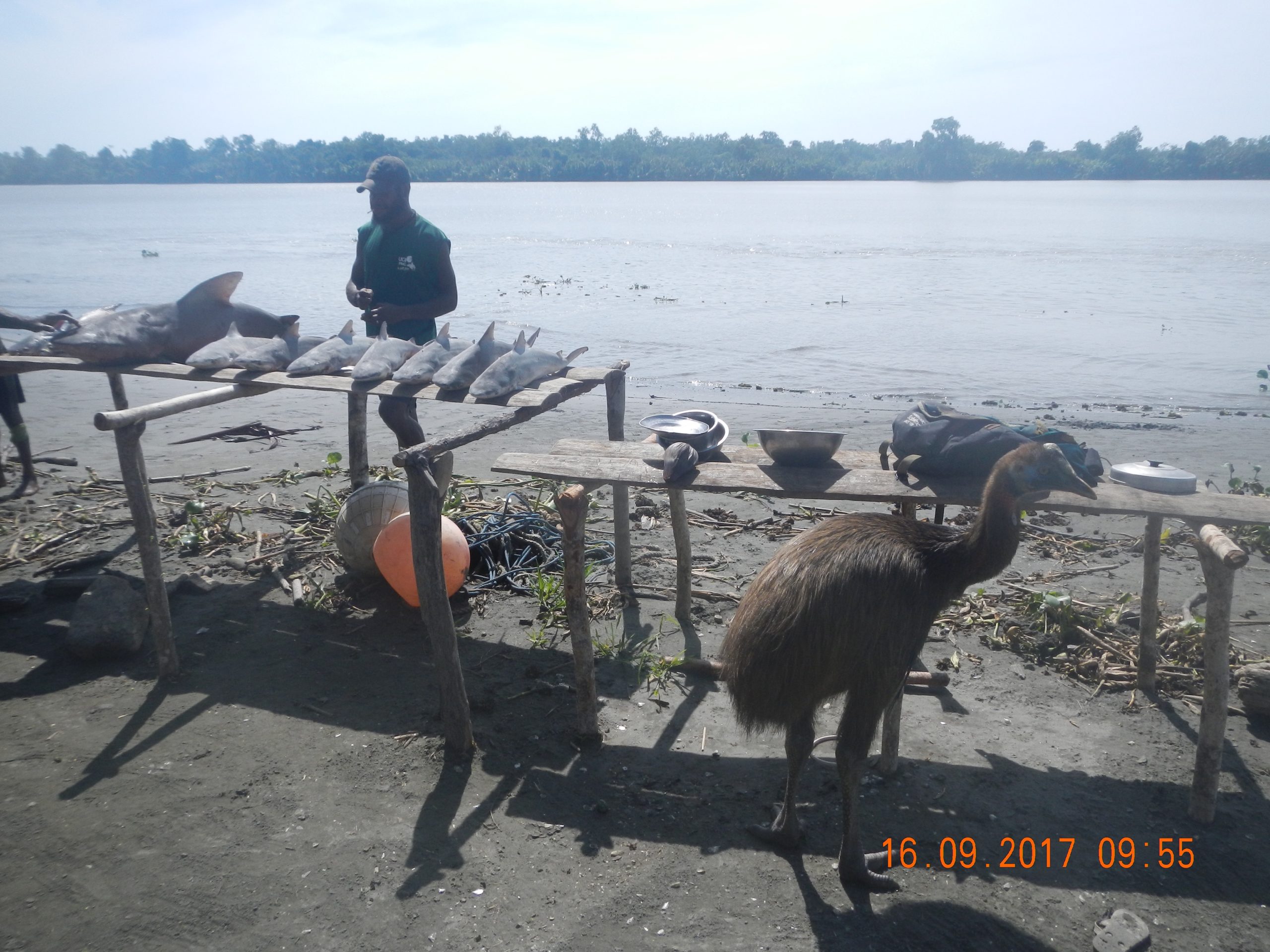
The standout ‘only in PNG’ moment would have to be having a cassowary (a large aggressive flightless bird endemic to PNG and northern Australia) interrupt our assessment of the mornings catch during a visit to Kopar Village at the Mouth of the Sepik River. It turns out the cassowary was actually a semi domesticated ‘pet’ of one of the local villagers, though it was a hair-raising experience for a while there! Other experiences have included crossing sand bars at the mouths of rivers on a 20ft banana boat during 2m plus swells with the outflow of rivers providing a strong undercurrent. When you are 200km from civilisation seriously thinking about ‘if we capsize here, where can I swim to and if I make it, then what?’ it certainly gets the heart rate up! The skippers however drive those sort of conditions regularly, and they never seem too worried.
A cassowary holds up assessment of the overnight shark catch, Kopar Village, Sepik River (c) Michael Grant
What advice would you give young conservationists trying to research and protect rare and unique fish?
Admittedly, it can be a hard space to get into. There is often limited funding for such research and usually a bit of luck is required. I think volunteering is a great way to start out, and importantly not being afraid to reach out and offer assistance however you can. I’m a big believer in the old adage ‘it’s not what you know, it’s who you know’. If you are not meeting and talking to people, it’s hard to get anywhere! I think social media is a good platform, lots of scientists are on Twitter. Starting a professionally orientated account has paid good dividends for me personally. For undergraduate or postgraduate researchers, attending conferences in also important. For me, actually presenting a poster or talk comes secondary to having the opportunity to meet people. That being said, pick a conference that will attract the type of people you want to meet. Lastly, recognising that management of fisheries is not about managing the fish, it’s about managing the people. This cannot be overstated enough. I think social sciences, and studying how animals fit into the livelihoods of people is still in its infancy. There’s lots to learn and any conservation orientated project needs to include the local people.
What’s next for you and the wonderful sawfish you study?
A dangerous question to ask a mid-end term PhD candidate! It’s all a bit of an unknown at this point (for me and sawfish!). I’ve got a few things lined up to continue working in Papua New Guinea. There is lots of capacity building required to get things moving over there, and I’m fortunate to have good relationships with the University of Papua New Guinea and Provincial Fisheries officers. Gathering information to inform fisheries management plans is what the focus will be moving forward. If we can develop some sort of legislation to protect sawfish that would be fantastic, although community based awareness measures are probably more realistic in the short term. I’m planning on writing a children’s book to distribute to remote communities in PNG which will help inform people on sawfish, and concepts of overfishing. Taxonomic research is also high on my future agenda. I’m lucky to research under Dr William White at Australia’s National Fish Collection so we’ll see what happens. 10 years from now I’d like to be pulling the strings in my own lab, but for now its about completing research projects and ticking boxes.
The author would like to acknowledge and specifically thank William White for giving him the opportunity to work in Papua New Guinea and to his other PhD supervisors, Andrew Chin, Colin Simpfendorfer and Peter Kyne. Thanks also to Save our Seas Foundation for funding our research, and to the PIKU Biodiversity Network for their contribution to our project. Interested readers can stay up to date through the twitter account @Mickkgrant
Kathy is a Freshwater Specialist with experience from across Asia, Africa and Europe. She visited Ambon to see its awesome anguillids on holiday earlier this year.
When people think about the world’s most threatened animals, it’s unlikely that Anguillid (freshwater) eels spring to mind. In Europe, freshwater eels are one of our least appreciated but most critically endangered species, having declined by around 95% since the 1980s. Unlike most people, as a freshwater ecologist, I spend a lot of time thinking about animals like the freshwater eel because globally, all freshwater species are facing considerable threats. In fact, freshwater species are declining at double the rate of terrestrial or marine biodiversity and for me, freshwater eels are a bit of a poster-fish for all freshwater biodiversity.
Anguillid eels have life cycles more complex and mysterious than any other species I can think of. They are catadromous; spending most of their lives in freshwaters but returning to the ocean to spawn (a return journey of around ten thousand kilometres). Eels can live for many years, especially females – the oldest known European eel was over 100 years old. Despite being long-lived they only spawn once in their lives. The marine phase of an eel’s life remains much of a mystery – we do not know what eels do during their time in the oceans or exactly where they spawn. An exciting new project is radio-tracking eels to attempt to answer the mysteries that have eluded scientists since the time of Aristotle.
There are multiple threats facing European eels, and to different extents, all other species of freshwater eel around the world. Threats include: climate change, human infrastructure and development, disease, water pollution, habitat loss, over-exploitation and mortality caused by pumps and hydropower dams. Furthermore, as the illegal trade in European, American and Japanese eel is stopped, eels in other parts of the world where protections are less, may be at increased risk.
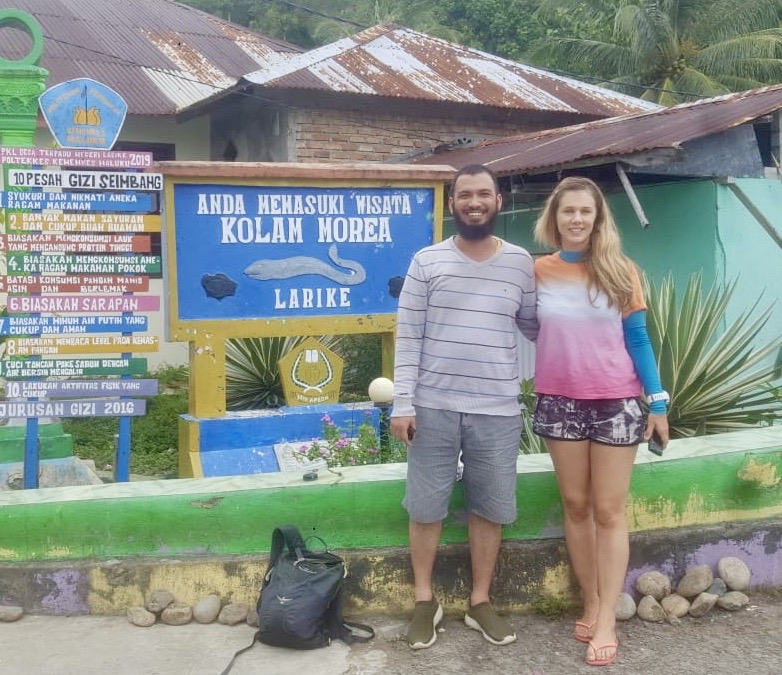
A critical step in the conservation of eels is ensuring people care about them and with this in mind, during a recent trip to Ambon, Indonesia, I visited Larike village, home to a population of Marbled eels, Anguilla marmorata, to find out why they are important to the local community. I met with Hafes Lauspa who is the King (or Raja) of Larike village. Hafes has taken the unusual step of protecting the eels in his village, meaning that no one can fish for them or harm them in anyway. Hafes hopes that by protecting the eels, the eels will attract tourism to the village and generate income.
What were your motivations for protecting the eels?
People in my village have a big appetite for the eels as they believe they are good for achieving healthiness. But the population of eels is getting smaller and it made me think that I must do something to protect the eels so that the population does not become extinct.
What do the villagers think of the eels and the tourists that come to visit them?
Since I introduced tourists to the eels of Larike in 2010, the villagers are very happy. They realised that to protect the eels is one of the ways to bring Larike village to the eyes of the world.
What are your hopes for the eels, the river, and Larike village for the future?
I am the son of my father, the son of a king and the son of kings, we become a king since the village exists. It is our duty, as kings, to love, to carry and to protect the village until our last breath. As a king I hope to make the village much better in the future. The river has existed for a long time and brings so much life here to the village. I hope it exists forever and will always be with us, for current and future generations. And what about the eels – I hope the eels know that we really love them, and I hope they can love us as much as we do.
Hafes (King of Larike Village) and I posing by the sign welcoming tourists to the village.
Whilst visiting Larike I took the chance to personally test out how much of a tourist-attraction these giant Marbled eels might be. For me the opportunity was very special, my time spent time with their eely cousins in Europe has been dominated by catching them during fish surveys – a challenging endeavour because in the hand they are extremely strong (both physically and in terms of their opinions of trying to escape) and pretty slimy which doesn’t help deal with their aforementioned strength. However, in Larike Village, I had the opportunity to observe freshwater eels on their terms for the first time in my life.
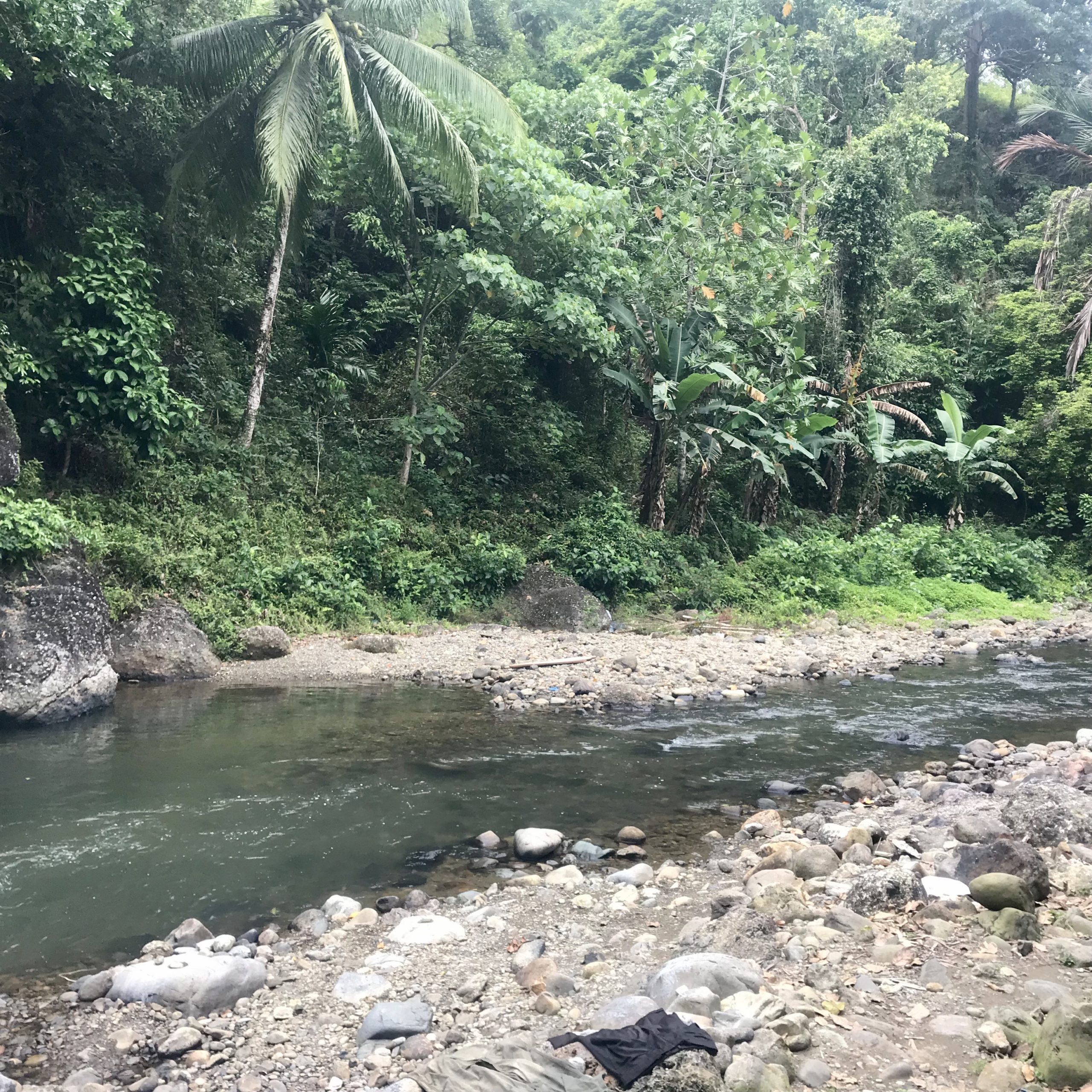
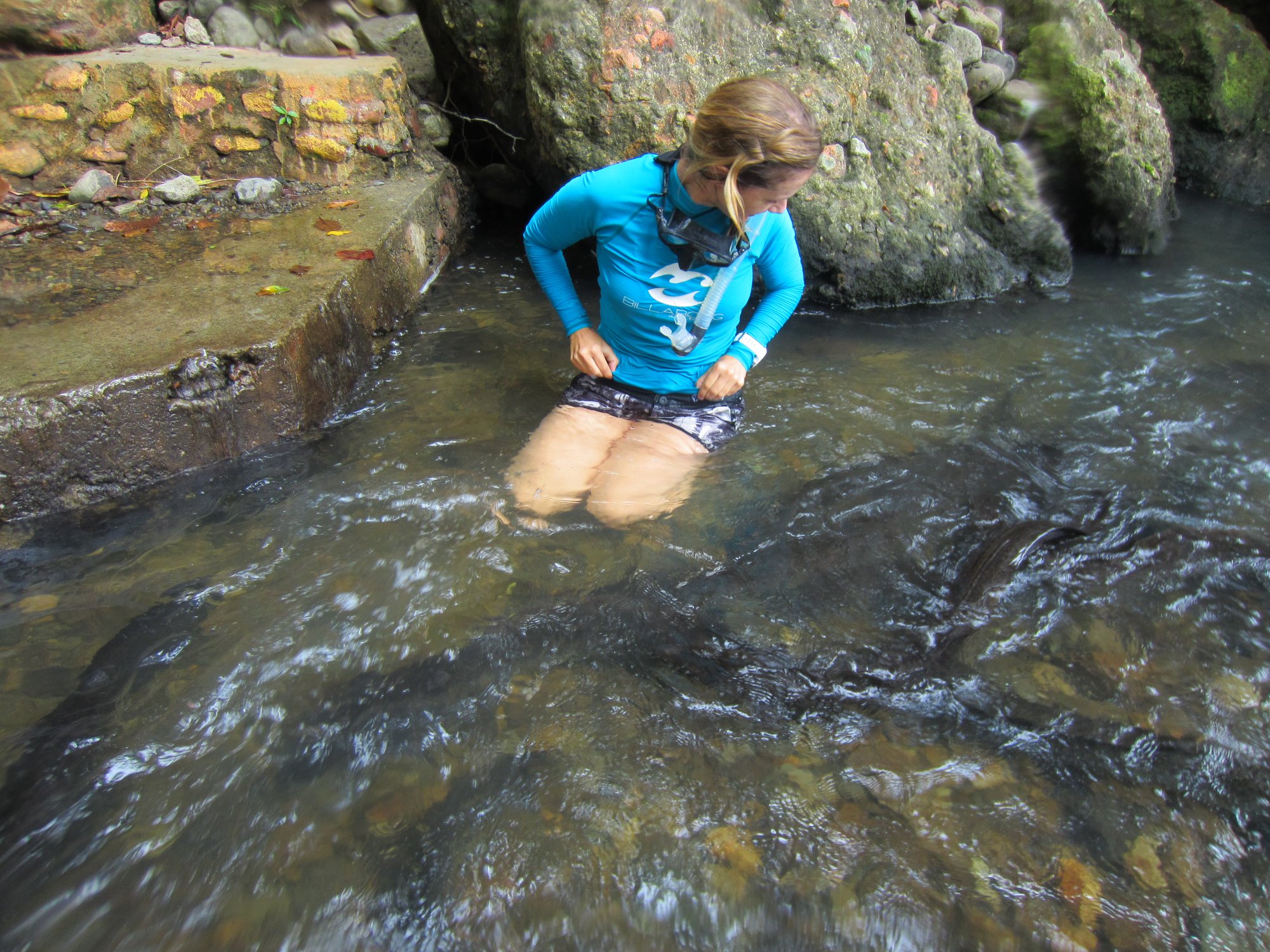
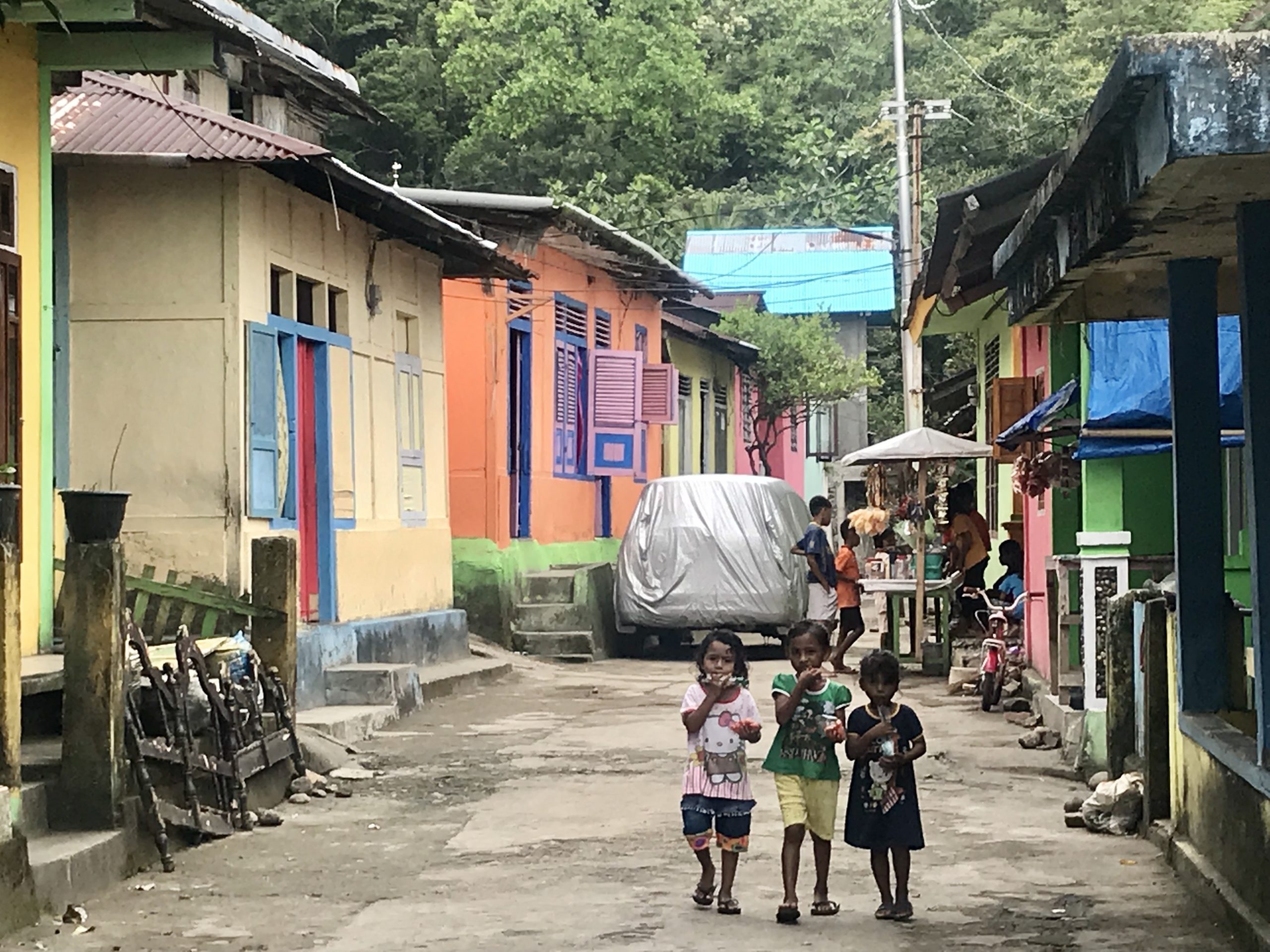
We started the visit with a walk through the picturesque village of Larike where we were greeted by curious children and locals (I must admit, we may have looked strange with our snorkelling equipment and cameras!). At the far end of the village we reached the stunning tropical and tree-lined Lady river (or Weidu Rupae as it is known locally). Hafes pointed to an area on the other side of the river that had large boulders ‘this is where the eels live’. We waded across the shallow middle of the river and as soon as we got close to the boulders, around twenty eels came out of their holes and started to swim around our ankles. It was time to get our snorkel masks on! The water was pristine and cool, a contrast to the warm Indonesian day.
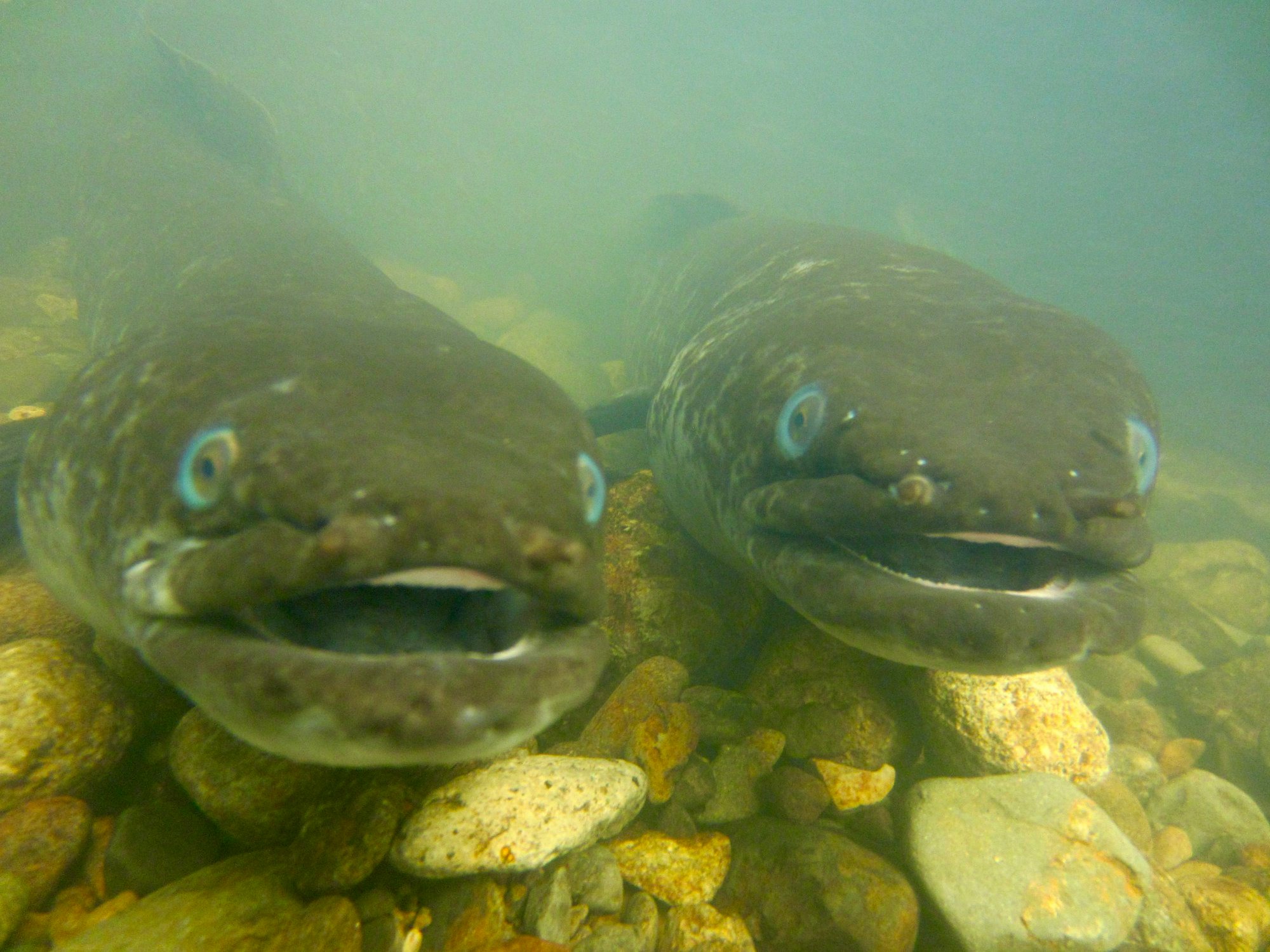
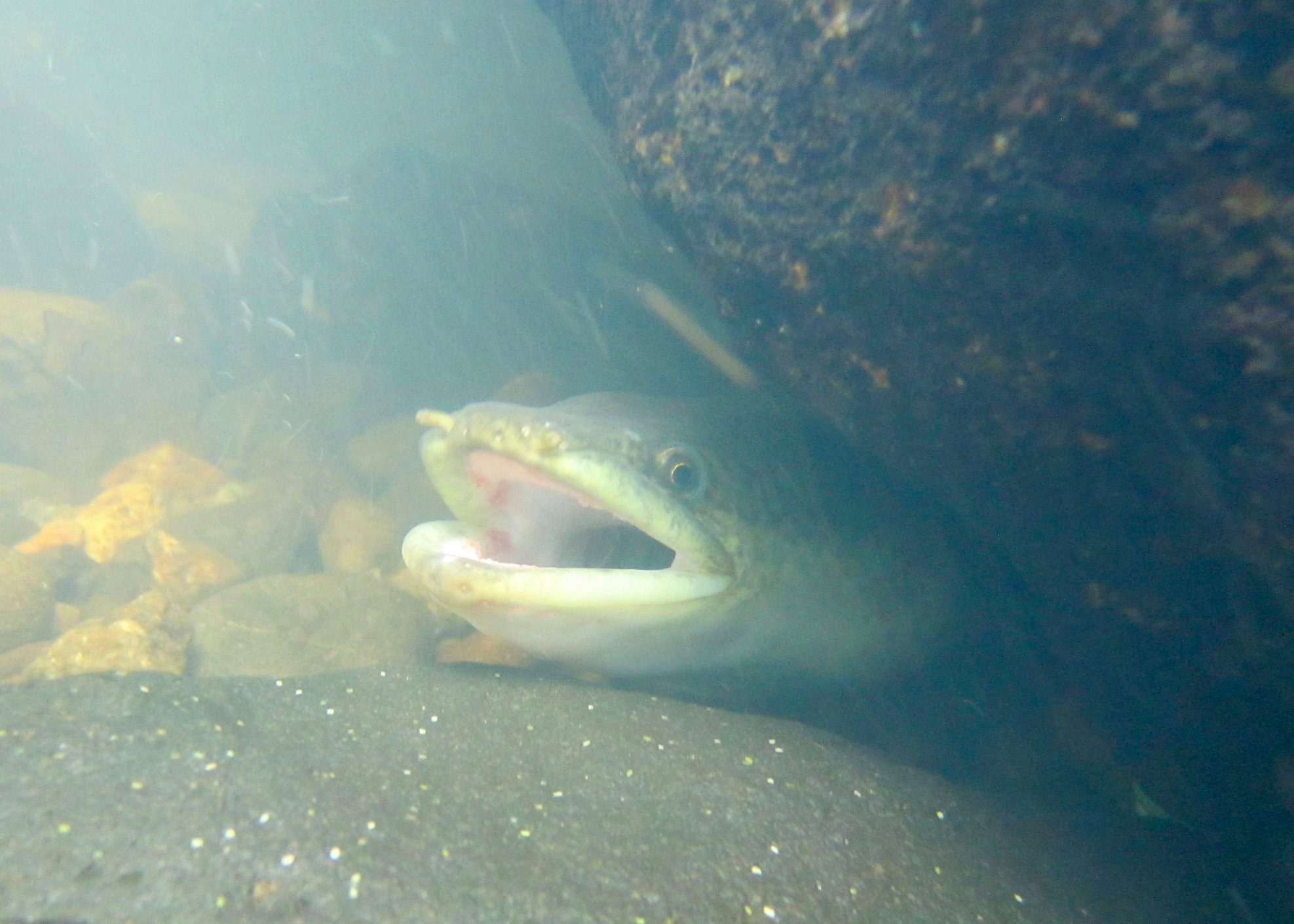
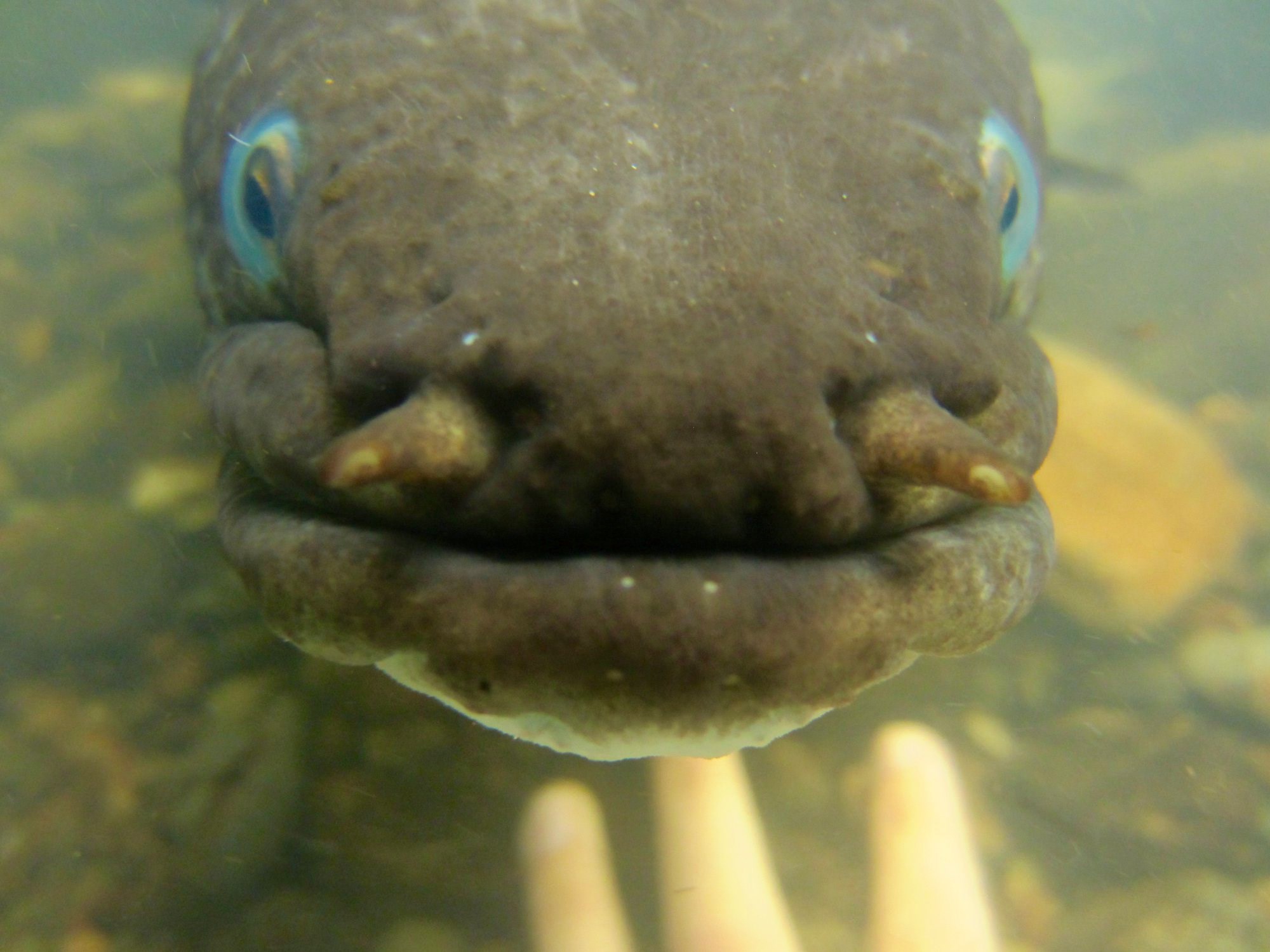
And what a treat the river had in store – as soon as I put my head underwater I had a window to a world that I would’ve never appreciated from the river bank. The water was clear and the river bed a beautiful mix of multiple shades of beige cobbles. Amazingly, the eels were not backwards in coming forwards (as my Mum would say); they were very inquisitive and in groups of two or three inched closer and closer to ‘bop’ my mask and underwater camera. This was especially true of the largest eel (named Bruce by the villagers). Bruce and the gang were clearly interested in the new strange big animal in their habitat, and that interest was mutual! It was clear to see that these fish are capable of complex and inquisitive behaviours and I was blown away that this conservation underdog is outright one of the most charismatic and charming animals I’ve hung out with. It was hard to top such a great experience, but Hafes tried – afterwards he took us to a shop in the village which sold real chocolate!
So has eel eco-tourism got legs? I’m clearly biased but in my opinion yes! If you like fish, water and exploring beautiful places, then hanging out underwater with eels should be on your bucket list. But it must be done in a sustainable way like in Larike village where eels are in pristine natural habitat and free to come and go as they please, and where villagers benefit from tourism. Quite honestly, I’m convinced that if everyone had the chance to engage with eels on their terms like I did in Larike, everyone would become an anguillid advocate like Hafes and I.
Lady riverIn the river with eelsSinging eelBruceLrike village
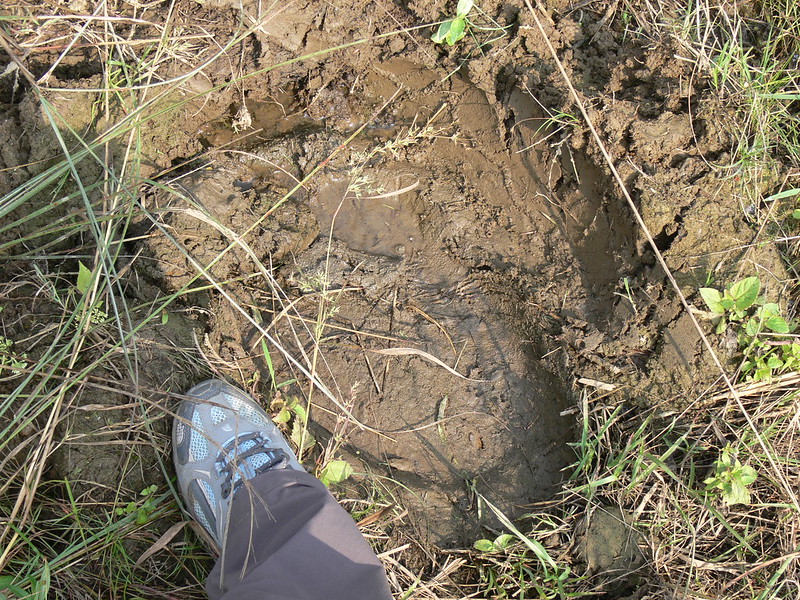
Killifish are a group of unusually small and colourful fish that have evolved particularly robust egg casings. These casings prevent the embryos from drying out and some species survive for months, even years in dry mud. This has allowed killifish to colonise and survive in the smallest temporary pools, even in an elephant’s footprint. The sudden appearance of fish in fresh puddles has given rise to the phrase ‘It rains fishes’.
Because the pools may only be wet for a short time, some species can grow and mature extremely rapidly. The turquoise killifish (Nothobranchius furzeri) is capable of completing its lifecycle within 14 days of hatching. This remarkable factor has led to the species being used in research on ageing.
From a conservation point of view, it is easy to see that temporary water bodies can be particularly vulnerable to human disturbance and many species are under threat. Aquarists have collected and kept killifish for many years and pay particular attention to keeping records of where they were originally collected. By doing this and exchanging eggs between themselves they help ensure their survival in case of habitat destruction. The British Killifish Association (https://killis.org.uk/wp/) is one such group of aquarists who are hoping to co-ordinate their conservation efforts within Shoal.
Some may well ask how it is possible to keep wild fish and support conservation. It’s a fair question and one that deserves an answer. Many of the currently described killifish species are only known to science because of aquarists, who have travelled out to remote locations to collect them. Without knowing that a species exists it is not possible to conserve it and aquarists have contributed extensively to the scientific knowledge about these beautiful fish. They often return to those same areas in subsequent years to monitor how the habitats are coping. Aquarists also support many individual conservation projects in particular areas.
As we now know the effectiveness of such small projects can be limited, but collectively we can still make a difference. So, we are looking to increase awareness of conservation within the fishkeeping hobby to make it more sustainable and help ensure the survival of many of the over 1,000 killifish species in existence. Conservation and restoration of habitats is crucial, but where this isn’t immediately possible Killifish Associations hope that they can at least preserve captive populations so that future re-stocking is at least possible. Co-ordinating that effort with scientists, conservation organisations and public aquaria can help raise the profile of these small fish species.
Killifish are little gems found across much of Africa, The Americas and even southern Europe and Asia. They are deserving of our protection, as much as land animals.
To get an idea of how colourful they are, why not visit these two excellent sites:
https://www.itrainsfishes.net/content and https://www.itrainsfishes.net/content/. Run by people who collect, document and even describe new species. It’s a fascinating world, and another astonishing part of the Shoal.
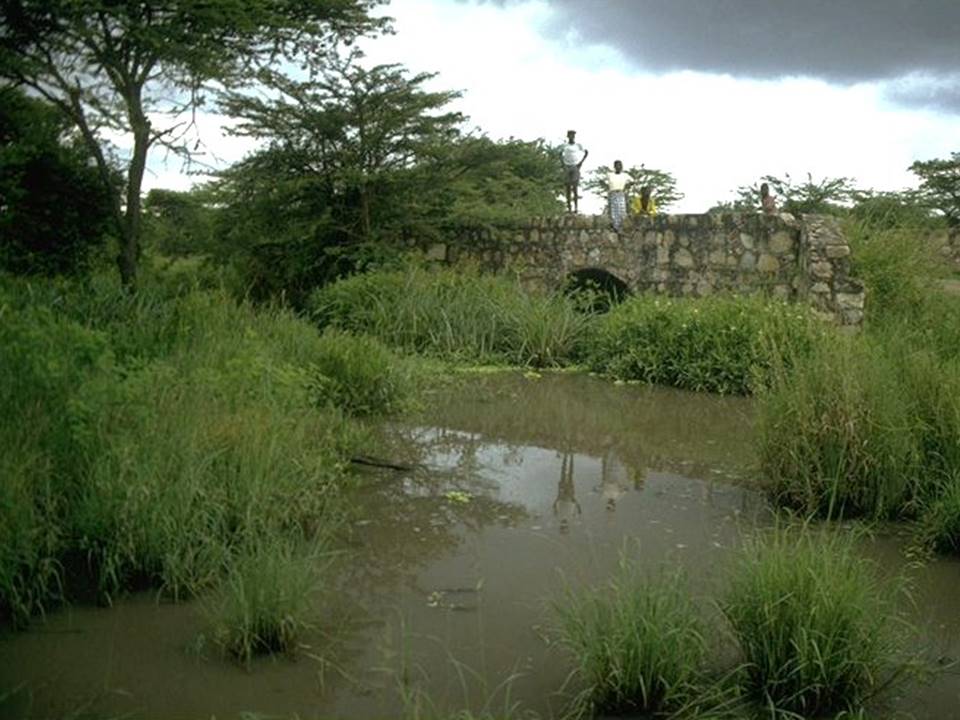
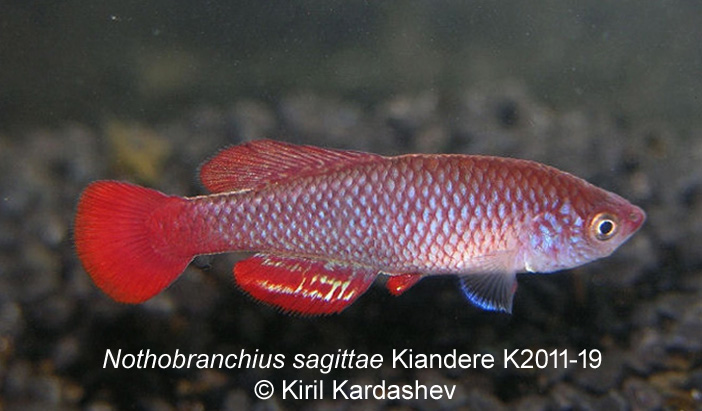
In 1993 enthusiasts from the British and American Killifish Associations ventured into a muddy pool in Tanzania to see whether any new species may be lurking under the thick grass. They found an undescribed Nothobranchius species’.‘Twenty one years after entering the hobby the beautiful fish is finally named, after study by ‘citizen scientists’, as Nothobranchius sagittae. Finally recognised by the scientific world as a species it is evaluated by the IUCN in 2016 as endangered.
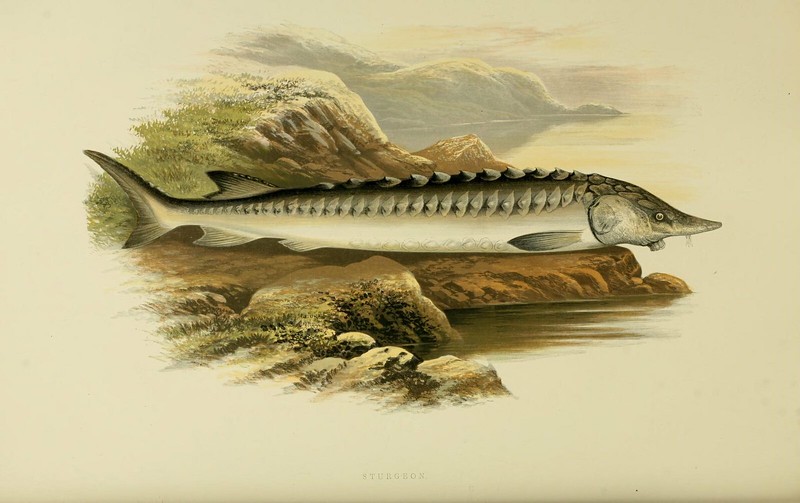
In 2017 I was fortunate enough to intern on a project that focused on protecting six critically endangered sturgeon species that have their last refuge in the Rioni River in Georgia, which unlike the Danube and Garonne rivers, had no sturgeon conservation programme.
Following drastic habitat loss, recent surveys show that the Rioni supports the world’s only population of Colchic sturgeon (Acipenser [persicus] colchicus), and some of the last populations of five other species. All species are Endangered or Critically Endangered, and populations are rapidly decreasing (>50% per generation) due to fishing, illegal trade and reduced spawning habitat with just 16% of the historic spawning area remaining!
The internship opportunity, and hosting in Georgia, was kindly supported by Fauna and Flora International (FFI) a leading environmental organisation that focuses on protecting biodiversity across the globe whilst supporting local, sustainable livelihoods. Through working with the government, WWF Caucasus and a range of local stakeholders including local fishers, the project aimed to reduce the poaching and illegal trade in sturgeon products on local markets and to address the further loss of spawning habitat.
This project was one of personal interest, as someone who grew up the coast and had a small fish tank as a child, I have always wanted to work in conservation with fish; in particular working out effective ways, at a local level to help protect species and their habitats. With relatively limited exposure to the UK, Georgia is a country that is as mysterious as it is stunning, with the opportunity to work abroad and learn a new culture making it such an attractive opportunity.
Prior to heading out to Georgia, I spent several weeks spent in FFI’s Cambridge office working out river access points. As maps and information on the Rioni River were sparse, it was important to work out a lot of the detail prior to departure so as to best utilise my time in the field. The nature of Georgia’s turbulent recent past meant that information was either hard to come by or extremely disjointed. One of the key aims of this internship was to fill in some of the knowledge gaps and help develop the foundations to further monitoring activities.
Upon touching down we headed west to the mouth of the Rioni River, at a city called Poti on the eastern shore of the Black Sea and next to the Kolkheti National Park. Over the next few weeks we visited sites along the river and interviewed local fishermen where possible. In keeping with findings from across the world’s river basins, local fishermen had noticed a dramatic decline in the abundance and size of large fish species. What was also notable was that the older the fishermen that was interviewed the greater the loss appeared, particularly the plight of local sturgeon populations. Few of the fishermen below 50 had even seen a sturgeon being caught from the river and sadly many of the fishermen stated that poaching was still a serious problem.
The time spent in Georgia helped to develop a working knowledge and local network base for the area which has contributed to the conservation of sturgeon, in particular in combatting poaching and illegal trade. Most importantly, the work that I was fortunate enough to be a part of led to the first baseline study for sturgeon being conducted. Until recently, very little was known about the status of this particular sturgeon population compared to those in the Danube and Garonne rivers, with there was uncertainty about whether these fish were even still reproducing in the Rioni at all.
I can excitedly tell you that the results from all the hard work FFI is doing is showing that juvenile sturgeon have been found, indicating that sturgeon are still spawning in the Rioni. This is fantastic news and highlights the resilience of ecosystems under extreme pressure but also serves as a warning. Sturgeon, one of the largest fish species on the planet, an animal that has existed for millions of years is surviving…. but barely.
I would urge anyone who reads this to support Shoal, FFI, and WWF with their freshwater conservation projects. Iconic and lesser known species are in decline across the globe and every effort must be made to ensure that these majestic fish can continue to spawn and in turn inspire the next generation.
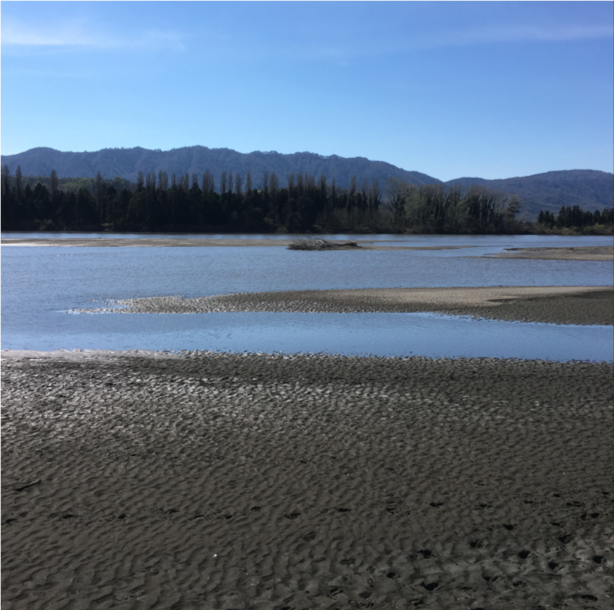
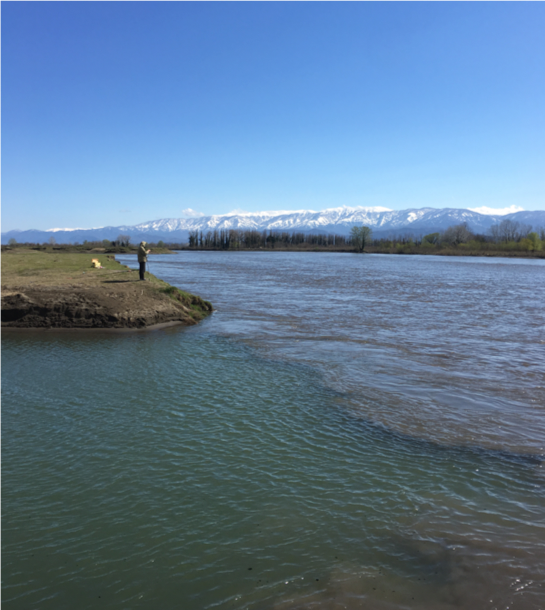
The Rioni River, Georgia (c) Matt SpencerThe FFI team conducting surveys on the Rioni River, one of the last locations in Europe where sturgeon continue to spawn. (c) Matt Spencer


)
)
)