
)
)
)

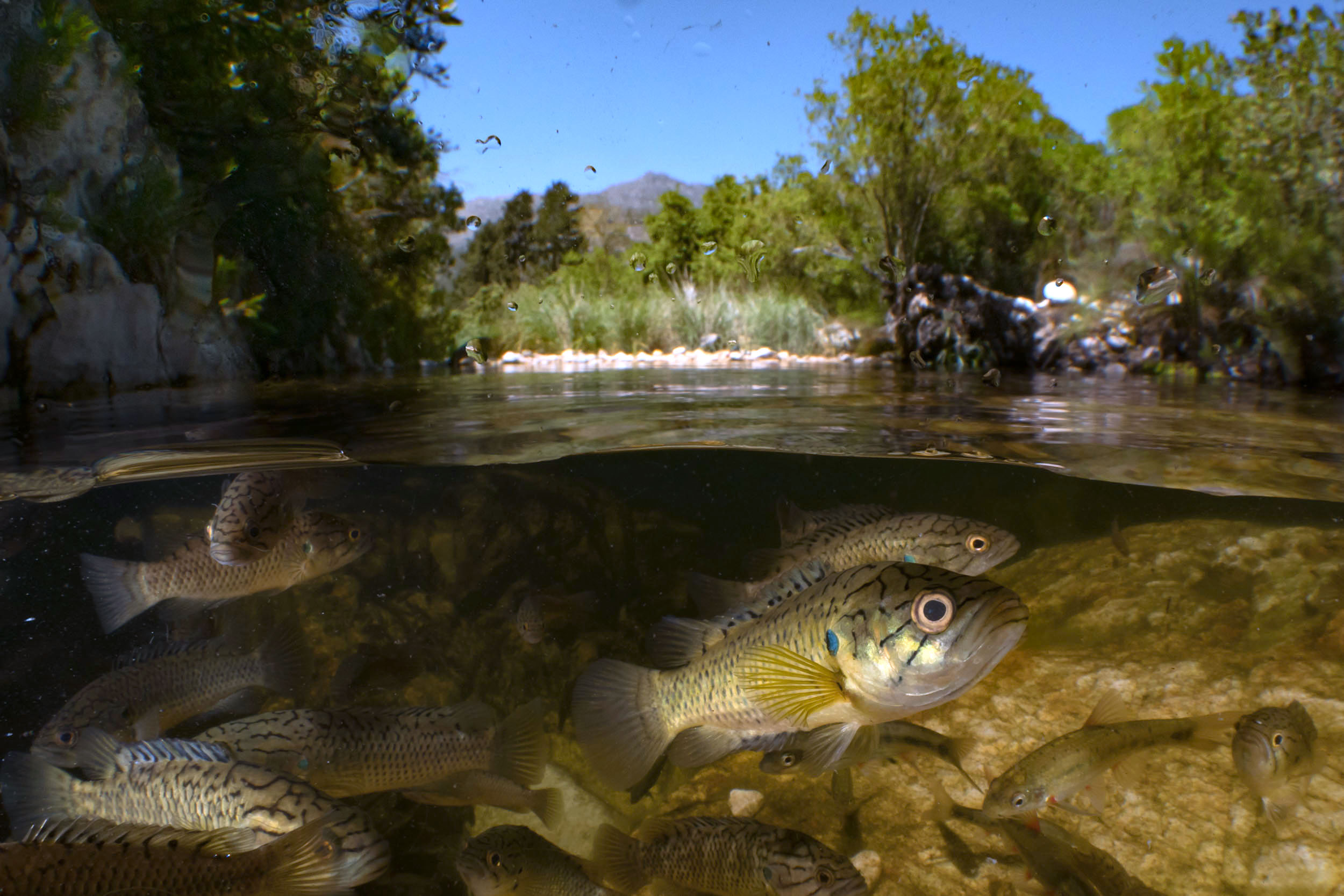
Thousands of freshwater fish species are threatened with extinction. For some of them, conservation measures in the wild alone are insufficient to prevent extinction, and ex situ conservation efforts can therefore play an important role in safeguarding their futures. These efforts require careful assessment, planning, and collaboration.
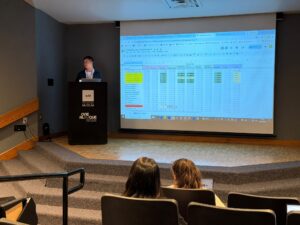
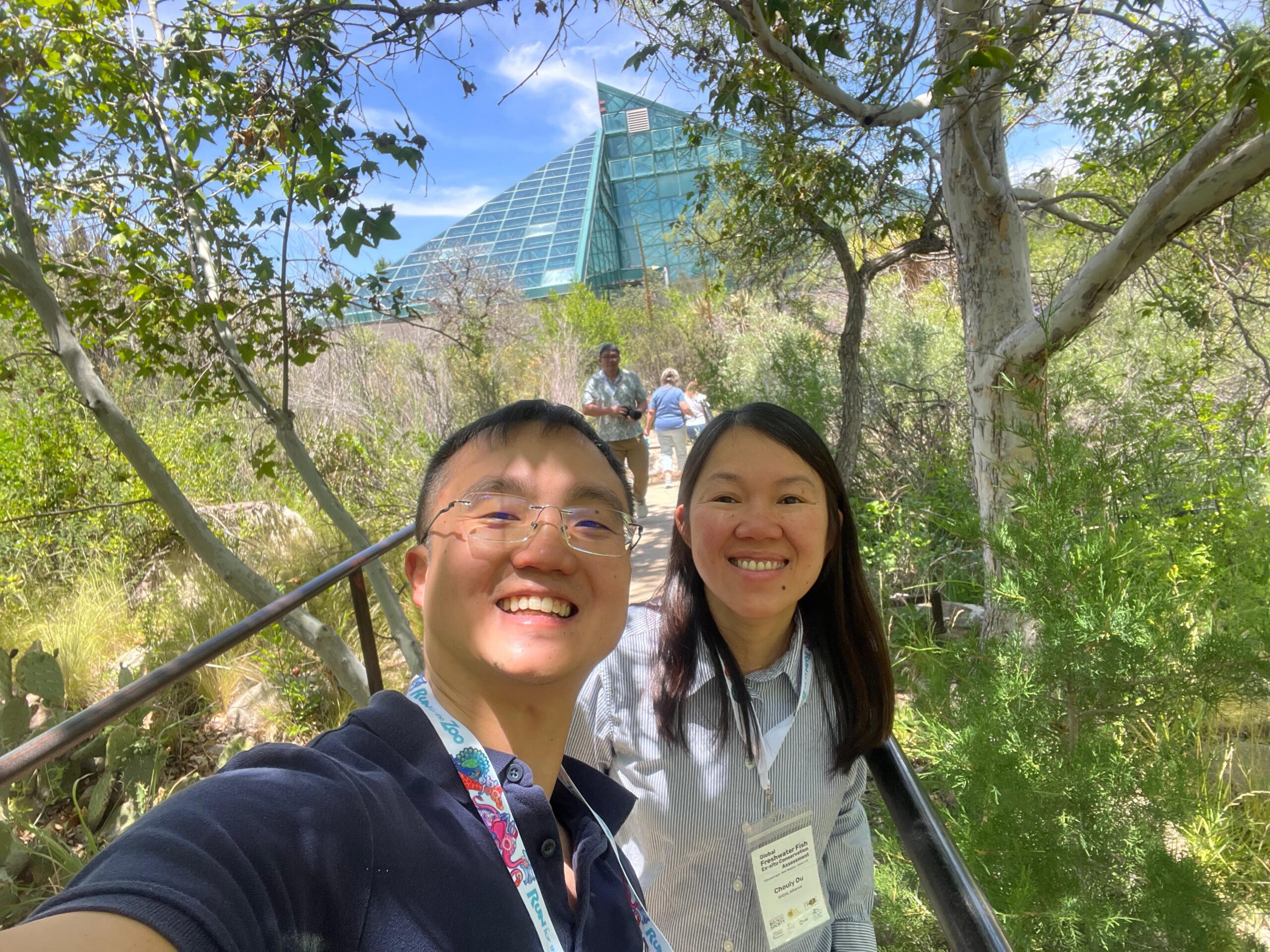
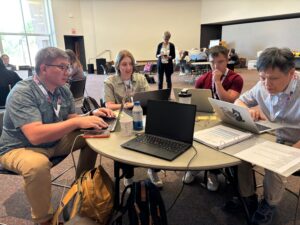
Earlier this June 2026, more than 30 freshwater fish conservationists, aquarium and zoo professionals, researchers, and taxonomists from around the world gathered at the Albuquerque BioPark in New Mexico, USA for the first Global Freshwater Fish Ex Situ Conservation Assessment (ECA) Workshop. The workshop was hosted by the IUCN SSC Center for Species Survival New Mexico (New Mexico BioPark Society), organised in partnership with the IUCN SSC Conservation Planning Specialist Group (CPSG), SHOAL, Re:wild, and the IUCN SSC Freshwater Fish Specialist Group (FFSG), and financially supported by the SeaWorld Conservation Fund. It marked a major milestone in efforts to strategically harness ex situ interventions to prevent freshwater fish extinctions. This is also the first event at which members of the SHOAL Alliance of Zoos and Aquaria have come together in person to participate in and contribute to global freshwater fish conservation planning, and represents a real landmark in the alliance’s continued growth and impact.
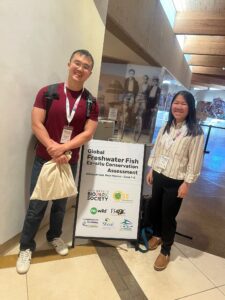
The workshop was the single largest assessment workshop of its kind ever conducted, and provided a valuable opportunity to evaluate ex situ conservation needs for more than 300 freshwater fish. Using the IUCN CPSG’s Ex Situ Conservation Assessment (ECA) process, participants systematically assessed how ex situ conservation could contribute to the long-term survival and recovery of these species.
Over five intensive days, participants worked in facilitated groups to assess the potential ex situ roles of each species: Ark, Rescue, and Insurance populations, Reintroduction programmes, Demographic and Genetic Reinforcement, Assisted Migration, Ecological Replacement, and Research, Training, and Education (take a look below for the definitions of these terms). Participants reviewed species information, evaluated threats, and assessed the feasibility of appropriate ex situ conservation roles for each species, then provided recommendations for each role using benefit, feasibility, and risk scores informed by their existing knowledge and expertise. These recommendations will help guide future ex situ conservation actions and planning.
One of the workshop’s achievements was bringing together a diverse group of experts and stakeholders who rarely have the opportunity to interact and collaborate within the same room. The workshop provided a unique platform for knowledge exchange, enabling participants to share expertise in taxonomy, conservation breeding, husbandry, field conservation, population management, and the socio-political dimensions of species conservation. Through the assessment of more than 300 priority freshwater fish species using a structured conservation planning framework, participants identified species that could benefit from ex situ conservation interventions, highlighted critical knowledge gaps and research priorities, and developed recommendations to inform future conservation planning and population management.
Importantly, the workshop reinforced that successful species recovery requires integrated approaches that link ex situ conservation measures with in situ conservation efforts, such as habitat restoration, threat reduction, community engagement, policy support, and long-term monitoring in the wild. Furthermore, it fostered a growing connection and communication between zoological facility experts and private aquarium hobbyists for co-beneficial collaboration.
While the workshop marked a significant milestone, participants emphasised that the real work had only just begun. The results and recommendations from this assessment will be synthesised into actionable conservation plans that help guide future strategies, investments, and institutional priorities. Moving forward, efforts will focus on prioritising species requiring urgent intervention, developing coordinated ex situ and integrated conservation strategies, expanding participation through the SHOAL Alliance of Zoos and Aquaria, strengthening technical capacity and husbandry expertise, securing resources for implementation, and fostering stronger connections between ex situ and in situ conservation efforts.
Michael Chase, conservation policy and strategy specialist at New Mexico BioPark Society, and member of the workshop organising team, said of the event, “While this is the first step of many in expanding ex situ conservation efforts for freshwater fish species in need of it, we are proud of the work accomplished at the workshop and the momentum it is building. We’re excited to continue to move this work forward with the IUCN Species Survival Commission, SHOAL, all the partners represented at the workshop, and all those we are looking to bring in along the way.”
TERMINOLOGY:
Ark Population
Maintain a long-term ex situ population after extinction of all known wild populations (i.e., a species that is Extinct in the Wild) and as a preparation for reintroduction or assisted colonisation if and when feasible.
Population Rescue (temporary or long term)
Establish an ex situ population for a species that is in imminent danger of extinction (locally or globally) and requires ex situ management, as part of an integrated program, to ensure its survival. The species may be in imminent danger because the threats cannot or will not be reversed in time to prevent likely population or species extinction, or the threats have no current remedy. The rescue may need to be long term or can be temporary (e.g., to protect the population from catastrophes or predicted imminent threats that are limited in time, such as extreme weather, disease or toxic spill). Population Rescue should be beneficial at the population level. This role is not meant to apply to the periodic rescue of injured or confiscated individuals for reasons of individual welfare when this does not significantly contribute to population survival.
Insurance Population
Maintain a long-term viable ex situ population of the species to prevent predicted local, regional or global species extinction and preserve options for future conservation strategies. These are typically species that are threatened and/or declining and for which it is unsure whether in situ threat mitigation will have sufficient effect in a sufficient timeframe to prevent the extinction of the species or to prevent a dramatic decline in the numbers, populations and/or genetic diversity of the species. An ex situ population may be desired as an insurance population from which individuals can be taken for genetic and/or demographic reinforcement or other conservation translocations as required, but these are not yet actively planned for the foreseeable future.
Population Restoration: Reintroduction
Serve as a source of individuals for population restoration to reestablish the species to part of its former range from which it has been extirpated. In some cases, ex situ management also may support reintroductions that use another wild population as the source (wild-to-wild translocation).
Population Restoration: Demographic Reinforcement
Serve as a source of individuals for population restoration to supplement an existing population for demographic purposes or use ex situ management during wild-to-wild translocations. This can include:
- Demographic augmentation to increase the wild population size; and/or
- Demographic manipulation to improve a demographic rate (survival or reproduction) or demographic imbalance (e.g., skewed sex ratio) in the wild, often of a particular age, sex, or life stage. For example, head-start programmes that remove individuals from the wild to reduce high mortality during a specific life stage and then subsequently return them to the wild.
Population Restoration: Genetic Reinforcement
Serve as a source of individuals for population restoration to supplement an existing population for genetic purposes or use ex situ management during wild-to-wild translocations. This can include:
- Genetic augmentation to increase overall genetic diversity in the wild population, and/or
- Genetic manipulation to restore or promote specific genetic trait(s) that improve viability or the ability to withstand threats.
Conservation Introduction: Assisted Migration
Introduce the species outside of its indigenous range when the natural range is insufficient to avoid extinction of populations of the species. Can either use the ex situ population as the source or use ex situ management in wild-to-wild translocation.
Conservation Introduction: Ecological Replacement
Introduce the species outside of its indigenous range to reestablish a lost ecological function and/or modify habitats. This may involve species that are not themselves threatened but that contribute to the conservation of other taxa through their ecological role. Can either use the ex situ population as the source or use ex situ management in wild-to-wild translocation.
Conservation-based Research
Use an ex situ population for research that will directly benefit conservation of the species, or a similar species, in the wild (e.g., develop monitoring methods such as telemetry transmitters and genetic sampling; address data gaps in disease transmission or treatment). The research must address specific questions essential for success of the overall conservation strategy for the species. This can include non-threatened species serving as a model for threatened species or establishing ex situ populations of a threatened species to gain important species-specific husbandry and breeding expertise that is likely to be needed in the future to conserve the species.
Conservation-based Training
Use an ex situ population for training people that will directly benefit conservation of the species, or a similar species, in the wild (e.g., train field biologists or wildlife managers in restraint, handling and/or health assessment). Training must address expertise essential for success of the overall conservation strategy for the species. This can include non-threatened species serving as a model for threatened species.
Targeted Conservation Education
Forms the basis for an education and awareness programme that addresses specific threats or constraints to the conservation of the species or its habitat. Education should address specific human behavioral changes that are essential for the success, and an integral part of, the overall conservation strategy for the species. This primarily involves ex situ locations visited by the intended human audience. This can include using non-threatened species as a model to promote behavior change that benefits a threatened species.
Role descriptions based on information from the IUCN SSC Guidelines on the Use of Ex situ Management for Species Conservation, IUCN SSC Guidelines for Reintroduction and Other Conservation Translocations, and Appendix I of the Amphibian Ark Conservation Needs Assessment Process.