

)
)
)


A Hidden Haven Under Threat:
Protecting Tanzania’s extraordinary killifish and the communities who hold the key to their future
GUEST POST: DAVID ALILA, UNIVERSITY OF DAR ES SALAAM
When people think of Tanzania, they usually picture the Serengeti, Mount Kilimanjaro or the beaches of Zanzibar. Few realise that, just outside the bustling city of Dar es Salaam, lies one of the world’s least-known freshwater biodiversity hotspots.
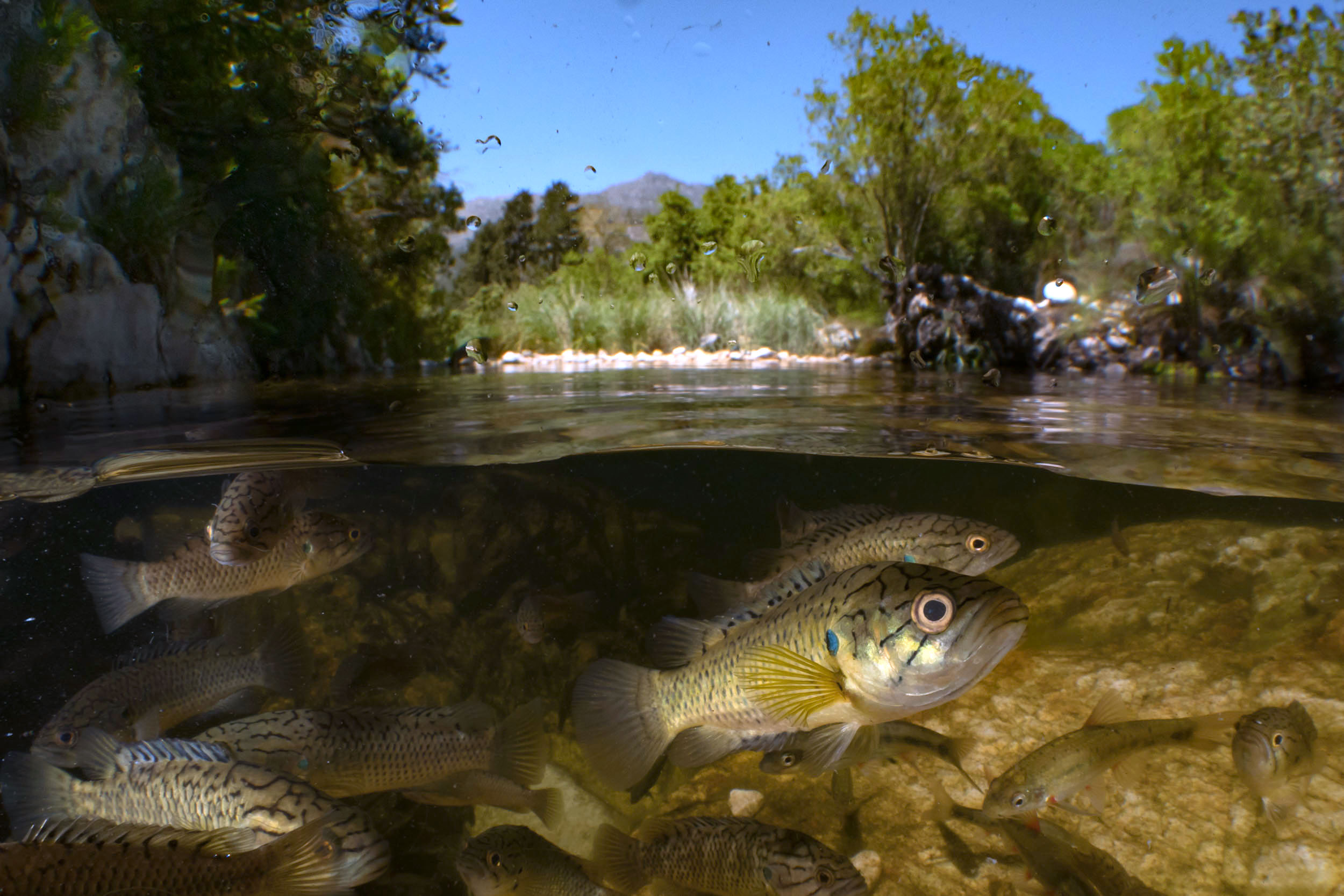
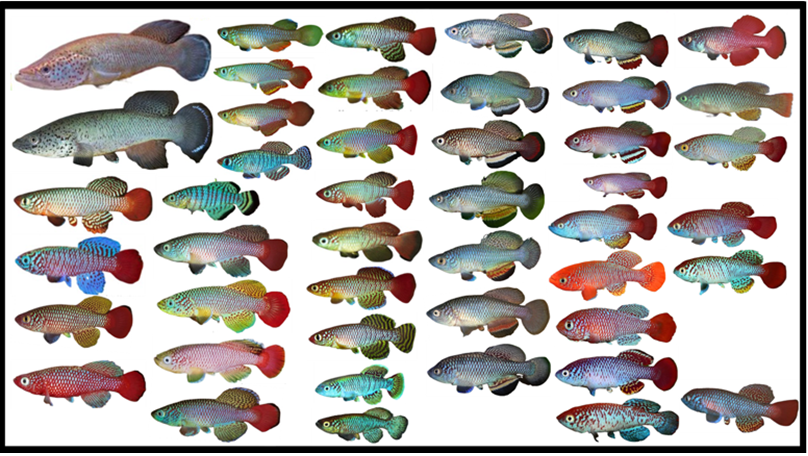
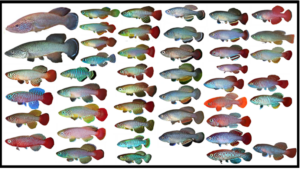
The Mbezi River Basin is home to eight extraordinary species of annual killifish found nowhere else on Earth. These brilliantly coloured fish have evolved one of nature’s most remarkable survival strategies. As seasonal pools dry up, the adult fish die, leaving eggs buried in the mud. These eggs survive the long dry season and hatch when the rains return.
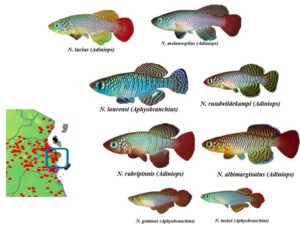
It is a remarkable adaptation, but one now under threat. The wetlands these fish depend on are disappearing rapidly because of agricultural expansion, water extraction, urban development, pollution and climate change. Yet during our recent project, supported through funding from The Rufford Foundation and SHOAL, we discovered that habitat loss is only part of the story.
Perhaps the greatest threat is that these remarkable fish are almost completely unknown even to the people living beside them.
Discovering a hidden treasure
For years, conservation in Tanzania has focused on iconic wildlife such as elephants, lions and rhinos. Meanwhile, many smaller freshwater species have quietly slipped towards extinction.
The Mbezi River Basin is one of the world’s most important centres of annual killifish diversity, yet few people outside the scientific community have heard of it.
Rather than beginning with fences or regulations, our project began with conversations. We worked with communities, schools and local leaders in the villages of Misufini and Kiparang’anda, sharing the story of these extraordinary fish and the seasonal wetlands they depend on.
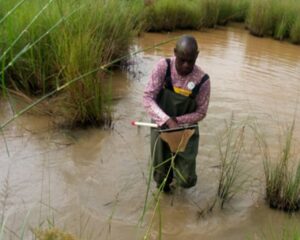
The biggest discovery was not biological, it was social.
Most participants had never heard of annual killifish. Few knew that these species are globally threatened or that the Mbezi River Basin is internationally important for freshwater biodiversity. Even some local government officials responsible for environmental management were unfamiliar with the ecological importance of these wetlands.
At first this knowledge gap seemed discouraging. Instead, it became one of our greatest reasons for hope. People cannot protect what they have never been given the chance to know.
Once community members understood the uniqueness of their wetlands, attitudes changed quickly. Village leaders, farmers, women and young people enthusiastically joined discussions, sharing observations about disappearing wetlands, changing rainfall patterns and increasing pressure on natural resources.
Most importantly, many expressed a genuine willingness to help protect these habitats in the future.
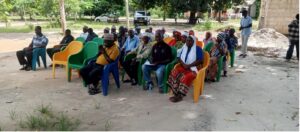
Schools are planting the seeds of conservation
Some of the most inspiring moments came from local schools. Students were amazed to discover that globally unique fish lived in wetlands near their homes. Their curiosity was infectious, with questions about how the fish survive, why wetlands matter and what they could do to help. Teachers also expressed strong interest in incorporating local biodiversity into environmental education.
These sessions showed that schools can become powerful centres for conservation. By inspiring young people today, we are helping to build the next generation of environmental stewards.

More than protecting fish
One lesson became clear throughout the project: conservation is ultimately about people.
Scientific research is essential, but lasting conservation depends on informed and engaged communities. Our experience showed that local people are not barriers to conservation; they are its greatest allies. Once they understood the global importance of their wetlands, they wanted to become part of the solution.
This change in awareness may become the project’s most important legacy.
The programme also laid important foundations for the future. It strengthened relationships between scientists, communities and schools, identified major knowledge gaps, and demonstrated that community education can play a central role in protecting freshwater biodiversity.
A small beginning with enormous potential
Our community awareness programme was a small but crucial first step. We reached two villages and two schools, a tiny fraction of the 121 villages in the wider region. The demand for more outreach is overwhelming, but financial constraints have limited our reach.
Future support will allow us to expand awareness programmes, establish school conservation clubs, engage government agencies, develop a Conservation Action Plan and strengthen community participation in wetland protection.
The lessons learned in Mbezi also extend far beyond this basin. Tanzania is home to 47 of the world’s 94 recognised annual killifish species, many facing similar threats. The approach developed here could become a model for protecting freshwater biodiversity across the country.
A message of hope
Conservation stories often focus on what has been lost. This one is different.
Yes, the wetlands of the Mbezi River Basin remain under pressure. Yes, these extraordinary fish are among the world’s most threatened freshwater species.
But our project showed something equally important: people care.
When communities understand the value of their natural heritage, they want to protect it. When young people discover that globally unique wildlife lives in their own backyard, they become proud ambassadors for conservation. And when scientists, communities and conservation organisations work together, lasting change becomes possible.
The hidden hotspot of the Mbezi River Basin may still be unfamiliar to much of the world, but the foundations for its protection have now been laid.
With continued partnership and support, these tiny fish, and the seasonal wetlands that sustain them, can become a powerful example of how community-led conservation can safeguard some of the planet’s most overlooked freshwater treasures.
Next steps
Our awareness programme was a small but vital first step. We reached two villages and two schools, just a fraction of the 121 villages across the region. The demand for more outreach is overwhelming, but limited funds have held us back. Still, we’ve built something important: we’ve shown that community-based conservation works, proven that schools can become powerful hubs for environmental education, identified key gaps, and confirmed that local communities will embrace conservation when given the chance. Moving forward, we need to expand our reach to more villages, schools, and decision-makers, collaborate with national environmental agencies, develop a comprehensive Conservation Action Plan, and replicate this model across other threatened river basins in Tanzania.

)