New Blueprint for Conservation Action for 1,000 fishes by 2035

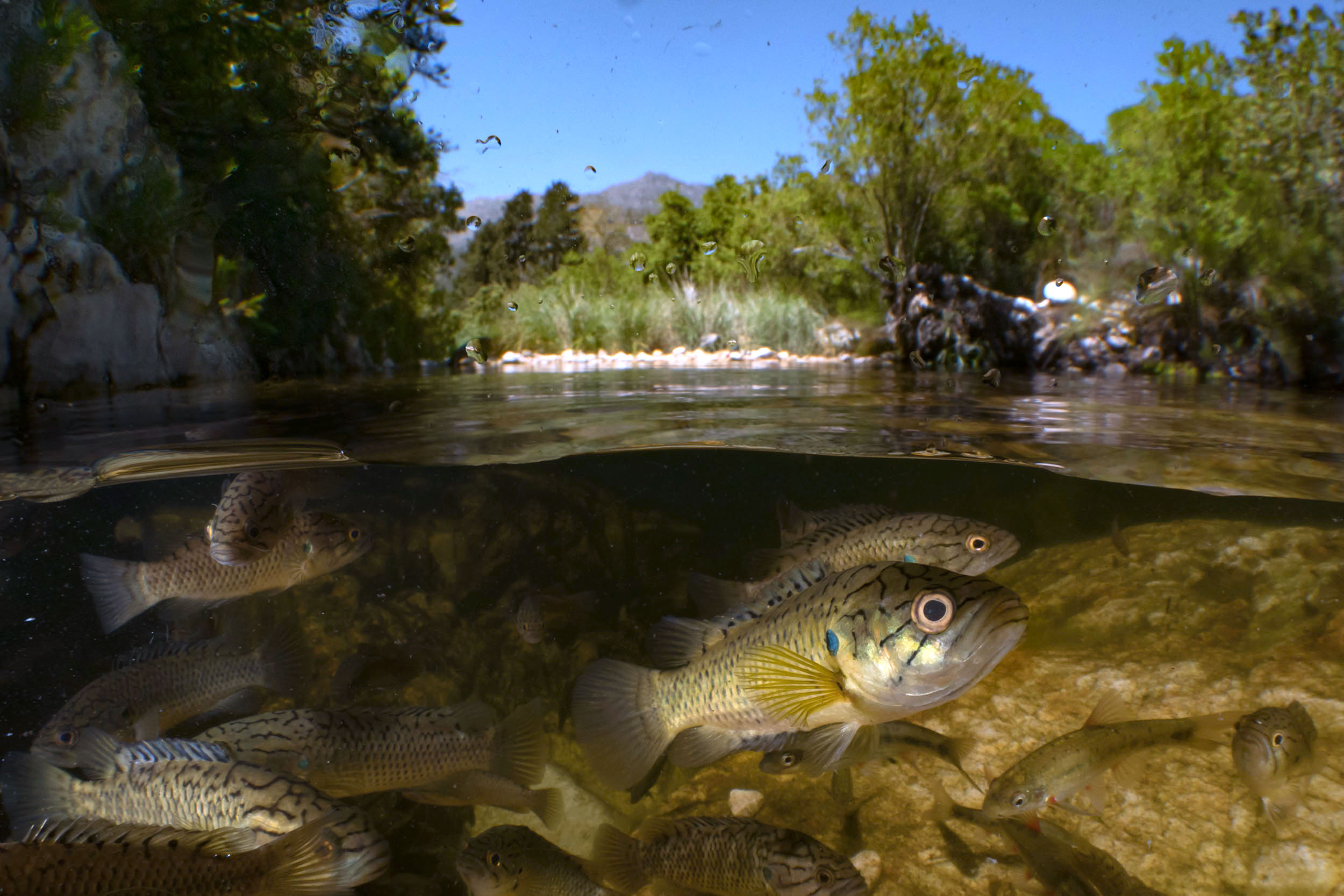
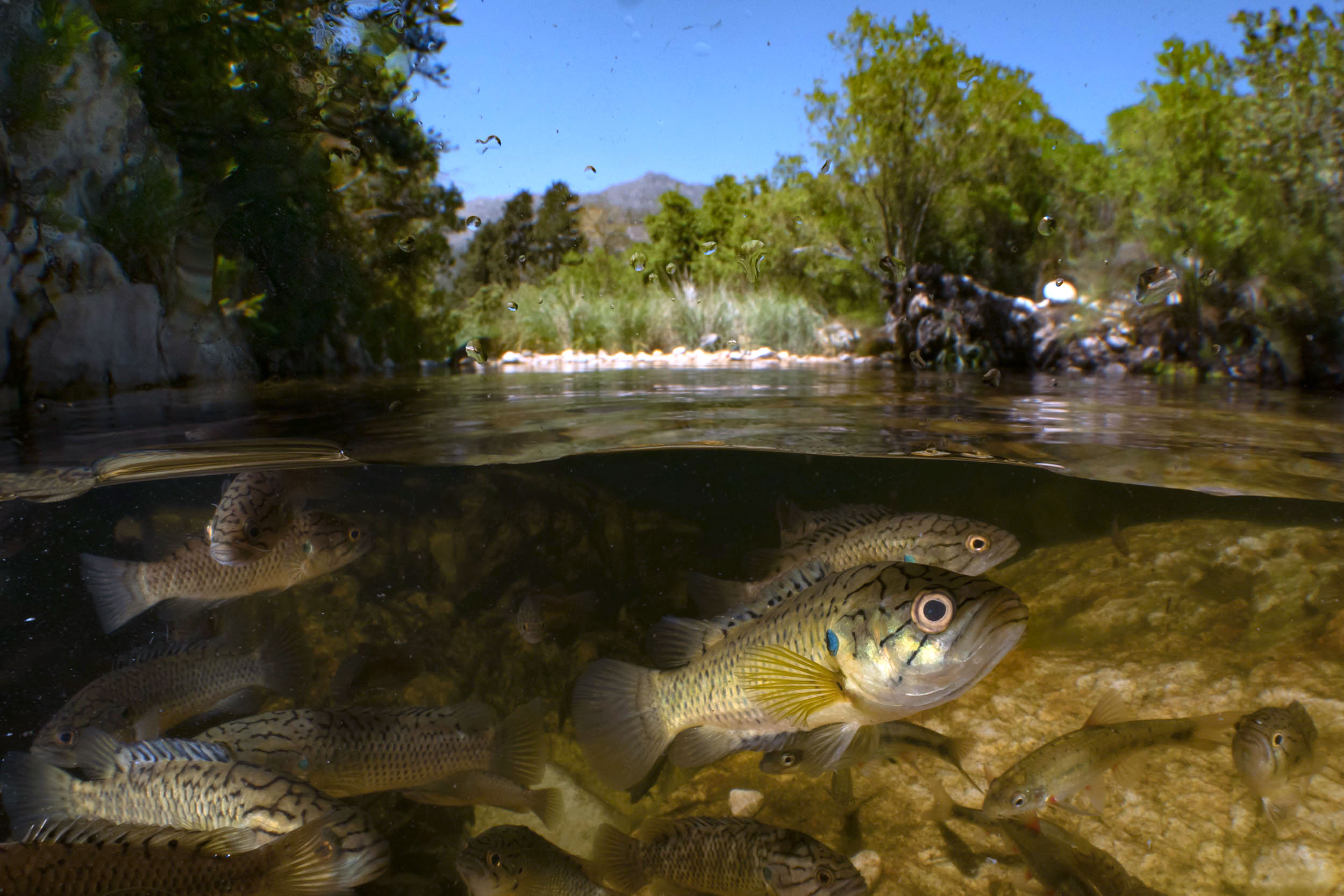
Photograph of shoal of fish underwater with water line bisecting the shot.

Cape kurper © Jeremy Shelton

SHOAL has launched an ambitious new initiative to mobilise conservation action for 1,000 of Earth’s most threatened freshwater fish species by 2035.

Conservation action for 1,000 freshwater fishes by 2035? There’s a reason for conservation optimism. Keep scrolling to learn more about one of our most ambitious campaigns to date.

In April we launched the SHOAL Blueprint for Accelerated Conservation Action for 1,000 Freshwater Fishes by 2035, an exciting and ambitious new initiative that will place at least 1,000 threatened freshwater fishes on the path to recovery by 2035.

It’s not just a plan for 1,000 fishes. It’s a plan for hundreds of critical freshwater habitats, vital to thousands of other species and communities – very often the poorest on the planet – that rely on these fish and the freshwater habitats for their everyday lives.

The Blueprint was pulled together with the expert support and guidance from SHOAL partners the IUCN SSC Freshwater Fish Specialist Group (FFSG) and IUCN Biodiversity Assessment and Knowledge Team (BAKT).

Freshwater fishes have been largely neglected in conservation planning and yet the ecosystems they inhabit are vital to the survival of the planet.  The incredible diversity of freshwater fishes in only 1% of the Earth’s surface area represents more than half of fish diversity overall.  The Blueprint is therefore an extremely welcome and important call to action to halt the loss of so many species under the threat of extinction.

Brian Zimmerman, Co-Chair, IUCN SSC Freshwater Fish Specialist Group

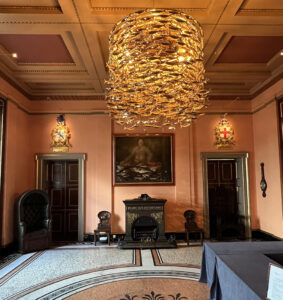
The blueprint was launched in April at an event kindly hosted by the Fishmongers’ Company at Fishmongers’ Hall in London, where SHOAL‘s executive director Mike Baltzer presented how the crucial initiative will mobilise collaborative conservation efforts for global conservation impact.
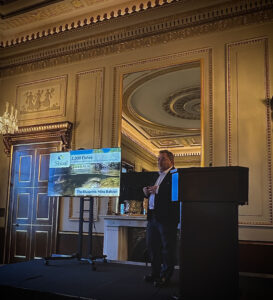
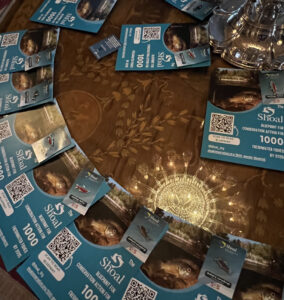
Michael Baltzer on stage talking next to a screen in a nice looking room. A table with lots of blue flyers for the SHOAL blueprint on. A nice room with a big chandelier in the middle that looks like a massive shoal of fish swimming in a circle.

The Blueprint is a fundamental framework to Phase Two of SHOAL‘s strategy, and will define the organisation’s work for the coming decade. It is wildly ambitious – perhaps the single most ambitious conservation framework in terms of species numbers ever written*!

*We’d welcome people pointing us in the direction of a more ambitious framework!

Freshwater fishes are slipping through the net of conservation and are silently sinking towards extinction. The Blueprint identifies which species need urgent attention and how to cost effectively and collaboratively implement conservation action at scale to ensure at least 1,000 species are under suitable conservation action within a decade. This is the scale of action required to save freshwater fishes and the time to act is now.

Barney Long, Senior Director of Conservation Strategies, Re:wild

This Blueprint is the level of ambition that is desperately needed to make up for the damage caused by decades of neglect in the world’s freshwaters, and to ensure they are conserved and protected long into the future. With funding and support from those able to offer it, it is very much achievable.

Hear what our partners say about working with SHOAL, and why the Blueprint is so critical 👇

The Blueprint shows the level of ambition and determination we need to turn back the tide on the freshwater biodiversity crisis, and halt extinctions and recover populations of the world’s most threatened freshwater fish. It is collaborative to its core and puts local communities at the forefront of impactful conservation action. It is urgent that we now push on and mobilise the conservation actions outlined by The Blueprint – our planet’s freshwaters depend on them.

Michael Baltzer, Executive Director, SHOAL

For freshwaters, the time for action is now.

Together – as a strong and determined shoal – we’ll show that collaborative conservation can change the trajectory for freshwater fishes and save the world’s freshwater ecosystems.
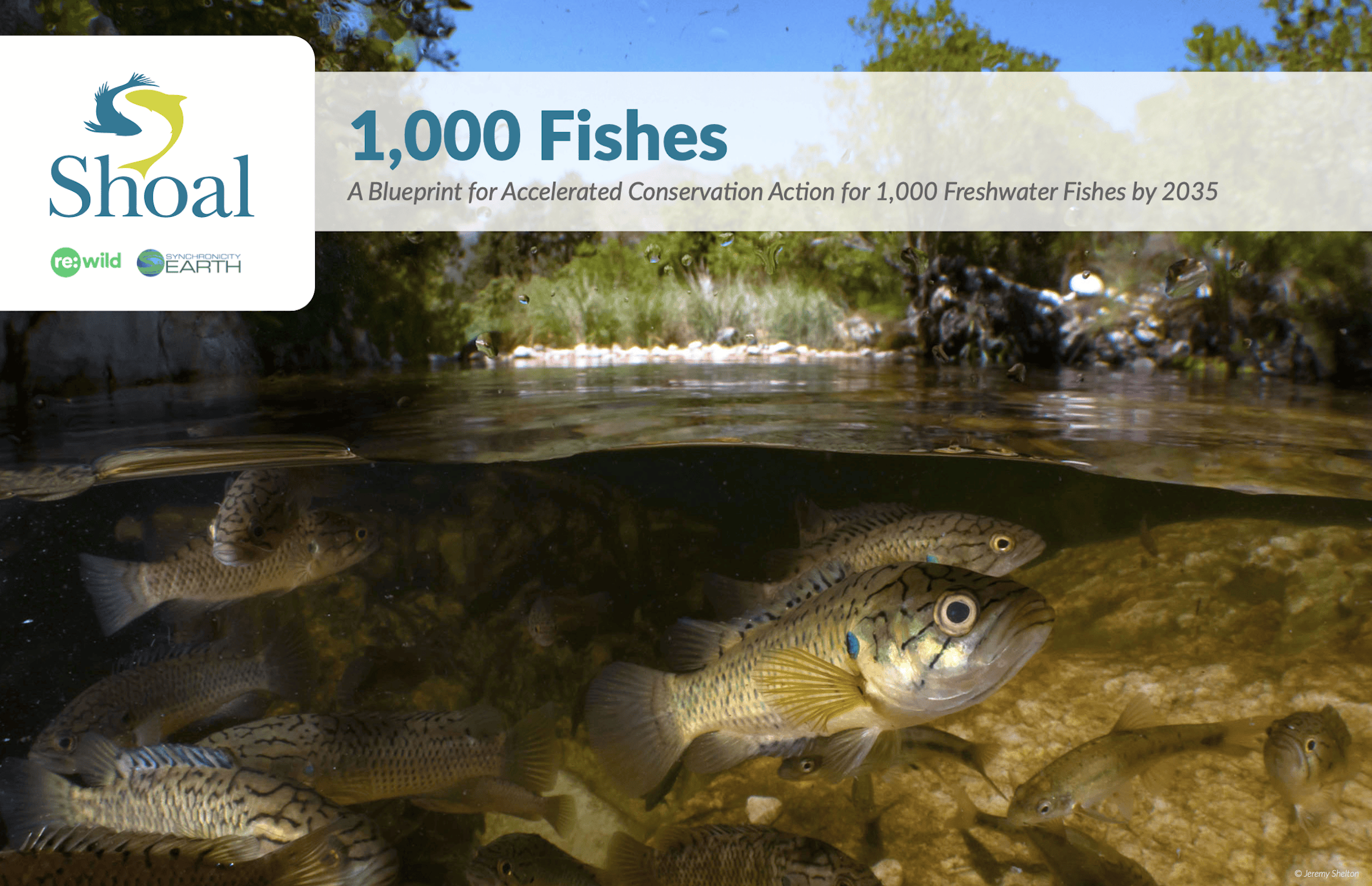

Read the blueprint here 👇

SHOAL Blueprint for 1,000 Fishes

Lost leopard barbel rediscovered

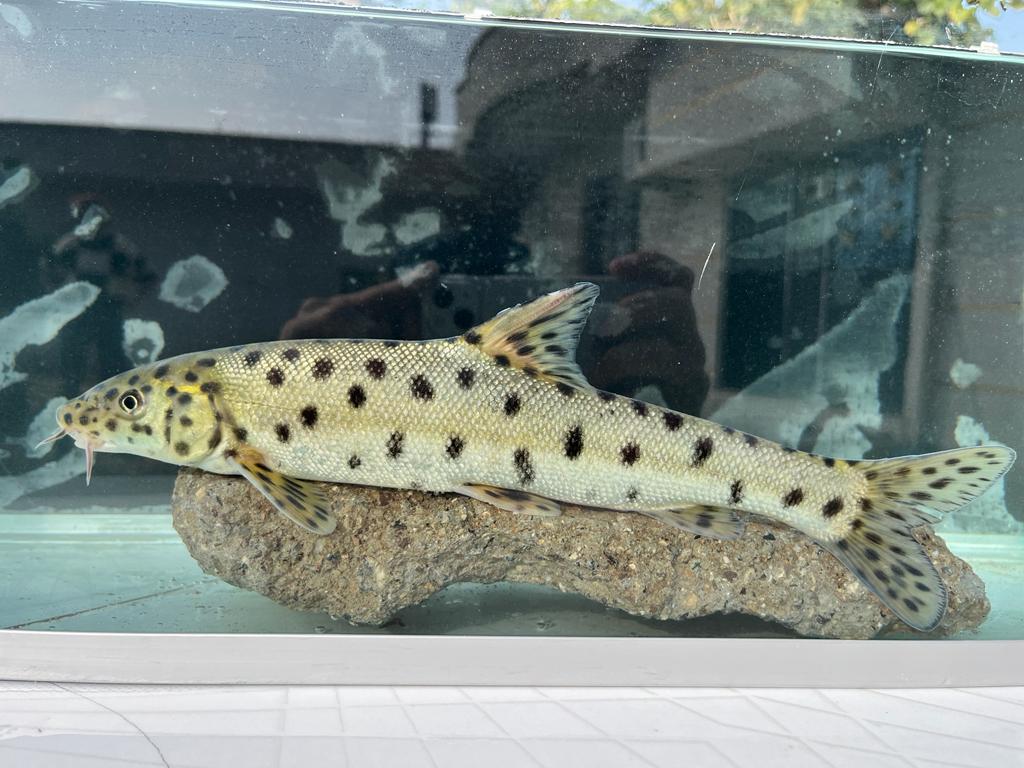
A photograph of a beige, black spotted fish.

FOUND! Rediscovery of leopard barbel in Türkiye spurs hope in the midst of global freshwater fish decline


Turkish ichthyologists mobilise to protect second species found on SHOAL’s list of Most Wanted Lost Fishes.

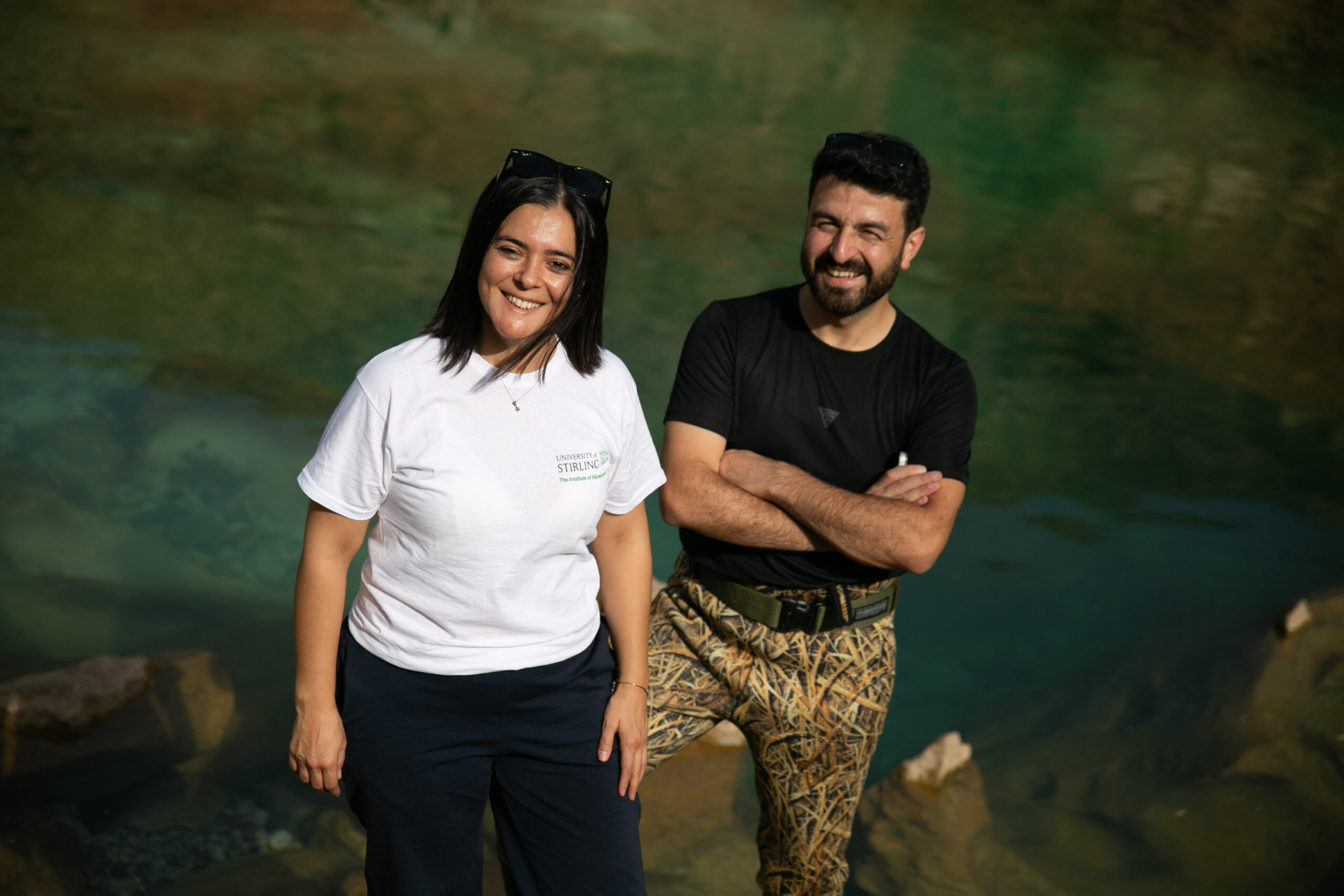
A photograph of a woman in a white t-shirt and black trousers, next to a man in a black t-shirt and green trousers. They are smiling in front of a river on a sunny day.
Cüneyt Kaya and Münevver Oral © Metin Yoksu

Download images→
Leopard barbel rediscovery press release→

On the heels of the news that 25% of freshwater fish are at risk of extinction, a team of ichthyologists in Türkiye (Turkey) has rediscovered hope in the shape of a carp-like, spotted fish — the leopard barbel (Luciobarbus subquincunciatus) — in the Turkish section of the Tigris River. The species, which was last scientifically documented in 2011, is the second species on SHOAL and Re:wild’s Most Wanted Lost Fishes list to be rediscovered. The first, the Batman River loach, was found by the same intrepid team in Southeastern Türkiye in late 2021.

“There is nothing quite like the feeling of finding that a species that has been pushed to the brink of extinction is still hanging on, despite the odds. It is even more thrilling than discovering a new species because it means that we can give a rare species a second chance. With both the Batman River loach and now the leopard barbel, we have an obligation to mobilise conservation efforts to ensure neither becomes lost again”.

Cüneyt Kaya, associate professor at Recep Tayyip Erdogan University and member of the expedition team

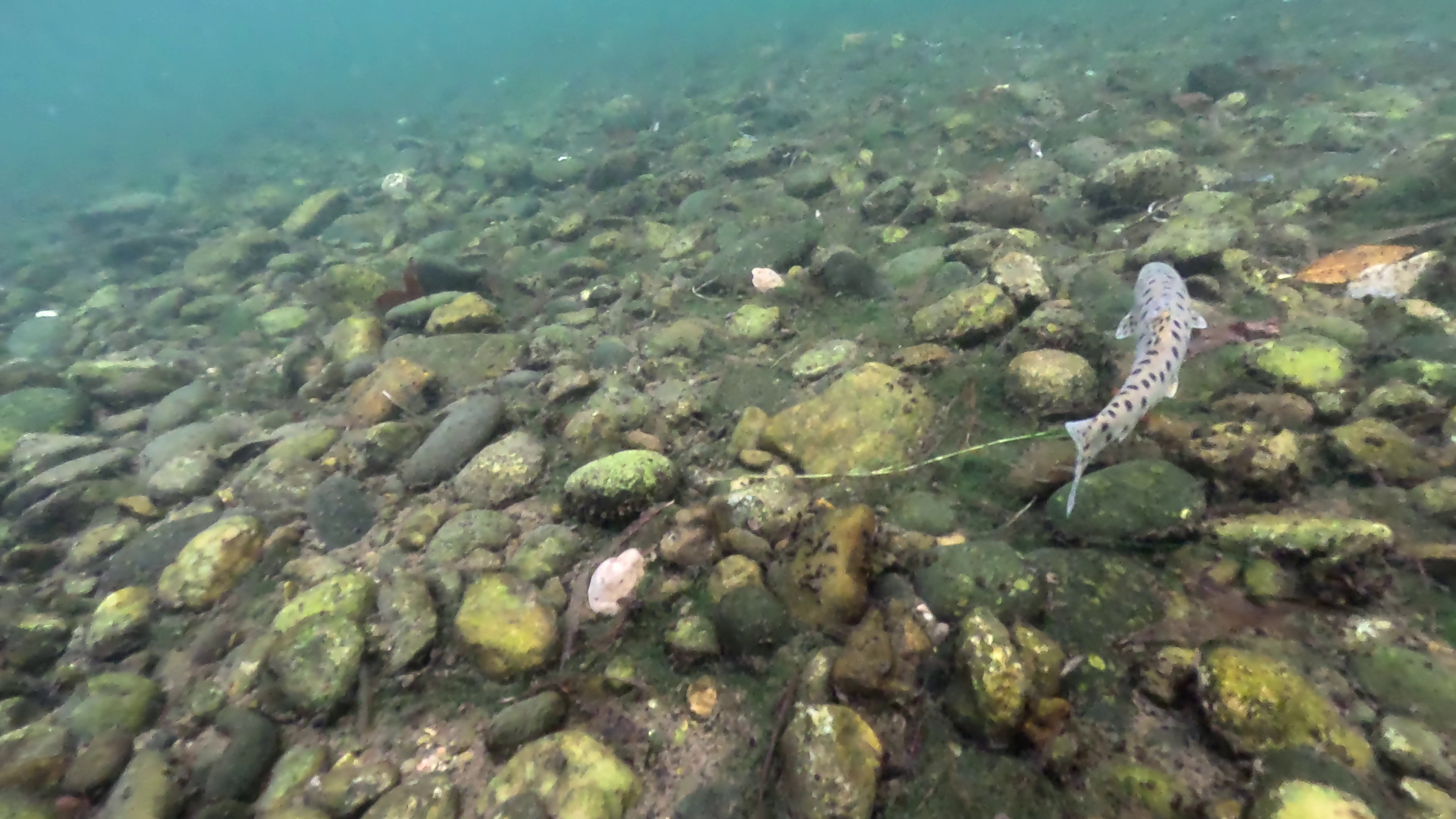
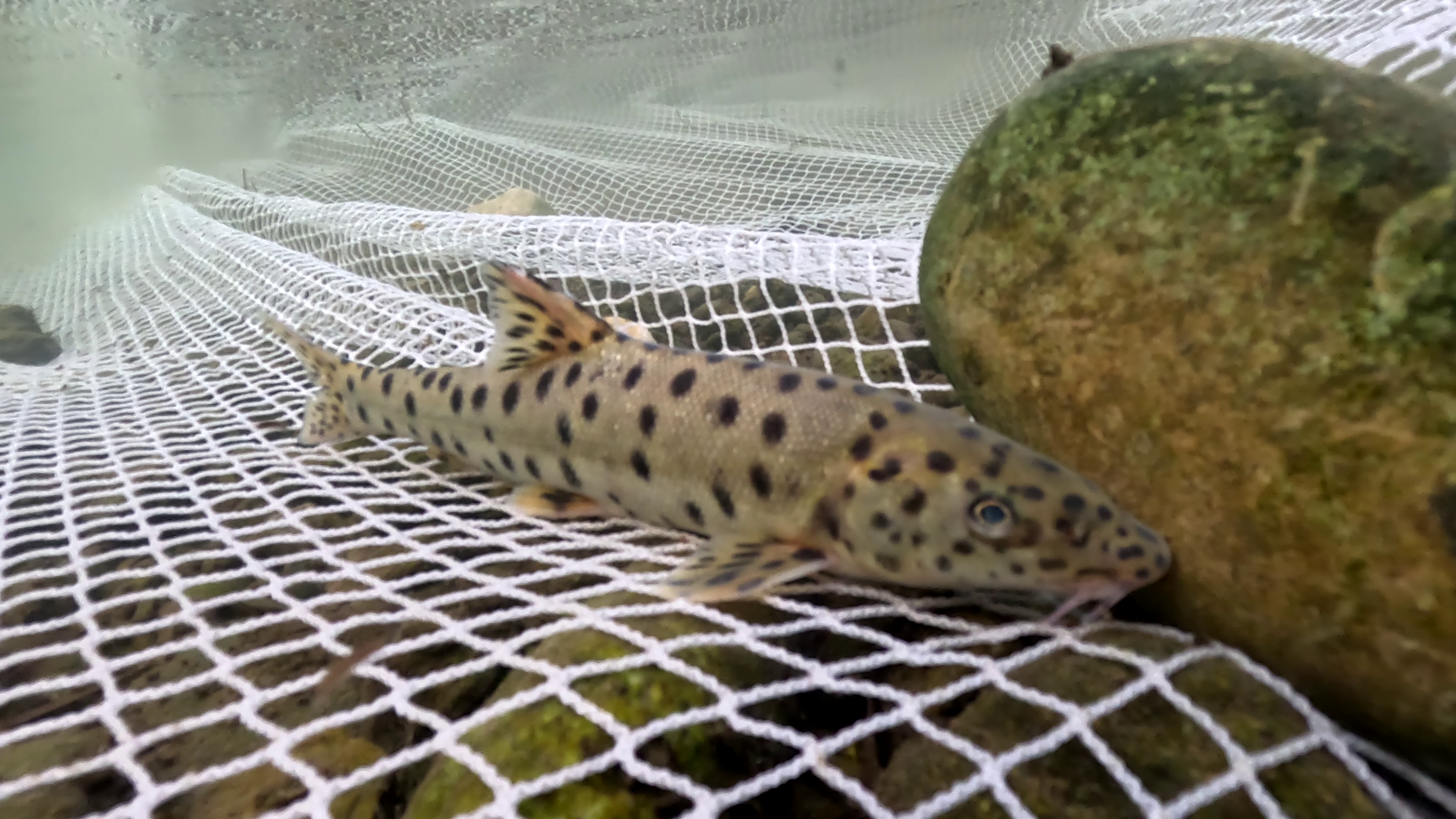
A leopard spotted fish underwater.
Leopard barbel © Metin Yoksu

The leopard barbel was once abundant, ranging from Eastern Türkiye, Eastern Syria, Iran and Iraq in the Tigris-Euphrates river system. Over the last three decades, however, fishing, pollution, habitat destruction and dam construction have pushed the species to the edge of extinction. Anecdotal evidence from local fishers suggested that the fish may still be out there, so Kaya and Münevver Oral, an assistant professor at Recep Tayyip Erdogan University enlisted their help, in addition to working with the local fisheries aquaculture department.

The team started by looking at the scientific literature about where the species had been previously found. However, those data were collected before nine dams were built in the Turkish portion of the Tigris River. The dams alter water flow regimes, and cold water that accumulates at the bottom of reservoirs is sometimes released downstream. The release of cold water drives many freshwater fish toward warmer waters, so the team had to adjust its strategy to look further downstream from the dams.

Just days after the second of two expeditions, Kaya and Oral got the video call they had hoped for from local fisherman Mehmet Ülkü: he had caught a 50-centimetre (20-inch), 2-kilogram (4.4-pound) fish with conspicuous black spots and the telltale fleshy filament that dangles from the mouths of this type of freshwater fish.

Ülkü kept the fish alive in a tank with a constant oxygen supply overnight, while Kaya took a direct flight to Van city, then drove nearly six hours to Cizre, where the species was found, while Oral drove more than 11 hours through the night to see — and help release — the fish. By the time they arrived, Ülkü had caught a second leopard barbel safely in his nets.

“We dropped everything and would have gone to the ends of the Earth to see this fish, this legend, alive in the wild. I have never seen a fish as beautiful as this. It was the realisation not only of our dream to find this lost species, but of the hope that not all is lost — we still have a chance to protect the leopard barbel and all of the other incredible freshwater species it shares its home with”.

Münevver Oral, assistant professor at Recep Tayyip Erdogan University and member of the expedition team

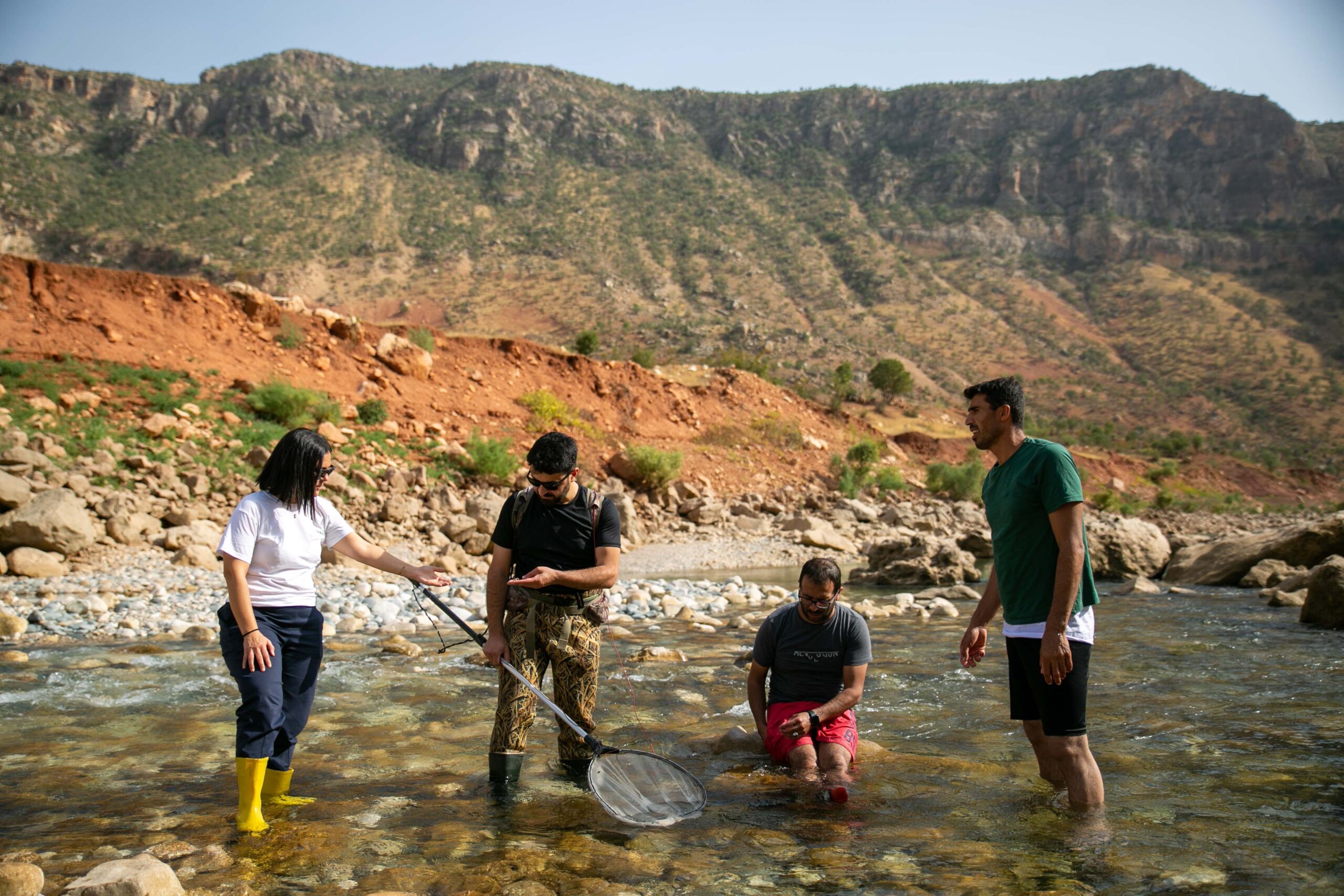
Photo of a woman and three men ankle deep in a river with mountains behind. One man is holding a big net.
© Metin Yoksu

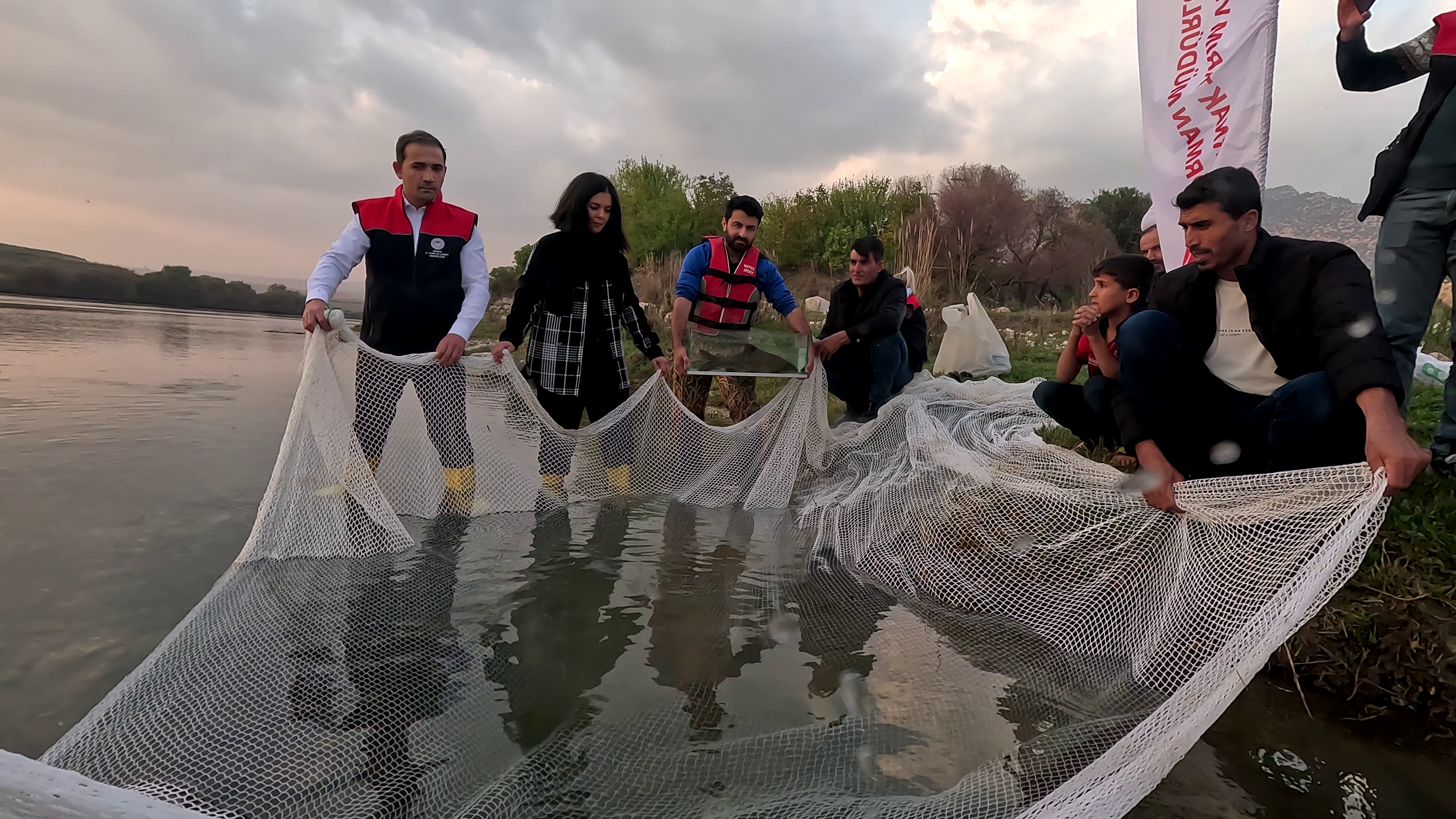
After Kaya and Oral took photos and measured the size and shape of the two fish, they were joined by the local Cizre fisheries aquaculture department to safely release the fish, which they described as a joyous event.

“We all have a role to play in protecting our incredible natural heritage and I am proud to have used my skills to help rediscover the leopard barbel. Safeguarding this species into the future is going to require educating other fishers and continuing to bring together scientific knowledge and local expertise.”

Mehmet Ülkü, Fisherman, Tigris River in Türkiye

Four men, a woman and a young boy hold a large white net underwater by a river bank.
© Metin Yoksu

Kaya and Oral are planning to conduct a series of seminars for fishers and teachers to help build pride in their riverways and wildlife, using the rediscovery as a case study to protect the Tigris River and its rich biodiversity. They are also hoping to get a better understanding of how many leopard barbel might still exist and where they are still found across their historic range.

In November 2023, the International Union for Conservation of Nature released an updated assessment of freshwater fish across the planet, finding that dams and water extraction are putting 45% of all threatened freshwater fish at risk of extinction. Not only have several dams built in the Turkish portion of the Tigris River impacted the leopard barbel, but a new dam is under construction in Cizre, very close to where the two leopard barbels were found.

“Freshwater ecosystems play a tremendous role in maintaining the overall health of our planet. Addressing threats and safeguarding the biodiversity that maintains these ecosystems is critical to solving the climate and biodiversity loss crises, and essential for human wellbeing. We hope the rediscovery of the leopard barbel will serve as an inspiring catalyst for future freshwater biodiversity conservation efforts in this region.”

Dr Harmony Patricio, conservation programme manager, SHOAL and Re:wild

Photograph of a leopard spotted fish on a net underwater.
Leopard barbel © Metin Yoksu

Action Plan for the Conservation of Mexico’s Goodeid Fishes published today

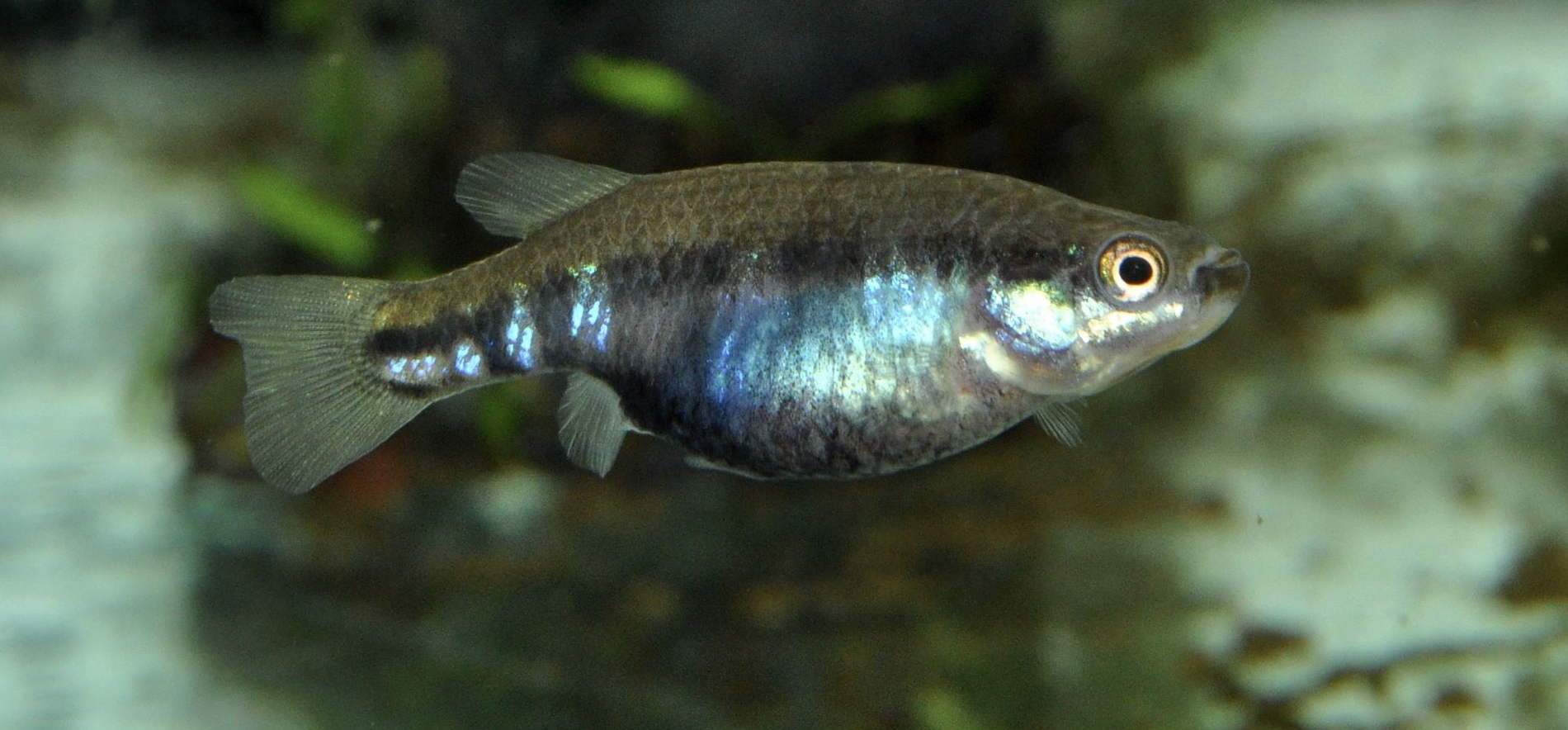
Allotoca maculata © Günther Hulla

Allotoca maculata © Günther Hulla

Action Plan for the Conservation of Mexico’s Goodeid Fishes Published Today

The Action Plan outlines the necessary steps for an integrated, ambitious multinational conservation programme for Mexican goodeids – the first time this has ever been done.

On 31 October, SHOAL and partners from the Universidad Michoacana de San Nicolás de Hidalgo’s AquaLab, Goodeid Working Group, Chester Zoo, and the Freshwater Conservation Committee launched the Action Plan for the Integrated Conservation of Mexican Goodeid Fishes.

Mexican goodeids are one of Earth’s most threatened groups of fishes, with 90% of the 40 known species threatened with extinction, and one already extinct. This Action Plan provides a framework to save these species for the first time, relying on robust partnerships of passionate and knowledgeable individuals and organisations.

The launch builds on previous conservation work by AquaLab, the Goodeid Working Group, and Chester Zoo to breed and reintroduce species such as the Extinct in the Wild Tequila splitfin and golden skiffia. Early signs show populations of both species are increasing.


Testimonials:

“The Goodeid Working Group was founded in 2009 out of concern for the dramatic population declines of Mexican goodeid species and the large-scale loss of their habitats. Today, the group is part of a dedicated network working together with utmost effort to conserve goodeids, offering a real chance to save this amazing group for future generations.”

Michael Köck – Cofounder and Chair, Goodeid Working Group

“I’m delighted to see such a passionate group from diverse backgrounds come together to create a plan that can make a real difference for this highly threatened group of fishes. I hope this plan will not only save these species but also set an example for freshwater conservation worldwide.”

Paul Bamford – Regional Field Programme Manager – Latin America, Chester Zoo

“With 21 extinctions already recorded, Mexico is the country with the most lost species. This Action Plan aims to conserve the iconic Goodeidae species and their habitats through strategic efforts.”

Topiltzin Contreras-MacBeath – Head of Conservation Biology Research, University of Morelos, and Co-Chair, Freshwater Conservation Committee, IUCN Species Survival Commission


Next Steps:

The next steps are to raise vital funds to start the conservation work that will boost the survival chances of Mexican goodeids.

The Action Plan is available 👇

Read here

The webinar is available to watch below:

New roadmap sets the course for urgent conservation of freshwater fishes in Southeast Asia

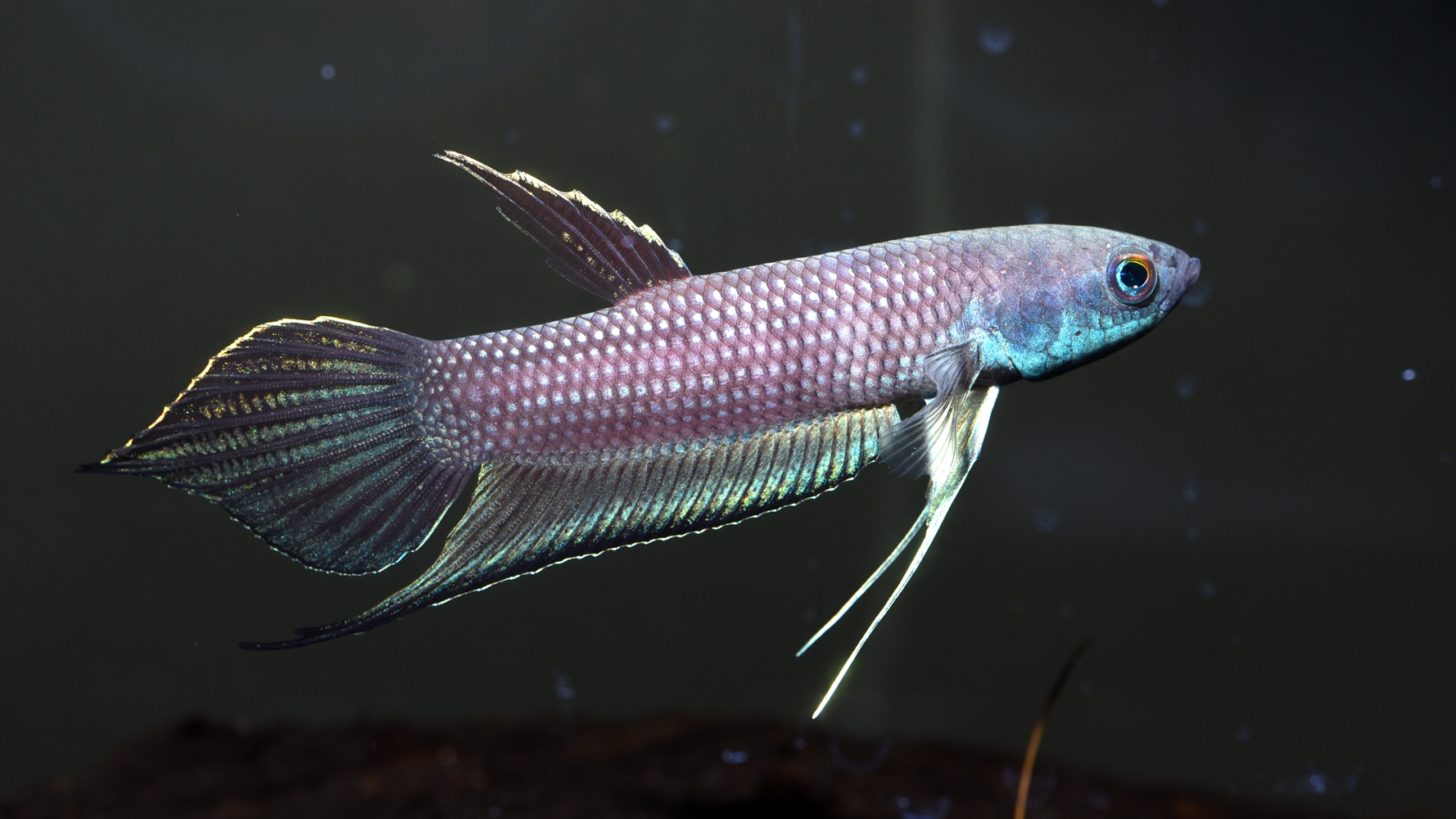
A photograph of a purple, blue and black iridescent fish. Betta cracens is a peat swamp forest freshwater fish species from Indonesia, identified to have high potential for successful ex situ conservation Freshwater conservation Southeast Asia.

Major report published today by the IUCN Asian Species Action Partnership (ASAP), Mandai Nature and SHOAL.

Today marks the release of The Strategic Framework to Accelerate Urgent Conservation Action for ASAP Freshwater Fishes in Southeast Asia, a new roadmap which sets the course for the urgent conservation of freshwater fishes in Southeast Asia.

The IUCN has identified 90 freshwater fishes on the brink of extinction in the region, across 11 countries including Brunei Darussalam, Cambodia, Lao PDR, Indonesia, Malaysia, Myanmar, Philippines, Singapore, Thailand, Timor-Leste and Vietnam.

The aim of this new roadmap is to see all 90 Critically Endangered ASAP freshwater fishes receiving active conservation efforts by 2030.

“Southeast Asia is the world’s hotspot for highly threatened species. This framework provides the direction and clarity required to focus and catalyse action to bring the most threatened freshwater fishes back from the brink of extinction.”

Michael Baltzer, Executive Director, SHOAL

Freshwater habitats are home to 51% of all known fish species, yet one third of freshwater fish species are threatened with extinction – making them one of the most highly threatened taxa globally.

Southeast Asia alone is home to 30% of global freshwater fish species, making up 15 of the 16 fish species declared extinct in 2020.

“The lack of targeted conservation action requires a ramp up of support and funding for these overlooked species.”

Dr Sonja Luz, CEO, Mandai Nature

The framework identifies rapid loss and degradation of natural habitats as the primary threat to nearly all Critically Endangered freshwater fishes. Many of these habitats are shared across borders, highlighting the vital need for cross-country cooperation to achieve meaningful conservation impact.

“Collective efforts across Southeast Asia are urgently needed and are crucial to halt declines immediately.”

Nerissa Chao, Director, IUCN SSC ASAP

The Strategic Framework to Accelerate Urgent Conservation Action for ASAP Freshwater Fishes in Southeast Asia is a collaboration between SHOAL, the IUCN Asian Species Action Partnership (ASAP), and Mandai Nature.

The Strategic Framework

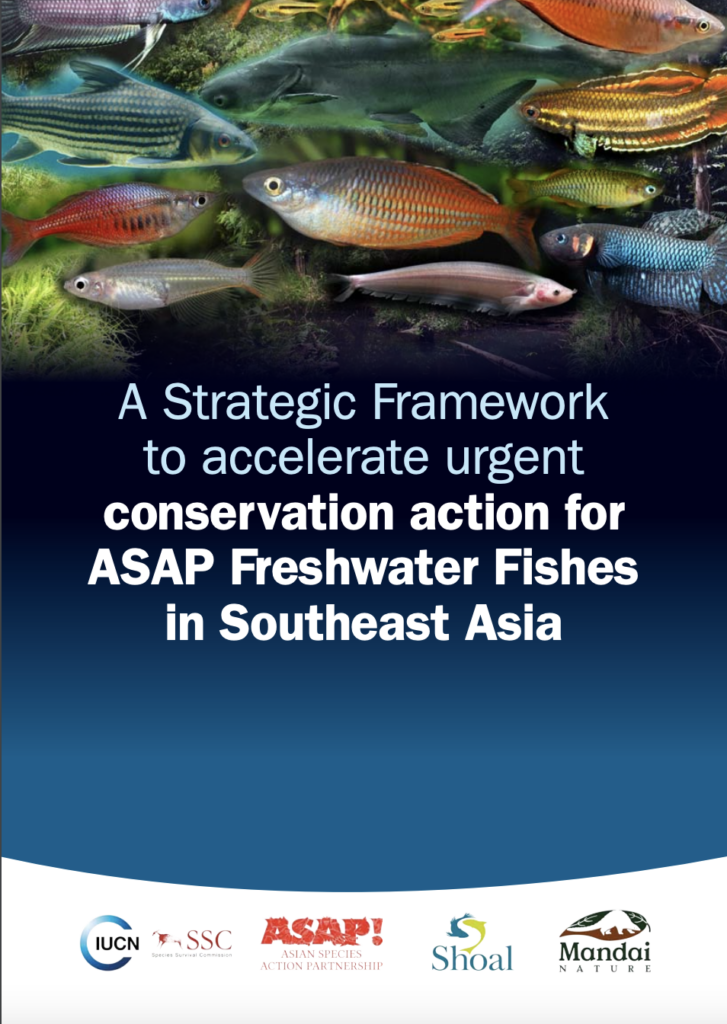
The front cover of A Strategic Framework to accelerate urgent conservation action for ASAP Freshwater Fishes in Southeast Asia. Blue with lots a fish at the top and logos at the bottom.