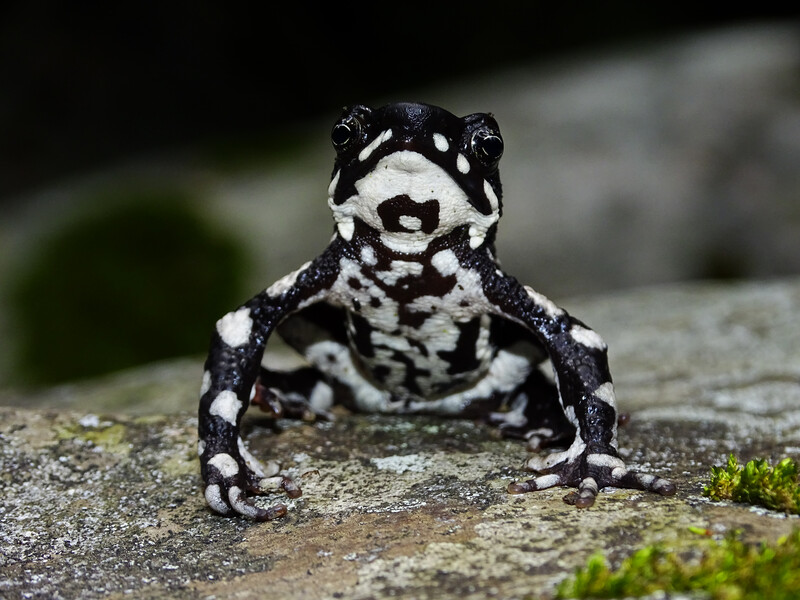
Let’s talk about the starry night harlequin toad

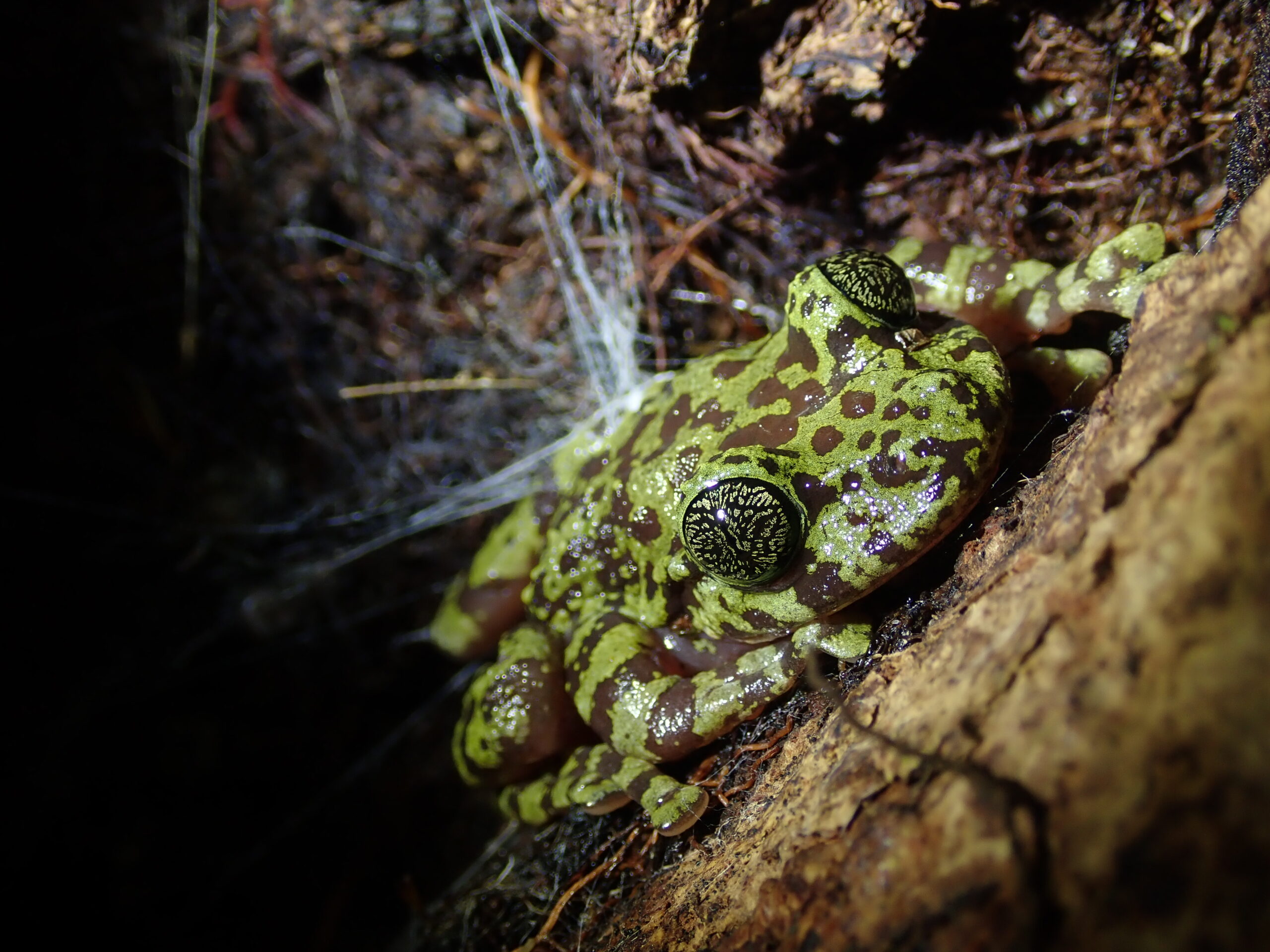
A photograph of the starry night harlequin toad in the wild.

© Fundación Atelopus

The festively named starry night harlequin toad is not just for Christmas, and neither are the threats they face.

‘Tis the season (to talk about the starry night harlequin toad)


Meet the starry night harlequin toad

Named for the clear, dark, starry skies in its mountain habitat of Colombia’s Sierra Nevada de Santa Marta, the starry night harlequin toad (Atelopus arsyecue) is one of the most striking of our Fantastic Freshwater species. Less than two inches in size, the stunning amphibian is recognised by its shiny black skin studded with ethereal white spots.

Sierra Nevada de Santa Marta is home to the indigenous Arhuaco people of the Sogrome community. They call the toad ‘gouna’ and consider it a guardian of the water and a symbol of fertility. Inspiring their ancestors for millenia, the species is viewed as an authority of the natural world. It serves as an indicator to signal actions including when to plant crops, or perform spiritual ceremonies.
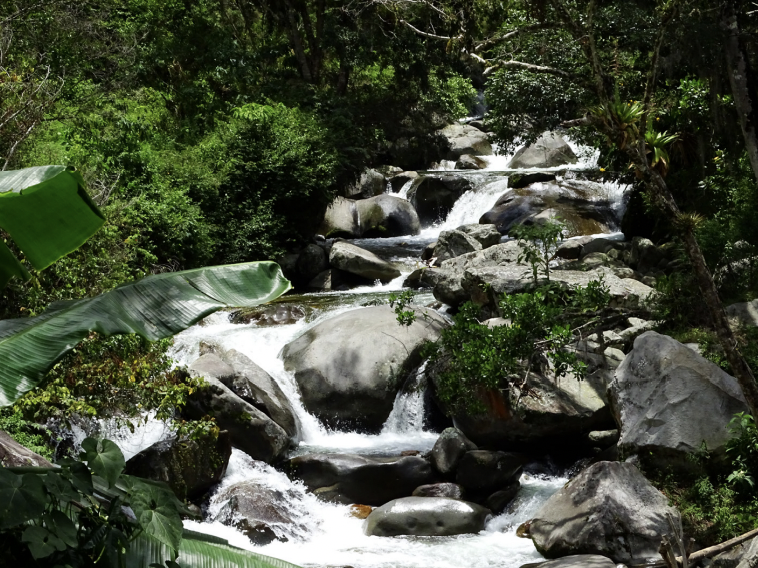
A photograph of the habitat of the starry night harlequin toad, a stream through a leafy forest.
© Fundación Atelopus

The long (starry) night before the dawn

The rediscovery of the starry night harlequin toad highlights the power of local, indigenous knowledge in protecting and recovering species. Just a few years ago scientists feared the Critically Endangered species was lost. It had not been documented since 1991.

This changed in late 2019 with a unique and poignant partnership between the indigenous people and Fundación Atelopus. Despite the species being lost to science for nearly 30 years, it has never been lost to members of the Sogrome community.

The Colombian NGO, a partner of Global Wildlife Conservation, were in dialogue with mamos, spiritual leaders of the Sogrome community for four years before they were allowed to see (just see) the starry night harlequin toad. This is a test of trust the Arhuaco call “resisting temptation”.

Several more months passed before the community permit the Fundación Atelopus to return to the sacred Sierra Nevada de Santa Marta to achieve photo documentation of the rare amphibian on a Global Wildlife Conservation-funded expedition

Other harlequin species “rediscovered by scientists in recent years include the Costa Rican variable harlequin toad in 2013, the Azuay stubfoot toad in 2015, and the longnose harlequin frog in 2016.

Other harlequin species “rediscovered by scientists in recent years include the Costa Rican variable harlequin toad in 2013, the Azuay stubfoot toad in 2015, and the longnose harlequin frog in 2016.


Not just for Christmas

The starry night harlequin toad is one of the 50 landmark species at high risk of extinction identified in SHOAL’s Fantastic Freshwater* report. Published on 19th May 2022 (International Day for Biodiversity), Fantastic Freshwater highlights the diversity and beauty of freshwater species and the immense threats they face to their survival.

According to the 2004 IUCN Red List of Threatened Species, 80 of the known 96 harlequin toad species are Endangered, Critically Endangered or Extinct in the Wild. This is due in part to the rapid spread of the amphibian-killing fungus known as chytrid. Scientists have observed that harlequin toads are hit especially hard by the disease.

The species is being threatened by:

  • Habitat loss and degradation from agricultural activities including livestock, along with fire and logging.
  • Chytridiomycosis, a deadly chytrid fungus.
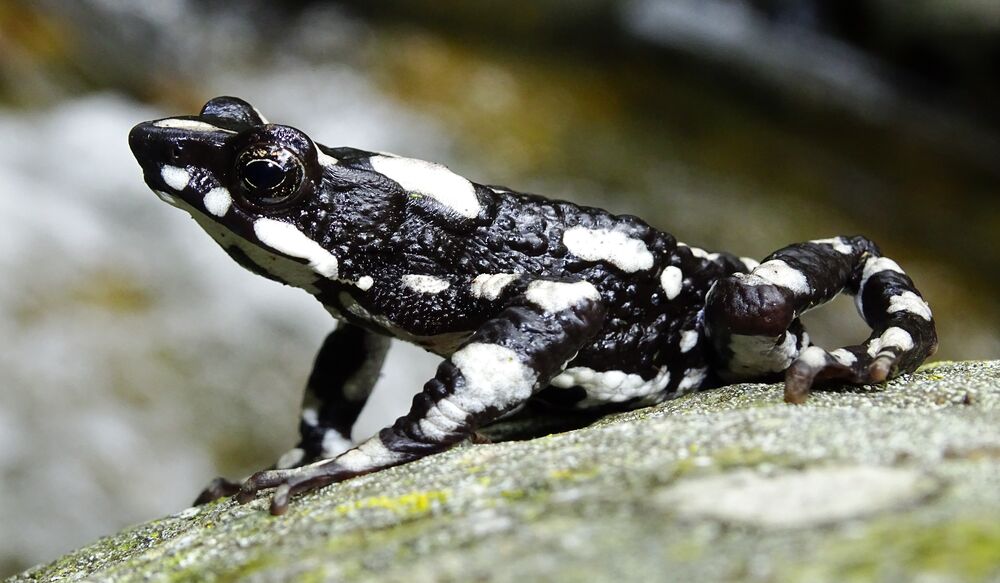
A photograph of the starry night harlequin toad in the wild.
© Fundación Atelopus

Conversations continue between Fundación Atelopus and mamos. It’s hoped that the special relationship will combine Western scientific knowledge and the indigenous scientific, cultural and spiritual knowledge to give the species its best chance going forward.

If you want to support the work SHOAL are doing to conserve freshwater species through action-driven conservation donate here. Don’t forget to subscribe to our newsletter The Stream to get all the latest freshwater news straight to your inbox

*The Fantastic Freshwater: 50 landmark species for conservation report is led by SHOAL, the IUCN Species Survival Commission (SSC), the IUCN SSC Freshwater Conservation Committee, and the Global Center for Species Survival at the Indianapolis Zoo.
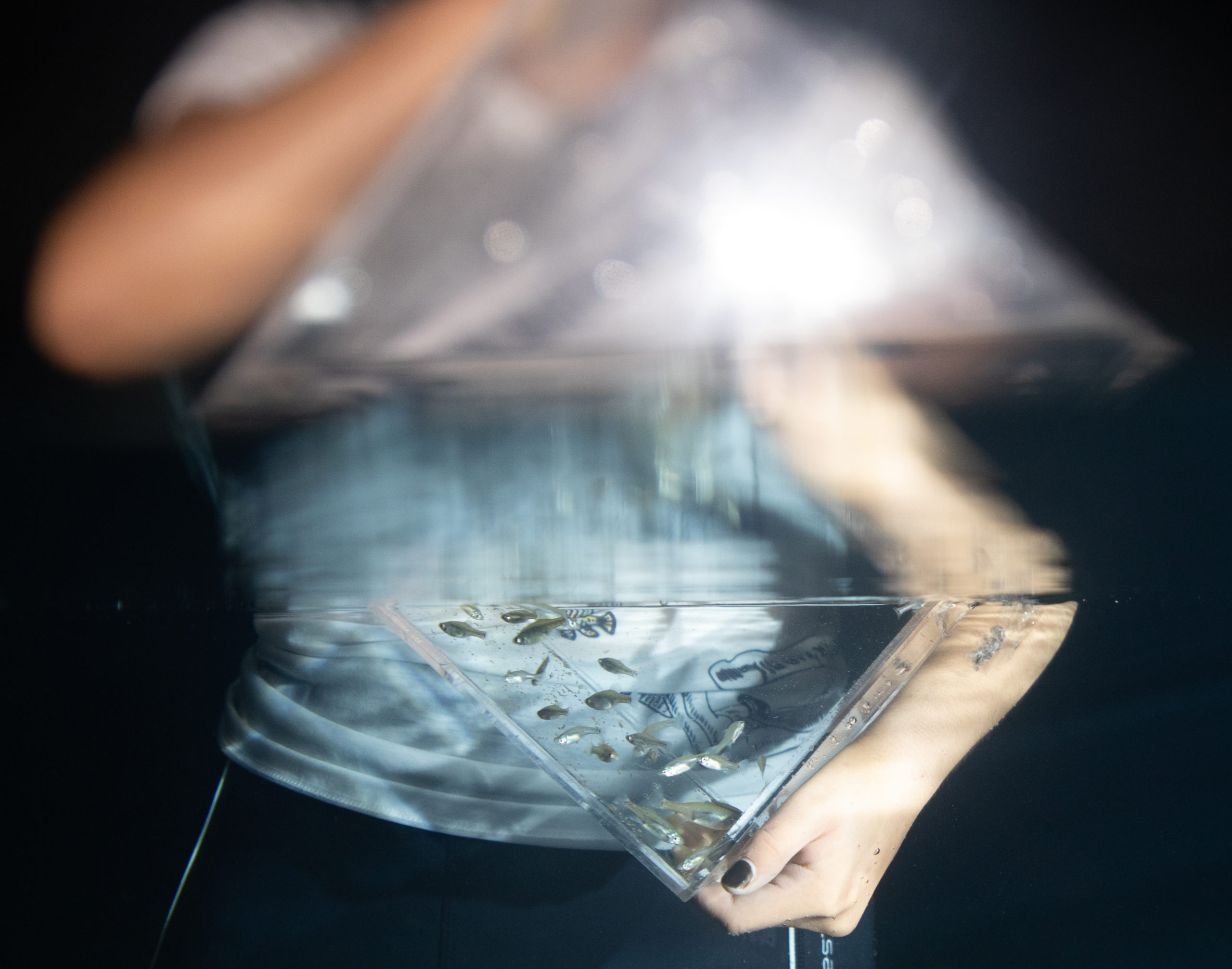
A (fresh)watershed moment for the golden skiffia

A photograph of a small tank of bred-in-captivity golden skiffia partially submerged in water. Credit Manfred Meiners.

ⓒ Manfred Meiners

Come with SHOAL to Mexico to see Extinct in the Wild golden skiffia reintroduced to the Rio Teuchitlán.

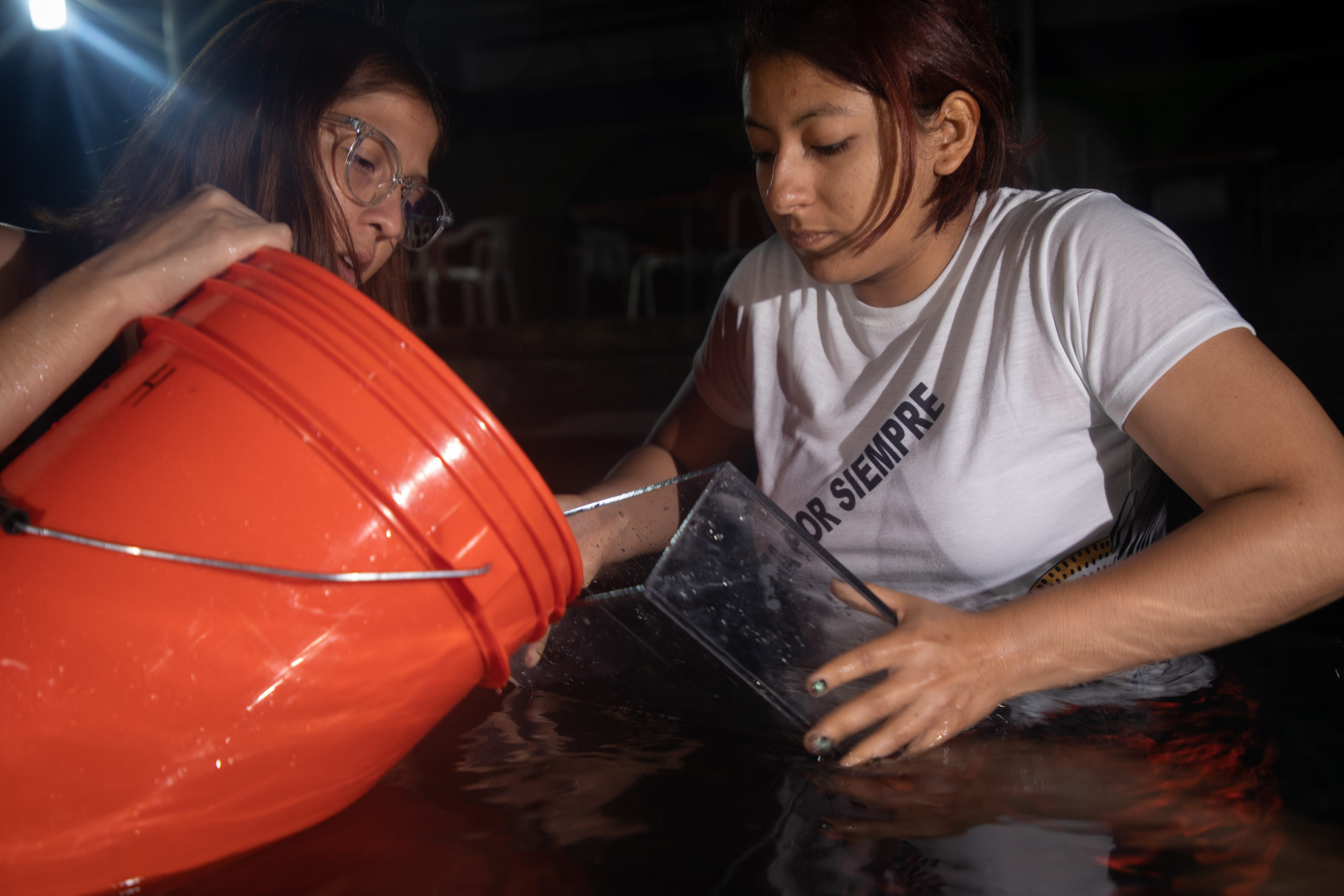
On November 4th 2022 a team from the University of Michoacan, Mexico, reintroduced over 1,000 golden skiffia (Skiffia francesae) into the Rio Teuchitlán. The team was led by Omar Domínguez-Domínguez, and the Goodeid Working Group, with vital support from Chester Zoo.

Just a couple of weeks earlier the SHOAL team packed their bags for Mexico to join them for this (fresh)watershed moment. We also participated in a workshop to plan conservation action for the Mexican goodeids – one of the world’s most threatened groups of fishes.

Time to fly the nest mesocosm

Our first stop was to the Aqua Lab at Michoacan University of Mexico in Morelia to see their breeding facilities. The Fish Ark facility at the university has been breeding golden skiffia in captivity for years in preparation for this re-release.

Fish Ark Mexico is a conservation project in central Mexico that focuses on 41 highly threatened species of freshwater fish. The project has more than 20 years of experience in Mexican fish conservation and has succeeded in keeping 39 species of Endangered and Extinct in the Wild Mexican goodeid species in captivity.

“The Aqua Lab itself is a hugely impressive facility, with three shelves of tanks stretching wall to wall either side, providing ample space for the breeding of threatened fish species, including the golden skiffia and tequila splitfin. Once the fish are fully grown, they are moved to large outdoor pools on the grounds of the Aqua Lab, where they can adapt to living with much more space. Also bred in the Fish Ark are species of Critically Endangered Mexican salamanders.”

Michael EdmondstoneSHOAL

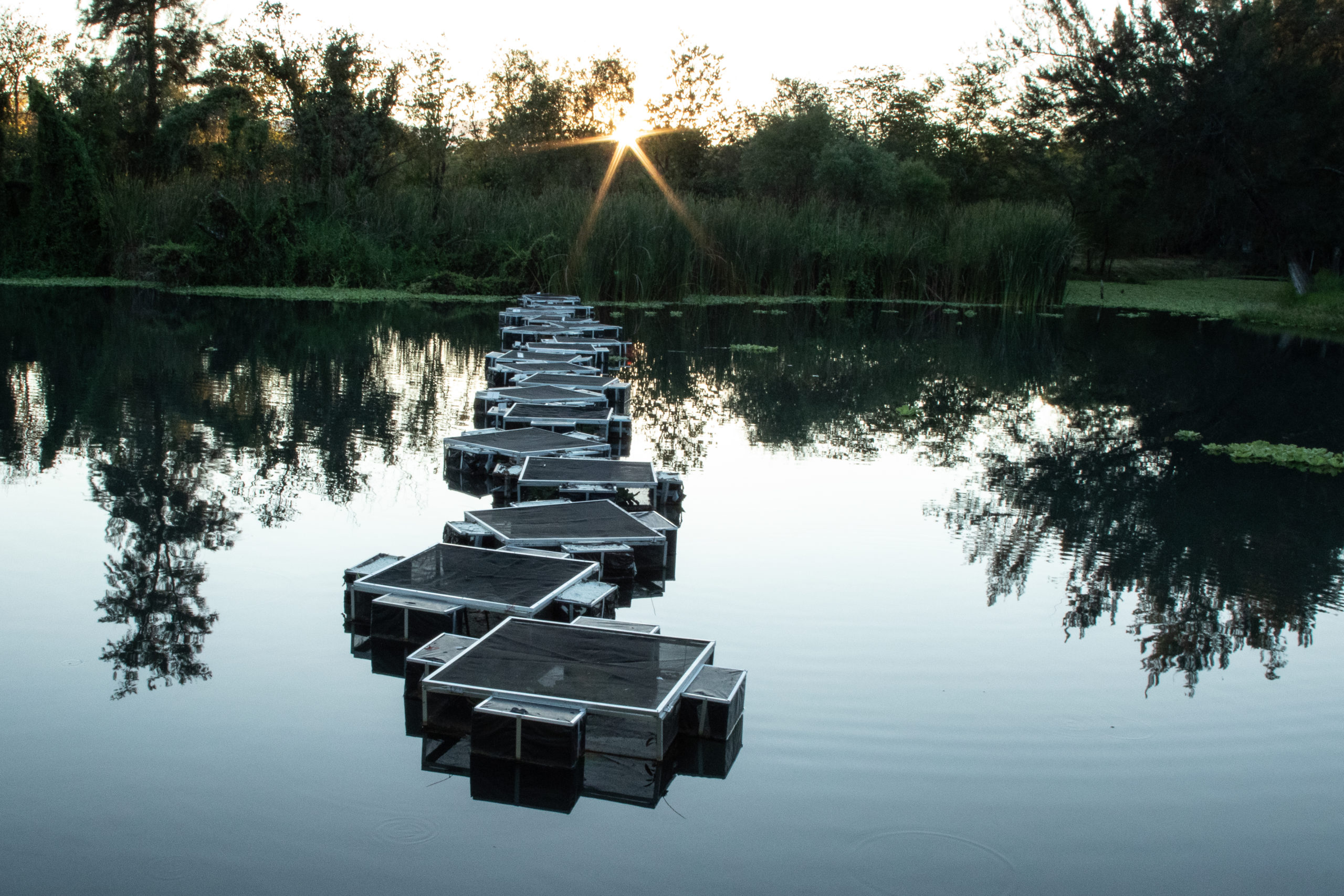
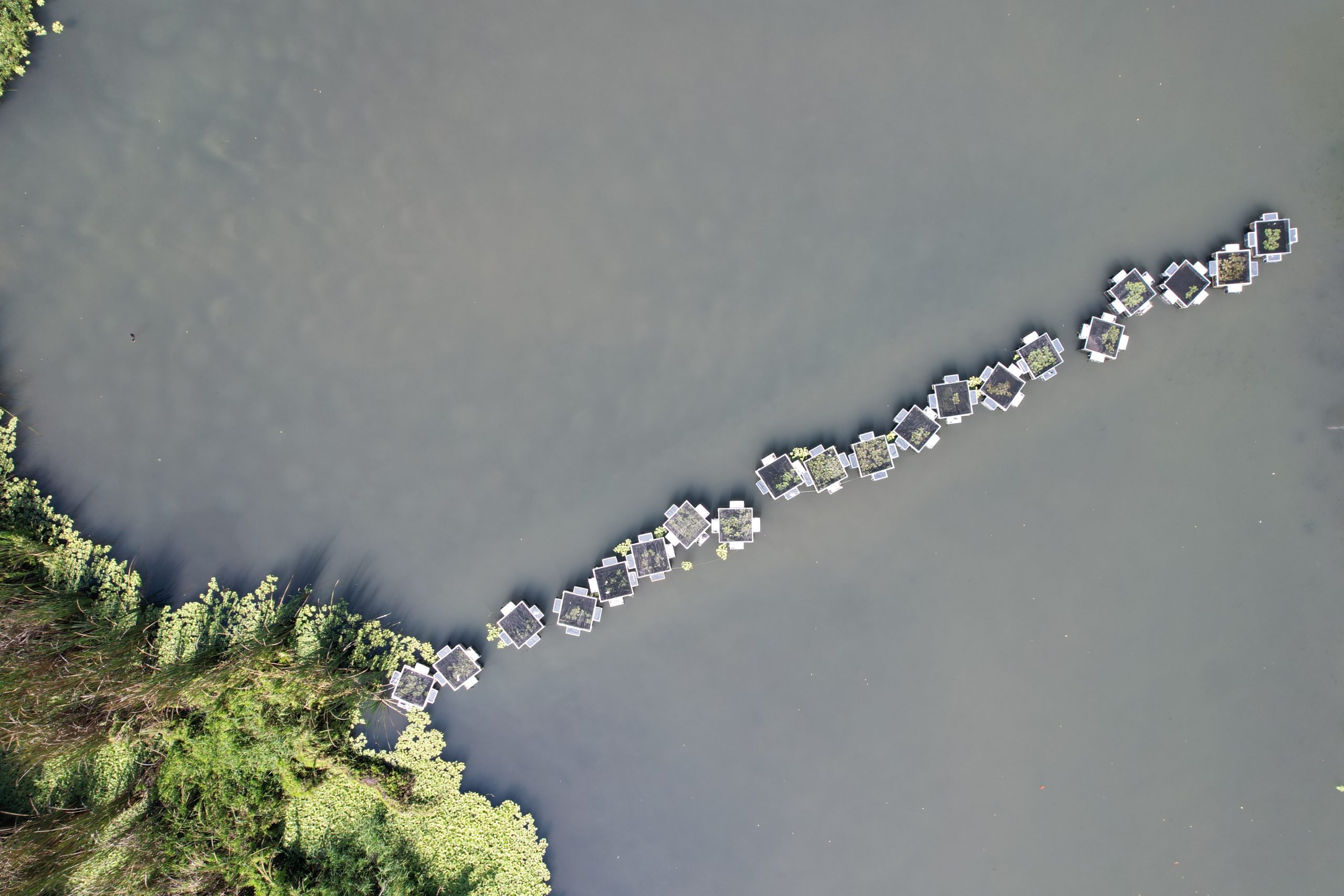
Fishes due for release are dewormed, marked and placed in secure ponds known as mesocosms to prepare them for a return to the wild. The mesocosms float in the species’ natural habitat but are protected by netting, allowing fish to adapt to semi-natural conditions without chance of predation.

Golden skiffia mesocosms in the Teuchitlán river in Mexico. ©Manfred Meiners
©Manfred Meiners/Re:wild

Extinct in the Wild

The golden skiffia has not been seen in the wild since the 1990s. Human impact such as dam construction, water extraction, pollution and the introduction of invasive species have caused major changes to the skiffia’s habitat, pushing it to extinction in its only home.

The release comes six years after the successful reintroduction of the tequila splitfin (Zoogonetcus tequila) which faced very similar threats to the golden skiffia. The species was also bred in a conservation breeding programme and released into the Teuchitlán River.  Domínguez-Domínguez also led that work. The population of tequila splitfin there is now thriving, and the project has been cited as an International Union for the Conservation of Nature case study for successful global reintroductions.

A mural near the Teuchitlán River in Jalisco, Mexico, of Consuela, a local teacher and conservationist, and the golden skiffia
©Manfred Meiners/Re:wild
A young girl from Teuchitlán in Mexico holds up a golden skiffia before its release.
©Manfred Meiners/Re:wild

Back from the dead

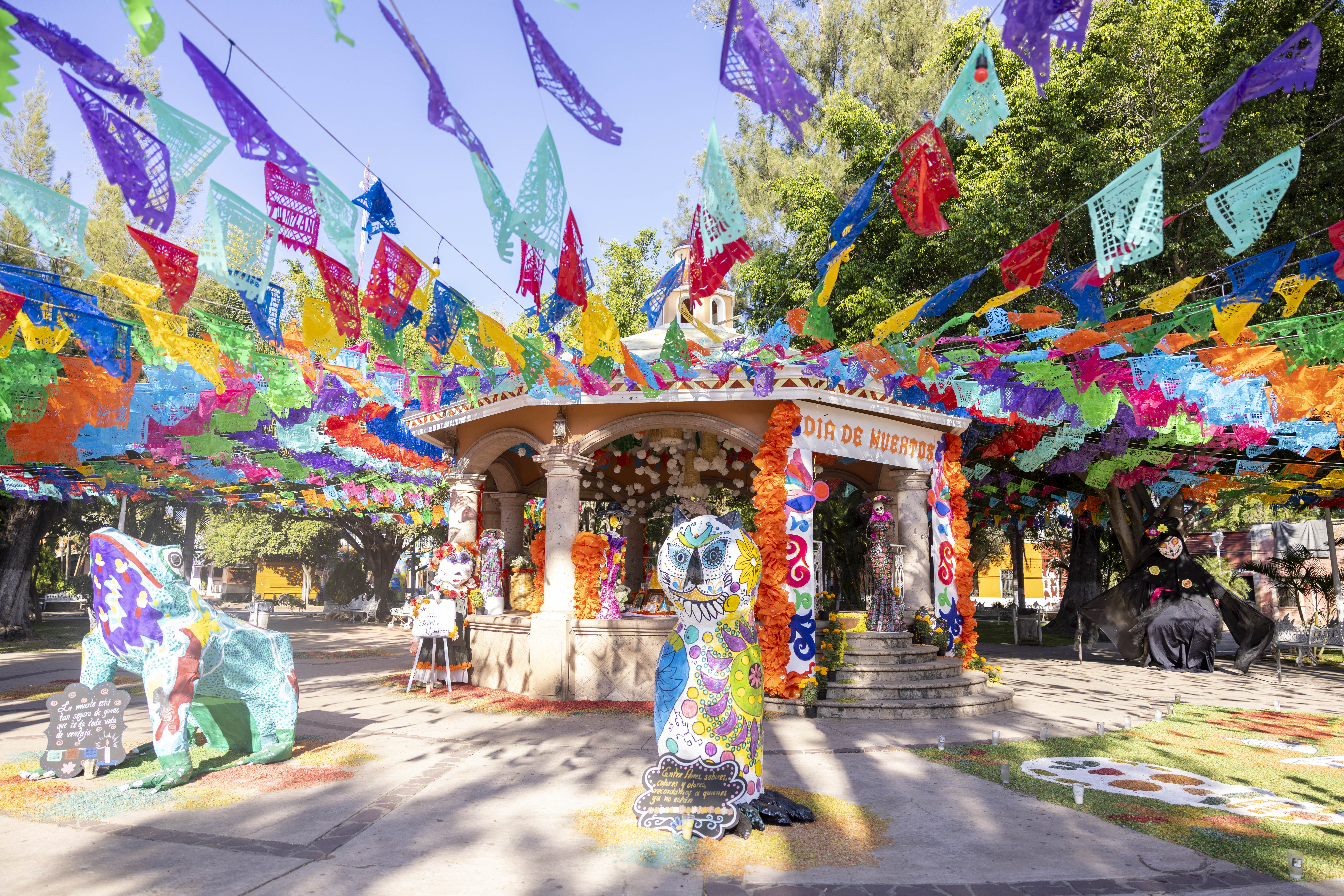
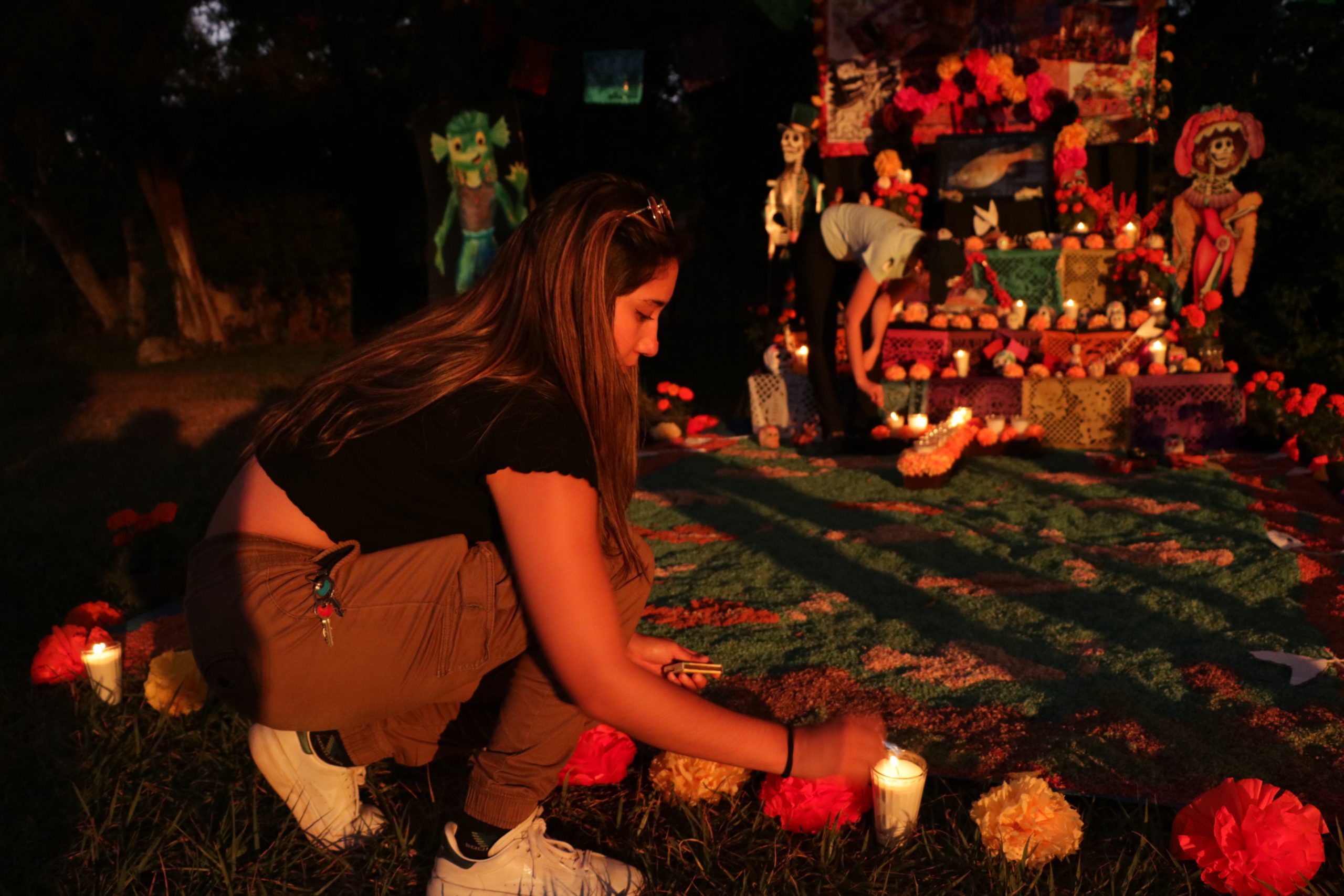
Día de los Muertos, or Day of the Dead, is a celebration of life and death. Being part of this expedition, the SHOAL team got to experience the colourful celebration in all its life-affirming glory.

“The Day of the Dead is a traditional Mexican celebration, when it is believed that people’s deceased ancestors return to the land of the living for one night, to talk and spend time with their families. Releasing the golden skiffia around this time is a metaphor for how the species has come back from the dead to return to its home, not for one night, but forever.” Omar Domínguez-Domínguez, professor and researcher from the Michoacan University of Mexico, who is leading the golden skiffia reintroduction.

Day of the Dead, or Día de los Muertos celebrations in Mexico. A colourful altar dedicated to the golden skiffia. Credit Manfred Meiners.
©Manfred Meiners/Re:wild
Day of the Dead, or Día de los Muertos celebrations in Mexico, ahead of the golden skiffia release. Colourful decorations in the town. Credit Manfred Meiners
©Manfred Meiners/Re:wild
Day of the Dead, or Día de los Muertos, celebrations in Mexico. A student decorates a golden skiffia themed altar
©Manfred Meiners/Re:wild

Release day

“The golden skiffia release came two days later, on 4 November. The day began at the nearby Guachimontones archeological site, with talks about the golden skiffia, the river and the conservation work achieved, and an awards ceremony to celebrate the hard work of the Guardians of the River. In the evening, traditional Mexican dancing, traditional Indigenous dancing, a theatrical performance and a poetry recital set the mood before a symbolic funeral cortege to the release site marked the skiffia’s demise from the wild. To the sound of rhythmic drumming, local children released 10 skiffia individuals one at a time in a moving and memorable ceremony. The remaining approximately 1,200 individuals were subsequently released.”

Michael EdmondstoneSHOAL

Two women standing waist-deep in the Rio Teuchitlán releasing golden skiffia. Credit Manfred Meiners.
©Manfred Meiners/Re:wild

So what’s next?

Individuals released into the wild are tagged with a non-toxic elastomer before release and will be monitored for the next five years. This assesses whether the population is increasing and whether the fish are reproducing and growing successfully in their natural habitat.

Conservationists hope that the fish released on 4 November will ultimately result in a healthy, self-sustaining population taking hold. Then the species can fulfil its important natural role in the ecosystem of eating algae and mosquito larvae, helping to keep populations of those species in check.

SHOAL is currently working with the University of Michoacan, Chester Zoo, the Goodeid Working Group and a host of other organisations on a conservation plan for each of the threatened Mexican goodeids. If the success of the tequila splitfin reintroduction and the predictions for a successful golden skiffia project are anything to go by, there is good reason to believe this collaborative, interdisciplinary conservation programme will bring these goodeid species back from the brink of extinction.

This project has been made possible…

…by generous funding and support from ZooParc de Beauval, Wilhelma Zoo, Haus des Meers Aquarium, Zoo Ostrava, Poecilia Scandinavia, American Livebearer Association, Mohamed Bin Zayed Species Conservation Fund, Zoological Society for the Conservation of Species and Populations (Zoologische Gesellschaft für Arten- und Populationsschutz – ZGAP), European Union of Aquarium Curators and The Fishmongers’ Company.

We can bring the Denison’s barb back from the brink (film)

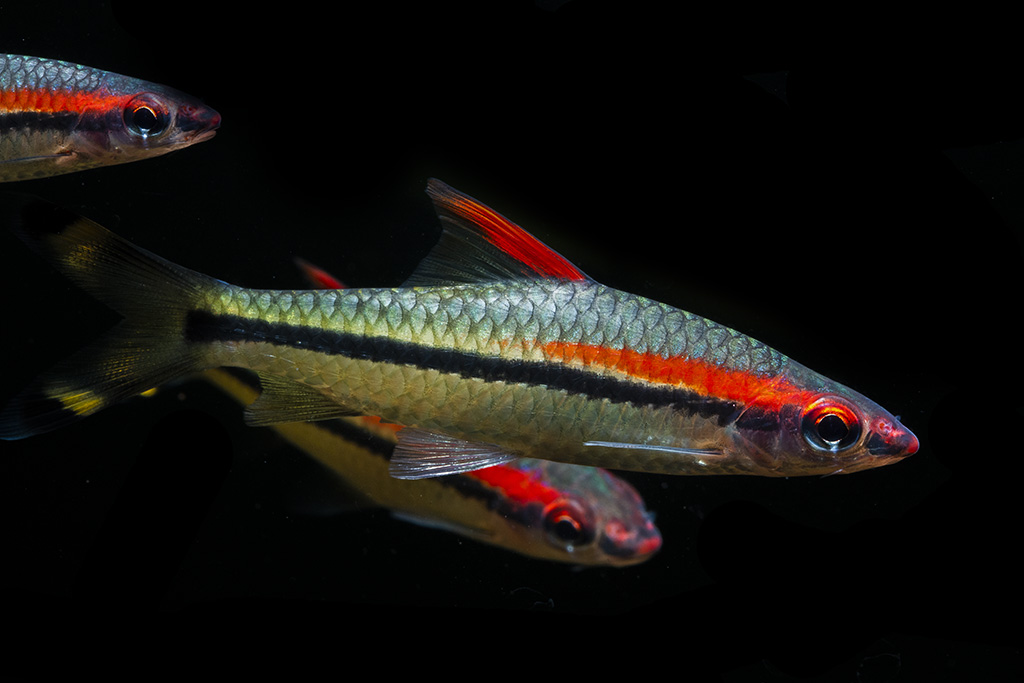
Photograph of a shoal of Denison’s barb fish in freshwater.

Credit: Beta M

Watch our film to see how together we can stop the Denison’s barb from going extinct in the wild.

Meet the Denison’s barb

The Denison’s barb is one of the world’s most popular home aquarium fish, and can be found in living rooms from California to Kolkata.

Their striking colours and peaceful nature have put them in high demand for both beginners and expert fishkeepers. But it’s not their popularity that has led to wild populations becoming endangered.

What threats are they facing?

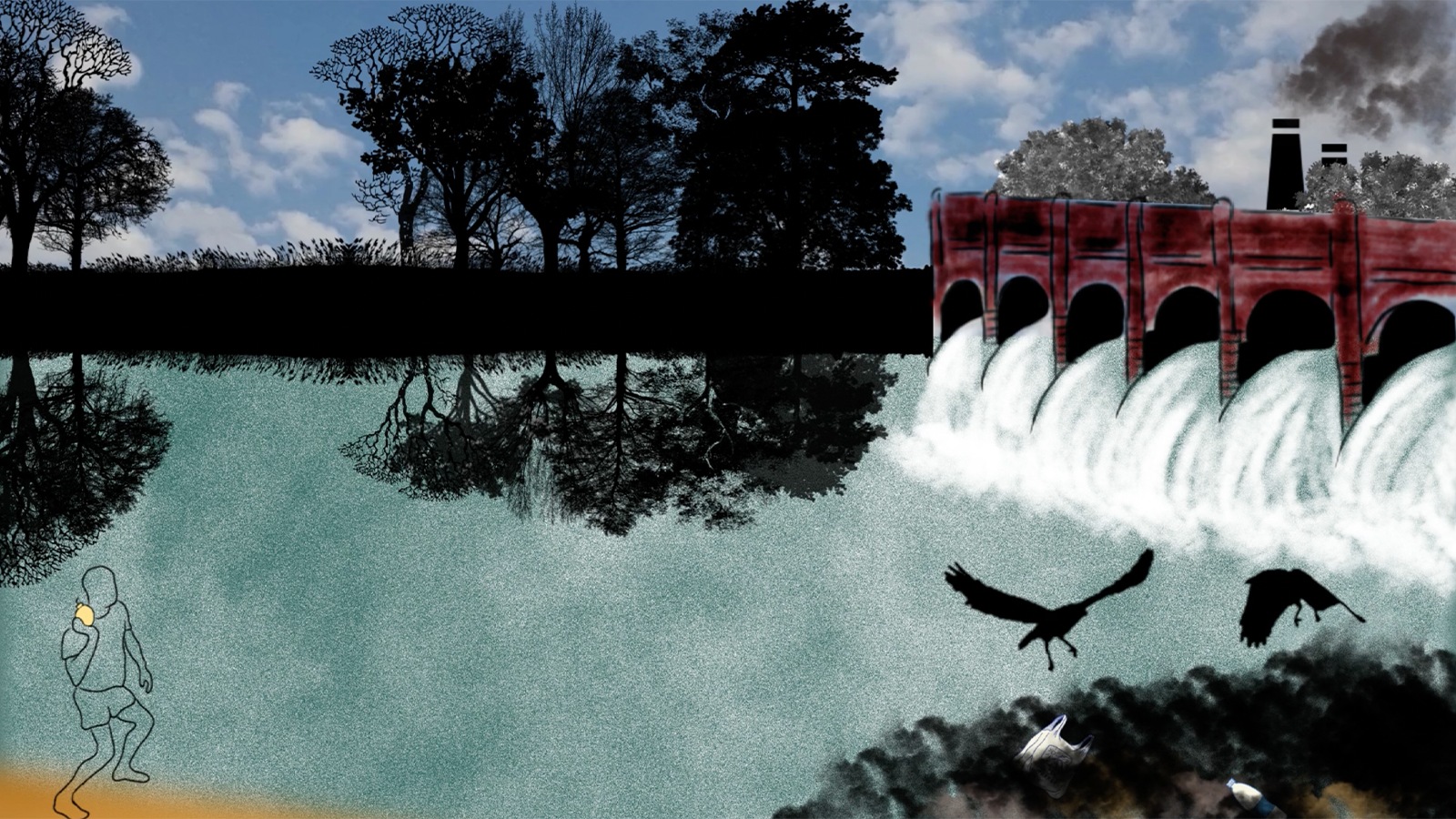
Sand-mining and pollution are causing damage to the fish’s habitat in India’s Western Ghats. The species’ home is under threat.

If we don’t take urgent action to protect and restore the damaged areas, this striking fish could go extinct in the wild in just a few years.

We need your help.

Illustration of damage to the Denison’s barb’s freshwater habitat in the Western Ghats, India.
Credit: Usha Ravindra

What can we do to help?

With your support, SHOAL and our partners Zoo Outreach, can help bring the Denison’s barb back from the brink.

We can raise awareness with the public and government officials in India
We can train staff in five airports to recognise the species and monitor the number of fishes leaving for export
We can protect the most crucial habitats, providing security, not just for the barb, but for the many other rare and threatened fishes that live in the area

Together we can make a difference.

Every single donation will help give the species a better shot at survival. Donate today at shoal.org.

This film has been created for our Save Denise’s Friends campaign, in support of the Denison’s barb. The campaign is part of SOS: Support Our SHOAL, an innovative approach to freshwater conservation led in partnership with the aquarium hobby and guidance from OATA and Practical Fishkeeping.

SOS: Support our SHOAL empowers individuals and businesses from the aquarist community who want to know how they can help ensure the futures of the species they love. We have loads of resources on our website for everyone from aquarium shops to hobbyists.

Let’s talk about the Table Mountain ghost frog (Critically Endangered)

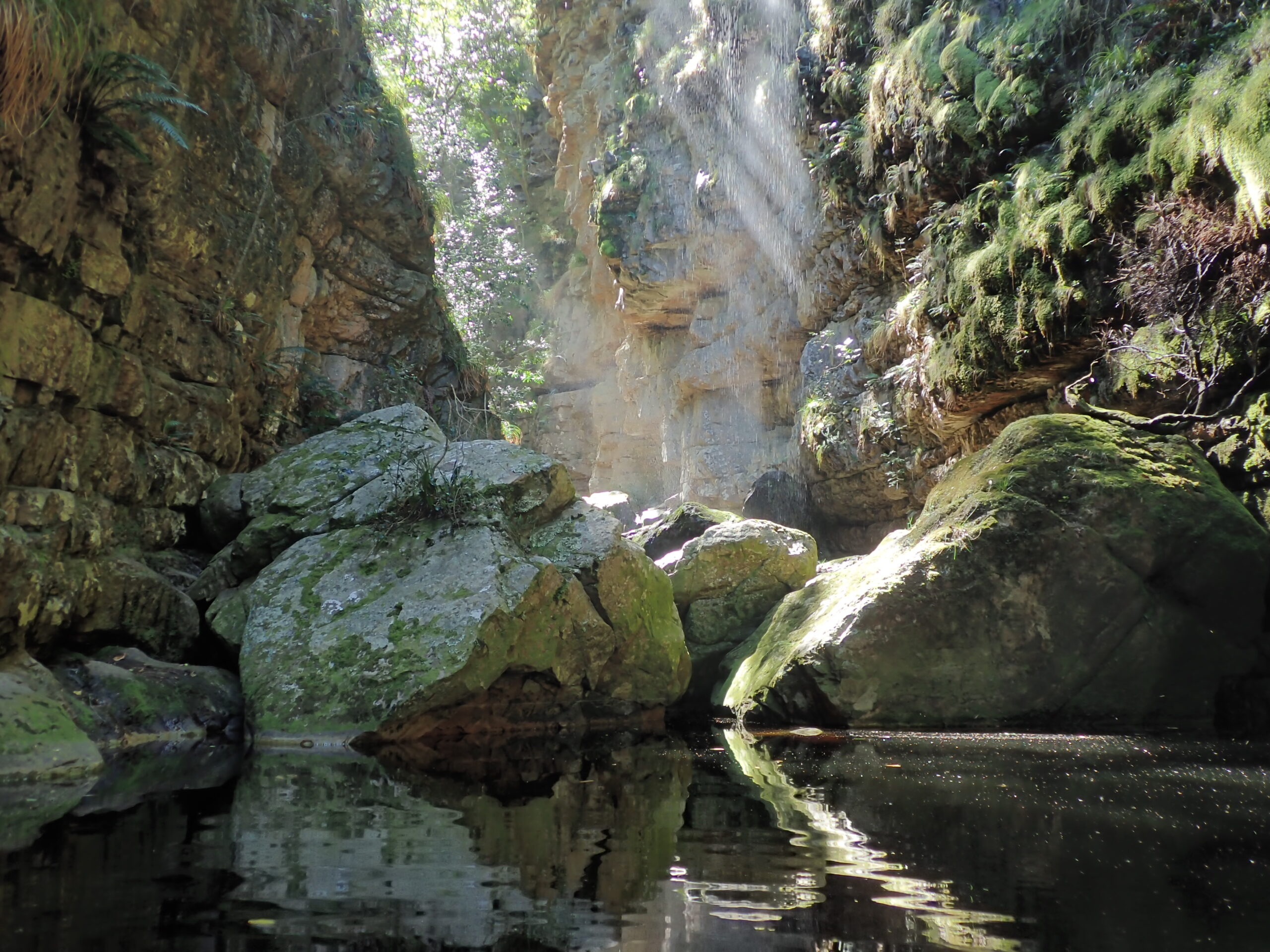
Photograph of the freshwater habitat of the adult Table Mountain ghost frog.

They may sound supernatural, but the ghost frog and the threats they face are very real.

Happy Halloween, let’s talk about the Table Mountain ghost frog

Ghosts in Skeleton Gorge? Sounds like the makings of a spine-chilling Halloween horror! But these ghosts aren’t see-through. They don’t float or say “boo!”. They don’t have unfinished business and they certainly don’t need busting. These are ghost frogs!

Photograph of the freshwater habitat of the adult Table Mountain ghost frog.
© Joshua Weeber

Meet the Table Mountain ghost frog

There are a few theories on how the Table Mountain ghost frog, also known as Rose’s ghost frog, got its name. Some attribute it to the equally spooky-sounding Skeleton Gorge, a steep and treacherous Table Mountain ravine where the species was first found. Others say it refers to the fact that the frog is so rare that the chances of spotting one are tiny.

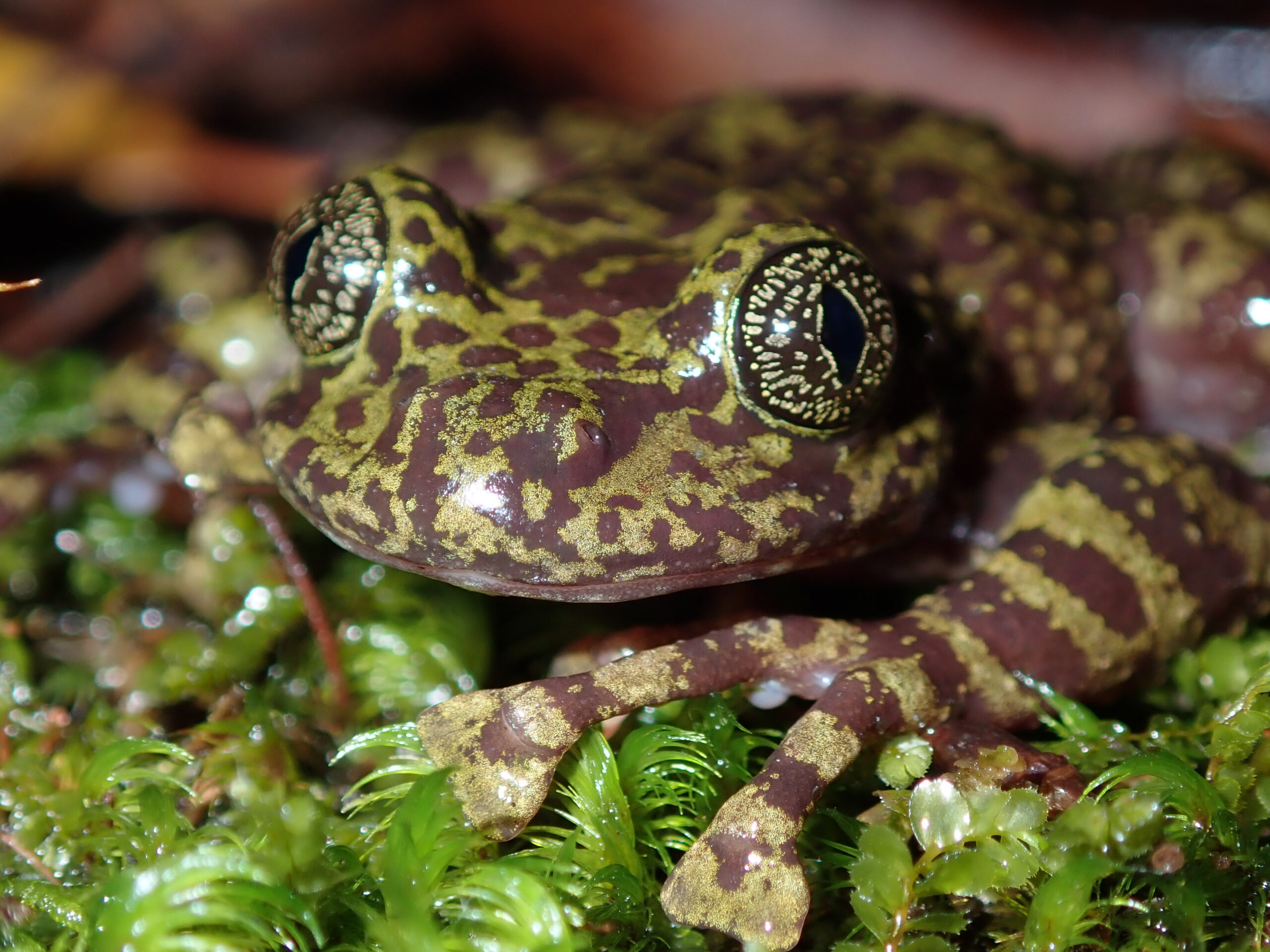
You can recognise the species by the striking purple and red blotches on their pale green skin. However their flat, compressible body means they can hide in the narrowest rock crevices.

Their range, or haunt 👻 if you will, is very small at just 16m2 on the southern and eastern slopes of Table Mountain in Cape Town. They have highly webbed feet with sucker-like disc pads on the toes. This makes them incredibly strong swimmers able to cling onto the most slippery surfaces, perfectly adapted to life in these mountain streams.

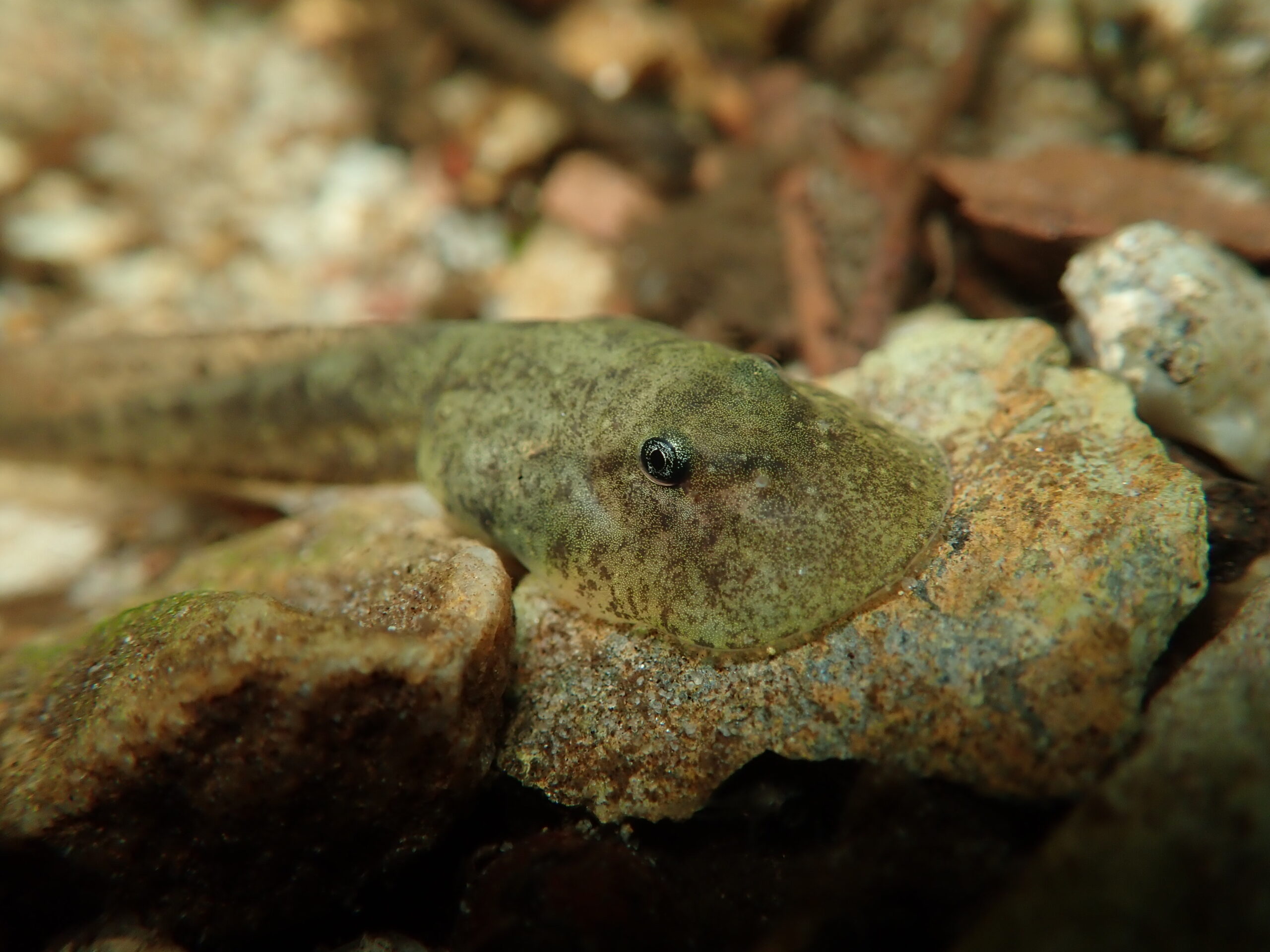
Even their tadpoles have unique sucker-like mouthparts, used to grip and climb wet rocks, as well as feed on delicious algae.

Photograph of juvenile Table Mountain ghost frog tadpole in its freshwater habitat.
© Joshua Weeber

A scary situation

The Table Mountain ghost frog is one of the 50 landmark species at high risk of extinction identified in SHOAL’s Fantastic Freshwater* report. The report published on 19th May 2022 (International Day for Biodiversity). Fantastic Freshwater highlights the diversity and beauty of freshwater species and the immense threats they face to their survival.

The small range of the Table Mountain ghost frog means it is especially vulnerable to disease and invasive species. As well as this, it’s completely dependent on the rocky streams of Table Mountain for survival. Reports suggest approximately 20% of the habitat has been lost over the past 30 years.

The species habitat is threatened by:

  • The presence of dams and water storage reservoirs: The Table Mountain ghost frog is an example of a species trying to survive close to a very large city, with the demands the human population places on the freshwater resource.
  • High volume of visitors: Table Mountain is a popular escape from the bustling metropolis of Cape Town, with human activity a significant cause of soil erosion in the habitat. Boardwalk construction would reduce bank erosion.
  • Alien vegetation: conservation action must include removing alien invasive plant species

The Table Mountain Ghost Frog Action Group formed to investigate the health of the habitat, review threats and establish a plan for conservation, with special emphasis on the Critically Endangered species which relies on the environment for survival.

Photograph of adult Table Mountain ghost frog in its freshwater habitat.
© Joshua Weeber

The scary reality is that without action, the Table Mountain ghost frog is at high risk of extinction.

If you want to support the work SHOAL are doing to conserve freshwater species through action-driven conservation donate here. Don’t forget to subscribe to our newsletter The Stream to get all the latest freshwater news straight to your inbox

*The Fantastic Freshwater: 50 landmark species for conservation report is led by SHOAL, the IUCN Species Survival Commission (SSC), the IUCN SSC Freshwater Conservation Committee, and the Global Center for Species Survival at the Indianapolis Zoo.