
)
)
)

CELEBRATING THE ORGANISATIONS DOING WONDERFUL WORK IN THE WORLD OF FRESHWATER SPECIES CONSERVATION

GUEST POST:
JOSEPH HOLWAY, PhD INCOMING DIRECTOR, SPRINGS STEWARDSHIP INSTITUTE
A spring is what happens when underground water reveals itself. Water emerges from rock, from gravel, from soils that look incapable of holding it. Sometimes it spreads into broad wetland meadows lined with willows and cottonwoods. Other times it seeps from canyon walls into pools no larger than a living room. These are springs — among the most biologically extraordinary, and the most overlooked, freshwater ecosystems on Earth.
The world’s rivers are not where freshwater begins. They are where it gathers. Nearly every river on Earth begins at a spring. Springs collectively supply the baseflow that sustains river systems through dry seasons and droughts — the water that keeps a river running when the rains are gone.
They are the foundation to freshwater conservation. And yet, for systems of such fundamental importance, springs are almost invisible to the global conservation conversation. They fall between disciplines. Between groundwater and surface water, between hydrology and ecology, between protected area frameworks and species programs. Most countries have never mapped them. Most freshwater funders have never funded them. Most policy frameworks have never named them. The result is a paradox: the smallest pieces of the freshwater puzzle are also among the most consequential, and the most ignored.
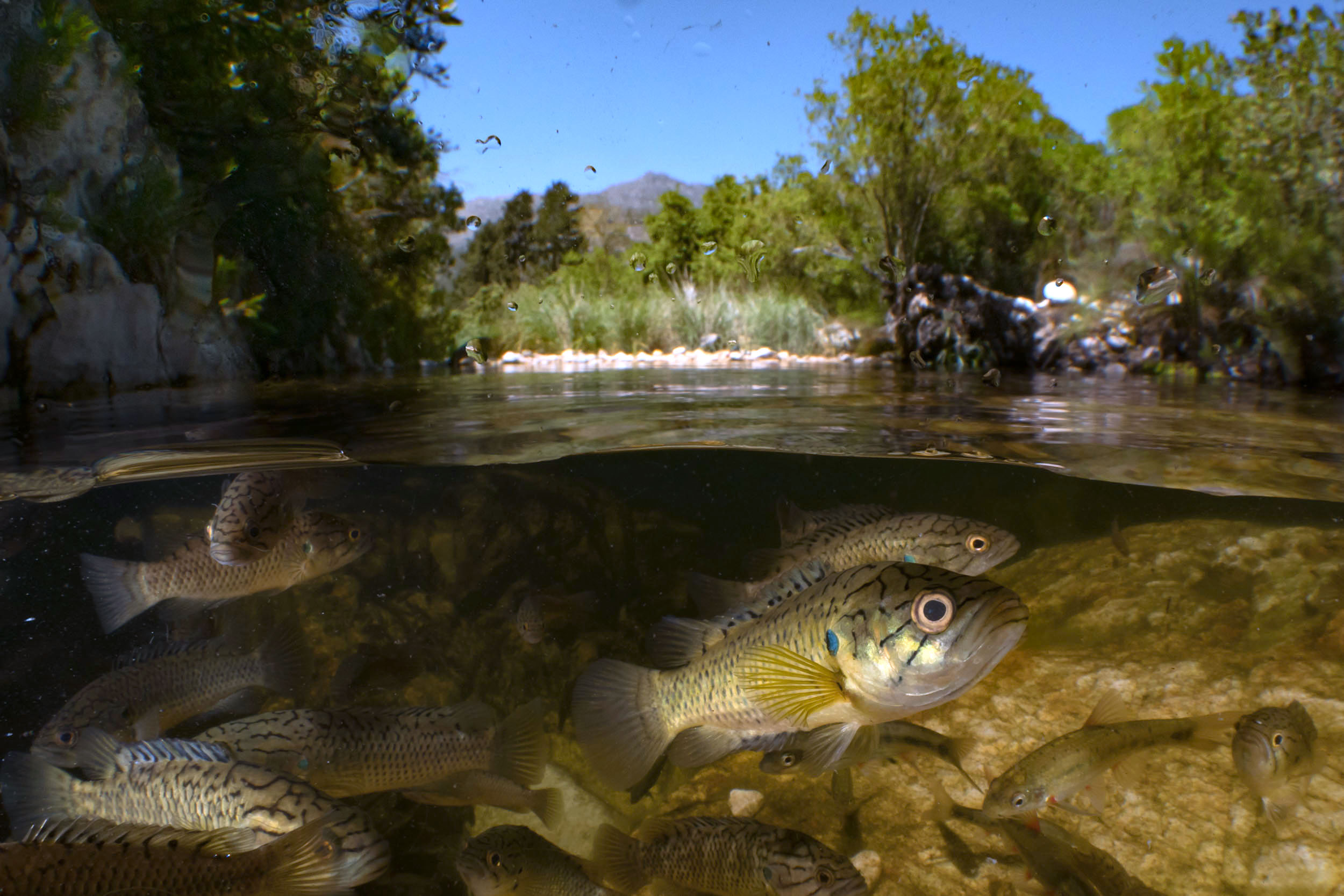
The biodiversity case for springs is staggering. A pool the size of a kitchen table can hold many endemic species found nowhere else on Earth. A single spring can shelter an invertebrate lineage that has been there for millions of years, separated from its nearest relatives by mountain ranges and deserts. Per unit area, spring ecosystems likely support more endemic biodiversity than any other freshwater system on the planet. Yet much of that biodiversity remains undescribed — species blinking out one at a time, sometimes before they have ever been given a name. And that loss is accelerating.
The deepest threat to springs is the slow, systemic over-extraction of groundwater — the steady drawdown of the aquifers that springs depend on. When pumping outpaces recharge, springs go dry. Often before the wells around them do. Springs are early warning systems for entire aquifer systems, and across the West and the world, they are sounding the alarm.
My path to springs started long before I knew what they were. As a kid in Phoenix, my mom would drive my friends and I up to Fossil Creek in central Arizona to swim. I spent whole afternoons underwater with a snorkel and mask, watching native fish move through water so clear it seemed impossible. I didn’t know it then, but Fossil Creek was one of the great restoration stories of the American Southwest — heavily altered for decades by hydropower development, then largely restored when much of its natural flow was returned. The fish I was watching had come back. The travertine terraces downstream of the old dam were rebuilding, layer by layer.
Stewardship works. Ecosystems remember. That feeling of floating through a place that had been brought back never left me. I came to springs formally after a graduate career working on the Mekong, where I studied the consequences of dams and altered flow regimes for fish and the people who depend on them. That work taught me something hard: a single person can give everything to a great river and still struggle to change its course. The forces shaping a river like the Mekong dwarf any one researcher. I turned to springs because they operate at a scale where individual action genuinely matters. One person can fundamentally change the fate of a spring — and in doing so, save a species, sometimes many, from vanishing forever. Because springs feed the baseflow of nearly every river on Earth, to care for our springs is to care for almost all the freshwater life on the planet.
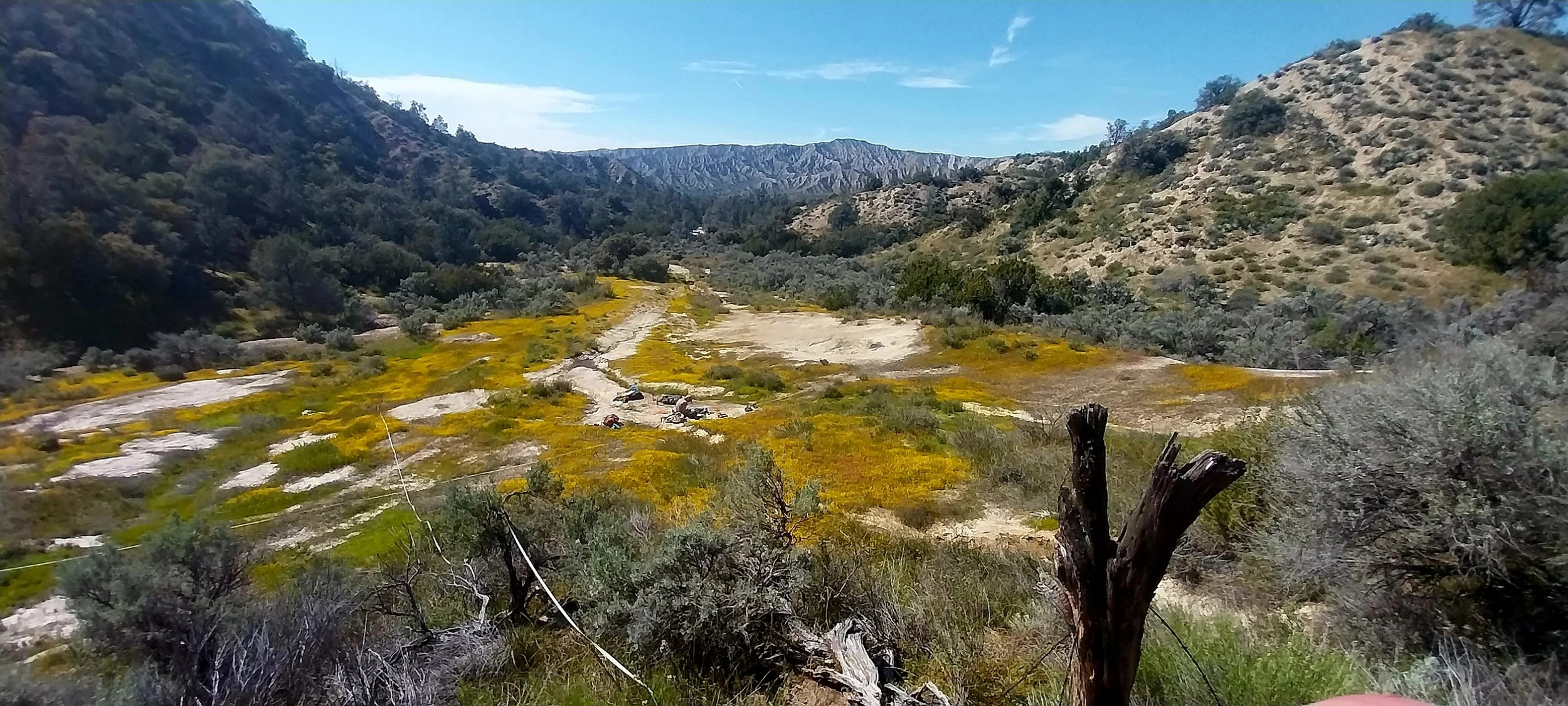
Across several decades, our team at the Springs Stewardship Institute has spent field season after field season across the deserts of the American West, often reaching wildly remote springs —through canyons and across ranches, finding water in country that should have none. We have documented springs still flowing, springs holding back the tide of aridification, springs surrounded by cottonwoods and willows and birds and insects. We have also documented springs going quiet — old spring boxes producing nothing, riparian vegetation dying back, stock tanks abandoned. The arc of these landscapes is hard to ignore. And yet we keep going back. Because every spring we visit confirms two things at once. These places hold extraordinary life. And they are still worth fighting for.
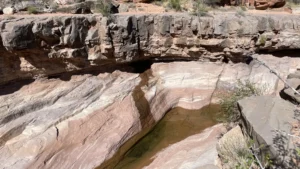
The good news is that the world is beginning to notice. In 2025, SSI joined the IUCN as a member organization and helped draft and pass IUCN Resolution 016 — a global call to action recognizing springs as urgent and neglected freshwater systems. A growing community of scientists, land managers, tribal nations, ranchers, and conservation organizations is converging on the same conclusion: springs are foundational, and they have been overlooked for too long. Much of freshwater conservation focuses on great rivers and lakes, and those efforts are essential. But almost every great river begins with a small, hidden seep. Protecting freshwater biodiversity means protecting these places too.
There is something almost reverent about kneeling beside a small desert spring and realizing that an entire web of life — and an entire downstream river — depends on that water continuing to flow. Springs are reminders that the smallest ecosystems can carry the heaviest weight, and that one spring, properly cared for, can sustain a species, a community, an entire watershed. Springs are worth understanding. They are worth protecting. And as we face the freshwater challenges of the coming decades, they may have something quietly profound to teach us.
Want to read more about springs? Check out our website: https://springstewardshipinstitute.org and sign up for our springs newsletter: https://springstewardship.substack.com